Veterinary reference
Diseases & conditions A–Z
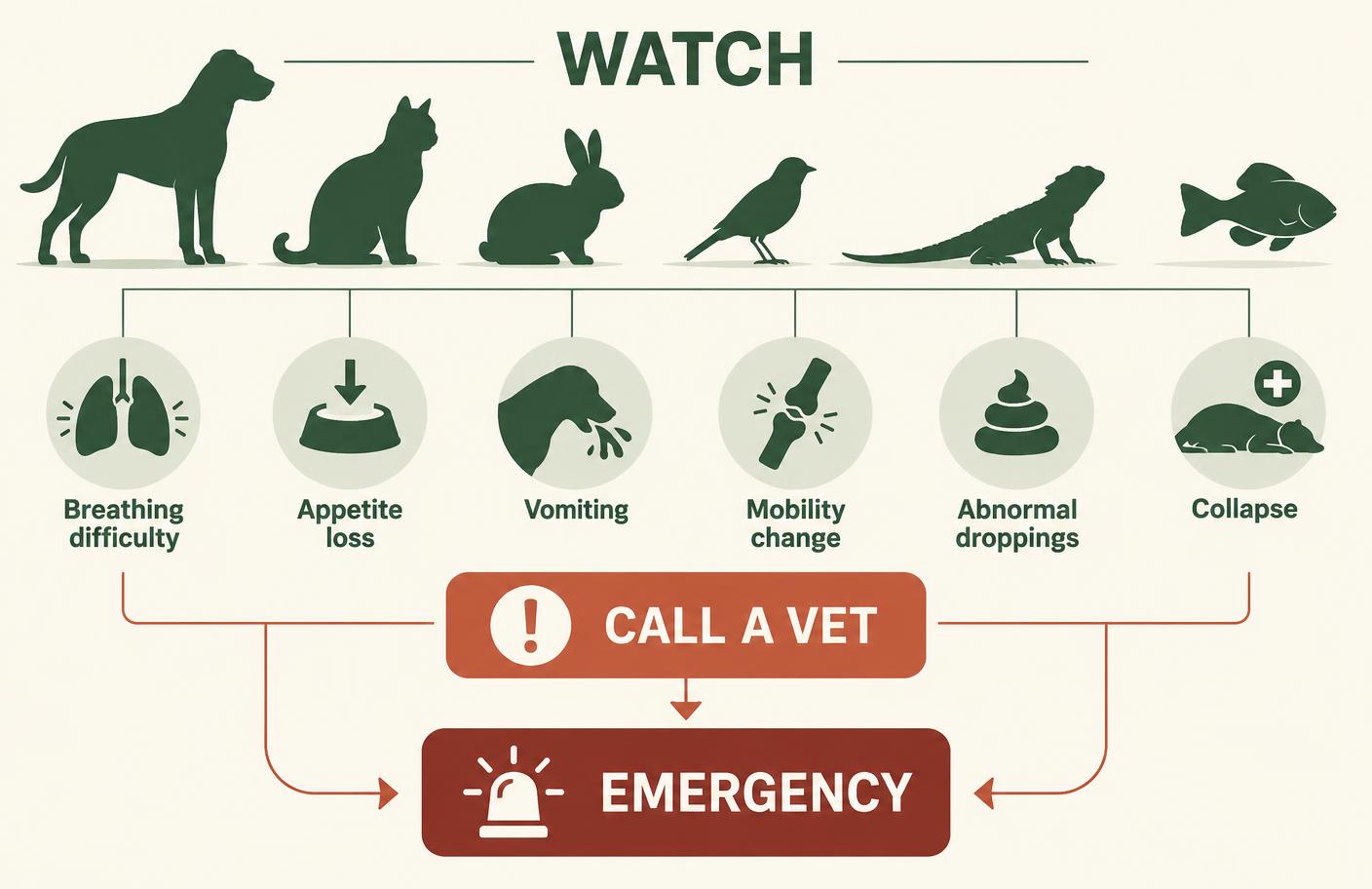
Recognise important signs, understand what a veterinarian may investigate and know how quickly to seek help. These pages support—not replace—an examination.


Canine osteoarthritis
A progressive, painful joint disease that can reduce mobility, sleep quality and willingness to exercise.
Dogs

Feline chronic kidney disease
A common progressive condition in older cats in which the kidneys gradually lose filtering and regulatory function.
Cats

Canine parvovirus
A highly contagious viral disease that causes severe vomiting, diarrhoea, dehydration and immune suppression, especially in puppies.
Dogs

Feline diabetes mellitus
A disorder of blood-glucose regulation that commonly causes increased thirst, urination, appetite changes and weight loss.
Cats
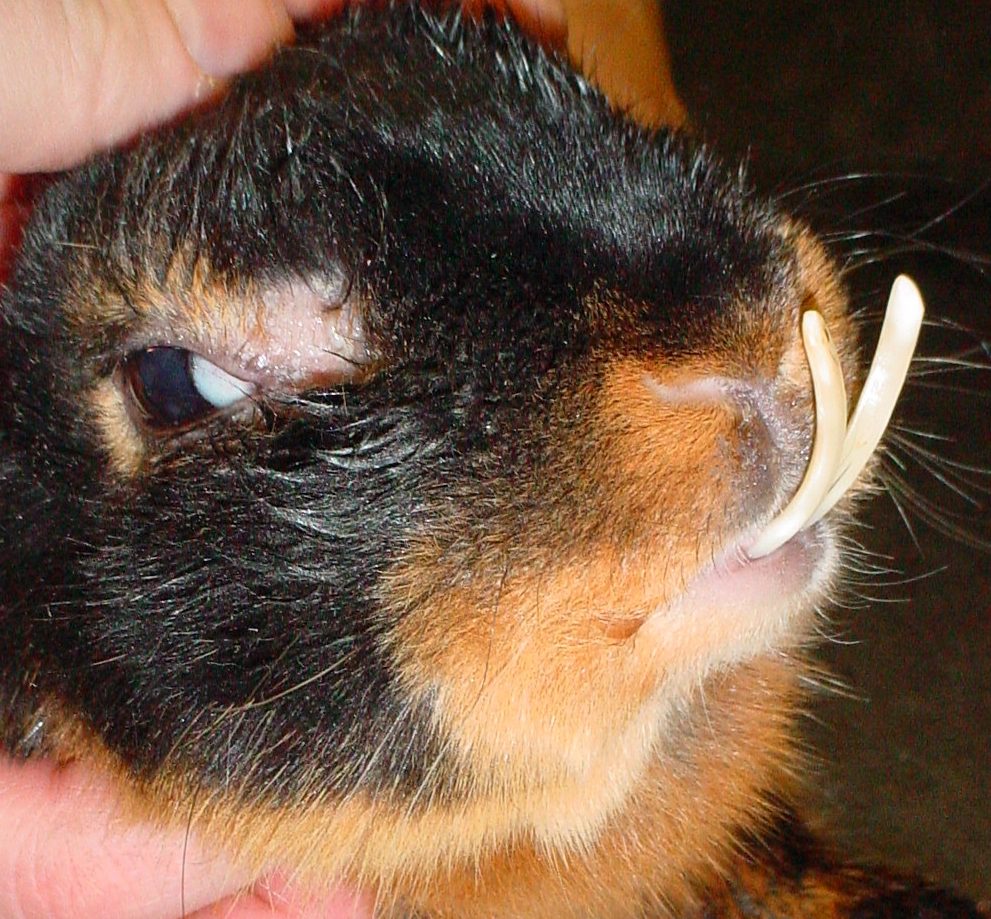
Rabbit dental disease
Overgrown or misaligned continuously growing teeth can cause chronic pain, wounds, poor eating and gastrointestinal slowdown.
Rabbits
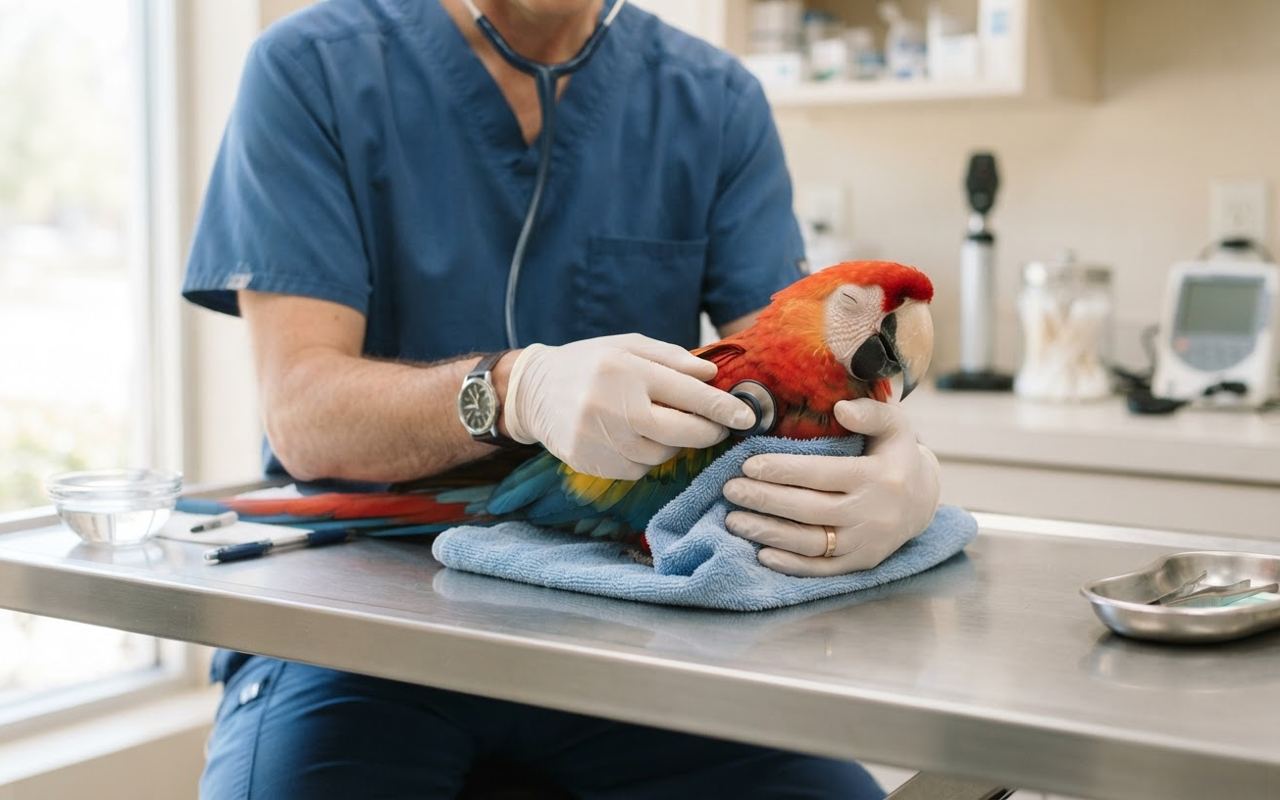
Avian psittacosis
A bacterial infection caused by Chlamydia psittaci that affects birds and can spread to people.
Birds, People
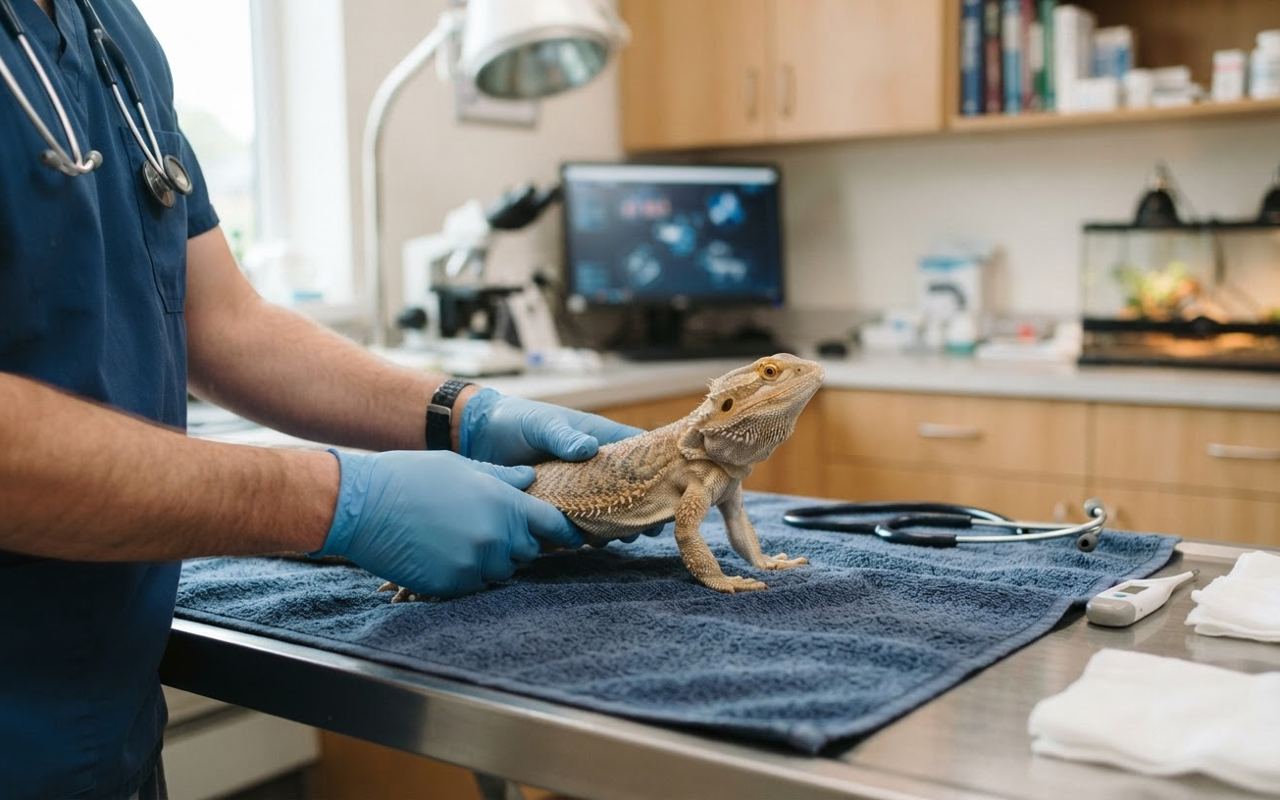
Metabolic bone disease in bearded dragons
A preventable disorder of calcium metabolism that weakens bones and muscles, usually because of incorrect UVB, diet or temperatures.
Bearded dragons, Reptiles
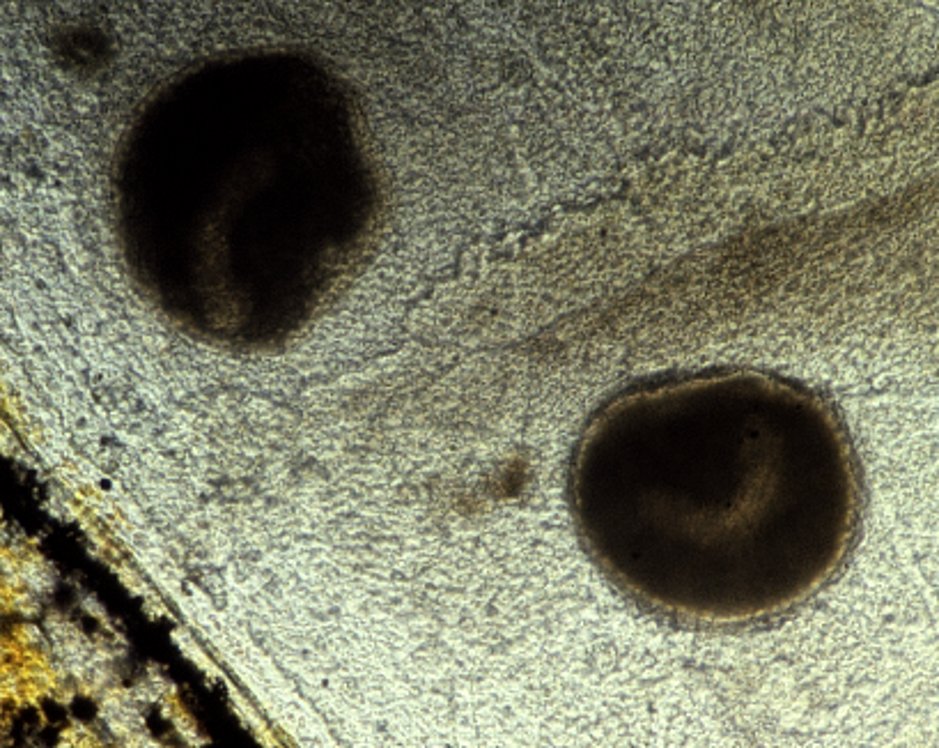
Freshwater ich
A contagious protozoal infection, often called white spot disease, that irritates skin and gills and can spread rapidly through an aquarium.
Freshwater fish

Canine atopic dermatitis
A chronic itchy skin condition associated with environmental allergens and a weakened skin barrier.
Dogs
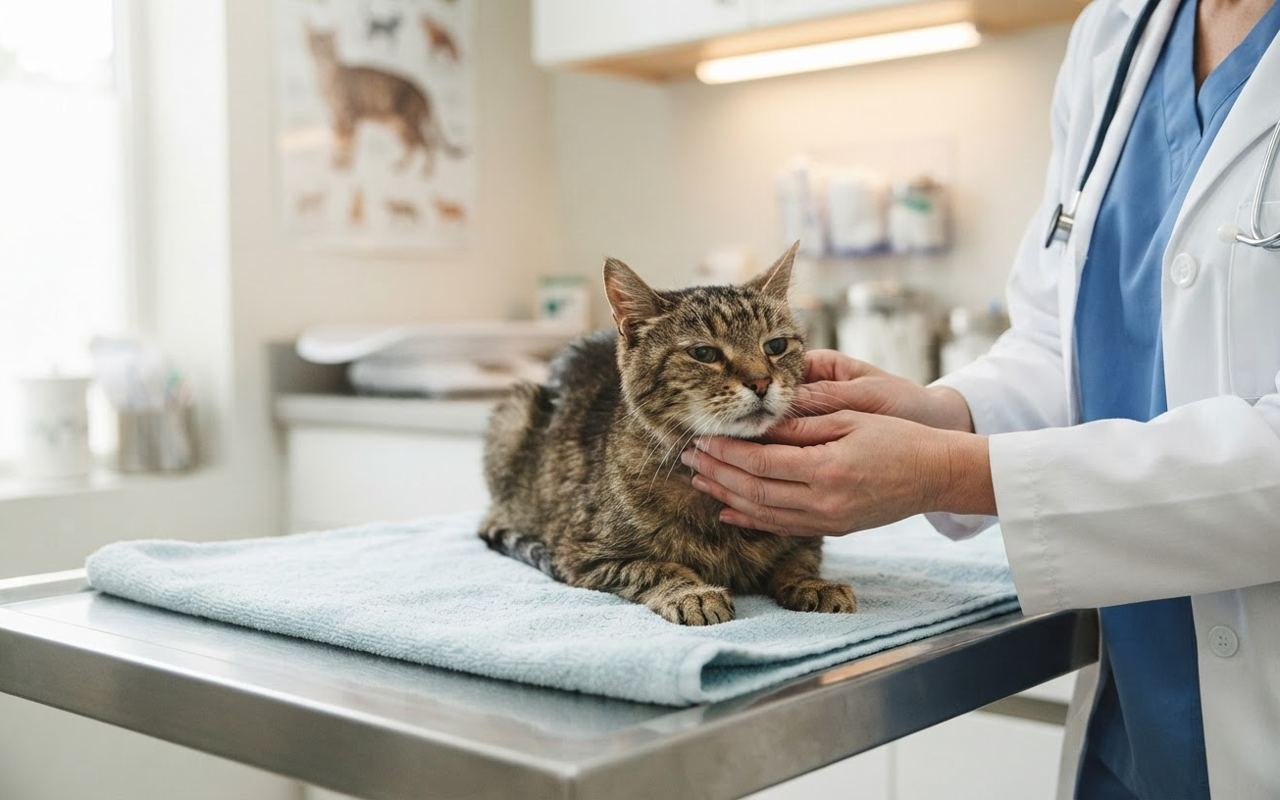
Feline hyperthyroidism
Excess thyroid hormone in older cats can accelerate metabolism and strain the heart, kidneys and other organs.
Cats
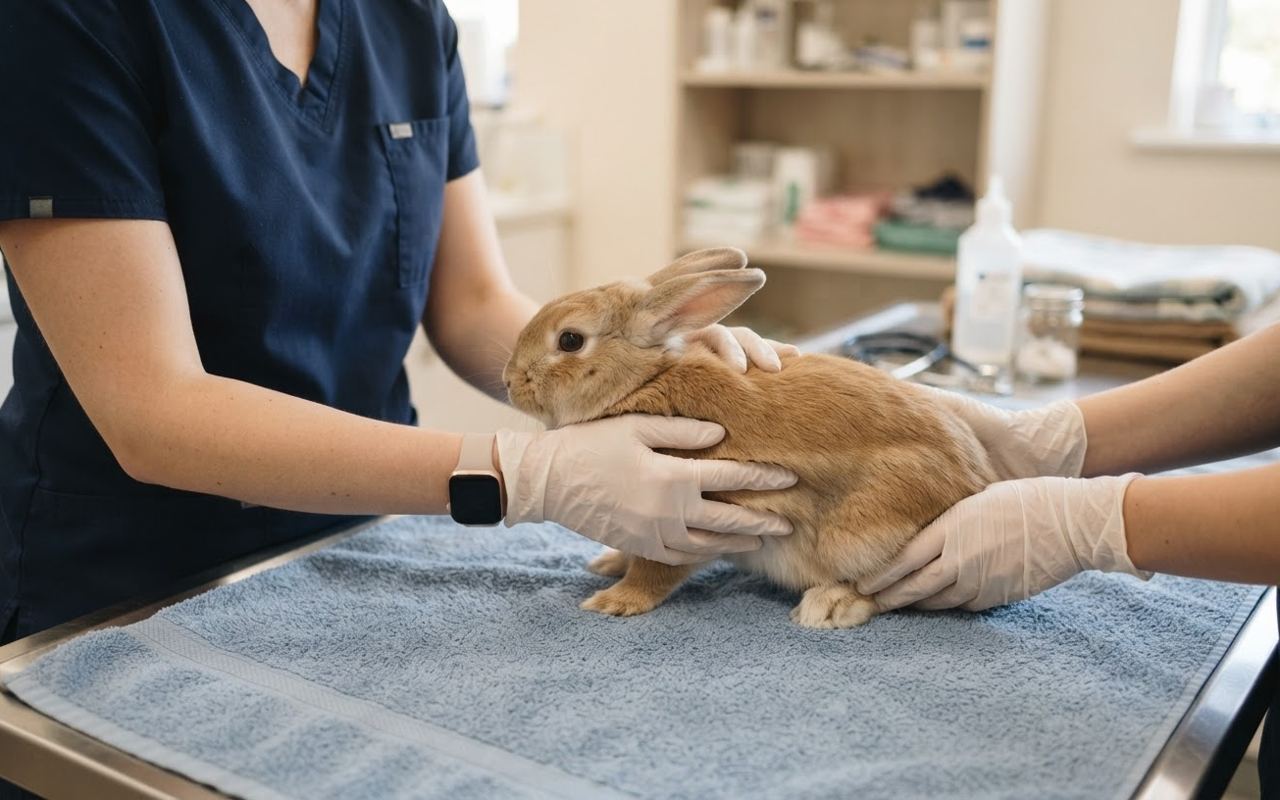
Gastrointestinal stasis in rabbits
A dangerous slowing of gut movement that is usually secondary to pain, illness, stress, dehydration or unsuitable diet.
Rabbits
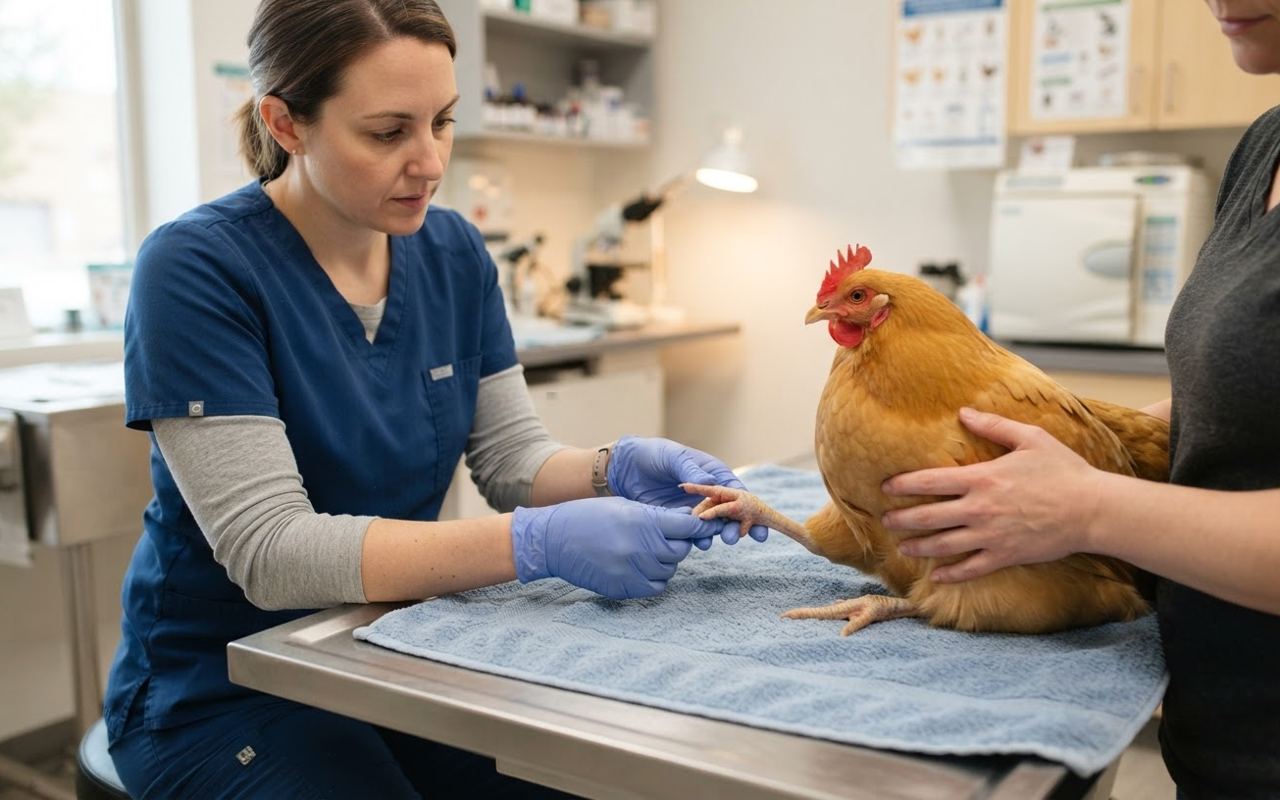
Bumblefoot in birds
Inflammation and infection of the foot pad, often linked to unsuitable perches, excess pressure, injury or husbandry problems.
Birds
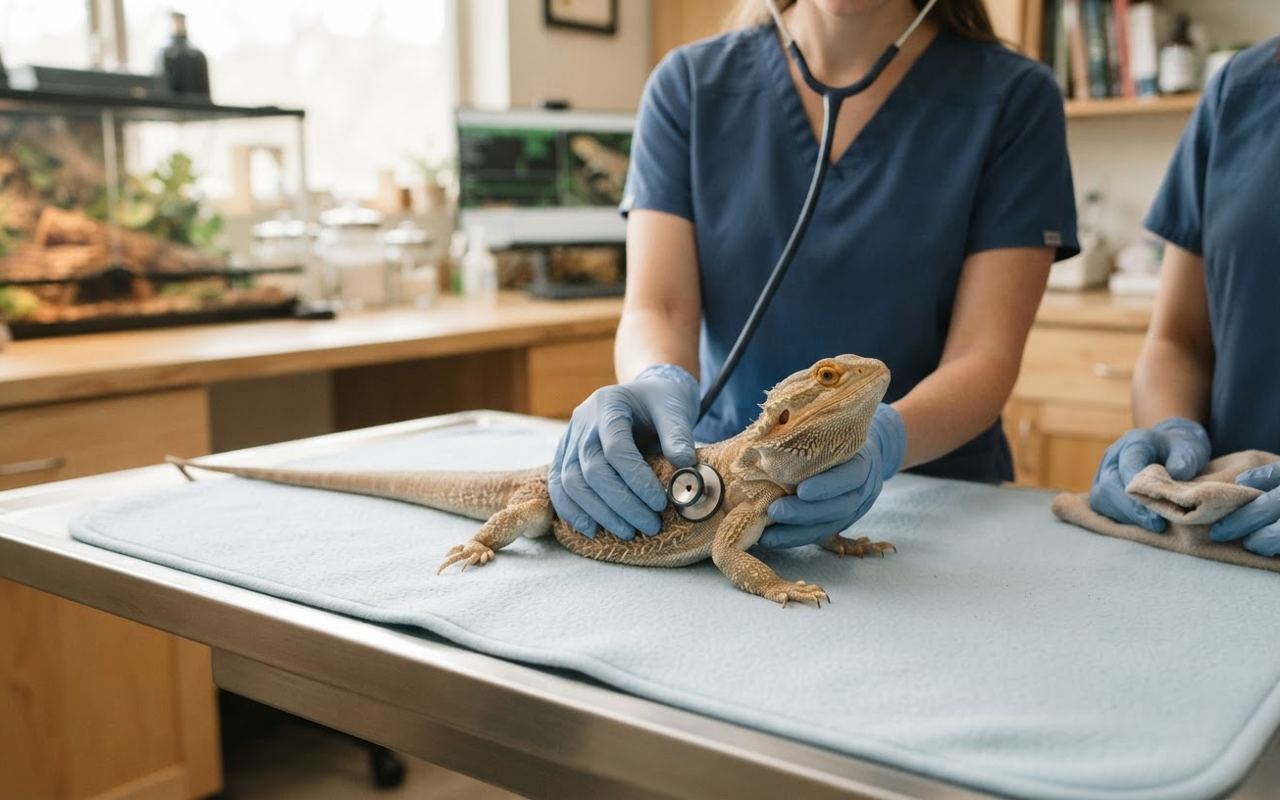
Respiratory infection in reptiles
Airway or lung infection that often develops when temperature, humidity, stress or underlying health are unsuitable.
Reptiles
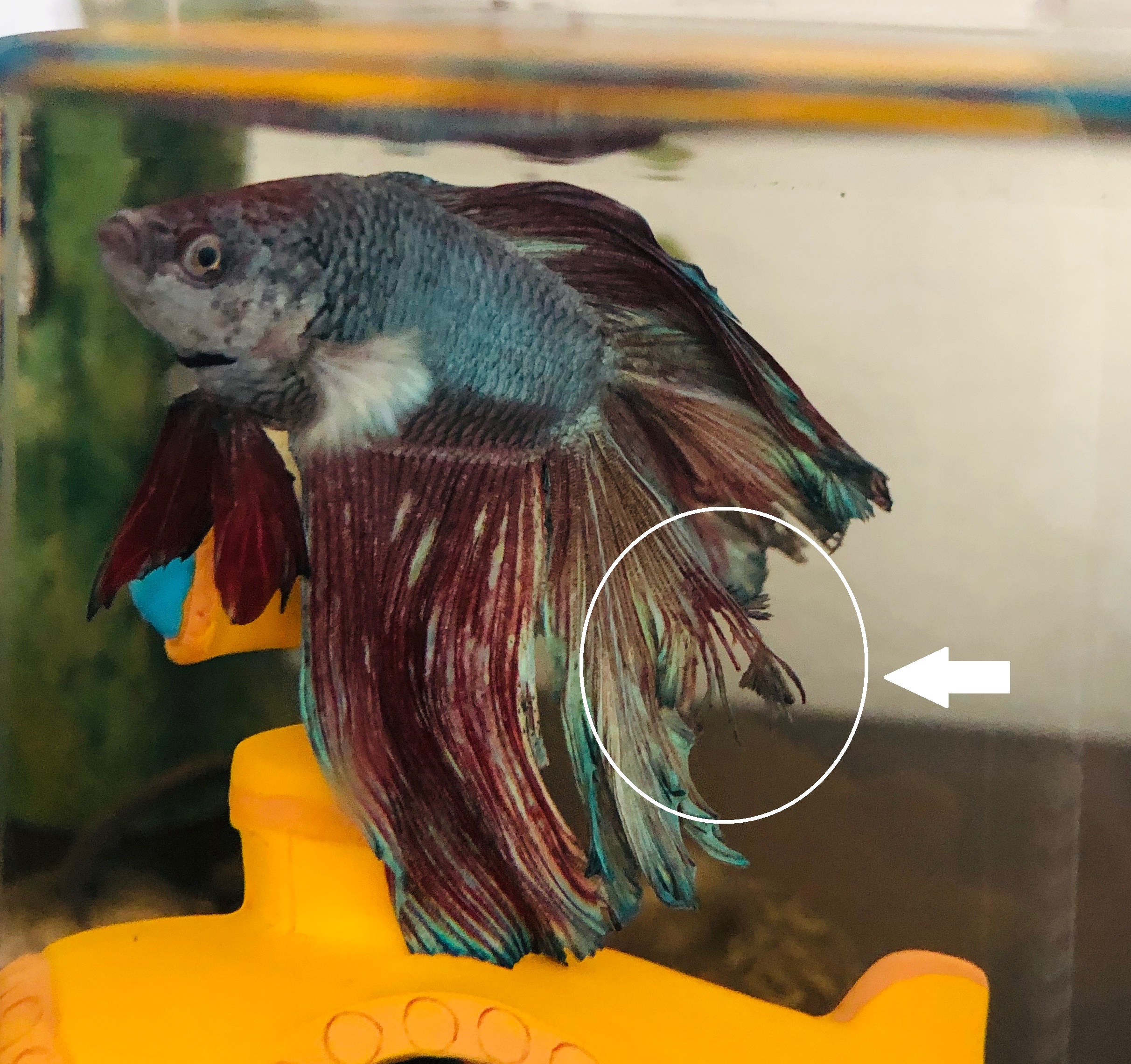
Fin rot in aquarium fish
Progressive fin damage associated with bacterial infection, commonly enabled by injury, stress or poor water quality.
Freshwater fish, Fish

Feline lower urinary tract disease
A group of bladder and urethral conditions causing painful, frequent or blocked urination, especially in stressed indoor cats.
Cats

Canine hip dysplasia
Abnormal development of the hip joint leading to laxity, inflammation and osteoarthritis over time.
Dogs

Canine infectious respiratory disease (kennel cough)
A contagious complex of viruses and bacteria producing a harsh, honking cough after contact with other dogs.
Dogs
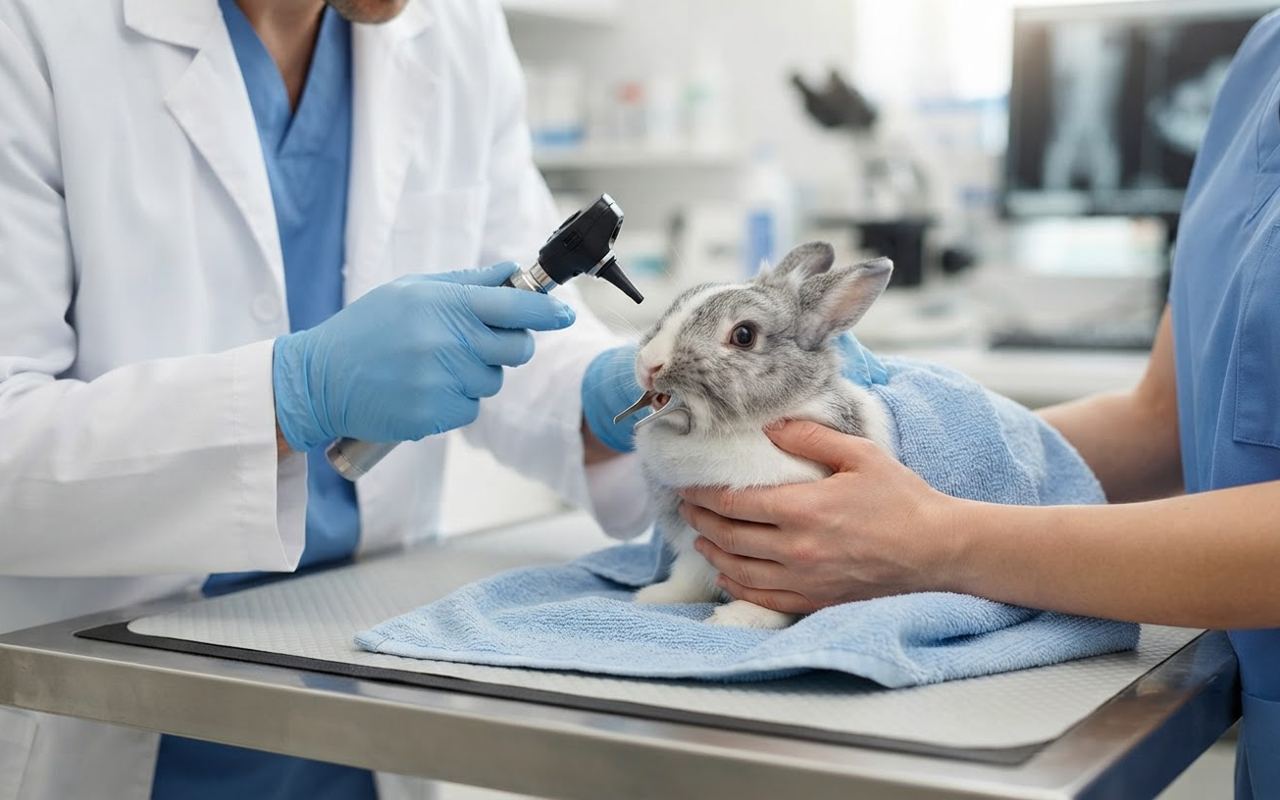
Rabbit dental malocclusion
Misaligned continuously growing teeth that develop painful spurs and prevent normal eating and grooming.
Rabbits, Guinea pigs
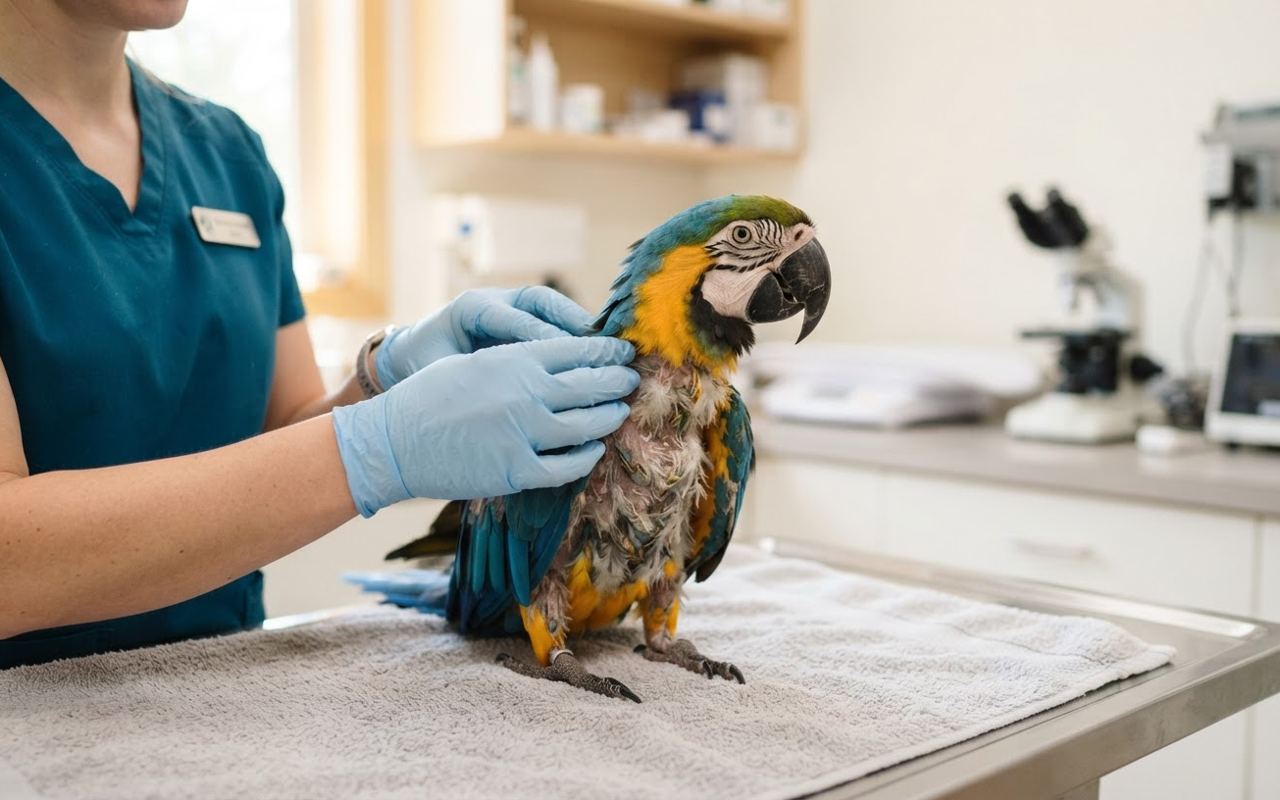
Feather destructive behaviour in parrots
Self-directed plucking or chewing of feathers with medical, environmental and behavioural causes that must be untangled together.
Birds, Parrots
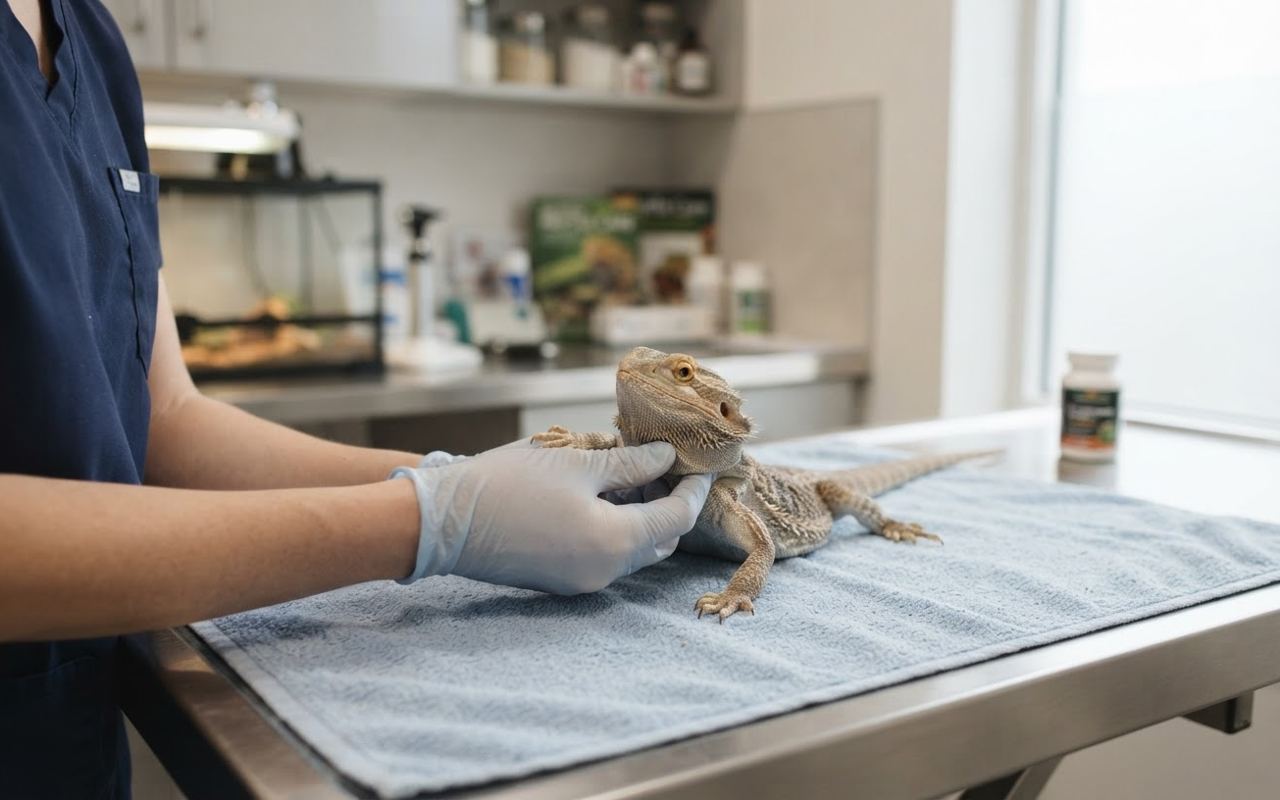
Metabolic bone disease in reptiles
Weakened, deformed bones caused by calcium, vitamin D3 or UVB deficiency and incorrect calcium-to-phosphorus balance.
Reptiles, Bearded dragons, Turtles

Canine leptospirosis
A bacterial infection spread through contaminated water and urine that can cause sudden kidney and liver failure — and can infect people.
Dogs, People

FIV and FeLV in cats
Two retrovirus infections that weaken the immune system. Both are manageable, and many infected cats live comfortably for years.
Cats

Cushing's disease in dogs
Excess cortisol production, usually from a small pituitary tumour, causing thirst, hunger, a pot-bellied shape and skin changes.
Dogs

Feline asthma
Allergic airway inflammation causing coughing, wheezing and breathing difficulty, often mistaken for hairballs.
Cats

Ear infections in dogs (otitis)
Inflammation and infection of the ear canal — one of the most common reasons dogs visit the vet, and often recurrent without a plan.
Dogs

Myxomatosis in rabbits
A severe viral disease spread by biting insects and direct contact; often fatal in unvaccinated domestic rabbits.
Rabbits

Scurvy in guinea pigs
Vitamin C deficiency — guinea pigs, like people, cannot make their own — causing painful joints, poor healing and bleeding gums.
Guinea pigs
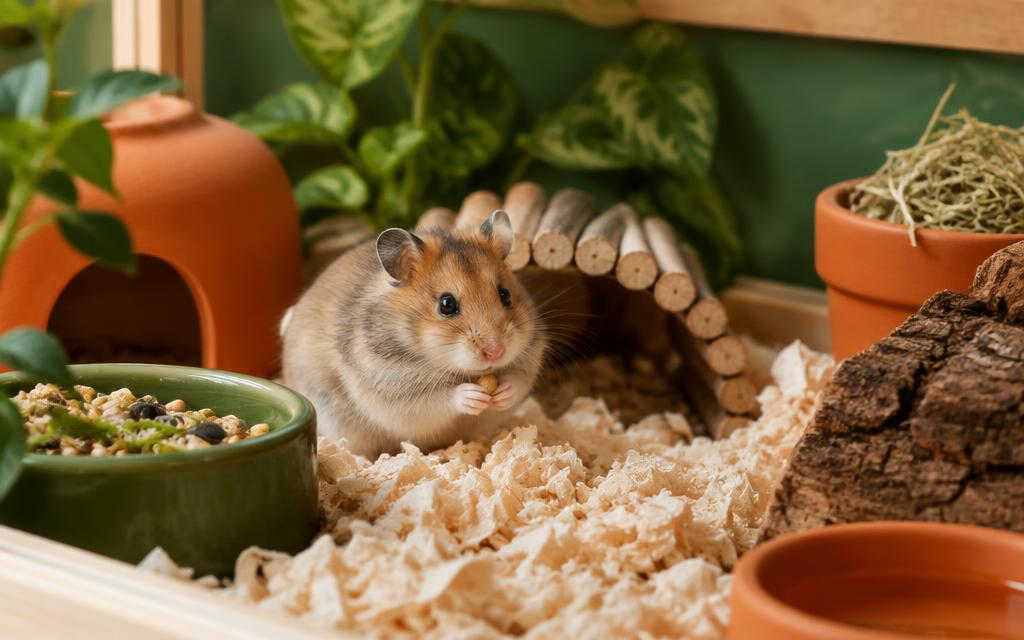
Wet tail in hamsters
Severe bacterial diarrhoea, most common in young or recently stressed hamsters, that can dehydrate a small animal within hours.
Hamsters, Small mammals
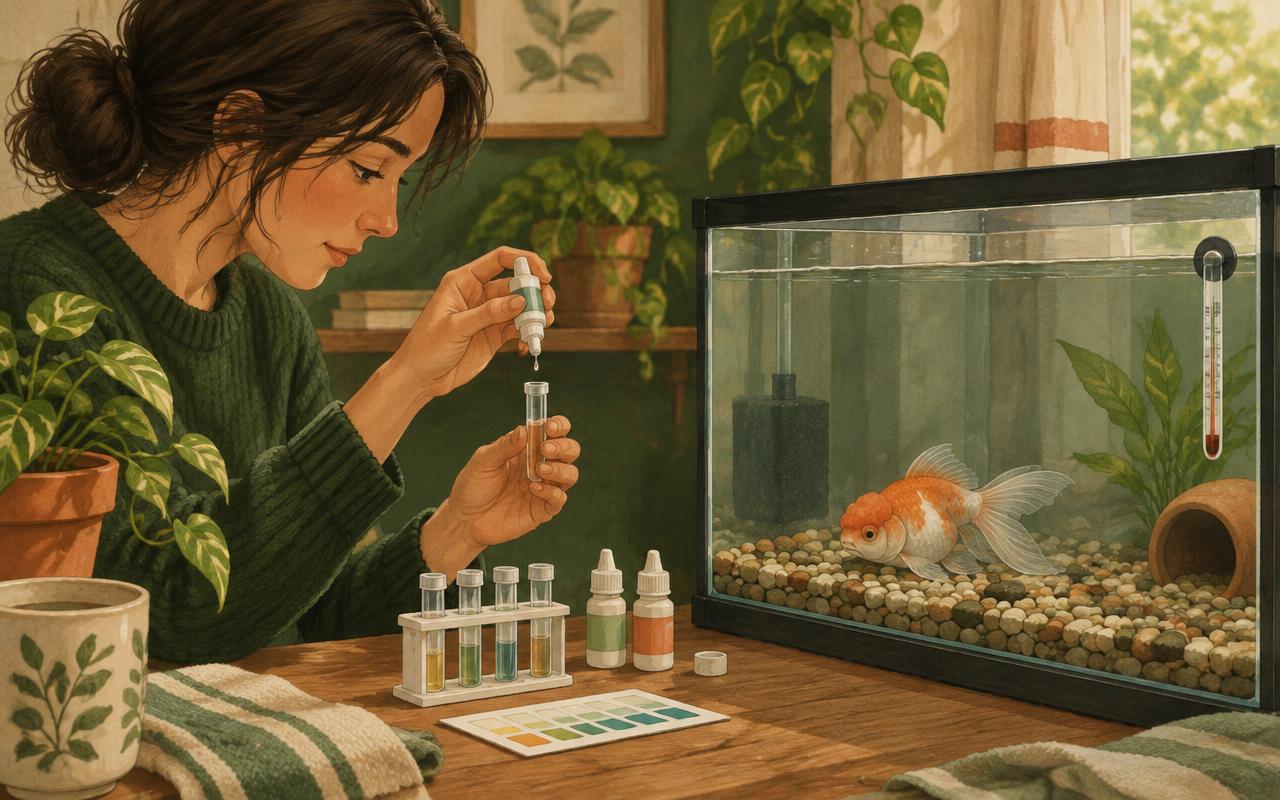
Swim bladder disorder in fish
Buoyancy problems — floating, sinking or swimming sideways — usually a symptom of diet, water quality or infection rather than a disease in itself.
Freshwater fish, Fish

Addison's disease in dogs
Under-production of adrenal hormones causing vague, waxing-and-waning illness that can suddenly escalate into a life-threatening crisis.
Dogs

Pancreatitis in dogs
Inflammation of the pancreas, often triggered by a fatty meal, causing vomiting and severe abdominal pain.
Dogs

Diabetes in dogs
Lack of insulin leads to high blood sugar, with increased thirst, weight loss and a risk of cataracts.
Dogs

Lyme disease in dogs
A tick-borne bacterial infection; most exposed dogs never become ill, but some develop lameness, fever or, rarely, kidney disease.
Dogs, People

Tooth resorption in cats
A common, painful condition in which a cat's own cells break down tooth structure; many adult cats are affected.
Cats

Epilepsy in dogs
Recurrent seizures, usually starting between six months and six years of age; often well controlled with medication.
Dogs

Cat flu (upper respiratory infection)
Sneezing, runny eyes and nose caused mainly by feline herpesvirus and calicivirus; especially serious in kittens.
Cats
Adrenal disease in ferrets
Overactive adrenal glands causing hair loss and hormonal changes; very common in middle-aged neutered ferrets.
Ferrets
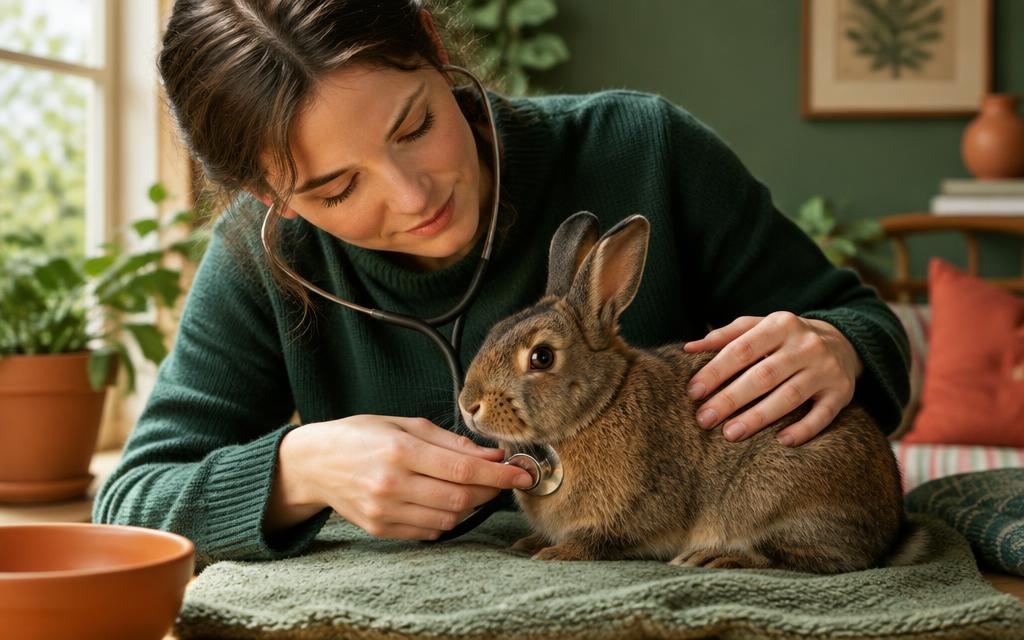
E. cuniculi in rabbits
A common parasite that can lie dormant, then cause head tilt, balance loss, kidney disease or eye problems.
Rabbits

Mitral valve disease in dogs
The most common heart disease in dogs: a leaky valve that can lead to heart failure, especially in small breeds.
Dogs

Hypertrophic cardiomyopathy in cats
Thickening of the heart muscle — the most common heart disease in cats, often hidden until a crisis.
Cats

Flystrike in rabbits
Flies lay eggs on soiled fur and maggots eat into the skin — a rapidly fatal summer emergency.
Rabbits, Guinea pigs

Impaction in reptiles
A blockage of the gut, often from swallowed substrate or poor husbandry.
Bearded dragons, Leopard geckos

Heatstroke in dogs
A life-threatening rise in body temperature, most often triggered by exercise in warm weather.
Dogs
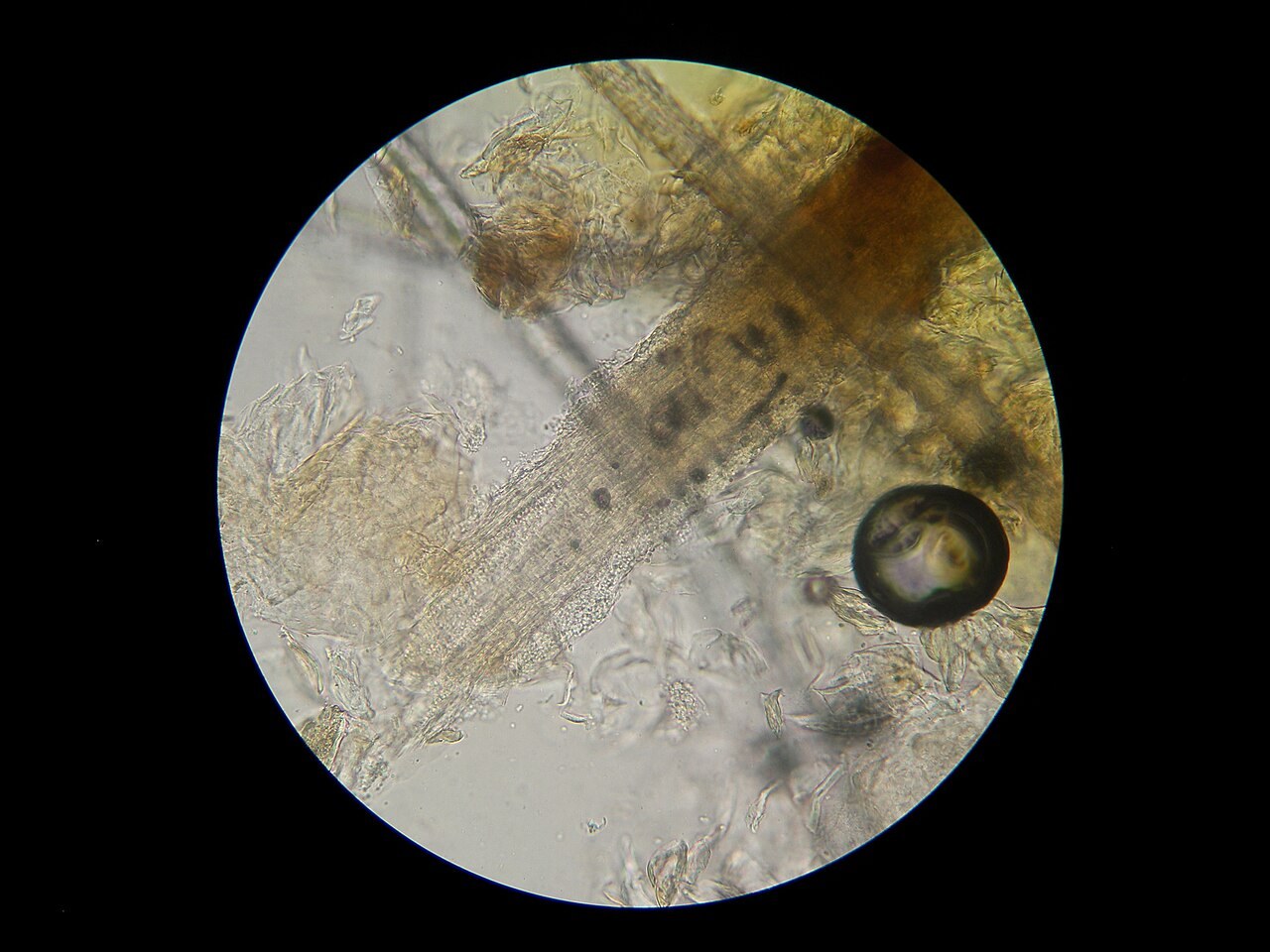
Ringworm in cats and dogs
Ringworm is a contagious fungal infection of skin and hair, not a worm. It can spread between animals and people; testing and a household treatment plan matter.
Cats, Dogs
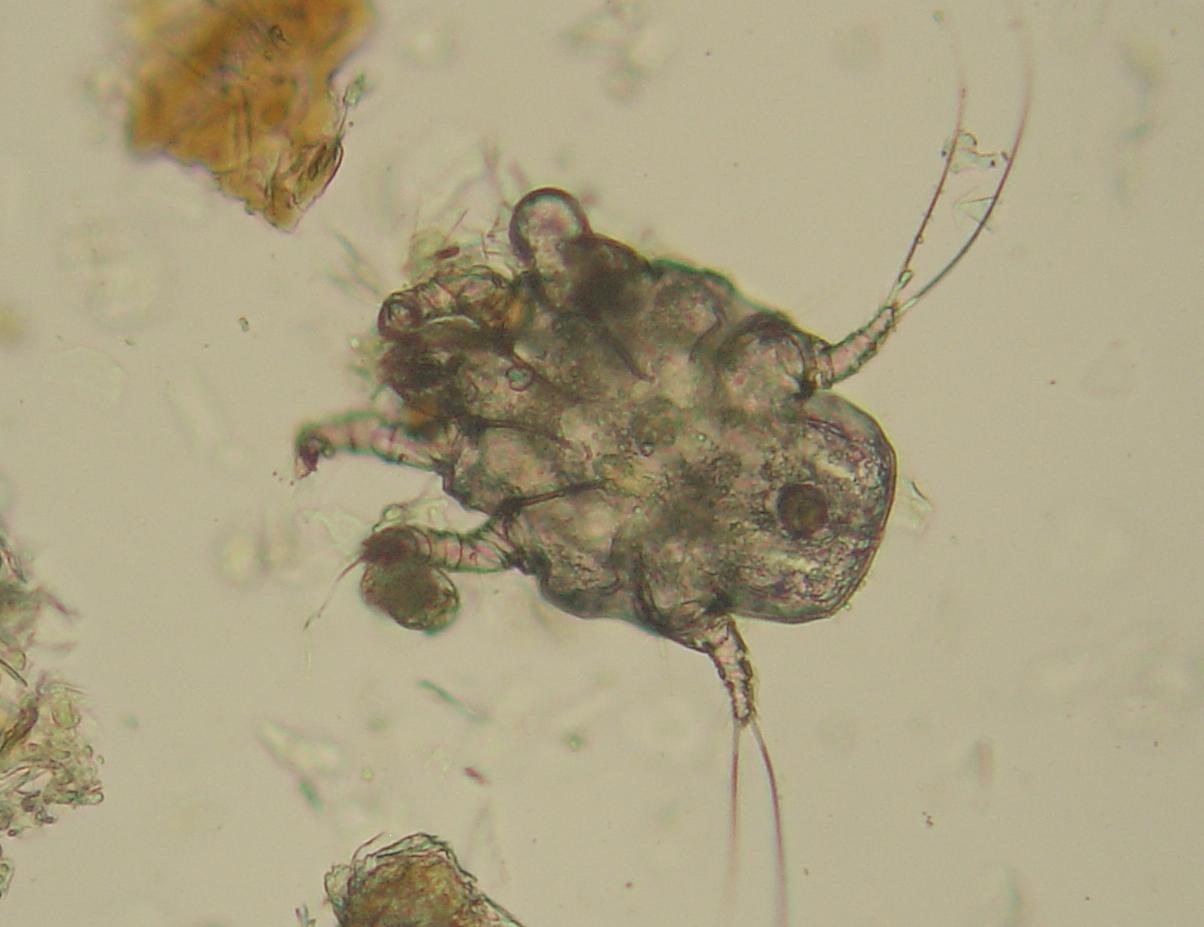
Ear mites in cats and dogs
Otodectes cynotis mites can cause itchy, inflamed ears and dark debris, especially in cats. Similar signs have other causes, so examination should come before treatment.
Cats, Dogs

Cataracts in dogs
A cataract is an opacity in the eye’s lens that can affect vision. Cloudiness has several causes, and a painful or suddenly changed eye needs prompt assessment.
Dogs