
Hormonal disease · Updated 2026-09-29
Addison's disease in dogs
Under-production of adrenal hormones causing vague, waxing-and-waning illness that can suddenly escalate into a life-threatening crisis.
Illustrative cover using relevant category imagery; it does not depict the exact subject.
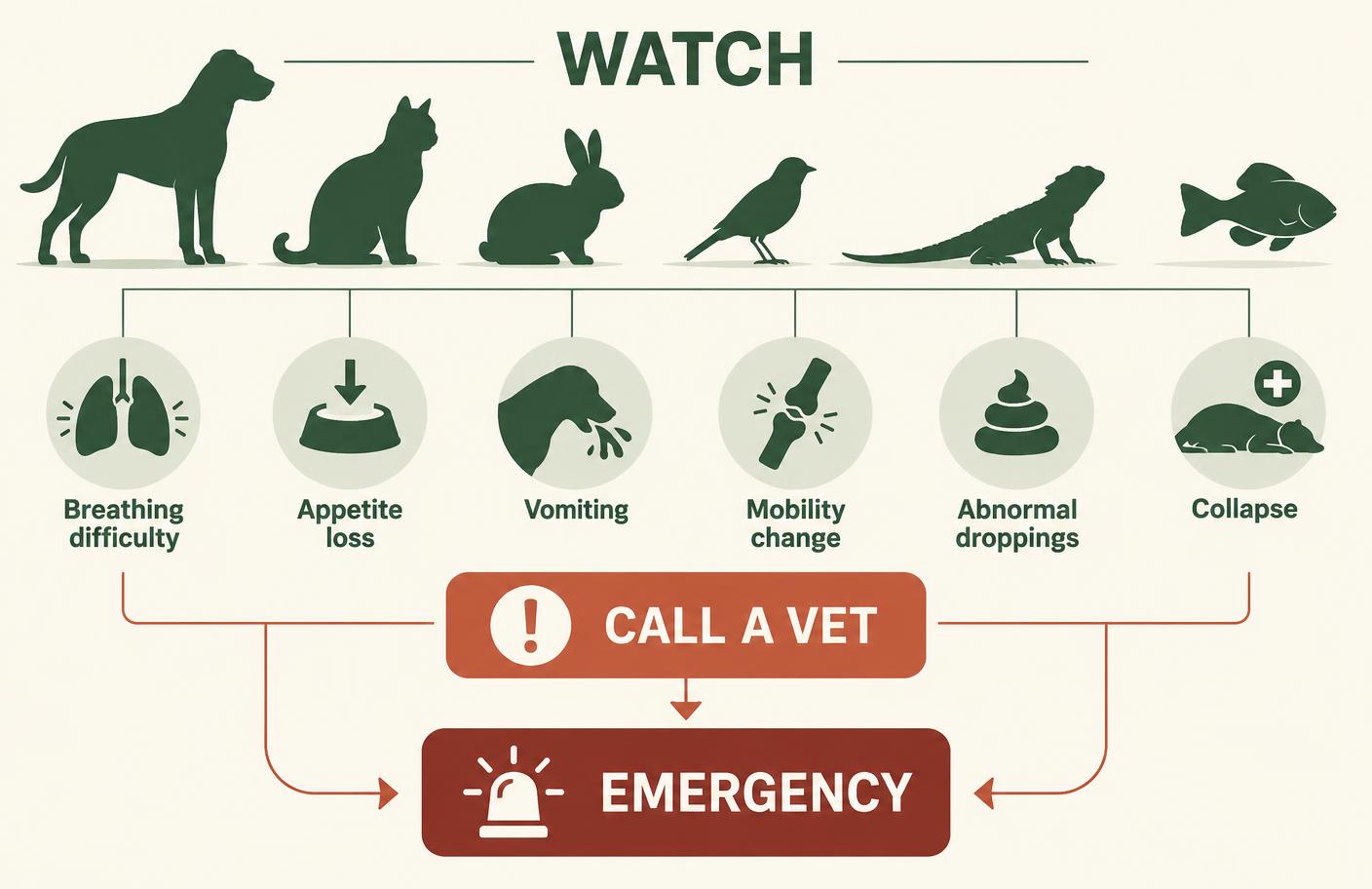
Signs to watch for
- Episodes of lethargy and weakness
- Vomiting and diarrhoea that come and go
- Poor appetite
- Weight loss
- Shaking
- Sudden collapse in a crisis
Causes and risk factors
Immune-mediated destruction of the adrenal glands is most common; abrupt withdrawal of long-term steroid medication can also cause it.
How veterinarians diagnose it
Blood tests showing characteristic sodium and potassium changes, confirmed with an ACTH stimulation test.
Treatment and management
Lifelong hormone replacement (daily tablets and/or monthly injections) with dose adjustments during stress. A crisis needs emergency hospital care.
Prevention
Not preventable, but knowing the breed predispositions (poodles, setters, some terriers) speeds recognition.
Outlook
Excellent with treatment — most dogs live a normal lifespan once stabilised.
Common questions
- What are the signs of addison's disease in dogs?
- Episodes of lethargy and weakness; Vomiting and diarrhoea that come and go; Poor appetite; Weight loss; Shaking; Sudden collapse in a crisis.
- What causes addison's disease in dogs?
- Immune-mediated destruction of the adrenal glands is most common; abrupt withdrawal of long-term steroid medication can also cause it.
- How is addison's disease in dogs diagnosed?
- Blood tests showing characteristic sodium and potassium changes, confirmed with an ACTH stimulation test.
- How is addison's disease in dogs treated?
- Lifelong hormone replacement (daily tablets and/or monthly injections) with dose adjustments during stress. A crisis needs emergency hospital care.
- Can addison's disease in dogs be prevented?
- Not preventable, but knowing the breed predispositions (poodles, setters, some terriers) speeds recognition.
- When should I contact a veterinarian?
- Collapse, profound weakness or uncontrolled vomiting in a diagnosed dog is an emergency; give any prescribed emergency medication and go straight to a vet.
Preparing for a addison's disease in dogs consultation
- Record when these signs began and how they changed: Episodes of lethargy and weakness; Vomiting and diarrhoea that come and go; Poor appetite. Record appetite, water intake, toileting and any medicines or supplements.
- The listed urgency is urgent; worsening breathing, collapse, seizures or severe pain can make any situation an emergency. Ask the clinic rather than relying only on this category.
- Ask what else could explain the signs, which tests would change the plan and how discomfort will be managed. Symptoms alone cannot confirm this condition.
- Before going home, agree what to monitor, when to recheck and which signs mean calling sooner. Follow the individual treatment plan; do not copy another pet's prescription.
Educational reference, not an individual diagnosis or a verified professional review. Read our editorial policy.
Sources on this topic
Pages on this specific subject from recognised organisations. They are cited for further reading and do not mean the organisation has reviewed this page.
- Addison's Disease in Dogs — VCA Animal Hospitals
Guidance libraries and further reading
These organisations publish relevant guidance. Their links are further reading, not evidence that they have reviewed this page.