
Petarium Daily
Answers to the questions pet owners search for
A new in-depth guide every day, chosen from real search questions. These articles are written with AI and are not individually reviewed by a vet.

14 Nov 2026 · 12 min read
Dog Diarrhoea: Causes, Care and When to See a Vet
Dog diarrhoea is a common symptom resulting from various causes, ranging from simple dietary indiscretion to serious underlying medical conditions. While mild, short-term cases can often be managed with supportive care, persistent or severe symptoms require prompt veterinary assessment.

13 Nov 2026 · 12 min read
Does Cat Behaviour Change with Age? What to Expect
Yes, cat behaviour naturally shifts as they transition from kittenhood to seniority due to physical, sensory and cognitive changes. While many behavioural adjustments are standard parts of ageing, sudden shifts often indicate underlying health concerns that require veterinary attention.

12 Nov 2026 · 15 min read
Why Has My Cat's Behaviour Changed? A Guide for Owners
Sudden changes in a cat's behaviour are often an indicator of underlying physical pain or chronic illness rather than a behavioural choice. You should always prioritise a veterinary check-up to rule out medical issues before assuming the cause is environmental.

11 Nov 2026 · 15 min read
Does Cat Behaviour Change After Spaying? What Owners Expect
Spaying often leads to a reduction in mating-related behaviours like yowling and roaming, though a cat’s core personality typically remains unchanged. Owners should expect a temporary period of recovery where behaviour may differ due to pain or stress before their cat returns to normal.

9 Nov 2026 · 15 min read
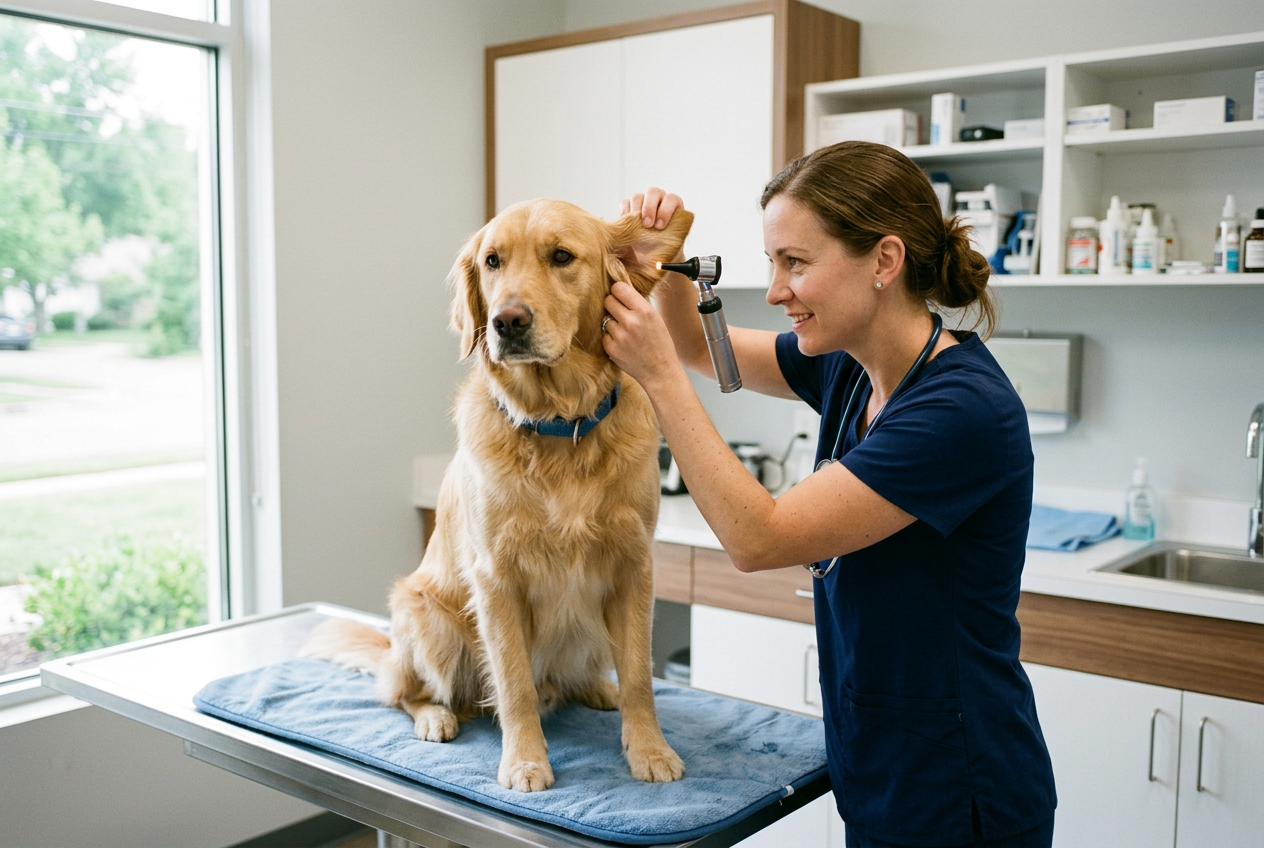
How Much Is a Dog Health Check in the UK?
A routine dog health check in the UK typically costs between £30 and £60, depending on the clinic location and the depth of the examination. Prices will be higher if the visit includes vaccinations, blood tests, or additional diagnostic procedures.
15 Oct 2026 · 14 min read
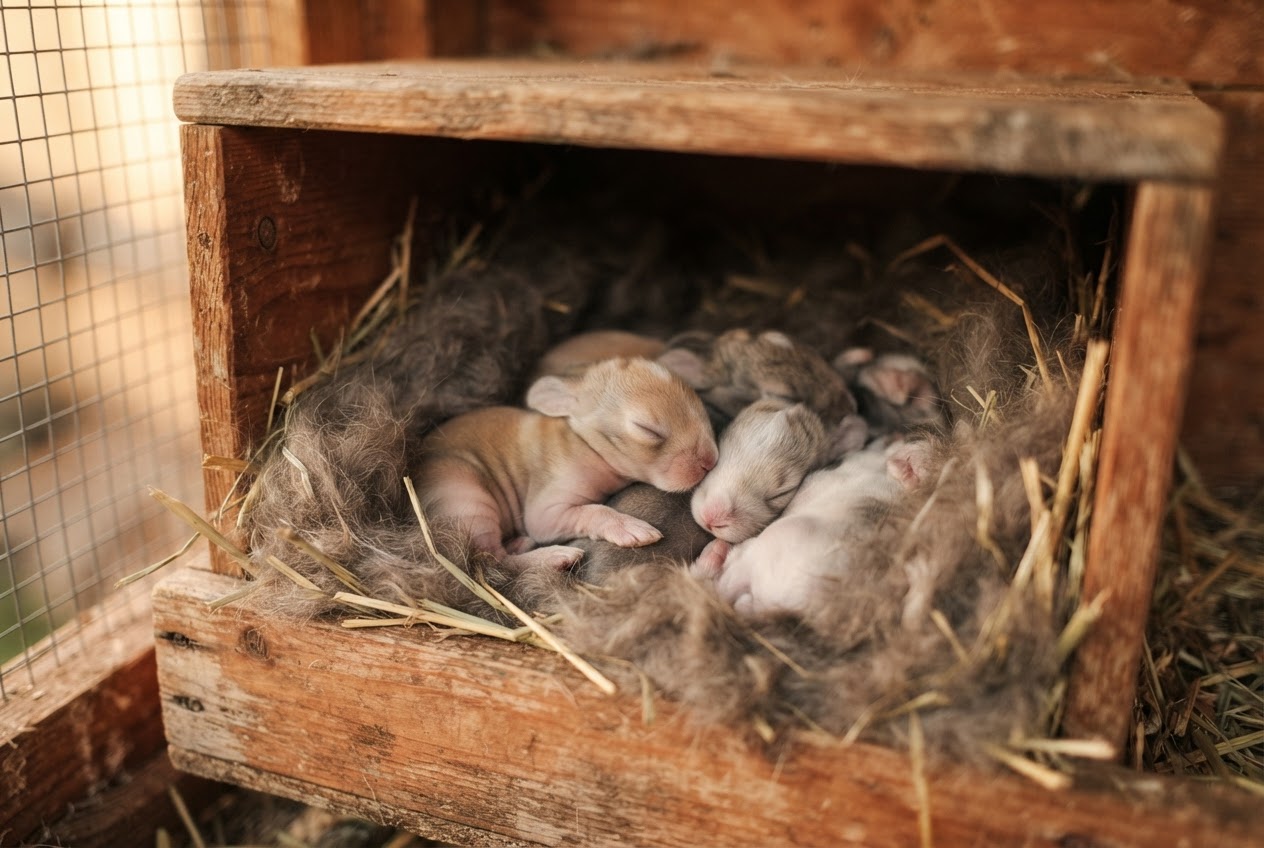
How to Care for Newborn Rabbits: Complete Kit Care Guide
Caring for newborn rabbits (kits) primarily involves supporting the mother rabbit, maintaining a warm and clean nest, and checking kits daily without causing distress. Mother rabbits naturally nurse only once or twice in twenty-four hours for just a few minutes, so apparent absence is normal behaviour rather than abandonment.

13 Oct 2026 · 9 min read
What Dog Breed Has the Least Health Problems? A Vet Guide
Statistically, medium-sized crossbreeds and working dogs with moderate physical features suffer the fewest inherited health problems. Among pedigree dogs, breeds such as the Australian Cattle Dog, Border Collie, Whippet, and Brittany consistently report lower veterinary intervention rates and longer average lifespans.

12 Oct 2026 · 11 min read
Are Dogs Good for Mental Health? What Science and Experience Show
Dogs can significantly support human mental wellbeing by reducing loneliness, encouraging physical activity, and offering non-judgemental companionship. However, they are living animals with complex needs, and the financial, behavioural, and emotional demands of ownership can also cause considerable stress.

11 Oct 2026 · 14 min read
How to Care for a Rabbit: A Complete British Guide to Welfare and Health
Caring for a rabbit requires a high-fibre diet consisting of at least 85% fresh feeding hay, secure predator-proof housing with permanent access to an exercise run, and companionship from a neutered fellow rabbit. Because rabbits hide illness instinctively, daily monitoring of their feeding patterns, droppings, and behaviour is vital to catch life-threatening issues such as gut stasis early.

10 Oct 2026 · 11 min read
Cat Mouthing: Why Cats Gently Bite and How to Stop It
Cat mouthing occurs when a feline places its teeth lightly against skin or clothing without clamping down aggressively. This behaviour typically stems from playful arousal, petting-induced overstimulation, kitten teething, or an attempt to communicate physical boundaries.
9 Oct 2026 · 11 min read
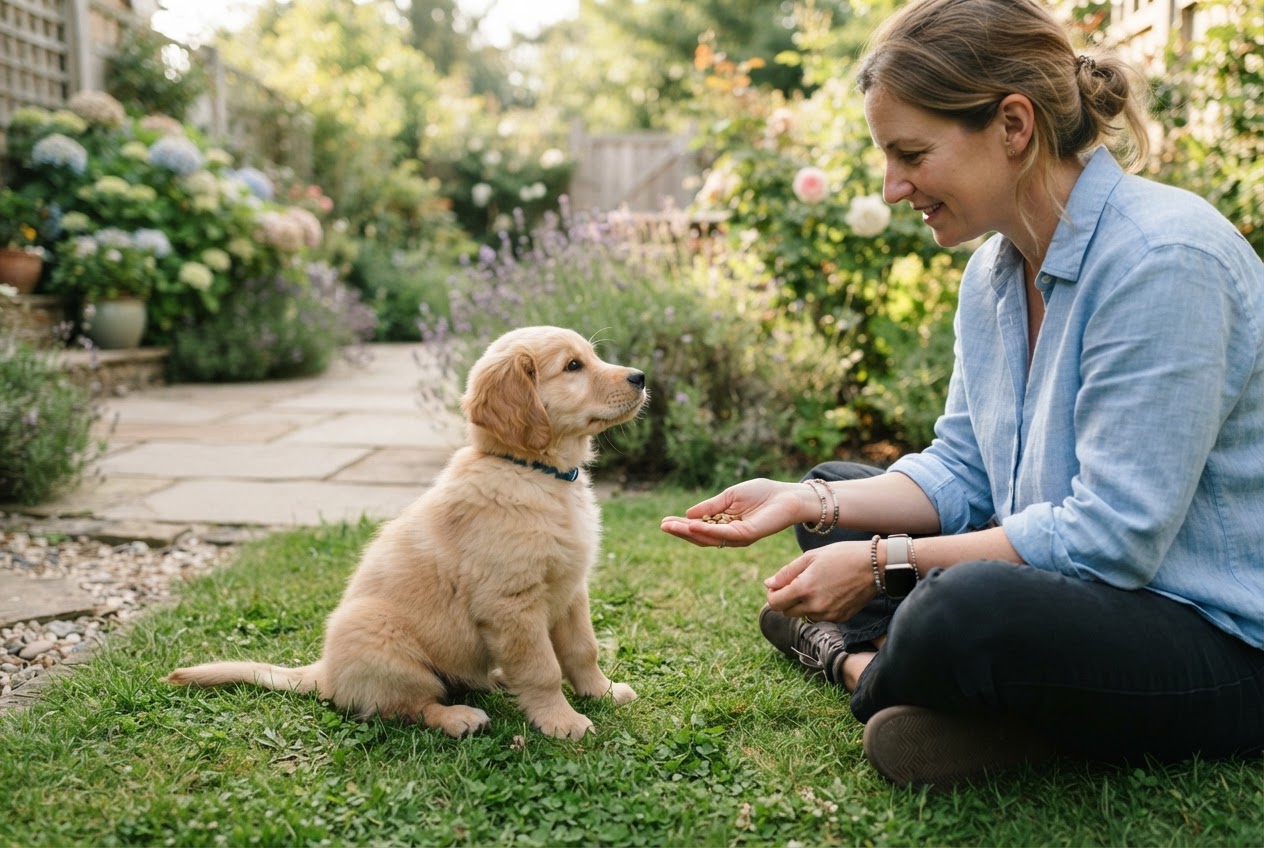
How to Toilet Train a Puppy in 7 Days: A Realistic Fast-Track Plan
You can establish clean toileting habits in seven days by running an intensive management schedule, taking your puppy outside every 30 to 45 minutes, and rewarding outdoor eliminations immediately. While full physiological bladder control takes several months, a structured seven-day reset dramatically reduces accidents and sets up lifelong house-training success.

8 Oct 2026 · 10 min read
How Do Cats Communicate? Vocal, Visual, and Scent Signals
Cats communicate using a subtle, multi-layered system combining vocal sounds, body posture, facial expressions, and chemical scent marking. By understanding how feline signals work together in context, you can accurately interpret your cat's emotional state and strengthen your bond.

7 Oct 2026 · 11 min read
How Long Does It Take to Toilet Train a Puppy? A Realistic Guide
On average, it takes between four and six months for a puppy to become reliably toilet trained, though full consistency can take up to a year. Progress depends heavily on the puppy's age, physical bladder maturity, breed size, and the consistency of their daily routine.
5 Oct 2026 · 13 min read
What Is a Pet Health Plan? Coverage, Costs, and Value
A pet health plan is a monthly subscription run by a veterinary practice that spreads the cost of routine, preventative healthcare such as vaccinations and parasite treatments. It is not insurance and does not cover unexpected illness, injuries, or emergency treatments.

4 Oct 2026 · 12 min read
House Rabbit Care: The Complete Indoor Guide
House rabbit care involves providing a large, predator-safe indoor living space, a high-fibre diet dominated by feeding hay, and companionship from a neutered partner. By thoroughly rabbit-proofing your living areas and monitoring daily digestive health, indoor rabbits can thrive safely alongside your family.

3 Oct 2026 · 10 min read
Cat Body Language: How to Read Your Cat's Subtle Signals
Cat body language is a sophisticated visual communication system relying on subtle shifts in the ears, eyes, tail, whiskers, and overall posture. Because cats are both solitary hunters and prey animals, recognising these understated signals is essential for preventing fear, reducing stress, and building trust.

2 Oct 2026 · 11 min read
How to Toilet Train a Puppy: A Kind, Practical Guide
To toilet train a puppy, take them to a suitable toilet spot frequently, reward them immediately after they finish and prevent accidents through close supervision. Expect gradual progress over weeks to months, with night-time breaks and adjustments for your puppy’s age, health and individual needs.

1 Oct 2026 · 12 min read
How to Crate Train a Puppy: A Kind, Step-by-Step Guide
Teach your puppy to enjoy a crate by rewarding voluntary entry, introducing the closed door for seconds and gradually building comfortable resting time. Stay nearby at first, provide frequent toilet breaks and reduce the difficulty whenever your puppy shows distress.

30 Sept 2026 · 11 min read
Yavru köpek maması: A Complete Guide to Puppy Food
Yavru köpek maması means puppy food: choose a complete diet formulated for growth and suitable for your puppy’s expected adult size. Feed measured meals, adjust portions using weight and body condition, and change foods gradually rather than relying on a universal grams-per-day rule.

30 Sept 2026 · 11 min read
How Long Do Rabbits Live? Lifespan and Healthy Ageing
Pet rabbits usually live for around 8–12 years, although some reach their teens and others die younger. Genetics play a part, but appropriate feeding, spacious housing, rabbit companionship, vaccination and prompt veterinary care all help support a longer, healthier life.

30 Sept 2026 · 11 min read
Dog Training Tips: A Practical Guide to Better Behaviour
The most effective dog training tips are to reward behaviours you want, practise in manageable steps and prevent unwanted habits without frightening or hurting your dog. Short, enjoyable sessions, consistent cues and realistic expectations help puppies and adult dogs learn.