
Petarium Daily · 9 November 2026 · 15 min read
How Much Is a Dog Health Check in the UK?
A routine dog health check in the UK typically costs between £30 and £60, depending on the clinic location and the depth of the examination. Prices will be higher if the visit includes vaccinations, blood tests, or additional diagnostic procedures.
Key takeaways
- Standard clinical consultations usually fall within the £30–£60 range.
- Prices are influenced by regional overheads, vet experience, and specific practice fees.
- Routine health checks are distinct from emergency consultations, which often carry higher premiums.
- Many practices offer health plans that spread the cost of annual check-ups and preventative care.
- Always clarify if a quote includes basic examination fees or additional charges for medication and tests.
What is typically included in a dog health check?
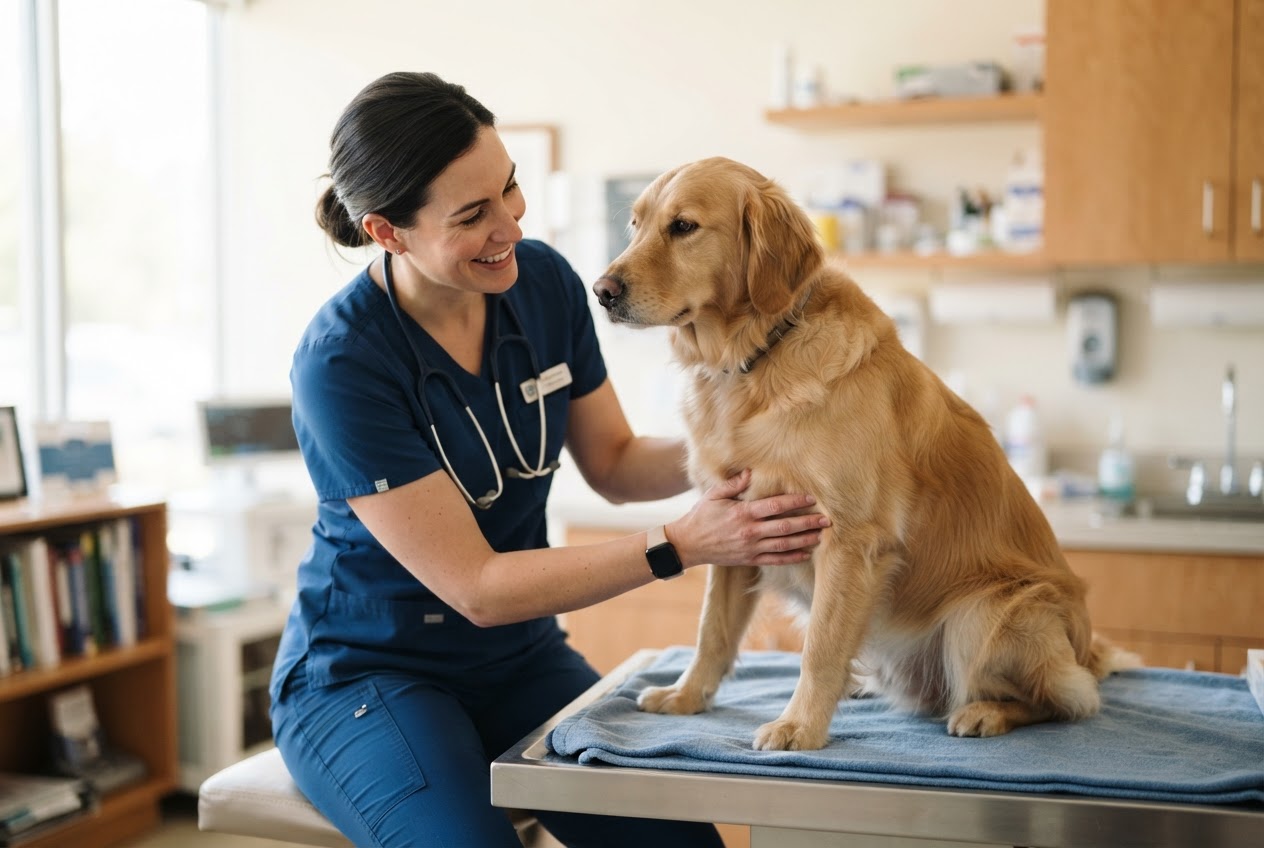
A routine dog health check is a proactive, nose-to-tail physical examination designed to monitor your pet’s well-being and catch potential health issues before they become serious. By performing this systematic assessment, your veterinary surgeon can identify subtle changes in your dog’s physical condition or behaviour that might otherwise go unnoticed at home, allowing for timely intervention or lifestyle adjustments.
The physical examination begins with a comprehensive visual and manual check. Your vet will carefully inspect your dog’s eyes, ears, teeth, and coat for any signs of irritation, infection, or abnormal growths. Assessing the teeth is particularly important, as dental disease is common in many breeds and can lead to systemic health problems if left untreated. The vet will also look for changes in skin condition or coat quality, which can sometimes indicate underlying allergies or nutritional deficiencies.
- Head-to-tail physical inspection including eyes, ears, and oral health
- Cardiac and respiratory auscultation using a stethoscope
- Manual abdominal palpation to detect organ irregularities or pain
- Accurate weight measurement and body condition score assessment
- Review of current vaccination status and parasite prevention protocols
Using a stethoscope, your veterinary surgeon will listen closely to your dog’s heart and lungs. This cardiac and respiratory assessment is essential for detecting murmurs, arrhythmias, or abnormal breathing patterns that might require further investigation. Alongside this, your vet will perform abdominal palpation, which involves feeling the dog’s belly to check for any tenderness, unusual lumps, or fluid. This manual check is a vital part of preventative care, helping to rule out internal abnormalities.
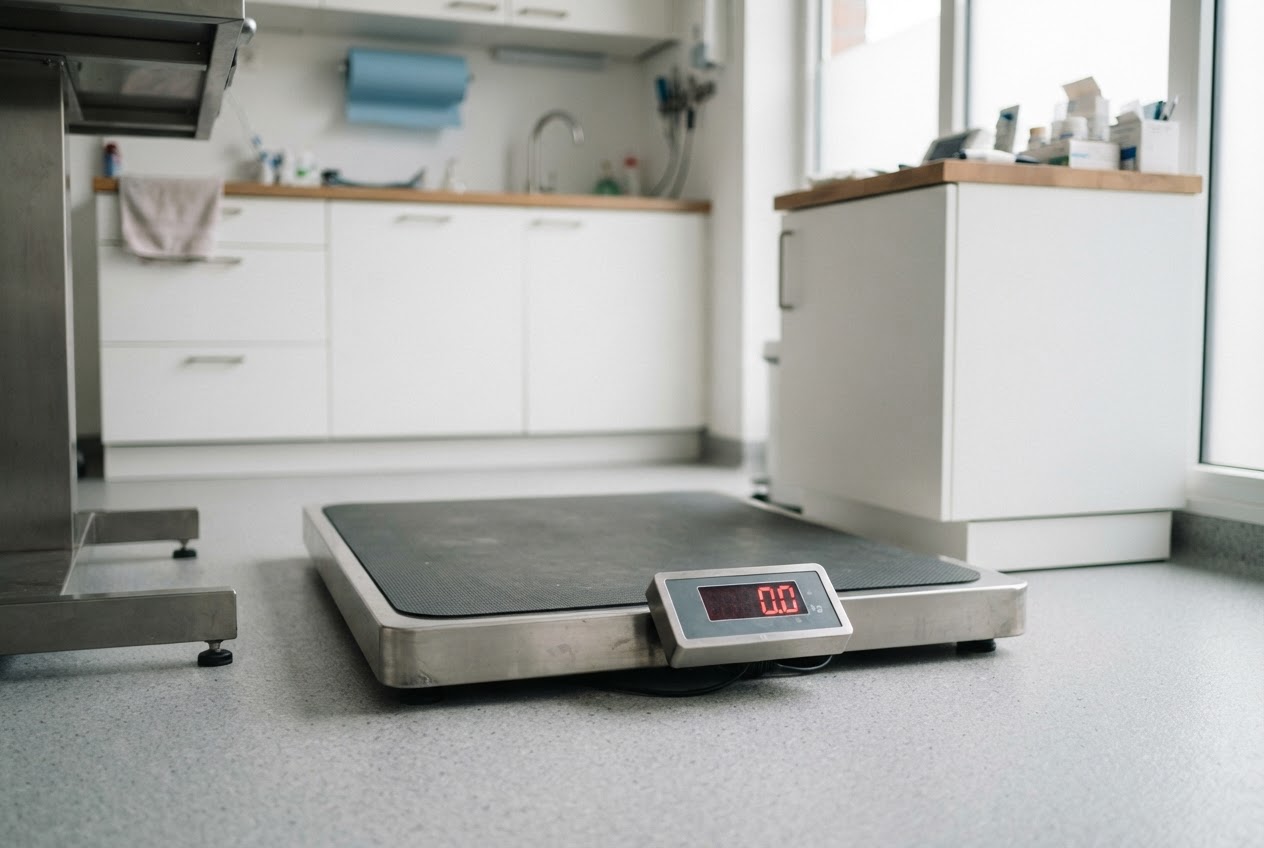
Weight recording and body condition scoring are standard features of any healthy check-up. Rather than just relying on the scales, your vet will assess your dog against a standard body condition chart to determine if they are maintaining a healthy weight, which is crucial for joint health and longevity. They will likely discuss your dog’s current diet and lifestyle, providing tailored advice to ensure your pet stays within a healthy range for their age and breed.
Finally, the consultation typically concludes with a review of your dog’s preventative care routine. This includes discussing parasite control, such as flea, tick, and worming treatments, which are essential for year-round protection. Your vet will ensure your dog’s vaccinations are up to date and can offer guidance on any breed-specific health concerns, such as monitoring for signs of senior dog care needs as your companion ages.
What factors influence the cost of a veterinary check-up?
Veterinary consultation fees are rarely standardised across the UK, reflecting the diverse operational costs and service models involved in running a modern practice. Several variables influence your final bill, from the geographic location of your clinic to the specific level of expertise and time required for your dog’s appointment.
One primary driver of price is regional overheads. Practices situated in major cities or the South East often face significantly higher rental costs, commercial business rates, and staff salaries compared to those in more rural areas. Because veterinary businesses must adjust their pricing structures to cover these distinct fixed expenses—which also include expensive medical equipment and insurance—you will often see meaningful price differences even for identical routine services when travelling between counties.
| Cost Factor | Typical Impact | Key Consideration for Owners |
|---|---|---|
| Regional Location | Higher in cities/SE | Urban rents and staff costs are passed down to the client. |
| Time of Booking | High surcharge | Out-of-hours appointments cover emergency staff availability. |
| Vaccination Bundles | Reduced unit cost | Packages often save money compared to separate pay-as-you-go visits. |
| Practice Ownership | Variable | Corporate groups may use standard pricing; independents set local rates. |
The purpose and timing of your visit also dictate the fee. A standard routine health check is priced quite differently from a specialist consultation for a chronic condition or a complex diagnostic work-up. If you book an appointment outside of standard operating hours, you will almost certainly incur a significant premium surcharge to cover the logistics of emergency staffing. Furthermore, always confirm what the quoted "consultation fee" includes: some clinics isolate the physical exam as a single line item, while others may include or discount annual vaccinations if booked simultaneously.
Finally, the ownership structure of the practice affects pricing. Large corporate veterinary groups often operate with centralised pricing models and may offer membership schemes to help owners spread the costs of annual care. Conversely, independent clinics usually set their own rates based on their specific facilities, local client needs, and internal overheads. Many owners find value in subscription-based services—see our article on what is a pet health plan for more details—though it is vital to read the fine print of any contract to ensure it provides the specific preventative coverage your dog needs.
Are there low-cost options for routine veterinary care?
Managing the cost of veterinary care requires planning, but there are several pathways available for those seeking affordable preventative health services. While you should never compromise on essential care, exploring structured payment options and identifying charitable support can help make routine maintenance more accessible without sacrificing your dog's welfare.
Most private veterinary practices now offer monthly health plans, often marketed as wellness or preventative care packages. These schemes typically require a fixed monthly direct debit, which covers annual core vaccinations, parasite treatments, and a standard health check-up. By spreading the cost throughout the year, you avoid a single large bill during annual appointments, allowing for more predictable household budgeting. Always review the specific exclusions in these plans to ensure you understand which services remain chargeable.
- 1
Review Practice Membership Schemes
Ask your current veterinary practice for details on their monthly wellness plans. Compare the total annual cost of the plan against paying for individual services like vaccinations and flea treatments to see if you achieve genuine savings.
- 2
Check Eligibility for Charitable Support
If you are on benefits, search for local animal welfare charities that offer low-cost or subsidised veterinary services. Always verify their current catchment area and income-based requirements before attempting to register.
- 3
Initiate Financial Discussions Early
Always ask for a written estimate before approving any diagnostic work or treatment. If the cost is higher than you can manage, ask your vet if there are alternative diagnostic pathways or if a treatment plan can be phased to manage costs over time.
- 4
Prioritise Preventative Appointments
Regular health checks are the most cost-effective way to manage a dog's health because early detection often prevents expensive, complex treatments later. Keep these routine appointments a financial priority, even when household budgets are tight.
If you are currently receiving specific means-tested state benefits, you may qualify for subsidised veterinary care through major national animal charities. These organisations operate clinics designed to provide essential treatment to households in financial hardship. It is vital to note that these services are generally reserved for routine care or urgent treatment where the owner cannot afford private practice fees, and they often require proof of eligibility. You should contact your local charity branch well before an issue arises to understand their specific registration criteria.
Communication is your most valuable tool when managing veterinary expenses. If you are worried about the cost of a procedure, speak with your veterinary team before the consultation begins. Vets prefer to discuss treatment options and financial constraints upfront, as it allows them to prioritise the most critical diagnostic steps while keeping within your budget. Being transparent prevents the stress of unexpected invoices and helps the practice suggest effective, yet affordable, management plans.
Finally, it is essential to distinguish clearly between routine preventative check-ups and emergency care. While charity-supported clinics are excellent for the former, they are not always equipped for advanced diagnostic investigations or complex surgeries. For emergencies, such as concerns regarding Bloat (GDV) in Dogs, you must seek immediate care at the nearest available facility regardless of cost. Preventive planning ensures you have funds or insurance coverage prioritised for these urgent, life-saving moments.
How often should my dog have a health check?
For the majority of adult dogs, an annual veterinary health check is the standard recommendation. These yearly appointments serve as a vital baseline, allowing your veterinarian to monitor your dog's long-term health and identify subtle physiological changes or emerging issues before they escalate into more complex conditions. Regular, scheduled visits ensure that your dog’s preventative care remains up-to-date and tailored to their specific lifestyle.
Puppies follow a different, more frequent schedule during their first year of life. They require a series of appointments, typically spaced several weeks apart, to complete their primary vaccination course. During this critical developmental period, these visits are not solely for injections; they also provide an opportunity for the vet to monitor growth, check for congenital abnormalities, and offer guidance on parasite control and socialisation. Consult your [daily/how-to-crate-train-a-puppy-a-kind-step-by-step-guide] if you are adjusting to a new puppy routine.
As dogs enter their senior years, which is generally considered to be around seven or eight years of age, their health needs often change. Veterinarians frequently recommend shifting to bi-annual examinations for older pets. More frequent checks allow for closer monitoring of age-related conditions, such as osteoarthritis, declining organ function, or subtle changes in weight and coat condition. Proactive care is essential for maintaining comfort and quality of life in your ageing companion, as outlined in our advice on [health/senior-dog-care].
Consistency remains the cornerstone of preventative veterinary medicine regardless of age. By attending check-ups at the recommended frequency, you create a longitudinal record of your dog’s health. This history is invaluable, as it enables your vet to spot trends in weight, heart health, or dental status that might not be obvious during a single, isolated visit. Remember that preventative appointments are distinct from urgent care; if you notice sudden changes in behaviour, appetite, or mobility, do not wait for the next scheduled appointment to seek professional advice.

When should I schedule an urgent veterinary appointment?
While routine health checks are vital for long-term monitoring, certain signs indicate that your dog needs an immediate veterinary consultation. Acting promptly can significantly improve outcomes for acute conditions. If your dog exhibits sudden changes in demeanour or physical health, do not wait for a scheduled appointment or ‘see how they go’ overnight; call your vet practice immediately for guidance on whether you need an emergency slot.
Sudden shifts in behaviour or bodily functions often signal that something is wrong. Watch for abrupt changes in appetite, excessive thirst, or profound lethargy that prevents your dog from rising or interacting as normal. While these can sometimes be mild, they are also early warning signs for internal illness that require professional assessment, rather than a routine check-up.
Illustrative Emergency Veterinary Care Planning
Acute distress requires urgent intervention. Signs such as difficulty breathing, sudden collapse, seizures, or persistent, non-productive retching—which can be associated with bloat—are critical emergencies. Any visible, profuse bleeding, deep wounds, or clear evidence of intense pain, such as whimpering when touched or an inability to stand or walk, must be treated as a priority case.
Recognise that an urgent or out-of-hours emergency consultation is fundamentally different from a standard, preventative health check. These appointments are designed to stabilise a patient rather than provide a holistic physical exam. Consequently, you should expect significantly different pricing structures, as these services often involve out-of-hours surcharges, immediate diagnostic tests, and critical care medication, which are not covered by standard vaccination or check-up fees.
When in doubt, use a digital symptom checker or contact your clinic’s reception desk. Describe the specific symptoms clearly so staff can triage your dog appropriately. If you cannot reach your regular vet, they will typically have an automated message directing you to the nearest emergency provider. Never assume minor symptoms will resolve themselves without professional advice.
How can I prepare my dog for a physical examination?
Preparing for a veterinary health check involves more than simply arriving at the clinic on time; it requires creating a foundation of trust and calm for your dog well before the appointment. By desensitising your pet to routine handling and maintaining a relaxed atmosphere, you help ensure the veterinary team can perform an accurate assessment without unnecessary stress.
A fundamental way to prepare is by practising 'vet-style' handling at home. Regularly and gently touching your dog’s paws, ears, mouth, and tail builds tolerance for these essential checks. If your dog is comfortable with these sensations in a relaxed environment, they are much less likely to pull away or react negatively when a veterinarian needs to examine these areas to assess their physical health.
During the journey and arrival, keep your dog secured on a lead or in a suitable carrier. This simple step prevents accidents in busy waiting rooms and ensures your dog feels physically supported. If your dog is particularly anxious, keeping them in the car until the appointment time can reduce exposure to other pets and loud noises, which helps keep their cortisol levels lower before they even enter the exam room.
Before you head to the clinic, take time to jot down observations regarding your dog’s behaviour or appetite changes at home. It is easy to forget specific details during the appointment, but clear notes are invaluable for the vet's clinical history. For example, mention if you have noticed changes in water intake, energy levels, or any specific quirks during grooming that might warrant investigation.
Finally, maintain a calm routine in the hours leading up to the visit. An excited or over-stimulated dog will have elevated respiratory and heart rates, which can interfere with the accuracy of the physical examination. Avoiding high-intensity exercise or stressful interactions just before the appointment ensures that vital readings are representative of your dog’s baseline health.
Are annual check-ups covered by pet insurance?
In the United Kingdom, most standard pet insurance policies are designed to act as a financial safety net for unexpected events, rather than a budget plan for routine maintenance. Consequently, you will find that a routine annual health check for your dog is rarely covered by standard insurance products, as preventative care is generally considered a fundamental responsibility of pet ownership.
The vast majority of insurance policies focus exclusively on covering accidents, injuries, or illnesses that arise suddenly. Insurers typically calculate premiums based on the risk of these unforeseen veterinary expenses occurring. Because annual health checks, dental assessments, and physical examinations are predictable, routine costs, they are categorised as non-insured expenses. This separation ensures that insurance premiums remain focused on the potential costs of major medical crises rather than the day-to-day management of your dog's wellbeing.
It is important to remember that core preventative measures—such as annual vaccinations, routine flea and worming treatments, and microchipping—are also outside the scope of most standard policies. You should review your specific policy document carefully, looking for terms like 'wellness', 'preventative', or 'routine care' add-ons. While some insurers do offer these as supplementary packages, they often come with an additional monthly premium cost. Always calculate whether the cost of these add-ons is truly cheaper than paying for the services individually at your local clinic.
Understanding this distinction helps you budget more effectively for your dog's care. If your goal is to spread the cost of routine visits, rather than mitigate the risk of a high vet bill, you might find more value in a veterinary health plan rather than an insurance policy. These plans, often managed directly by veterinary practices, differ significantly from insurance and are designed specifically for spreading the cost of preventative care throughout the year, as discussed in our guide on what is a pet health plan.
Finally, maintaining a rigorous schedule of preventative care is essential for your dog's long-term health, especially as they enter their later years, as noted in our guidance on caring for a senior dog. Even if insurance does not cover the check-up itself, keep in mind that consistent attendance at these appointments can often lead to the early detection of issues, potentially preventing expensive, non-routine treatments later on.
The Difference Between Insurance and Health Plans
It is common to conflate pet insurance with veterinary health plans, but they serve distinct purposes. Insurance is designed to mitigate the financial impact of unpredictable, expensive medical emergencies. In contrast, health plans are structured subscription agreements between you and your veterinary clinic that bundle routine services like vaccinations and parasite control into a monthly direct debit. They are not insurance and do not cover illnesses or accidents, but they provide a practical way to manage predictable annual costs.
Checking Your Policy Terms
Before assuming your vet visit costs are covered, verify your documentation for exclusions. Look specifically at the 'General Exclusions' section of your policy. Almost all insurers will explicitly state that 'routine examinations' and 'preventative medication' are not covered. If you have purchased a policy that includes a 'wellness' benefit, verify exactly which procedures it covers, as there are often strict caps or specific lists of included services that may not extend to every aspect of a full health check-up.
Frequently asked questions
Do puppy health checks cost more than adult ones?
Puppy appointments are often bundled with initial vaccination courses, which may make the initial price seem higher than a standalone adult check-up. These packages usually include multiple visits and vital advice, which represents good value for the total care provided during the puppy's first few months.
Is a health check the same as a consultation?
A health check is a specific type of consultation focused on preventative care and monitoring. A general consultation is often booked to investigate a specific symptom or concern. While they both involve an examination, their purpose and duration can differ significantly.
Do I need an appointment for a weight check?
Most practices require an appointment for weight checks, though some offer nurse-led weight clinics. It is always best to call ahead, as these nurse clinics are often an efficient way to manage your dog’s body condition without the cost of a full vet consultation.
What if I cannot afford a veterinary health check?
If you are struggling with costs, speak to your local clinic immediately. Many vets can offer payment plans or advice on local resources. If you are in receipt of certain benefits, you may qualify for assistance from major animal welfare charities that provide low-cost veterinary care.
Do charities provide free health checks?
Charities do not typically provide free services for everyone. They primarily support pet owners who meet specific criteria, such as those on means-tested benefits. You should check the eligibility requirements on the websites of national animal welfare organisations if you require financial support.
Does the breed of my dog affect the cost?
The breed itself does not usually change the cost of a standard health check. However, some breeds are more prone to specific health conditions that might require extra screening or diagnostics during the check, which could increase the final bill depending on what the vet recommends.
Sources and further reading
- RCVS — guidance library — RCVS
- Help with vet bills — PDSA
- Blue Cross — guidance library — Blue Cross
- Looking after your dog — RSPCA
- BVA — guidance library — BVA
More from Petarium Daily
- Does Cat Behaviour Change After Spaying? What Owners Expect
Spaying often leads to a reduction in mating-related behaviours like yowling and roaming, though a cat’s core personality typically remains unchanged. Owners should expect a temporary period of recovery where behaviour may differ due to pain or stress before their cat returns to normal.
- How to Care for Newborn Rabbits: Complete Kit Care Guide
Caring for newborn rabbits (kits) primarily involves supporting the mother rabbit, maintaining a warm and clean nest, and checking kits daily without causing distress. Mother rabbits naturally nurse only once or twice in twenty-four hours for just a few minutes, so apparent absence is normal behaviour rather than abandonment.
- What Dog Breed Has the Least Health Problems? A Vet Guide
Statistically, medium-sized crossbreeds and working dogs with moderate physical features suffer the fewest inherited health problems. Among pedigree dogs, breeds such as the Australian Cattle Dog, Border Collie, Whippet, and Brittany consistently report lower veterinary intervention rates and longer average lifespans.