
Senior pets
Caring for a Senior Dog: Comfort, Checks and Quality of Life
What changes as dogs age, which checks catch problems early, and how to judge quality of life honestly.
When is a dog 'senior'?
Small breeds are often senior from around ten; giant breeds from six or seven. Ageing brings stiffer joints, cloudier eyes, changing sleep patterns and sometimes confusion, but old age itself is not a disease, and much of it can be managed.
Checks that catch problems early
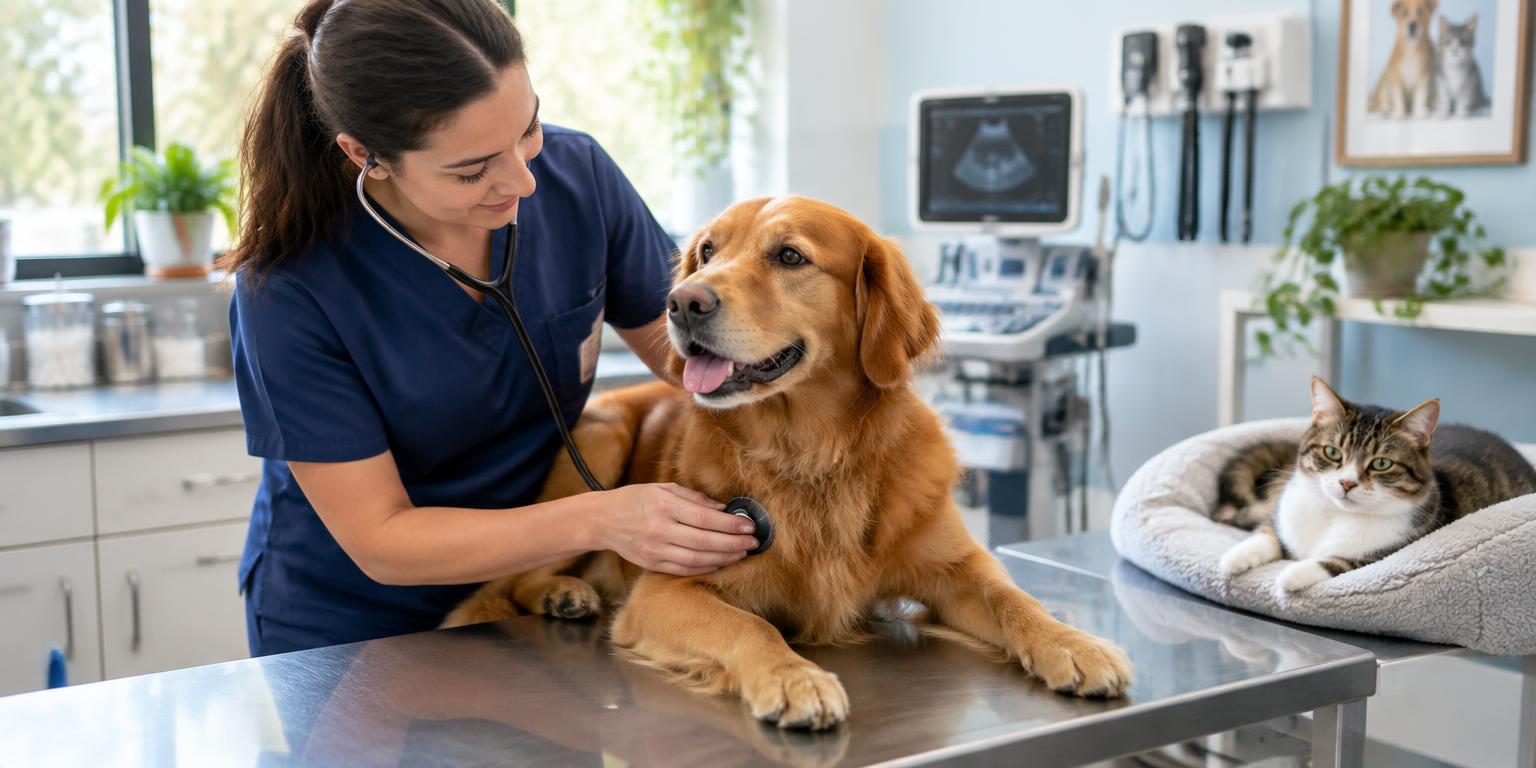
Twice-yearly vet visits are worthwhile in senior dogs, because six months is a long time in an old dog's life.
- Blood and urine tests screen for kidney, liver and thyroid disease before signs show
- Blood pressure checks protect eyes, kidneys and the heart
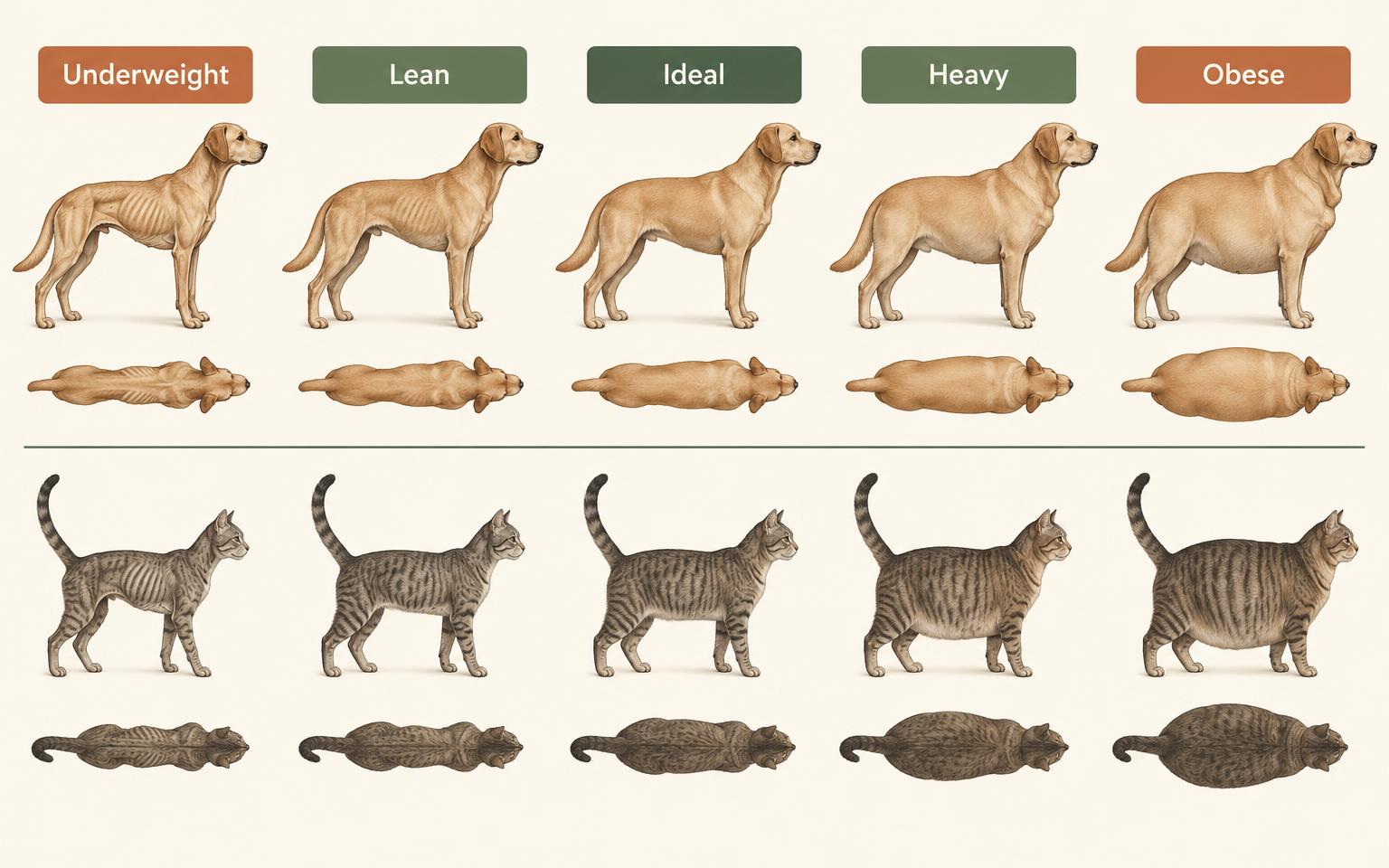
- Regular weigh-ins catch both weight gain and unexplained loss
Comfort at home
Non-slip flooring, a supportive orthopaedic bed, ramps for steps and cars, and raised bowls for stiff necks all reduce daily strain. Keep walks shorter but regular; movement preserves muscle and joint health.
Judging quality of life
Track the things your dog has always loved: eating, greeting you, walks, play. When the bad days outnumber the good, or pain cannot be controlled, ask your vet for an honest quality-of-life discussion. Keeping a simple daily diary makes the trend clearer than memory does.
Frequently asked questions
- My old dog seems confused at night. Is that dementia?
- Possibly. Canine cognitive dysfunction causes night-time restlessness, staring, getting stuck in corners and house-training lapses. It is manageable, especially when caught early, so mention it to your vet rather than assuming it is just old age.
- Should I still vaccinate my senior dog?
- Usually yes, though your vet may adjust the schedule based on health and lifestyle. Older immune systems still benefit from protection.
References
- PDSA: Caring for older dogs — https://www.pdsa.org.uk/pet-help-and-advice/pet-health-hub/condition/caring-for-older-dogs