
Training
Training & Learning
Humane, evidence-based training built on positive reinforcement and cooperative care.
Part of the vet content hub — health, nutrition and training together. Got a specific question? Ask the AI veterinary assistant.
All Training & Learning articles
17 articles
 Method
Positive Reinforcement Training: How and Why It Works
The evidence behind reward-based training, and why aversive methods carry documented welfare and safety risks.
Petarium Editorial · 3 min read · Updated 2026-10-07
 Dog training
Teaching a Reliable Recall
Recall is the most valuable behaviour you will ever teach, and the one most commonly poisoned by accident.
Petarium Editorial · 5 min read · Updated 2026-10-19
 Handling
Cooperative Care: Making Vet Visits and Grooming Easier
Teaching animals to participate willingly in their own care reduces stress, injury and the need for sedation.
Petarium Editorial · 3 min read · Updated 2026-10-19
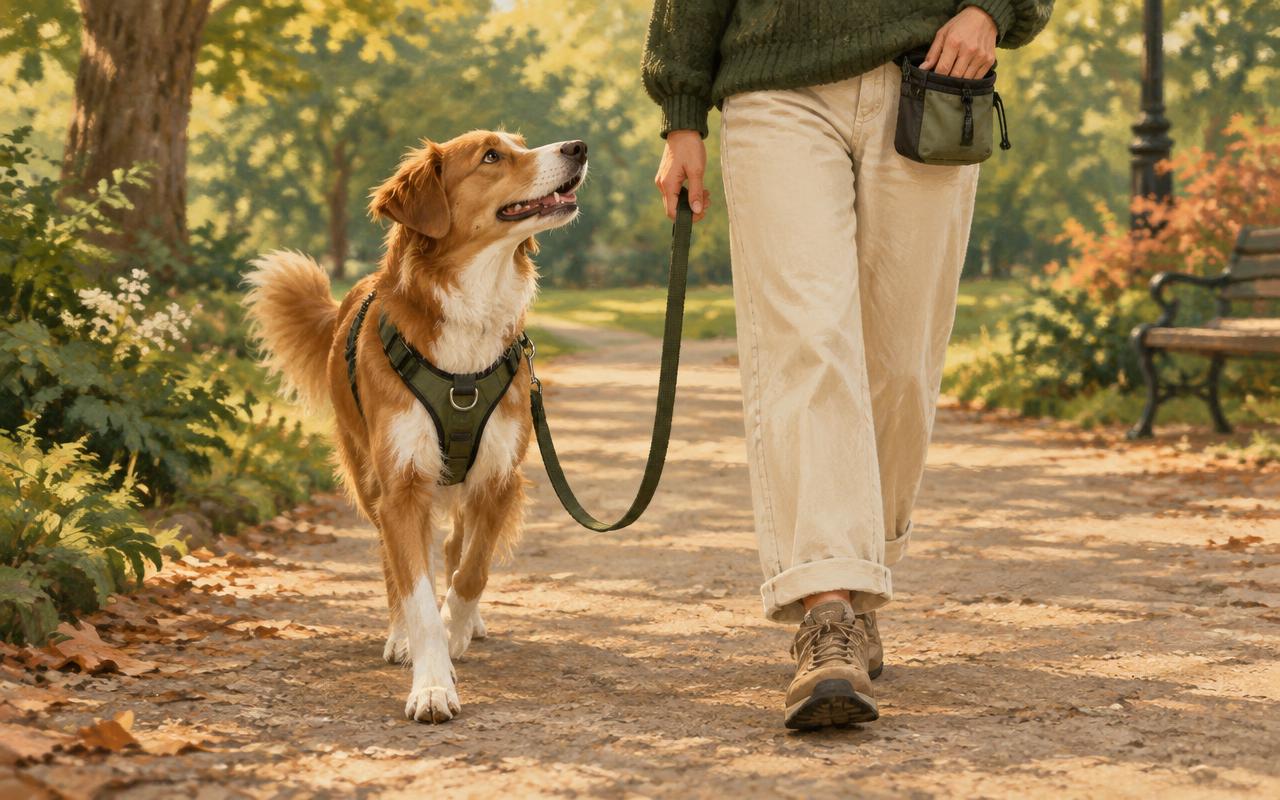 Foundation skills
Teaching Loose-Lead Walking Without a Tug-of-War
Why pulling is self-rewarding by default, and the step-by-step approach that makes a loose lead the easiest option for the dog.
Petarium Editorial · 3 min read · Updated 2026-10-07
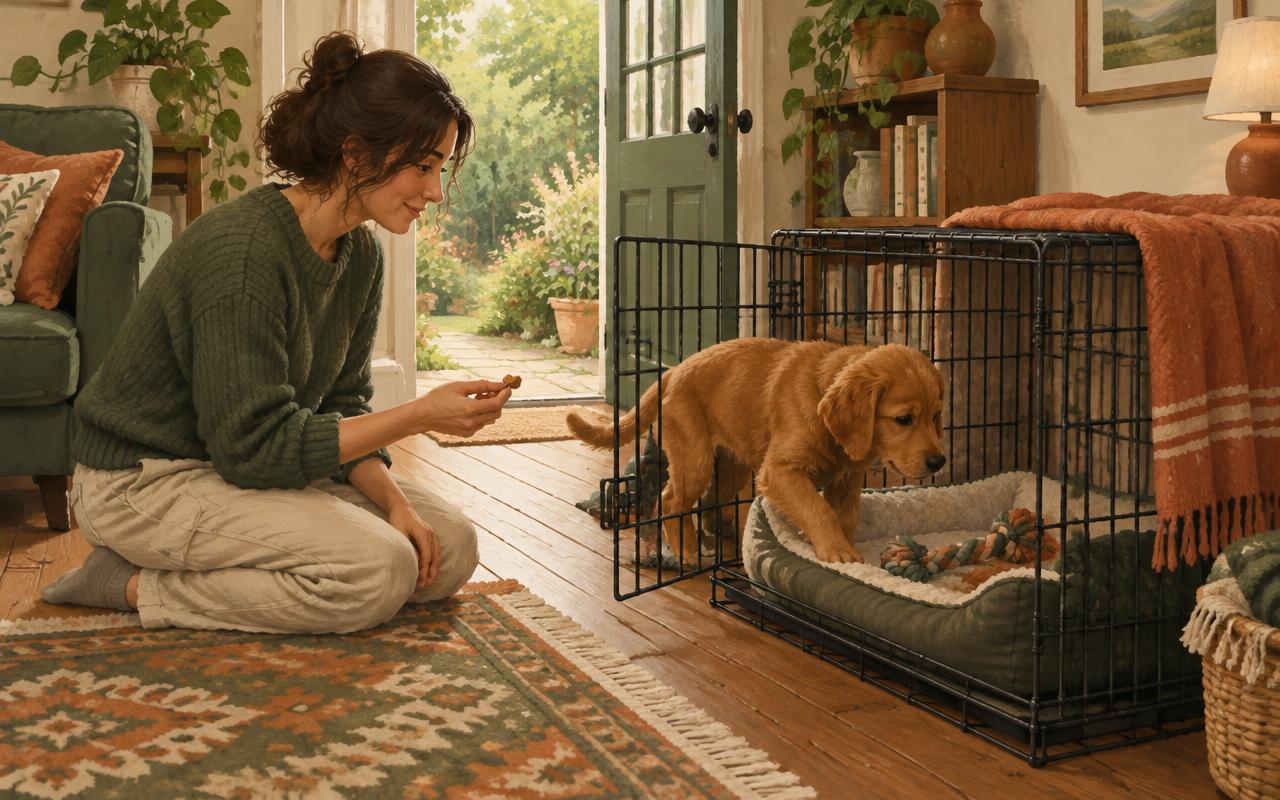 Puppy training
House-Training a Puppy: A Realistic Timeline
What actually predicts success — a schedule, supervision and generous reinforcement — rather than any single product or trick.
Petarium Editorial · 3 min read · Updated 2026-10-07
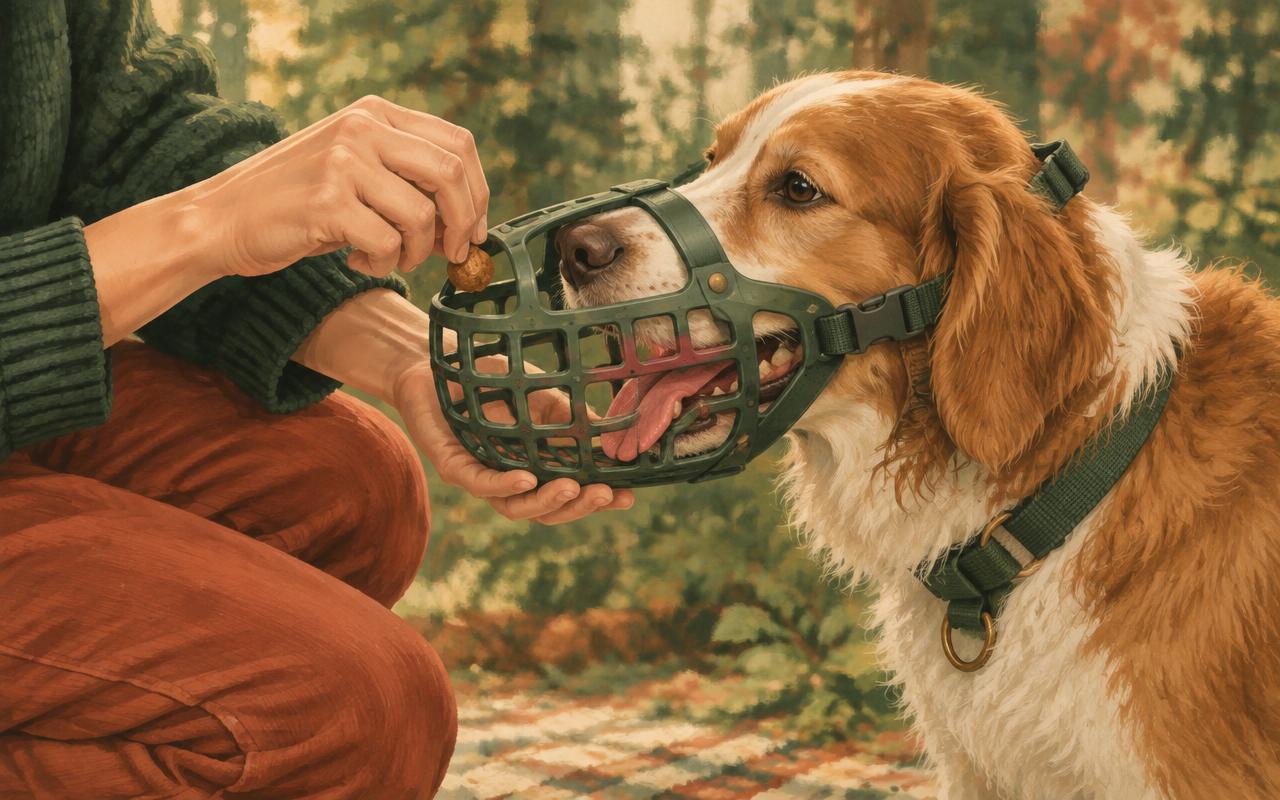 Cooperative care
Muzzle Training: Removing the Stigma and Doing It Kindly
A muzzle is a safety tool, not a verdict on a dog's character — and how to introduce one so the dog is comfortable wearing it.
Petarium Editorial · 4 min read · Updated 2026-10-07
 Foundation skills
Impulse Control Games That Make Everyday Life Easier
Simple, short games that teach a dog to offer calm behaviour instead of grabbing, jumping or barging — without any corrections.
Petarium Editorial · 3 min read · Updated 2026-10-07
 Foundation skills
Teaching a Recall That Works When It Matters
A step-by-step reward-based plan for building a recall that holds up against squirrels, other dogs and open fields — and the habits that quietly destroy one.
Petarium Editorial · 3 min read · Updated 2026-10-21
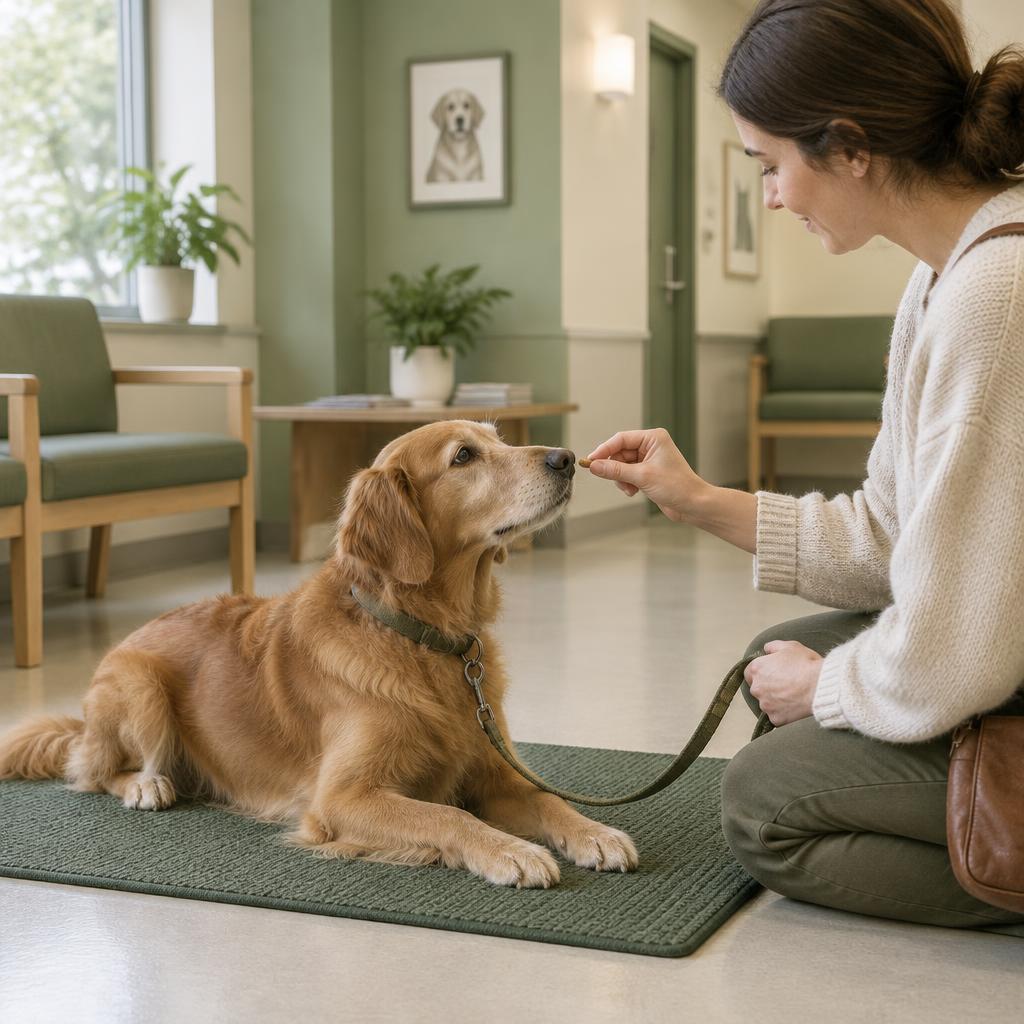 Handling and care
Low-Stress Vet Visits: Preparing Dogs and Cats for the Clinic
Carrier training, practice handling and small choices on the day make vet visits safer and less frightening for pets and people.
Petarium Editorial · 4 min read · Updated 2026-10-07
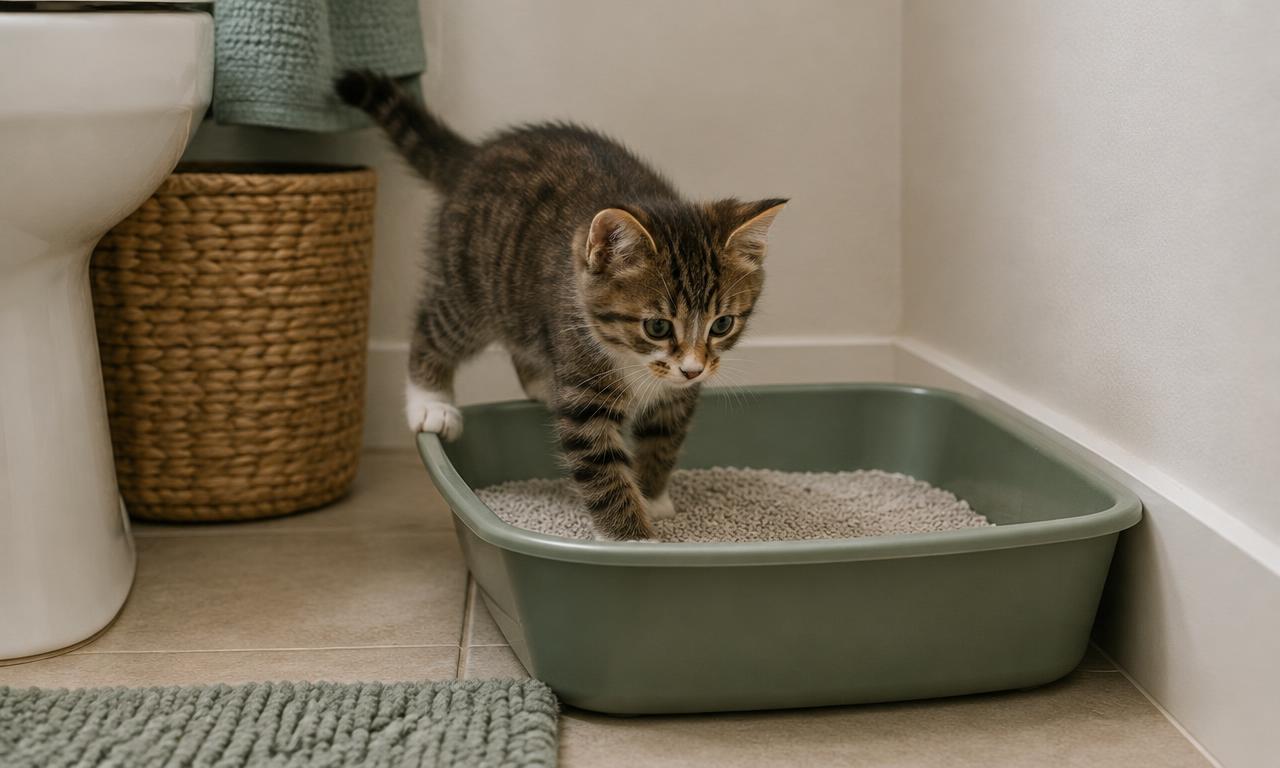 Cats
Litter Training Kittens and Solving Common Problems
Most kittens use a tray instinctively — but the setup decides whether they keep using it. How to get it right from the start and fix lapses.
Petarium Editorial · 3 min read · Updated 2026-10-07
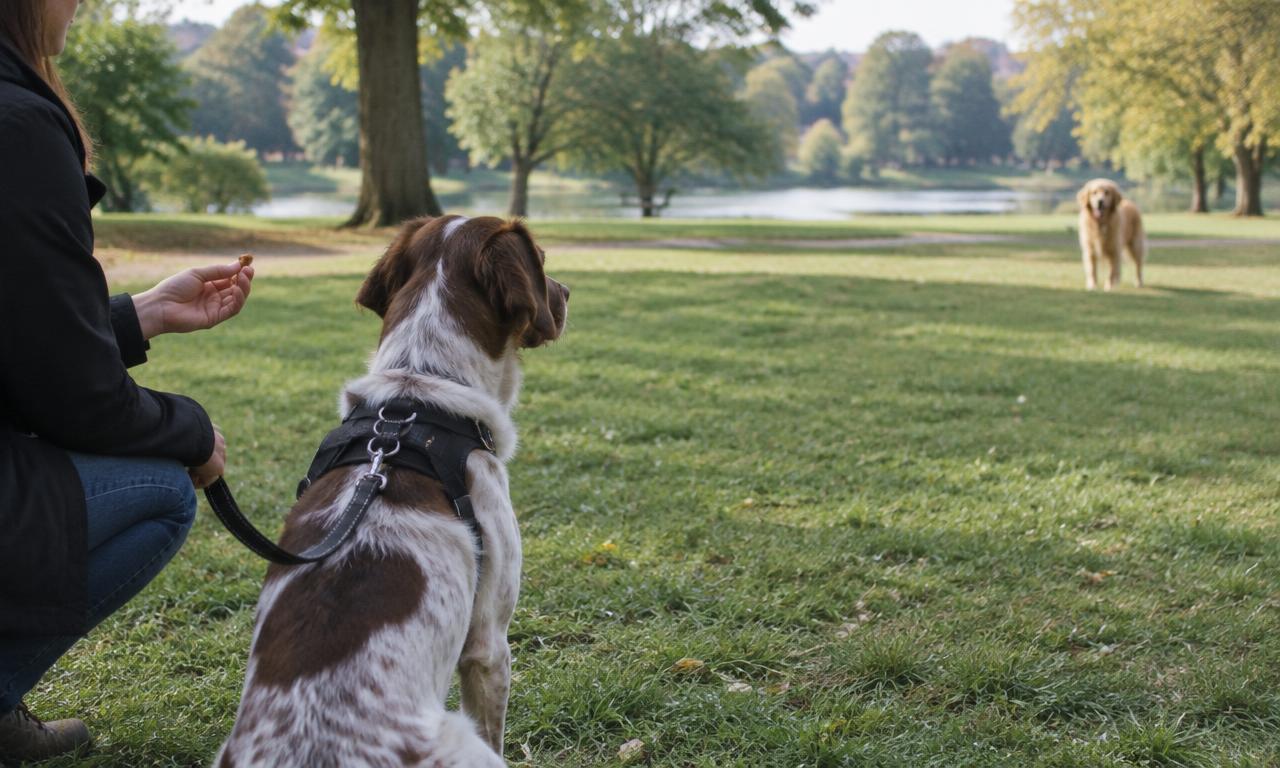 Behaviour problems
Lead Reactivity: Helping a Dog Who Barks and Lunges on Walks
Why some dogs react to other dogs or people on the lead, and a calm, reward-based plan to improve it.
Petarium Editorial · 4 min read · Updated 2026-10-07
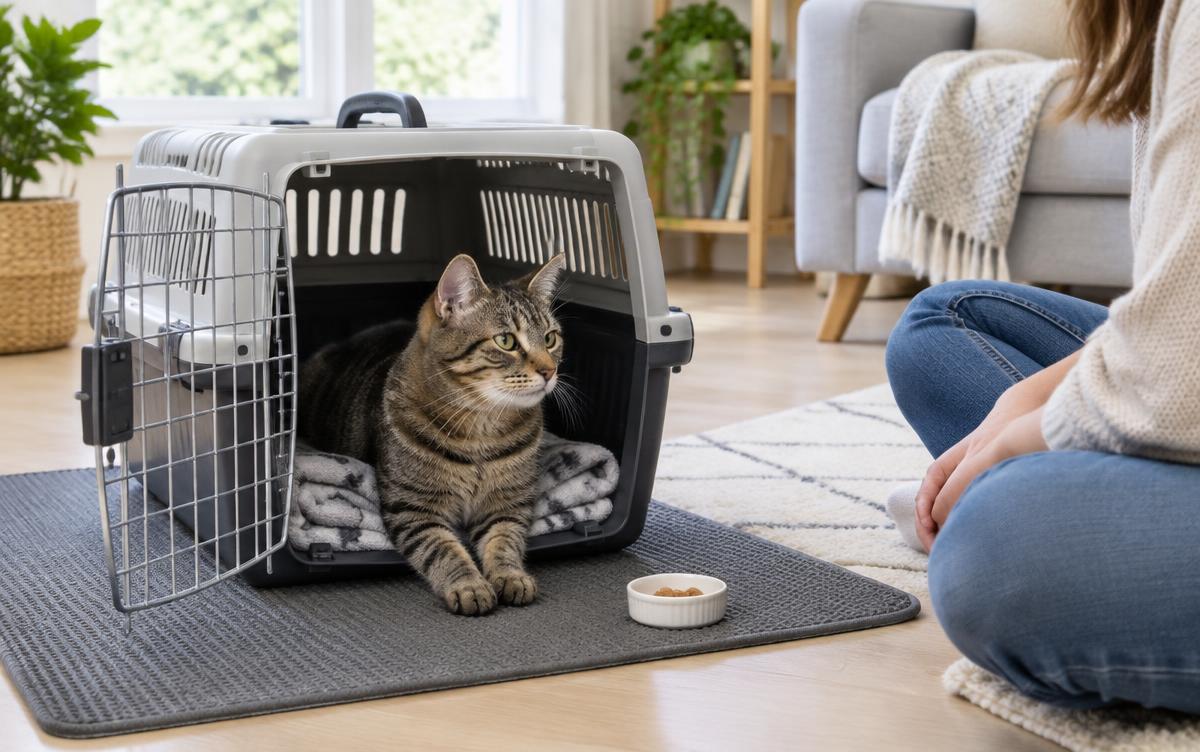 Handling
Carrier Training for Cats: Making Vet Trips Easier
Teach your cat to walk into the carrier calmly with a slow, reward-based plan.
Petarium Editorial · 3 min read · Updated 2026-10-07
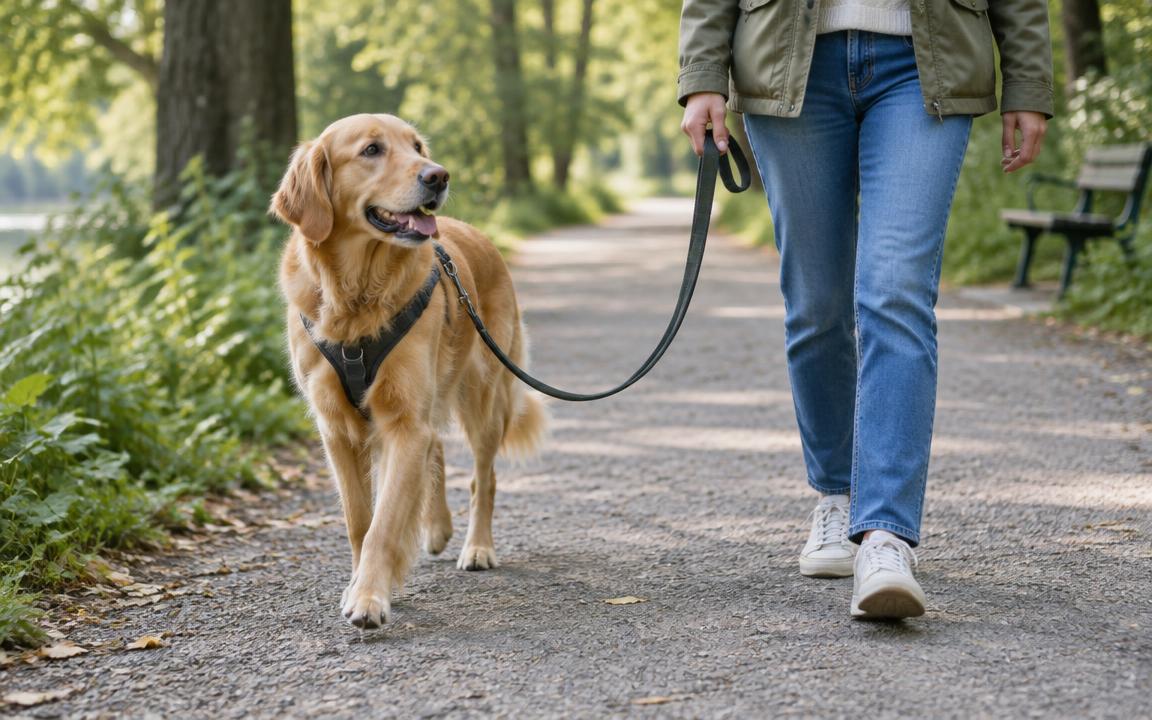 Everyday manners
Loose-Lead Walking: The Basics
Reward-based steps to stop pulling on the lead, without harsh equipment.
Petarium Editorial · 4 min read · Updated 2026-10-15
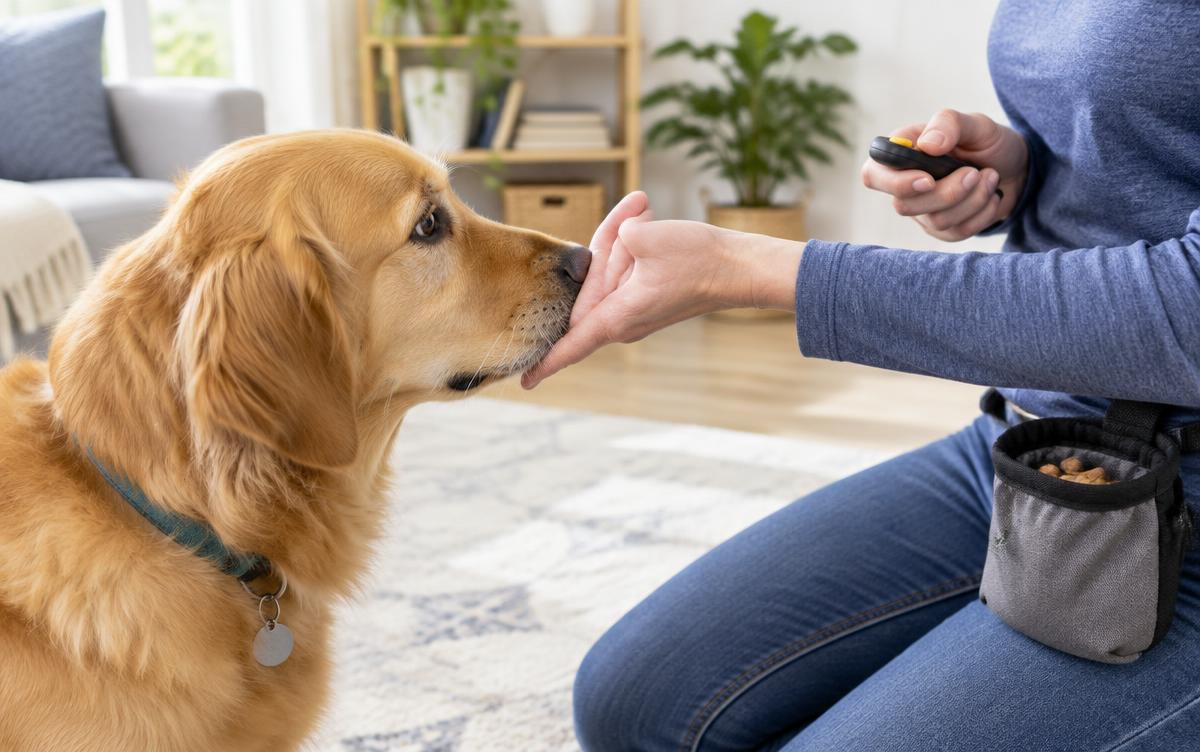 Foundations
Clicker Training Basics for Any Pet
How marker training works, how to charge a clicker and teach your first behaviours with dogs, cats, rabbits and parrots.
Petarium Editorial · 3 min read · Updated 2026-10-07
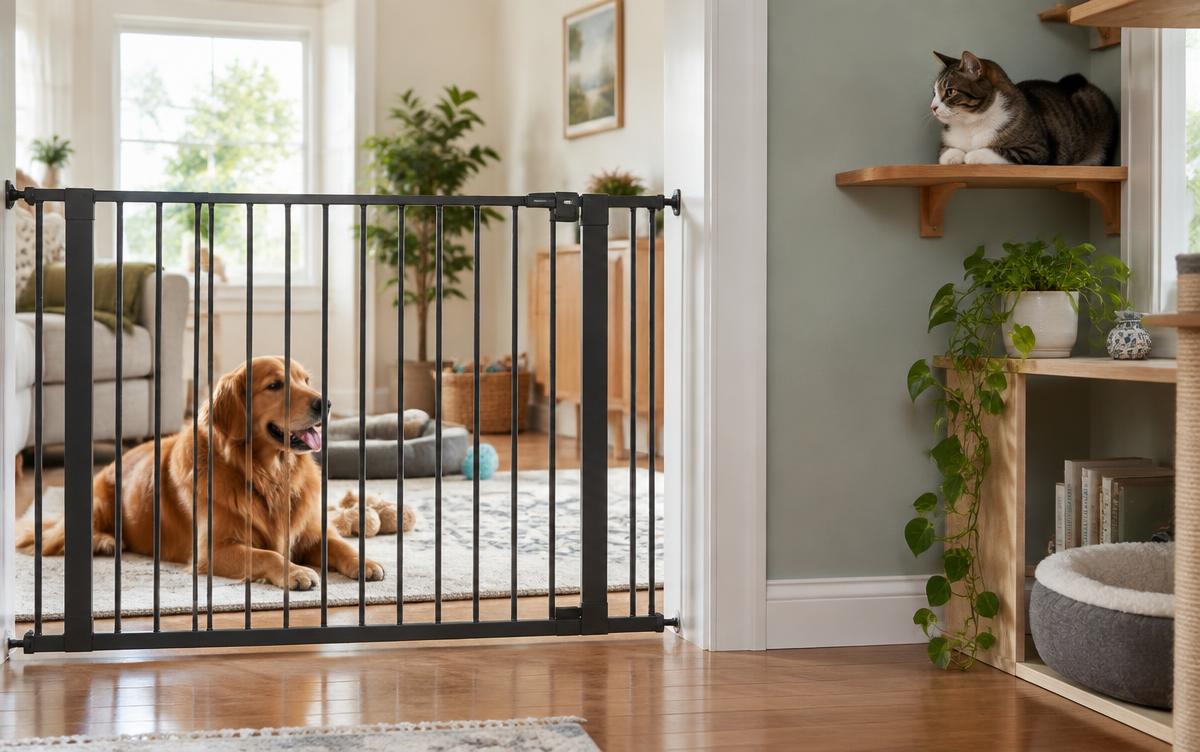 Household safety
Multi-Species Homes: Safe Boundaries Before Training
Design separate spaces, manage predator–prey risks and reward calm behaviour without forcing pets to become friends.
Petarium Editorial · 3 min read · Updated 2026-10-07
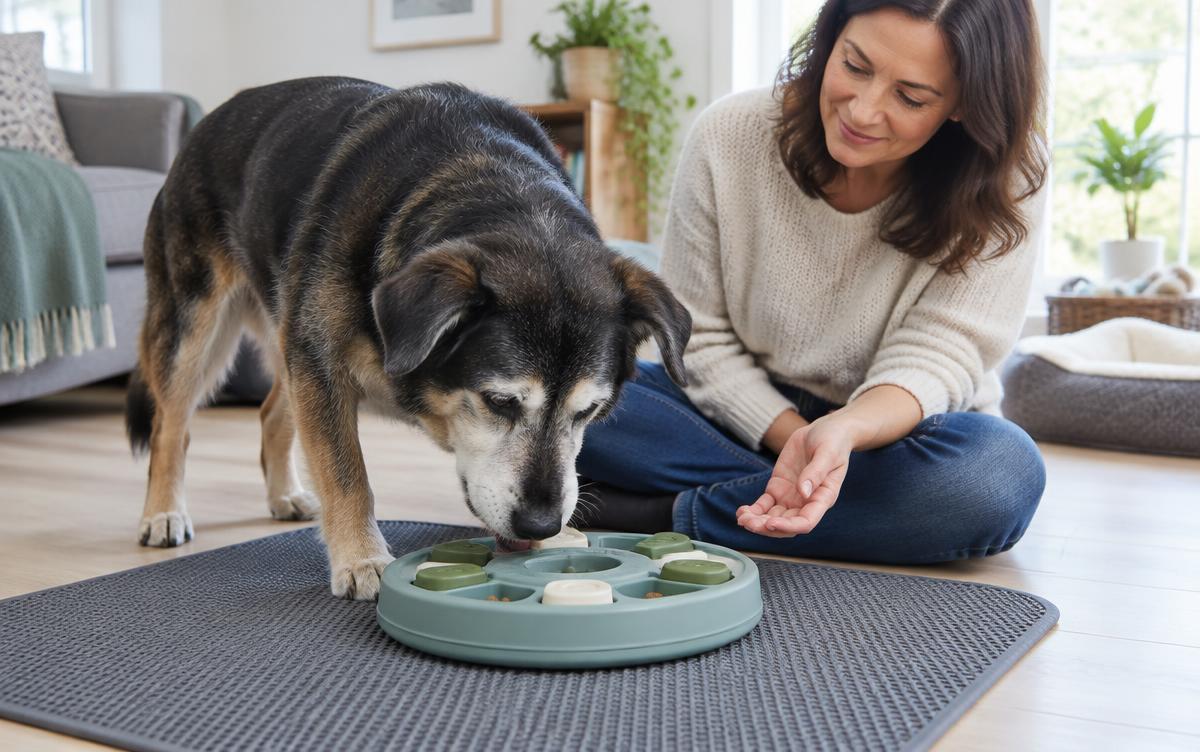 Senior enrichment
Senior Pet Brain Games: Gentle, Accessible Training
Adapt familiar games for older dogs and cats while recognising when sleep, memory or behaviour changes need veterinary care.
Petarium Editorial · 3 min read · Updated 2026-10-07
 Foundation skills
Crate Training a Puppy: A Gradual, Reward-Based Plan
Build positive crate associations in small steps so the crate becomes a safe den rather than a place of confinement or punishment.
Petarium Editorial · 3 min read · Updated 2026-10-07