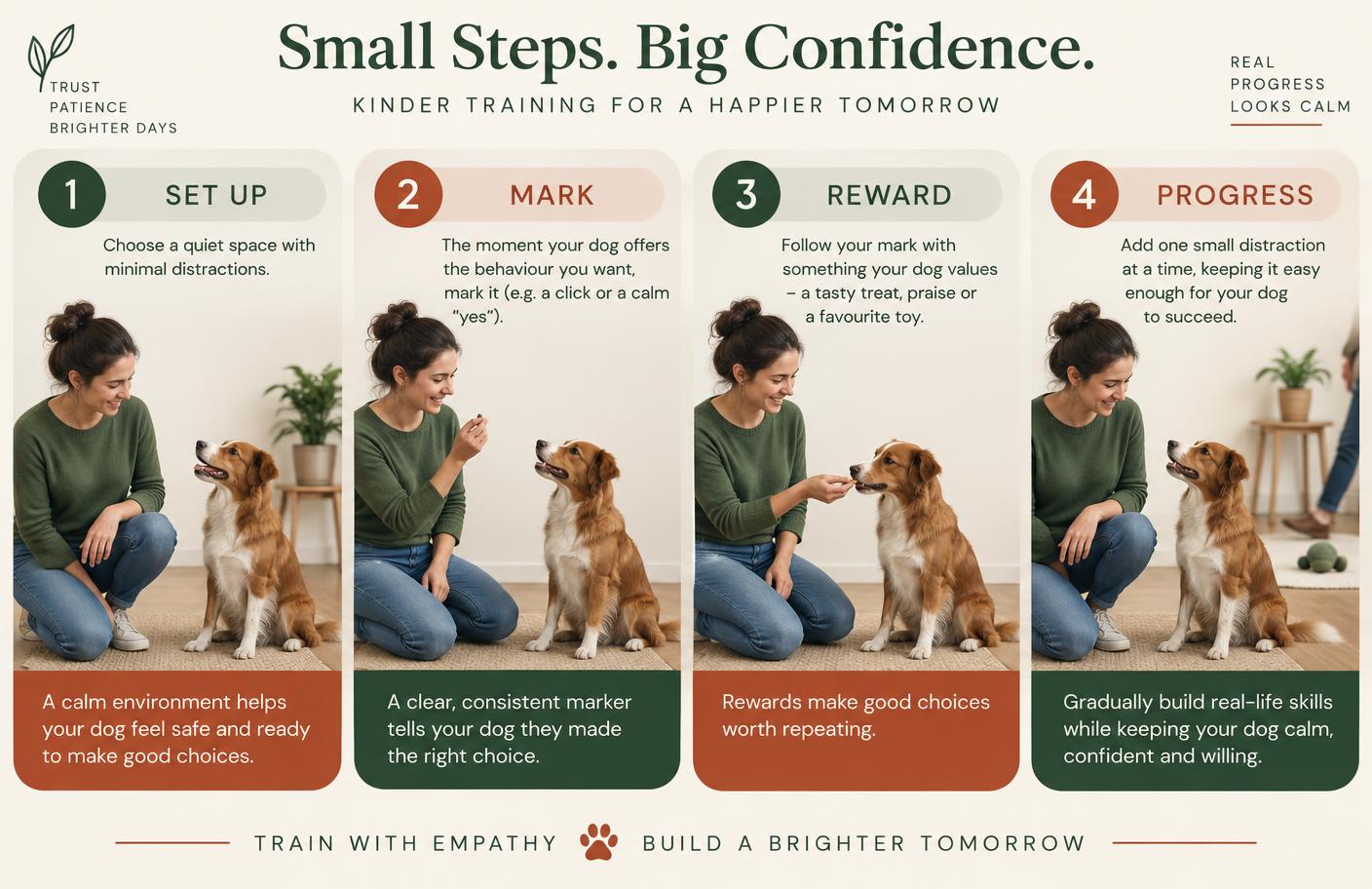
Reward-based practice
Training exercise library
Short, practical exercises built around reinforcement, gradual progress and the animal’s right to opt out.
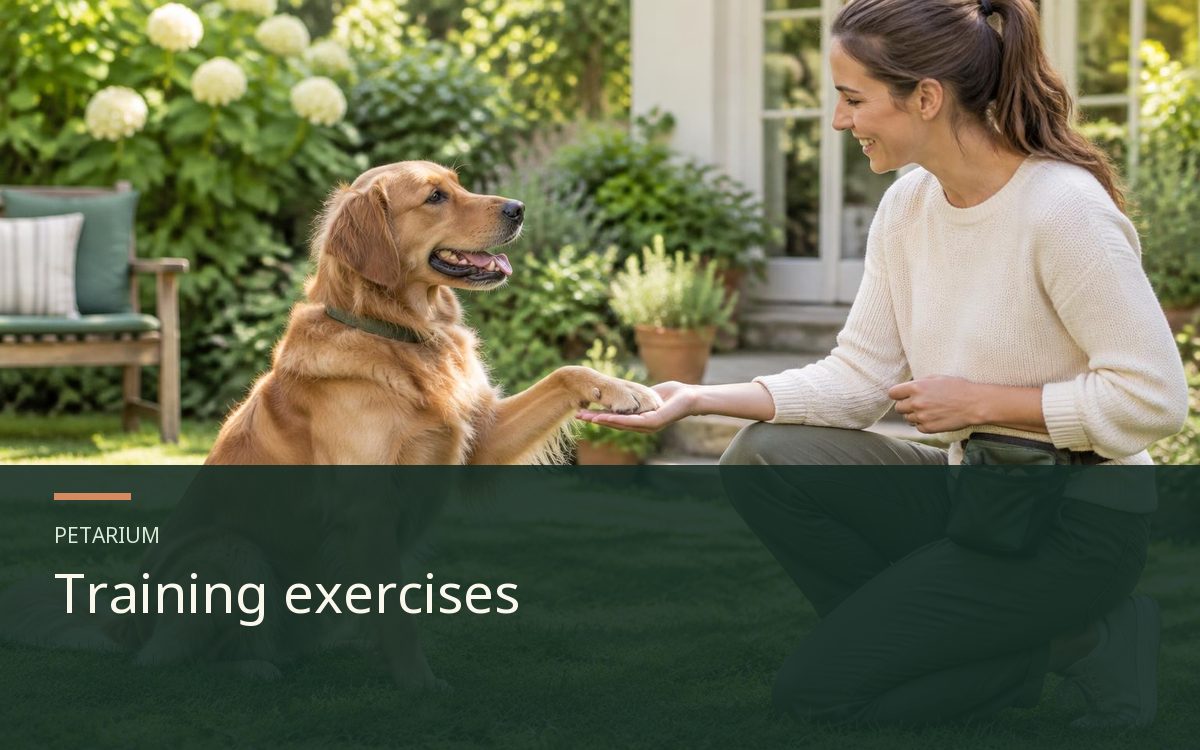
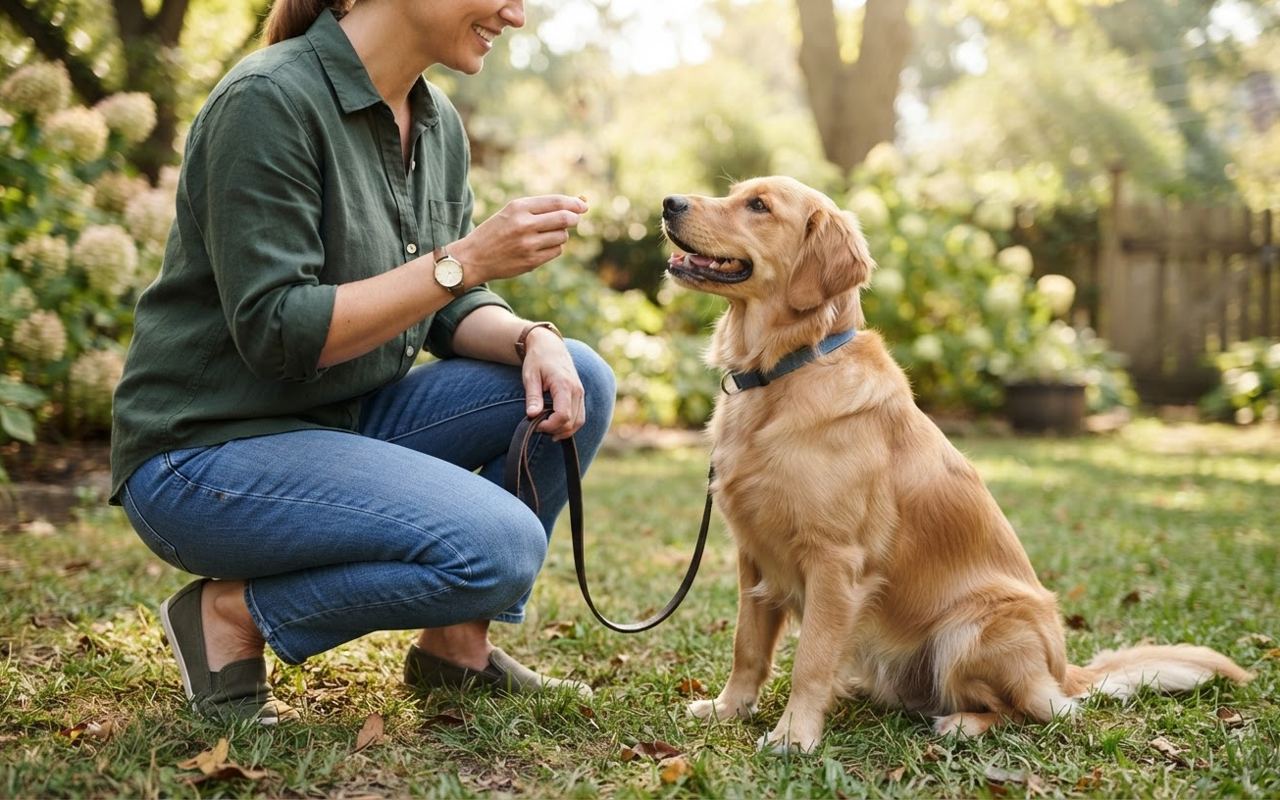
Name response
Build a reliable, positive orientation to the handler when the pet hears their name.
1–2 minutes, several times daily · Dogs, Cats
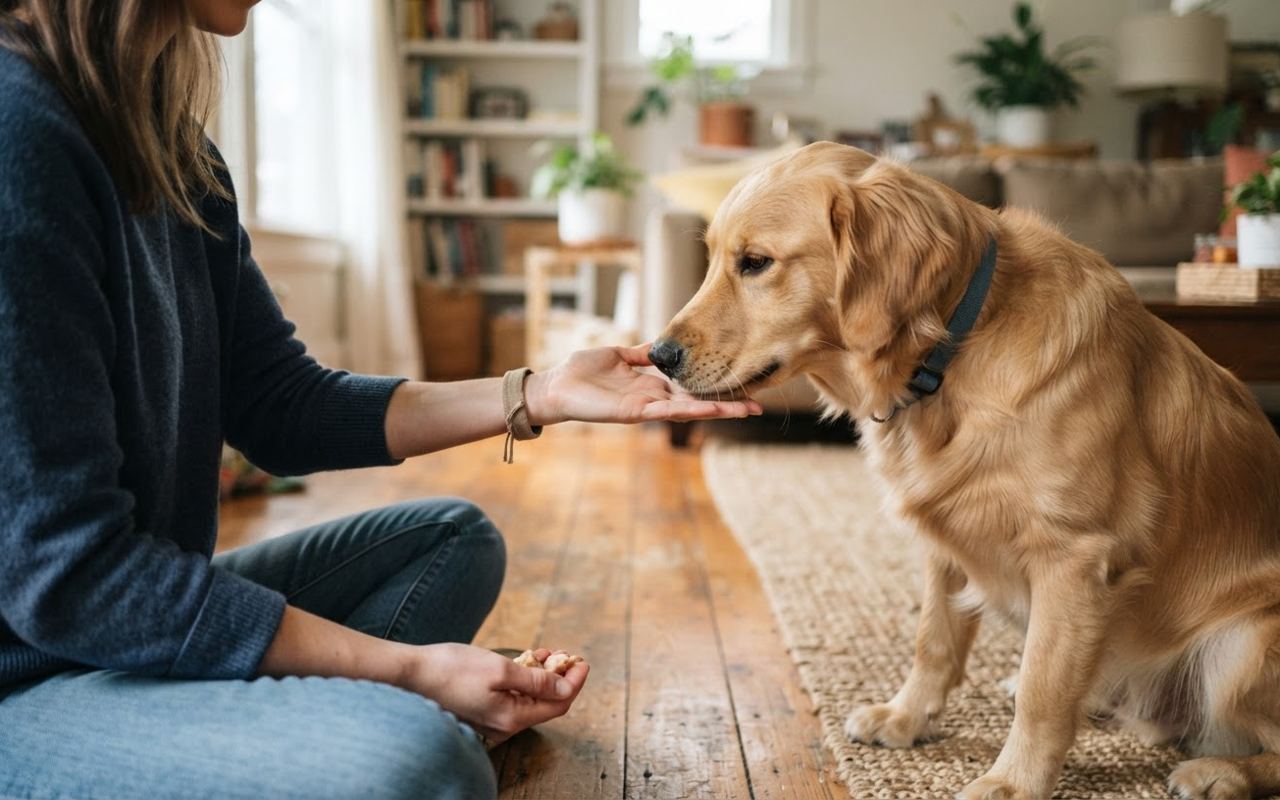
Hand target
Teach the animal to touch a nose to an open hand for movement, focus and cooperative care.
2–3 minutes · Dogs, Cats, Rabbits
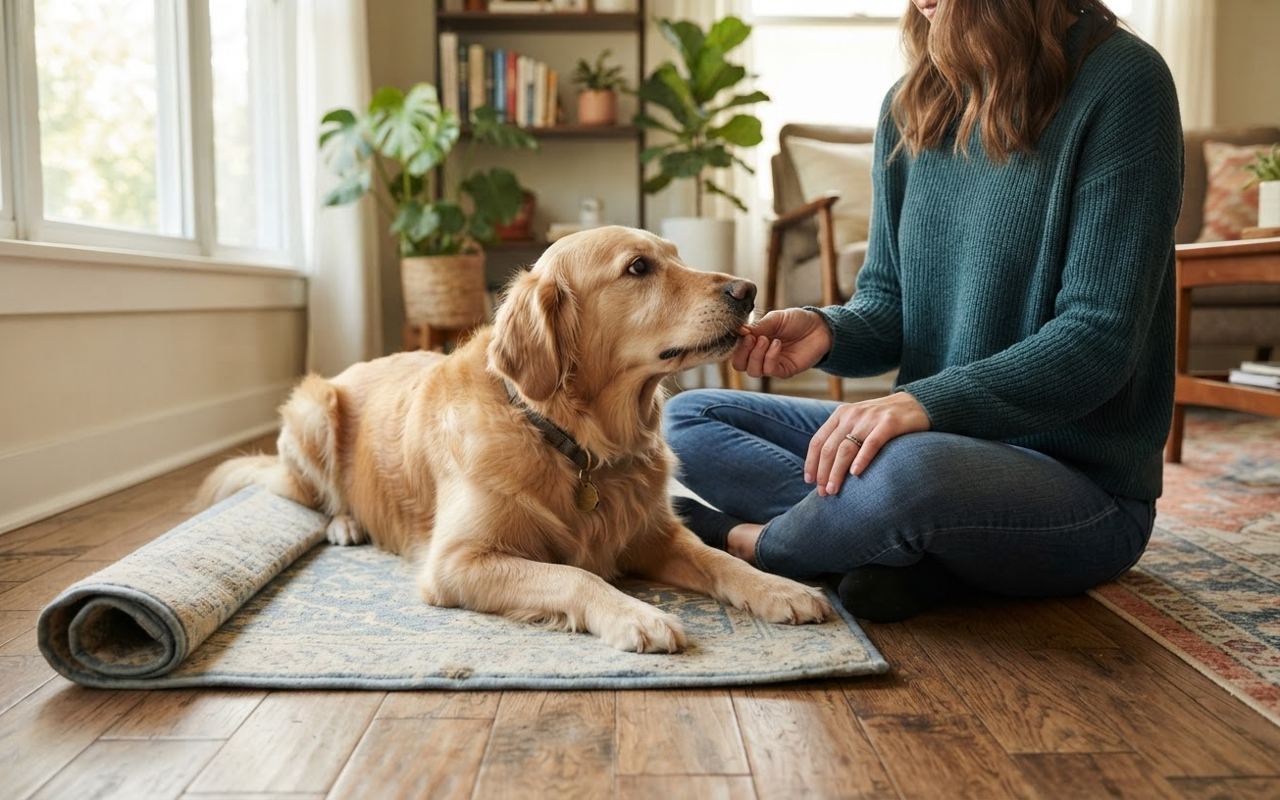
Settle on a mat
Create a portable relaxation station for visitors, cafés, travel or household routines.
3–5 minutes · Dogs, Cats
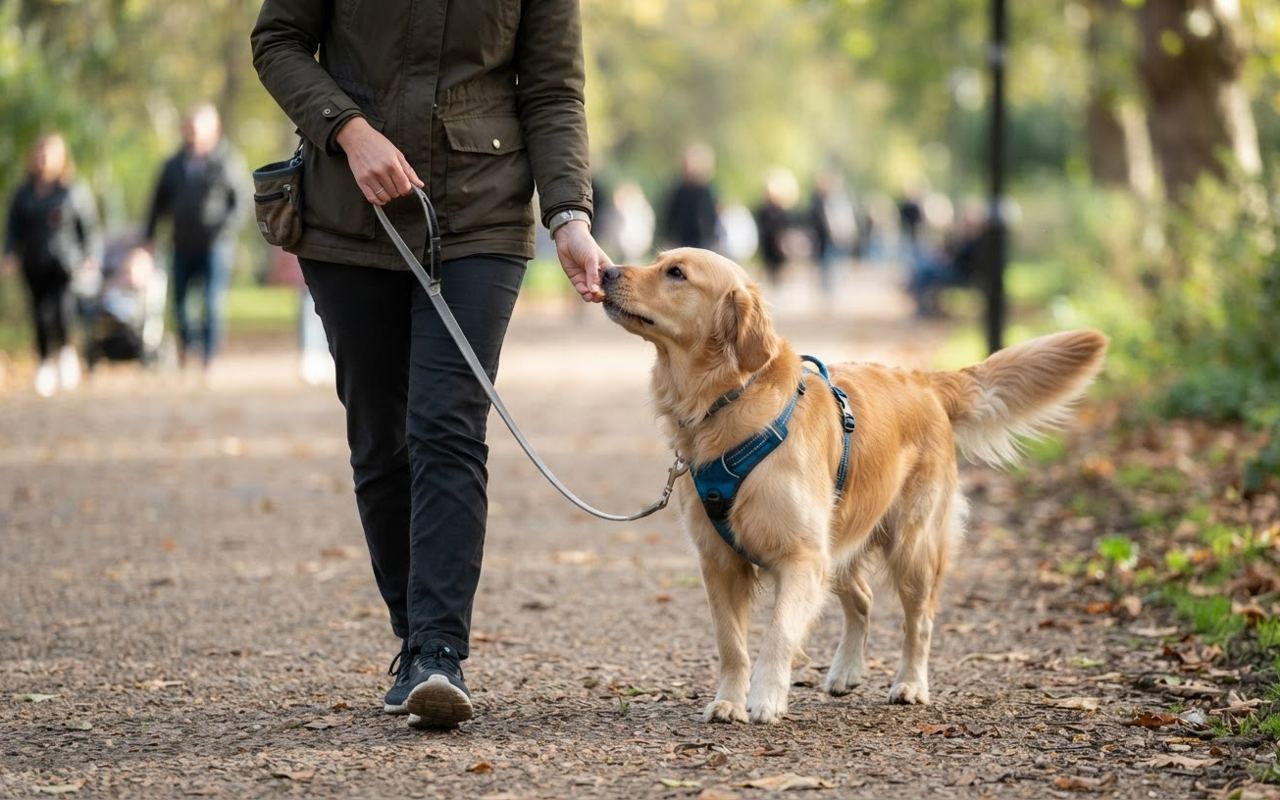
Loose-lead walking
Help a dog walk with a slack lead through reinforcement rather than pain or intimidation.
5–10 minute focused sessions · Dogs
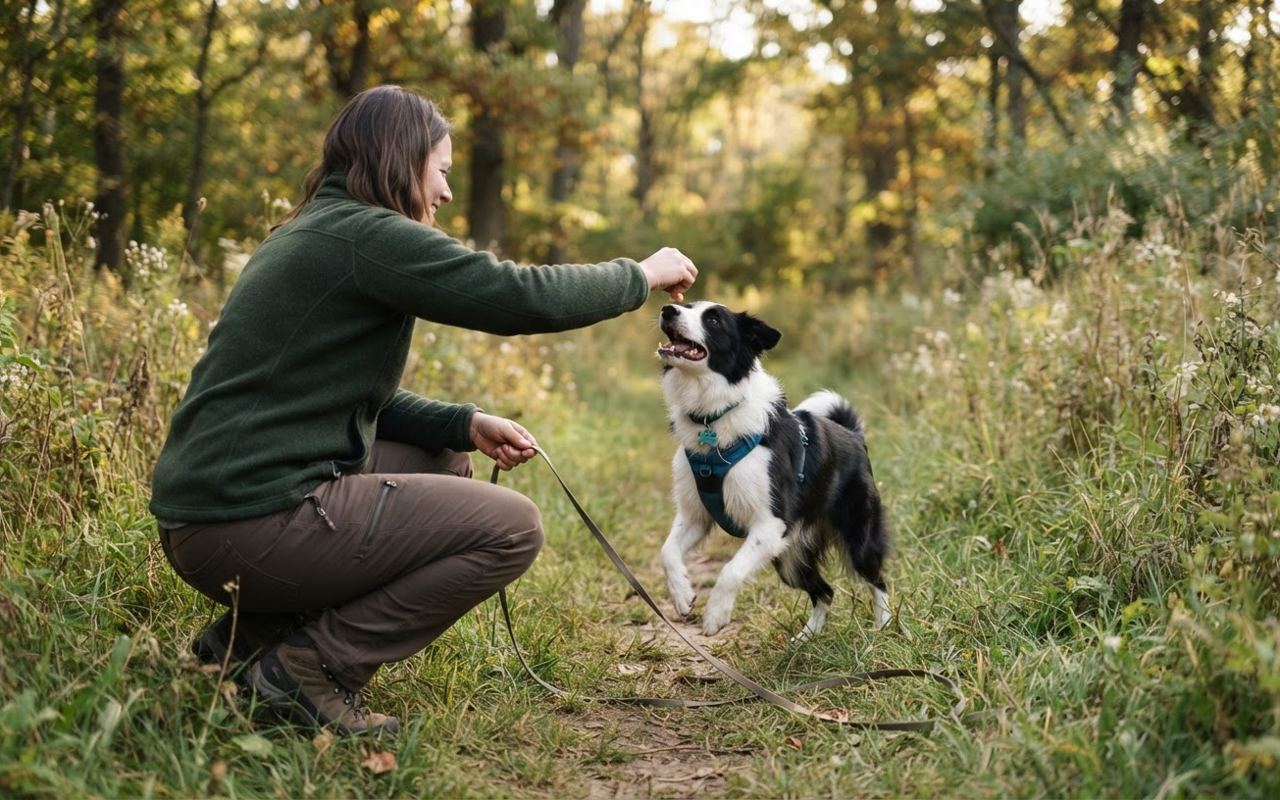
Emergency recall
Build a special cue that predicts an exceptional reward and rapid return in urgent situations.
3–5 repetitions, twice weekly · Dogs
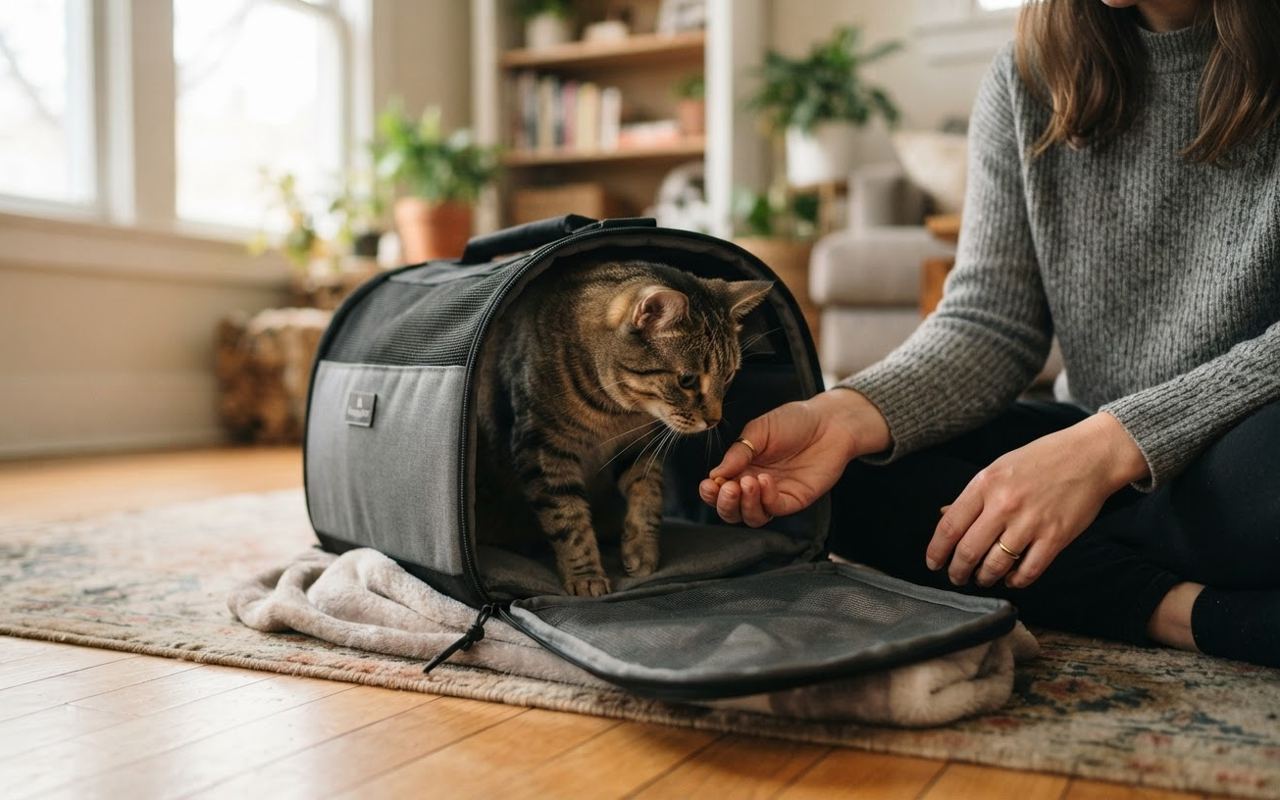
Comfortable carrier training
Make entering and resting in a carrier predictable and low-stress before travel or veterinary visits.
2–5 minutes daily · Cats, Rabbits, Small mammals
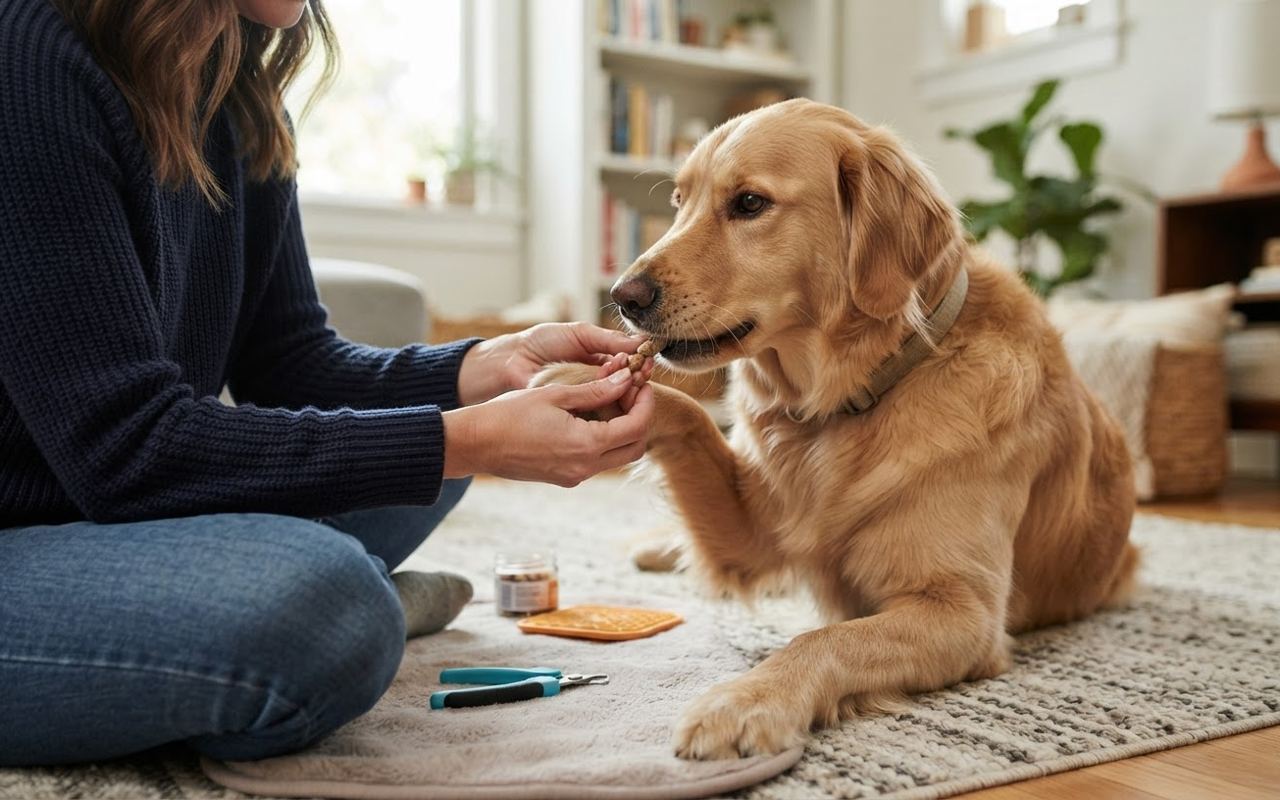
Cooperative nail care
Teach calm, consent-based paw handling and gradual acceptance of nail care.
1–3 minutes · Dogs, Cats, Rabbits
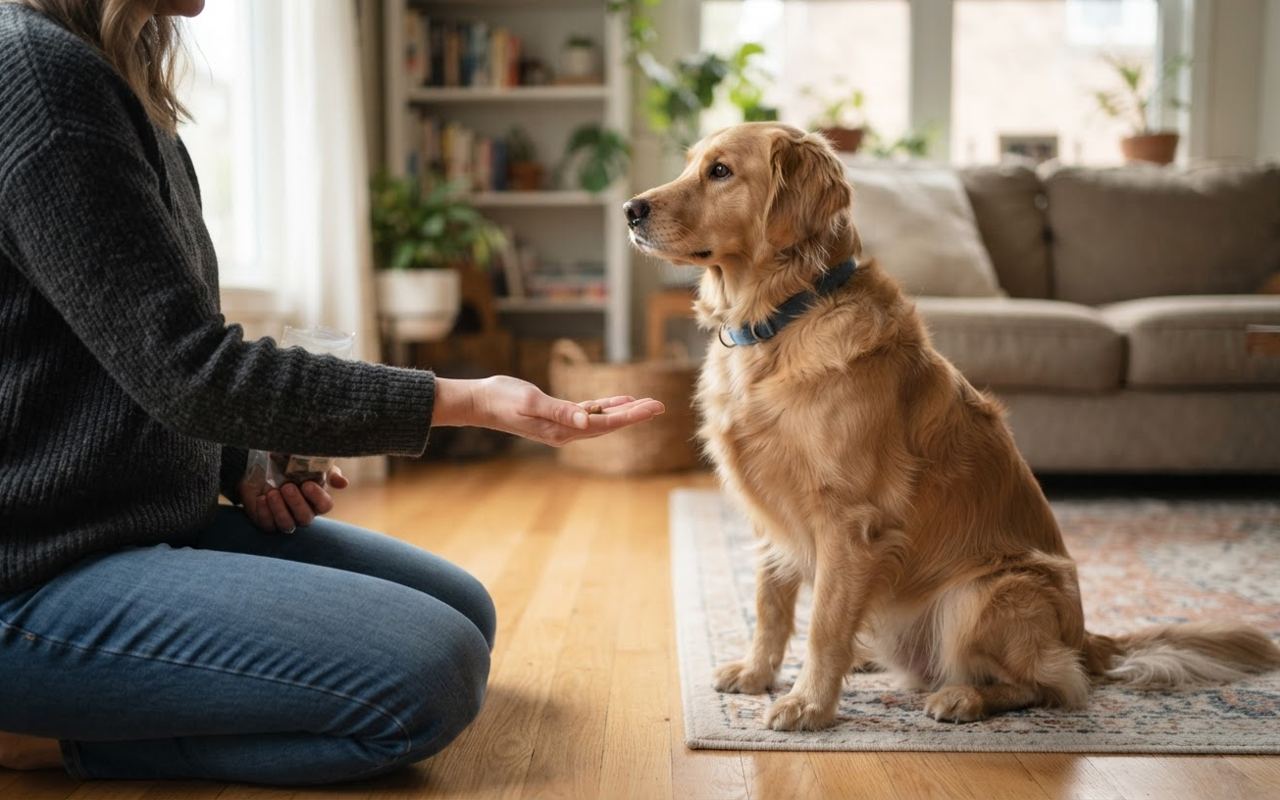
Leave it
Teach disengagement from food or objects without confrontation or guarding.
3–5 minutes · Dogs
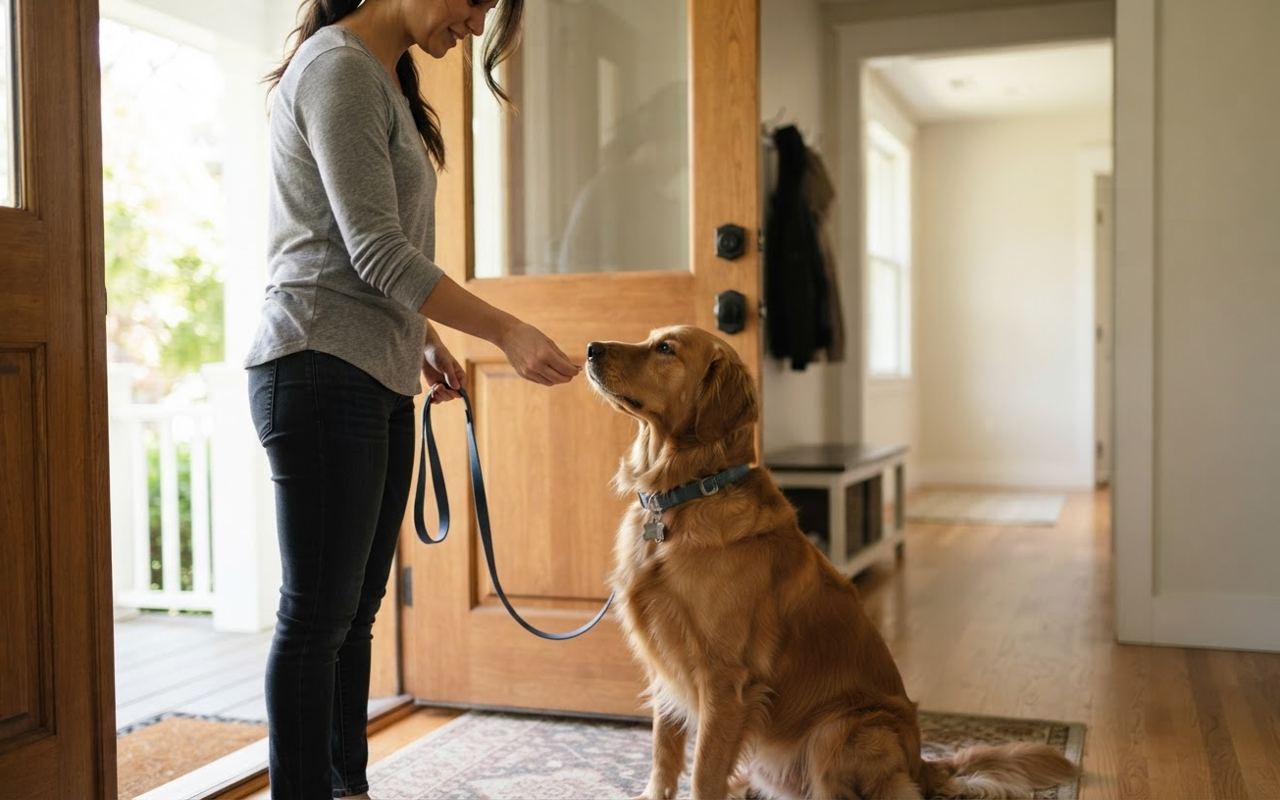
Calm doorway pause
Teach a brief voluntary pause at doors and gates before receiving permission to move through.
2–4 minutes · Dogs
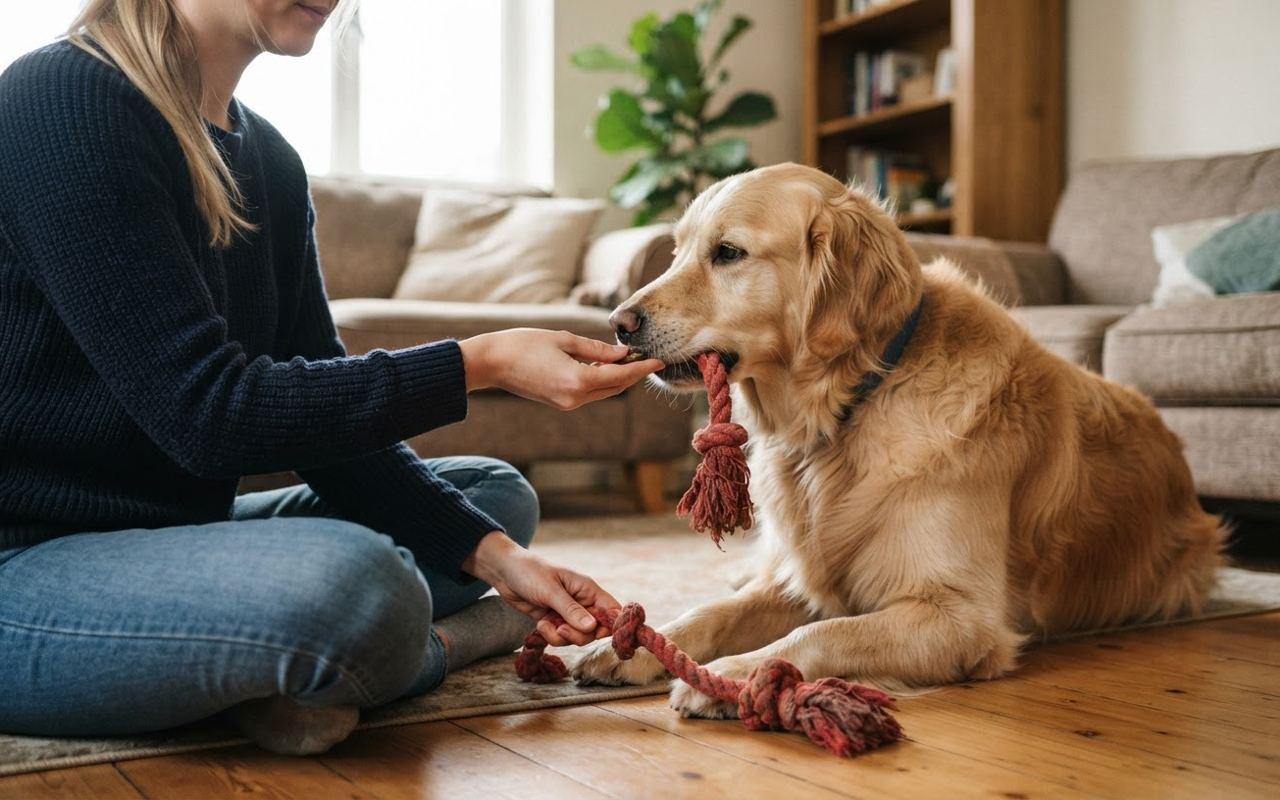
Trade and drop
Build safe, willing release of objects by exchanging them for something valuable.
2–3 minutes · Dogs
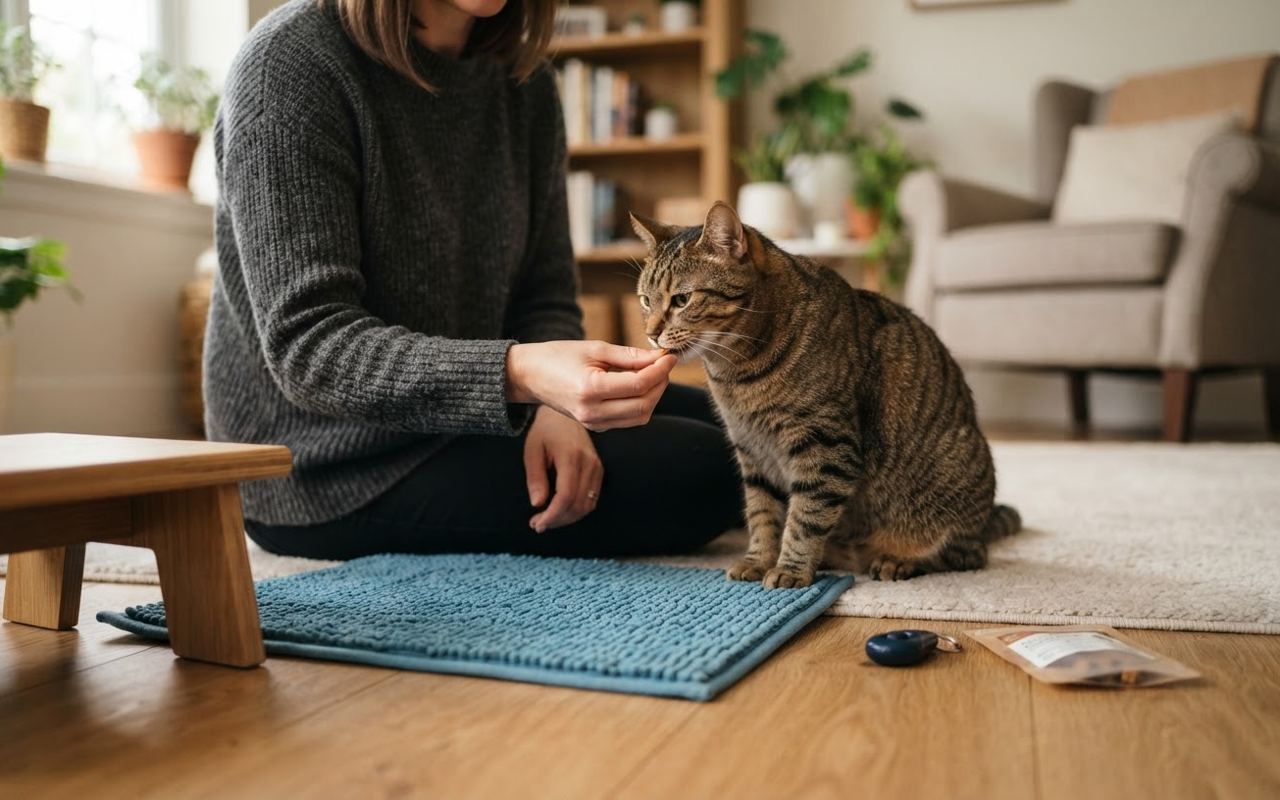
Cat station training
Teach a cat to choose a mat or perch for weighing, household routines and cooperative care.
1–3 minutes · Cats
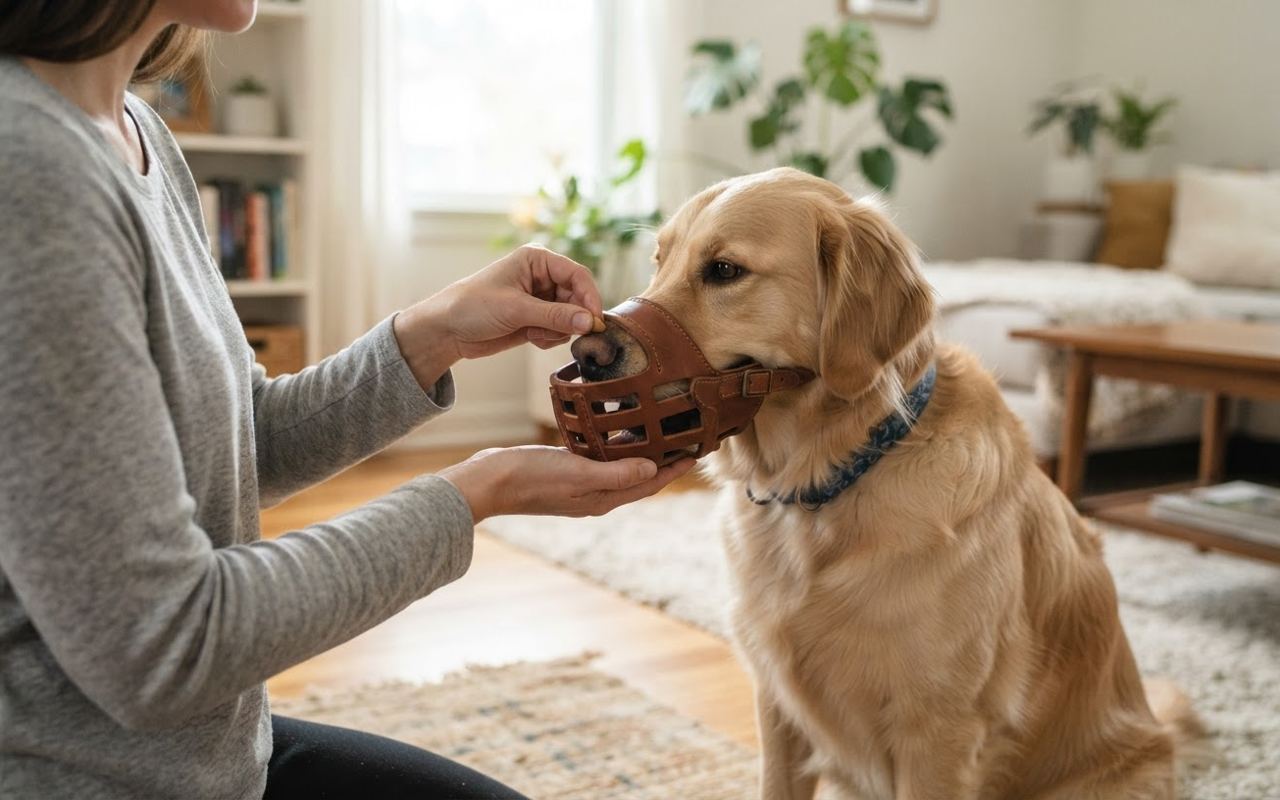
Basket muzzle conditioning
Build a positive emotional response to a well-fitted basket muzzle without forcing it onto the dog.
1–3 minutes · Dogs
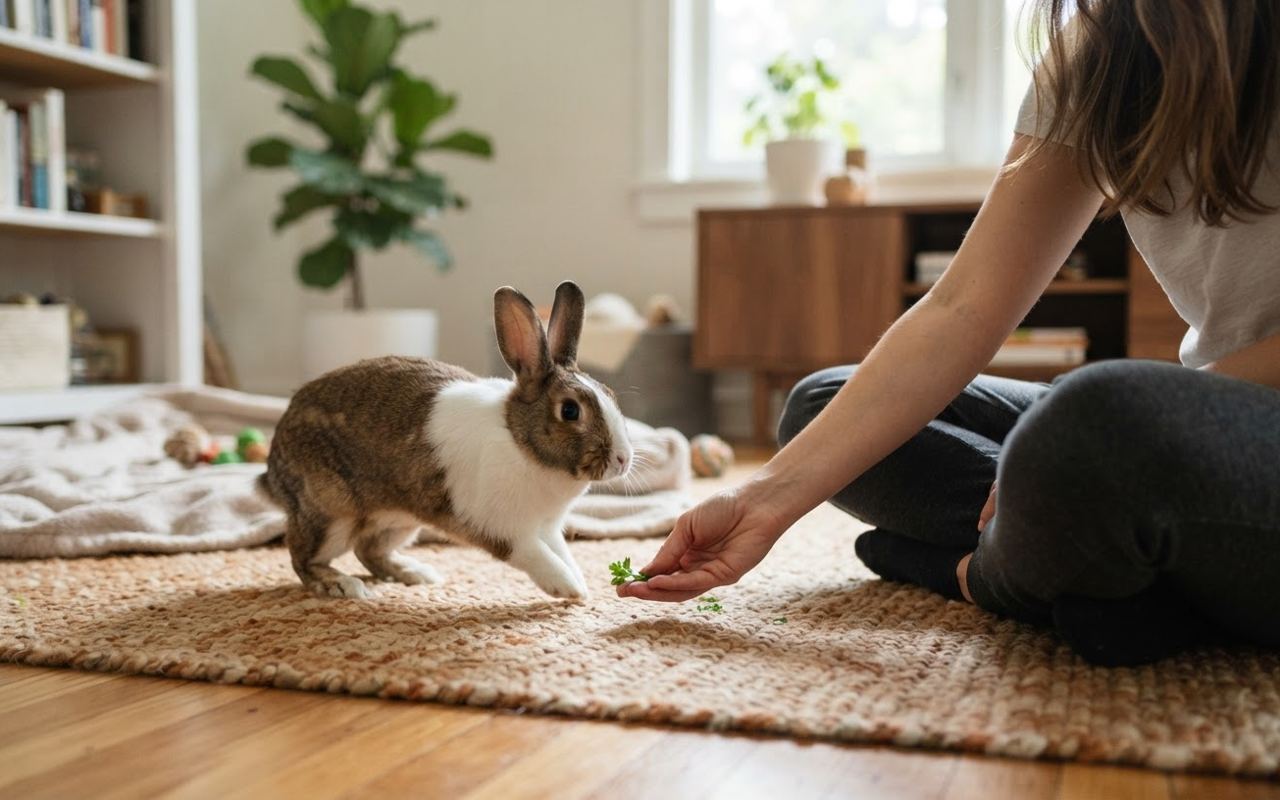
Rabbit recall
Teach a rabbit to approach a person or station on cue for enrichment and safer daily care.
1–2 minutes · Rabbits
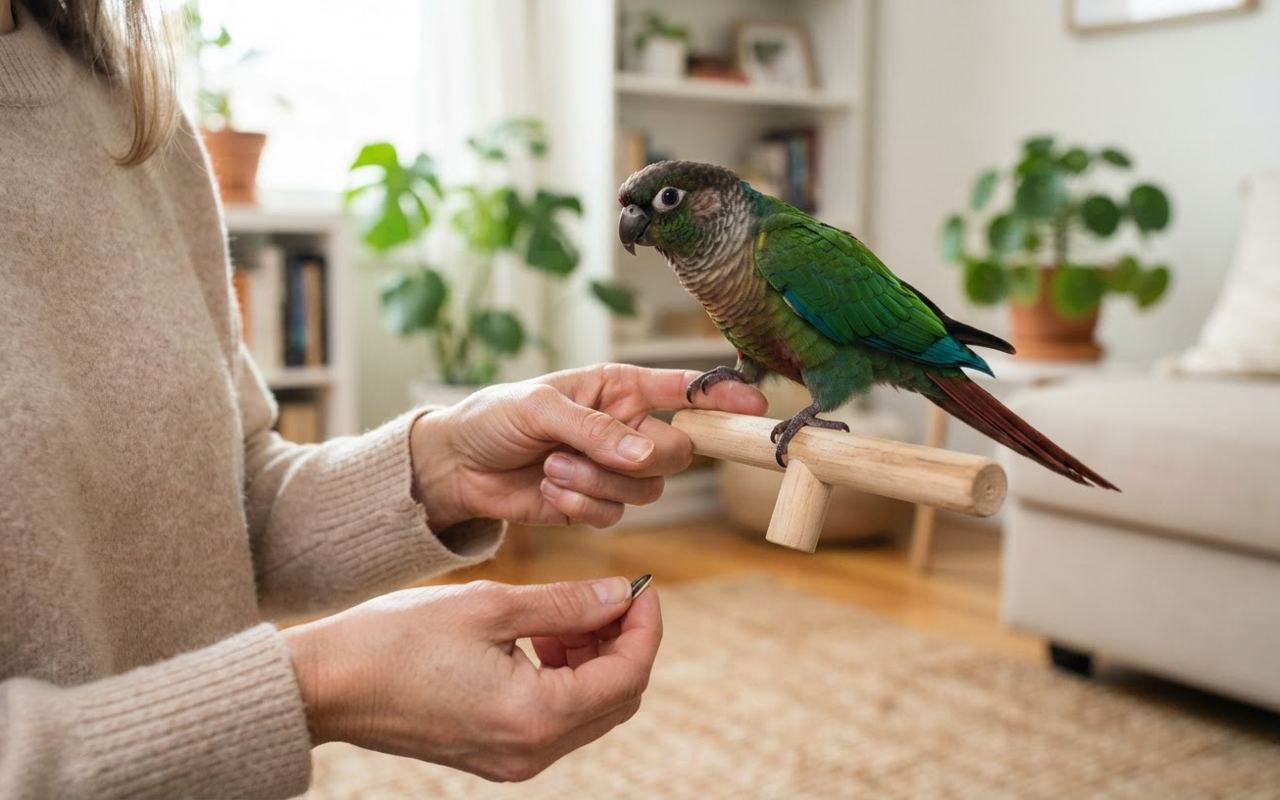
Voluntary parrot step-up
Teach a parrot to step onto a hand-held perch or hand by choice for safe movement.
1–3 minutes · Birds
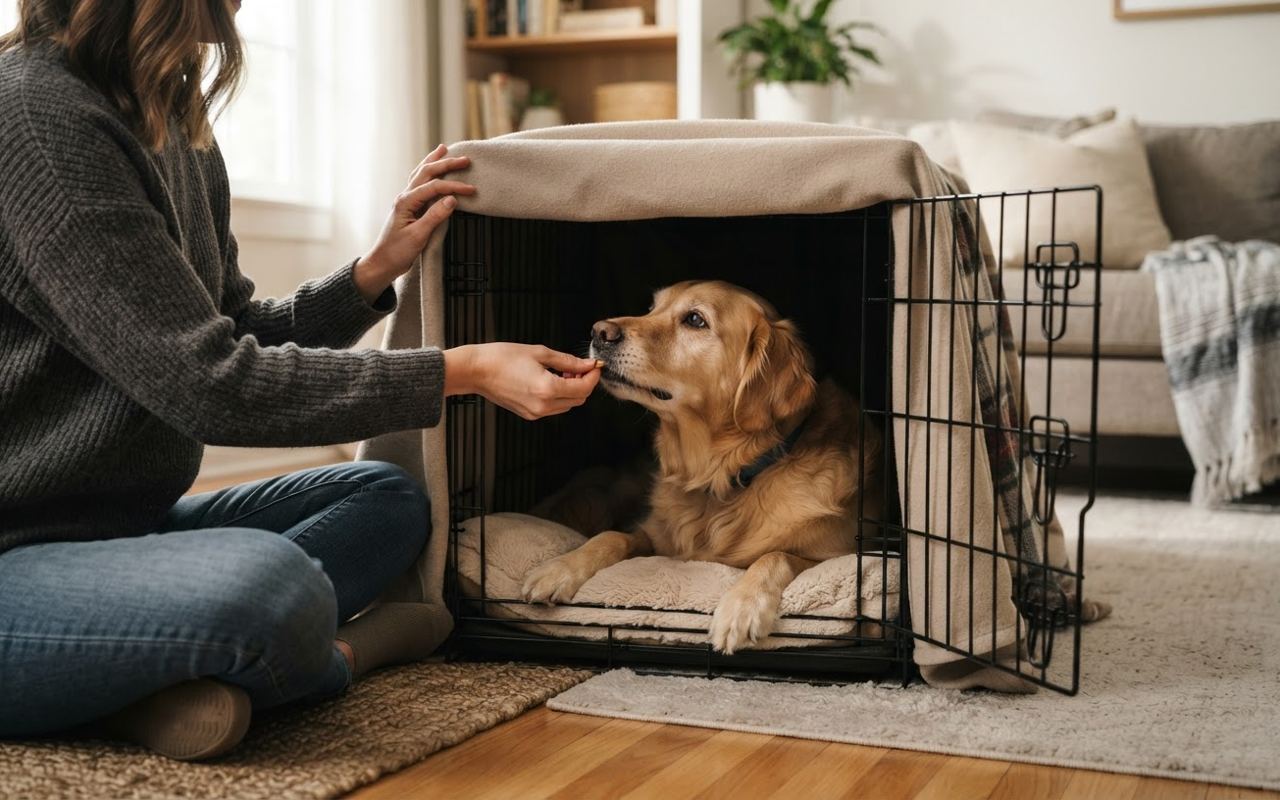
Crate comfort
Build a genuinely relaxing den the dog chooses to use, rather than a place they are shut into.
2–5 minutes, twice daily · Dogs
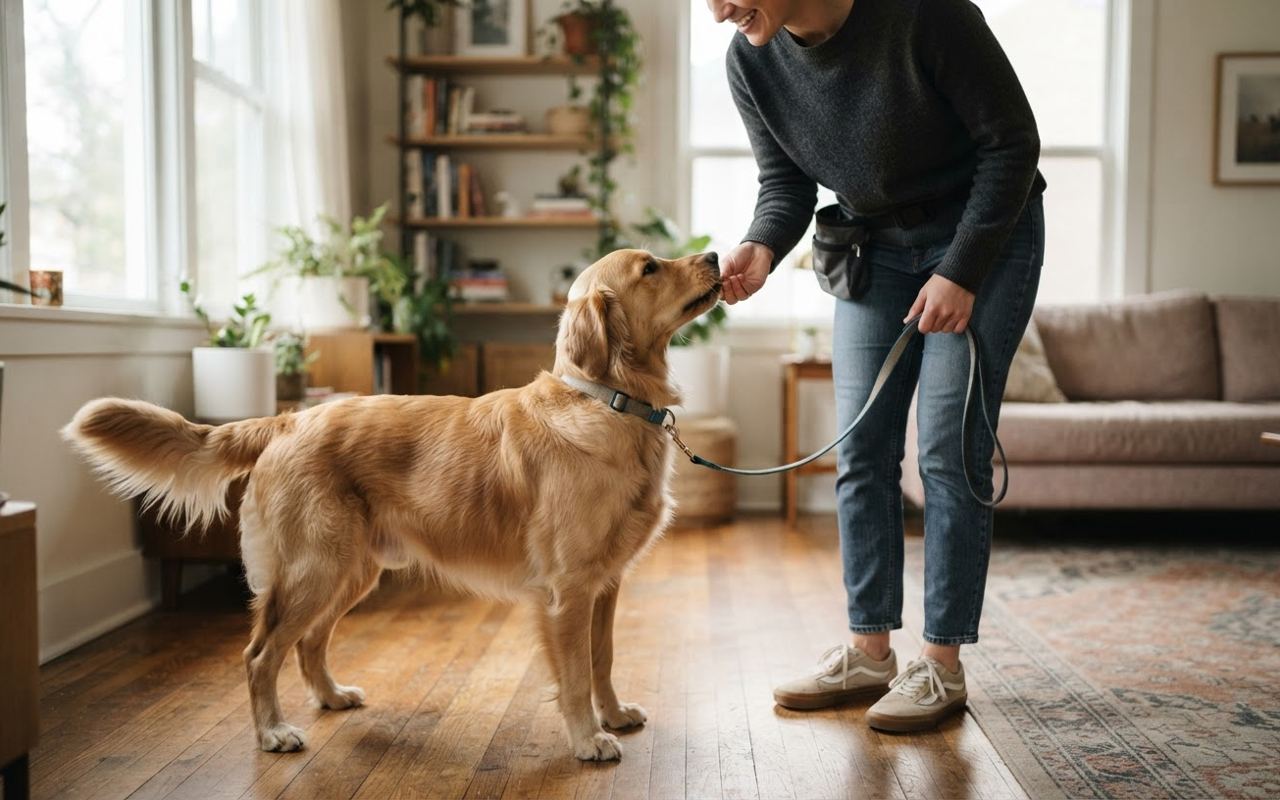
Polite greetings
Replace jumping at people with four paws on the floor by rewarding the behaviour you want.
2–4 minutes · Dogs
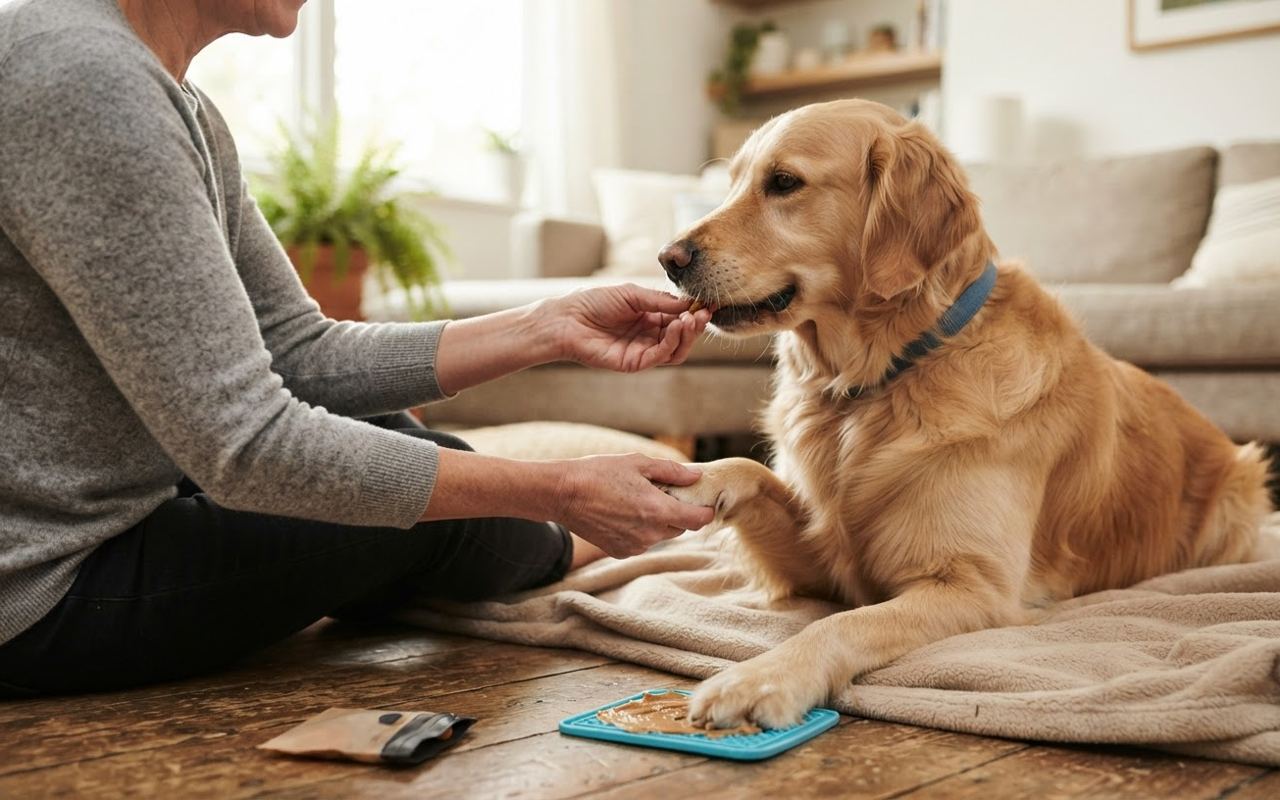
Handling for vet visits
Prepare the animal for routine examination so veterinary care is less frightening.
1–3 minutes · Dogs, Cats, Rabbits
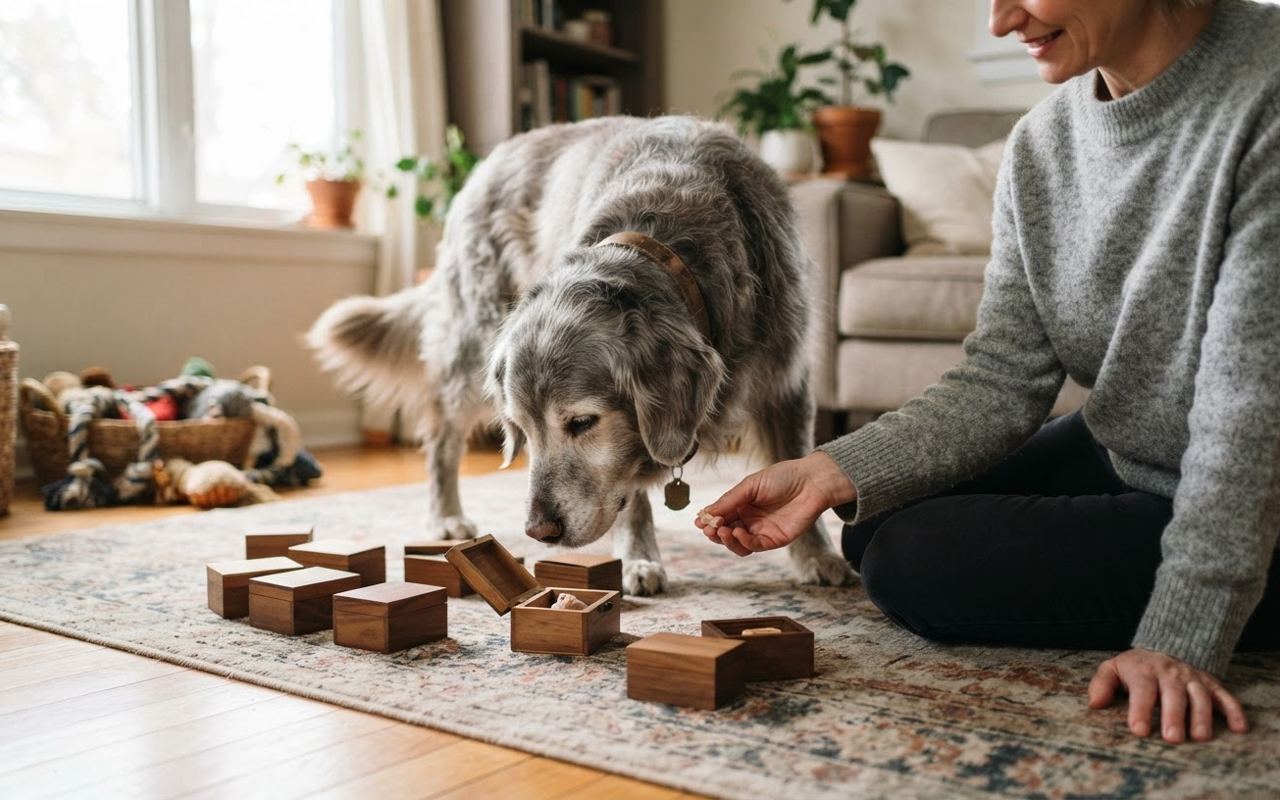
Scent search game
Provide low-impact mental enrichment that suits all ages, including recovering and senior animals.
3–5 minutes · Dogs, Cats
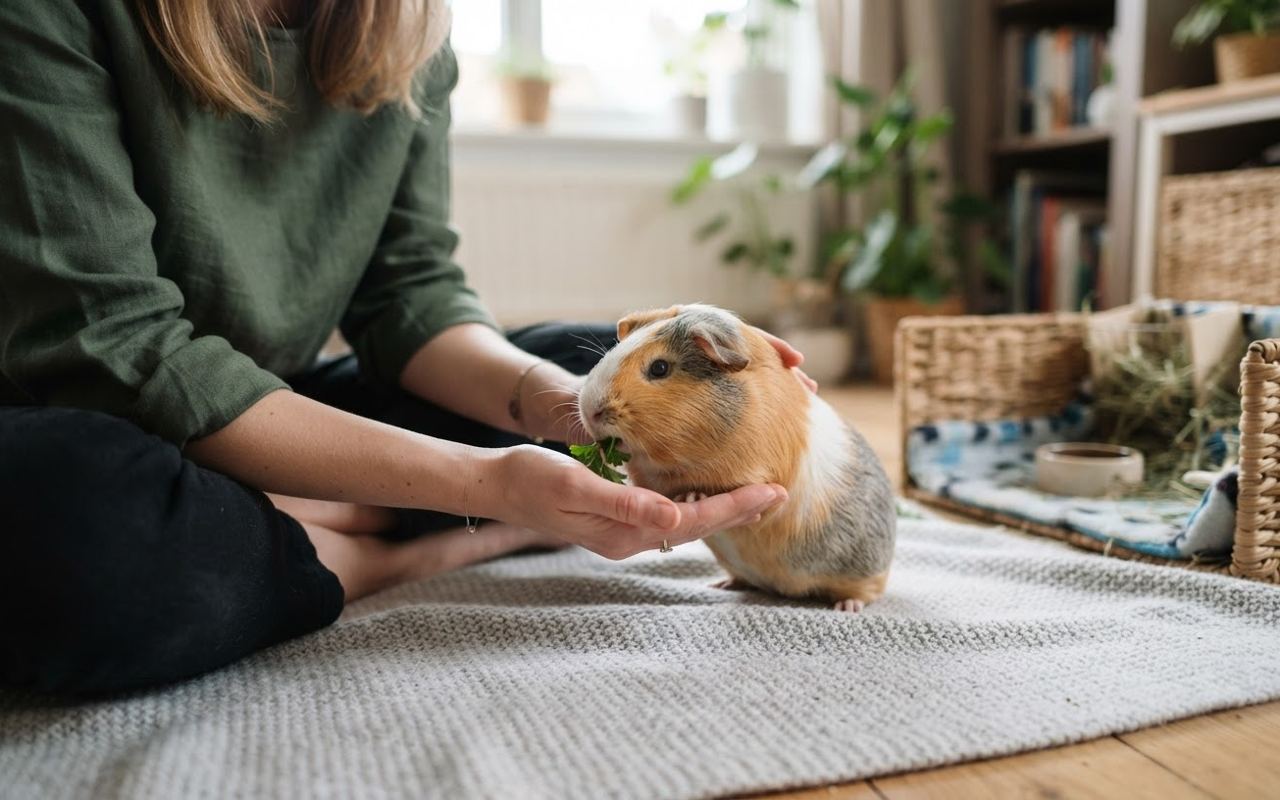
Guinea pig handling confidence
Reduce fear of being approached and lifted by building voluntary contact first.
2–4 minutes · Guinea pigs, Small mammals
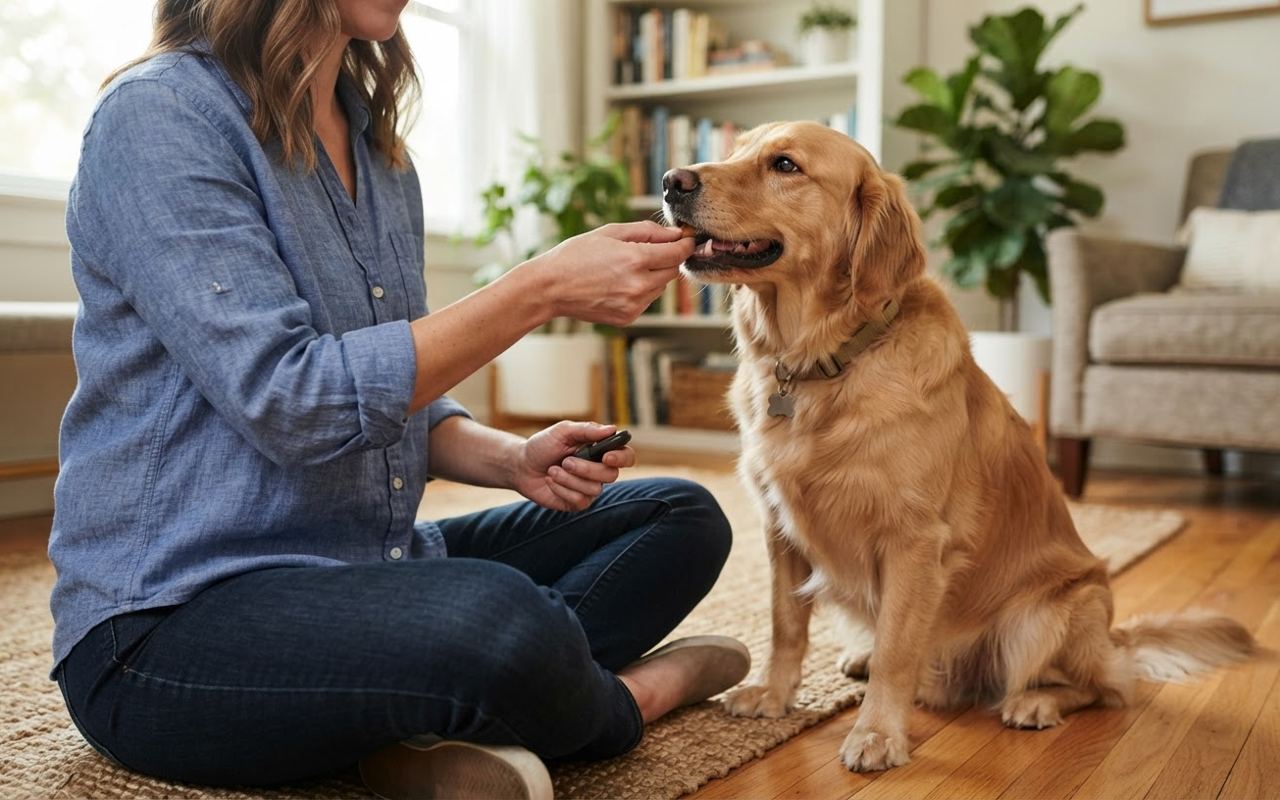
Charging a marker signal
Give the animal a clear signal that tells them exactly which choice earned the reward.
1–2 minutes · Dogs, Cats, Rabbits, Birds
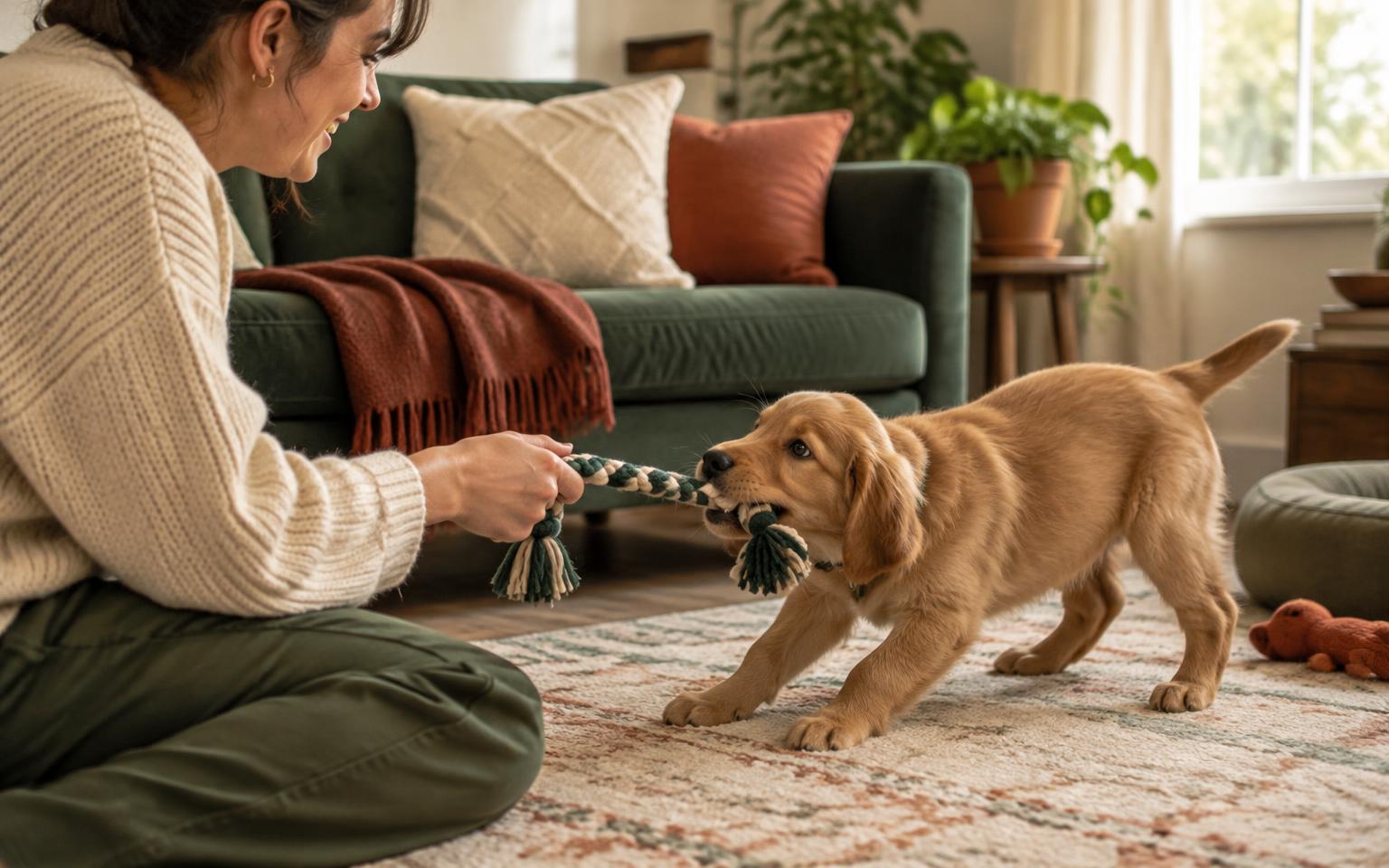
Teaching bite inhibition to puppies
Teach a puppy to control the force of its mouth before teaching it not to mouth at all.
Woven into play, 1–2 minutes at a time · Dogs
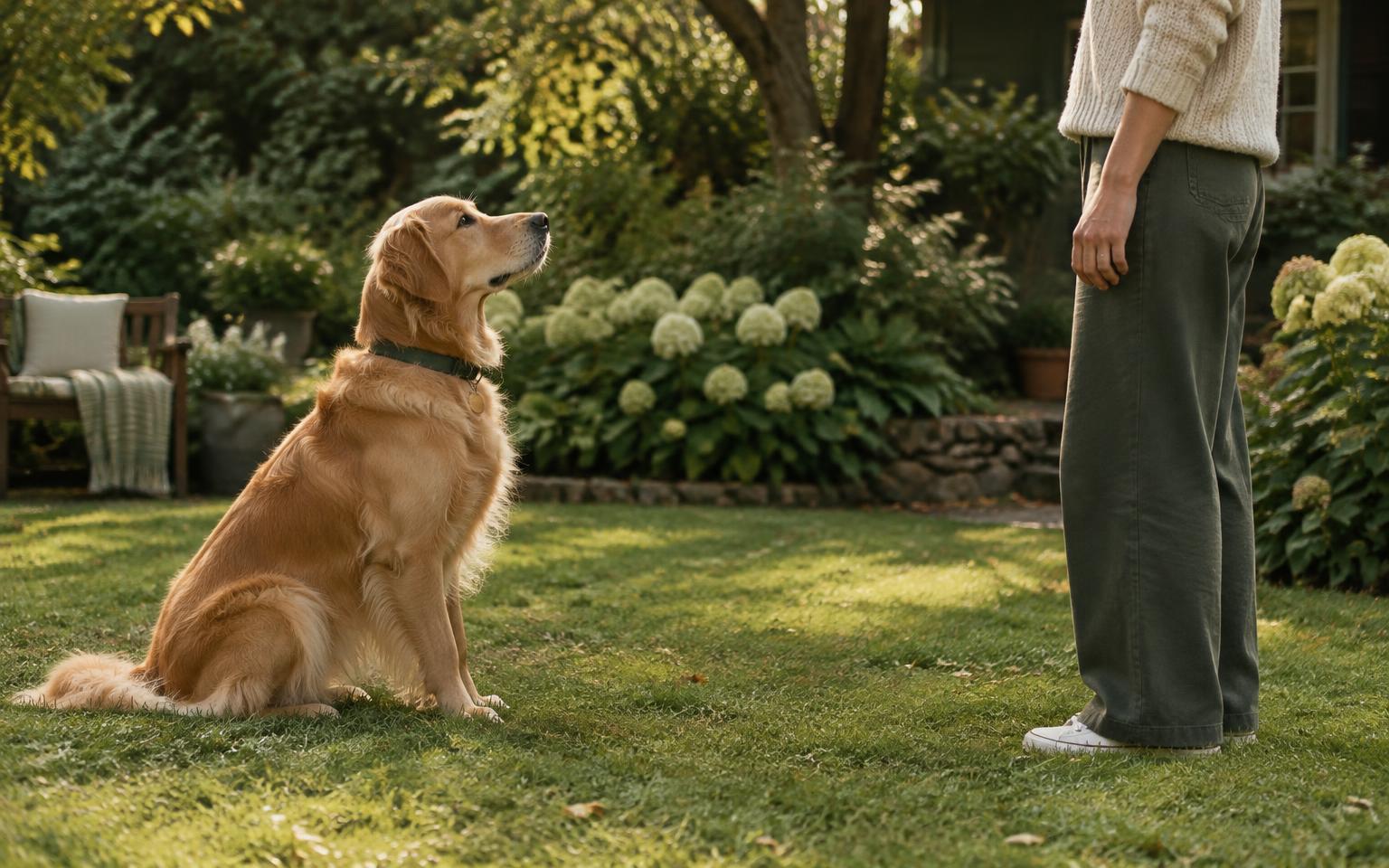
Building a reliable stay
Teach the dog to hold a position until released, building duration, distance and distraction separately.
3–5 minutes, once or twice daily · Dogs
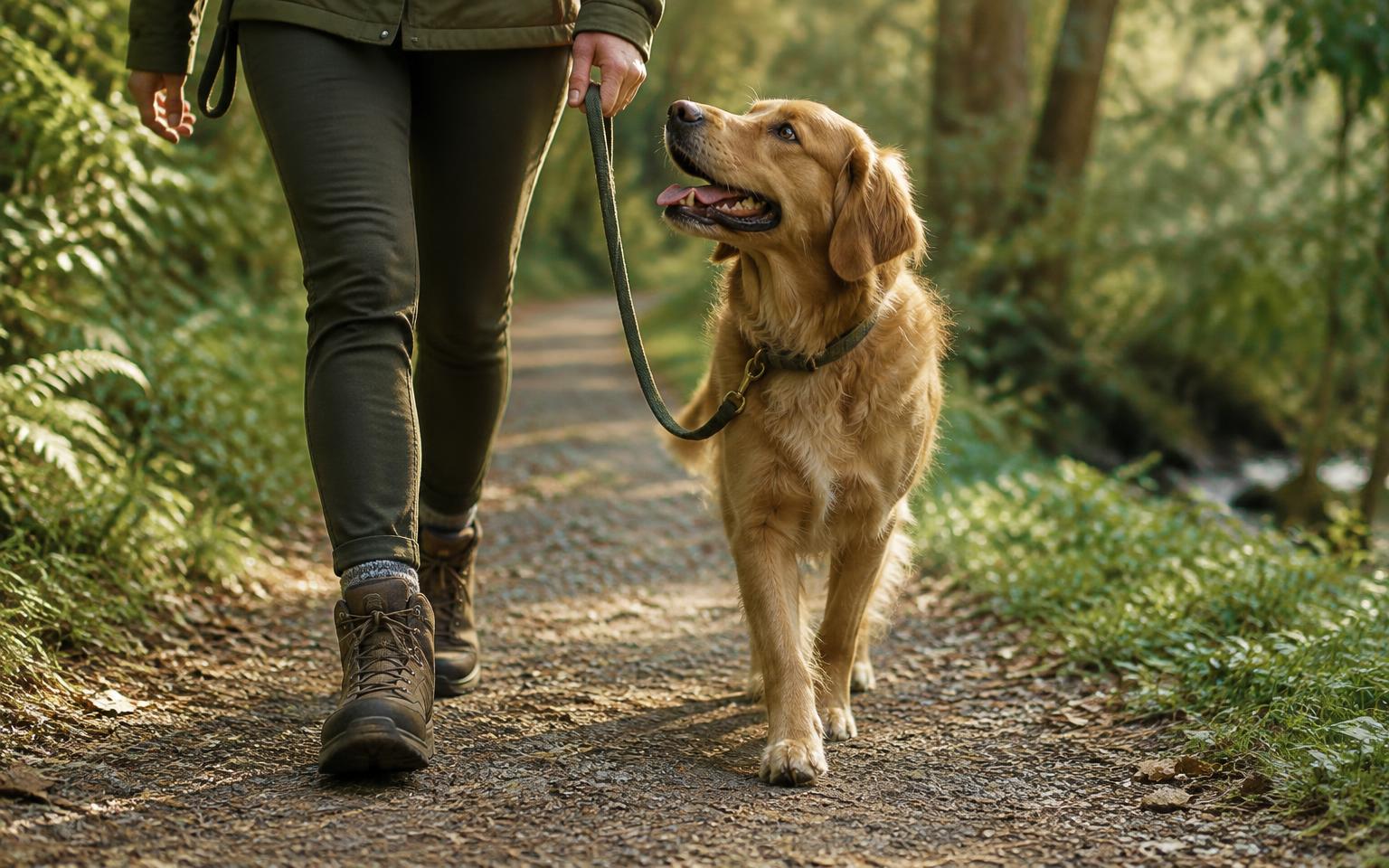
Heelwork foundations
Teach the dog to walk at your left side with a loose lead, choosing the position willingly.
5 minutes, little and often · Dogs
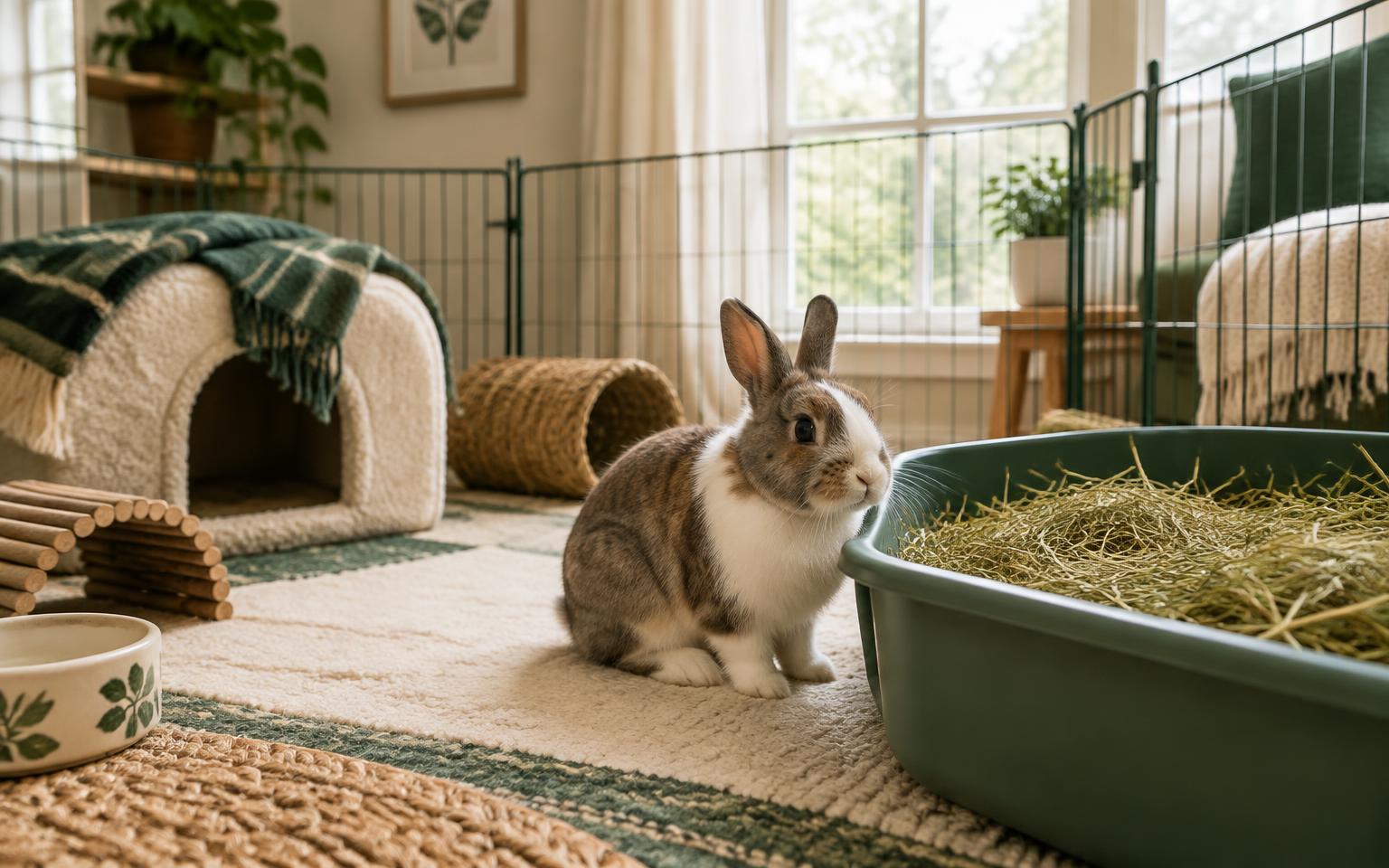
Litter training a rabbit
Teach a rabbit to use a litter tray reliably so it can enjoy more free-roam time.
Passive training over 1–2 weeks · Rabbits
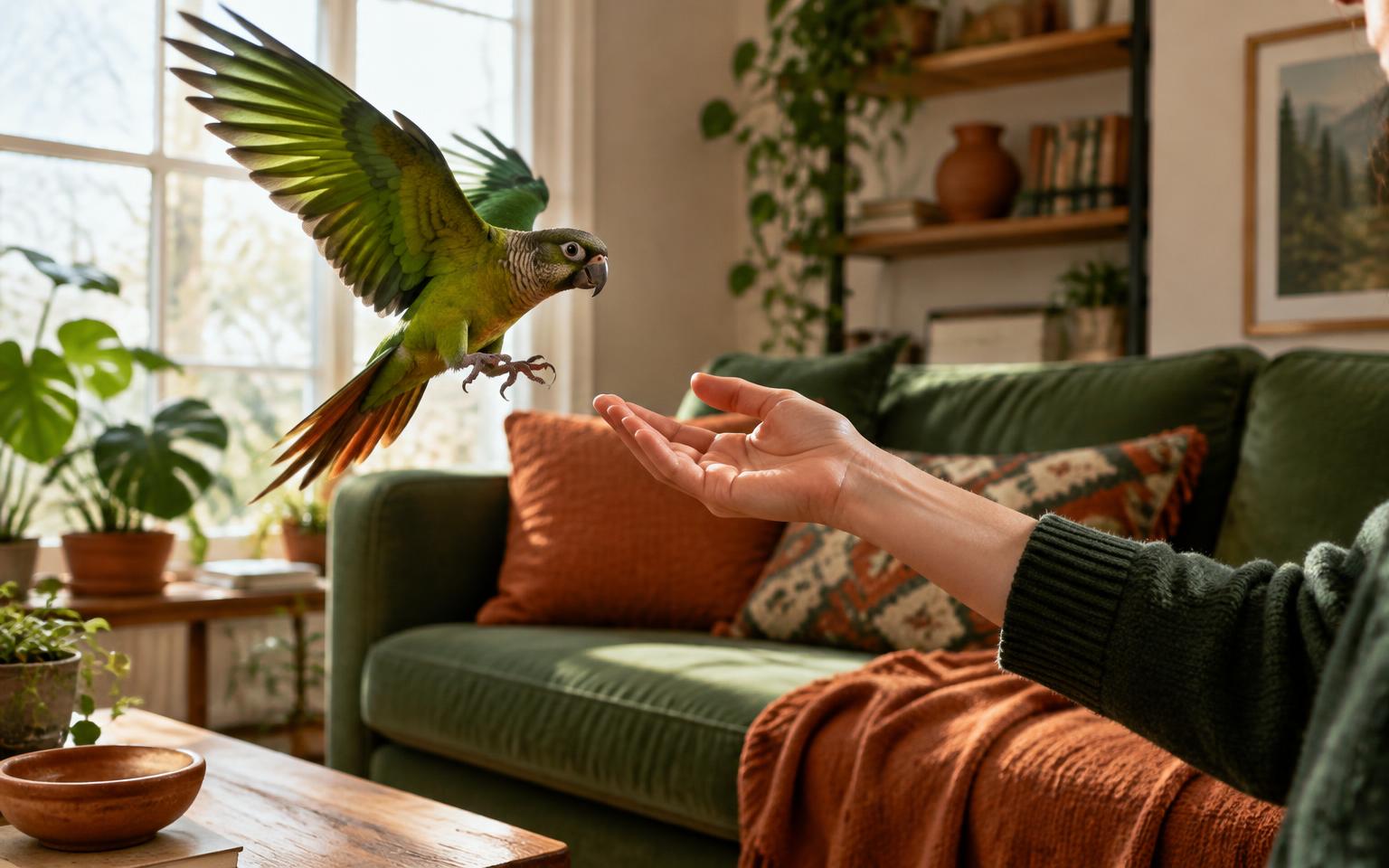
Indoor flight recall for parrots
Teach a flighted parrot to fly to your hand on cue — a safety behaviour as much as a trick.
2–3 short sessions of 2–5 minutes · Birds
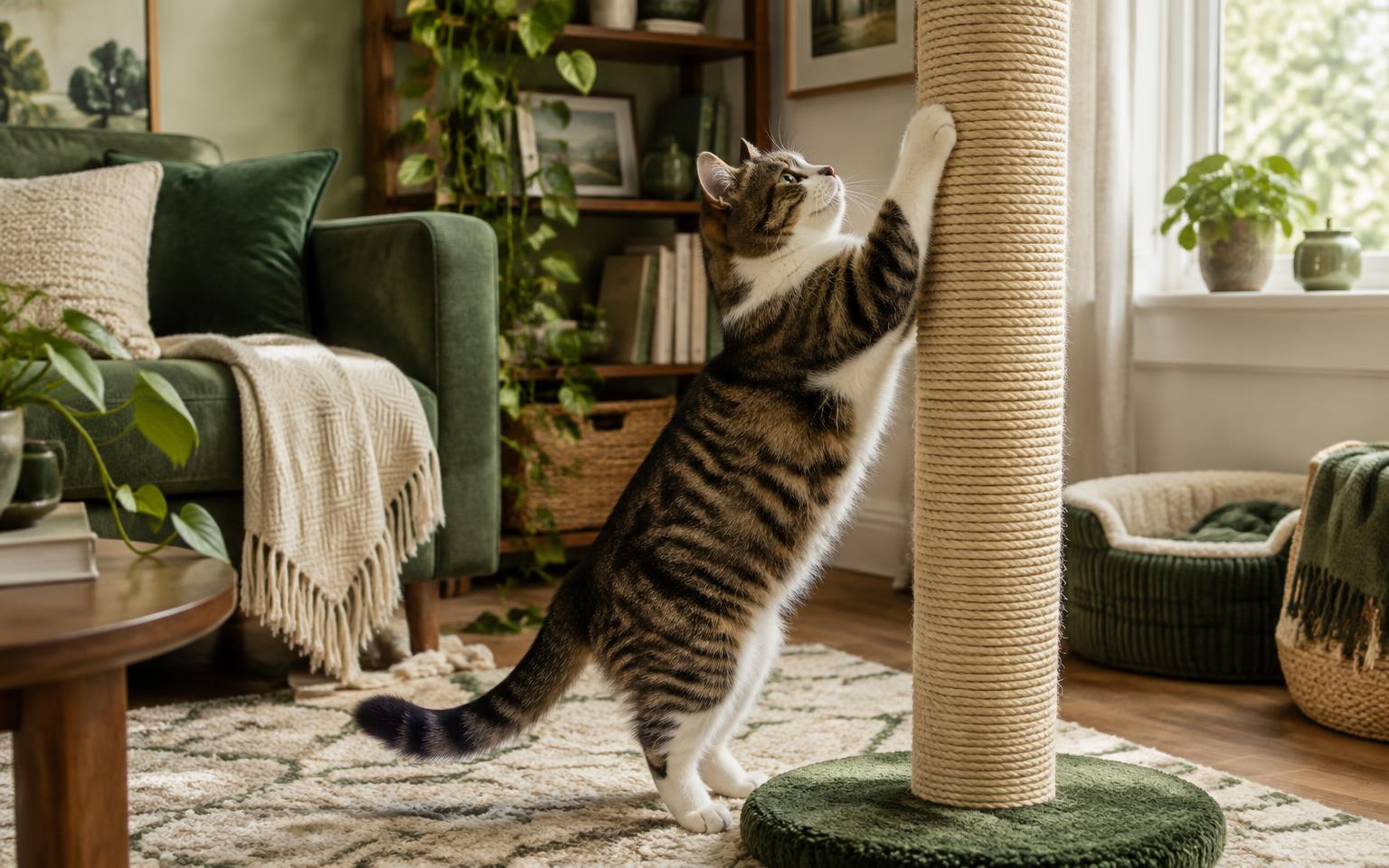
Redirecting scratching to a post
Move scratching from furniture to appropriate surfaces without punishment.
Passive training over 1–3 weeks · Cats
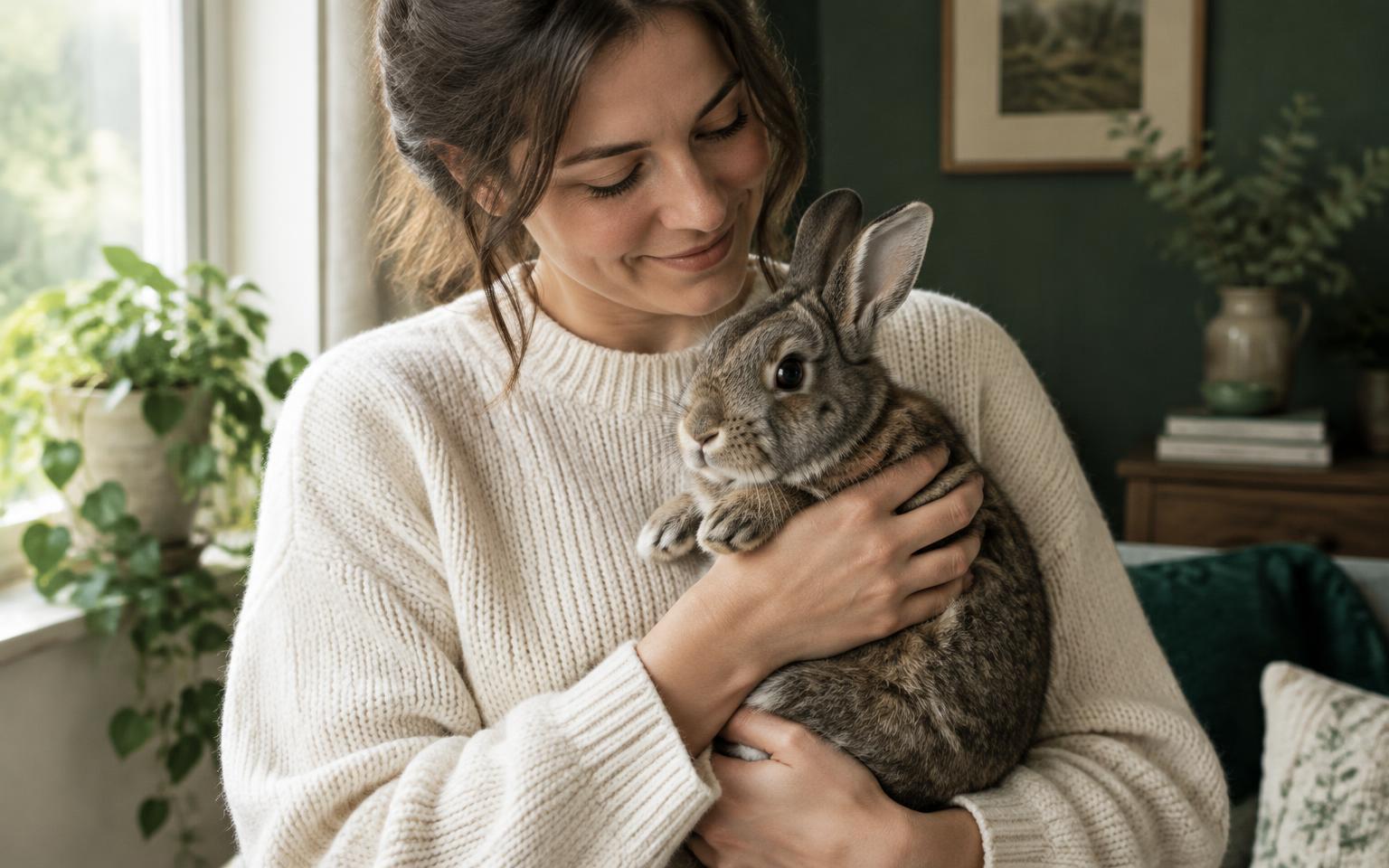
Teaching a rabbit to accept handling
Build a rabbit's confidence with being touched and briefly lifted for health checks and nail trims.
2–5 minutes daily · Rabbits
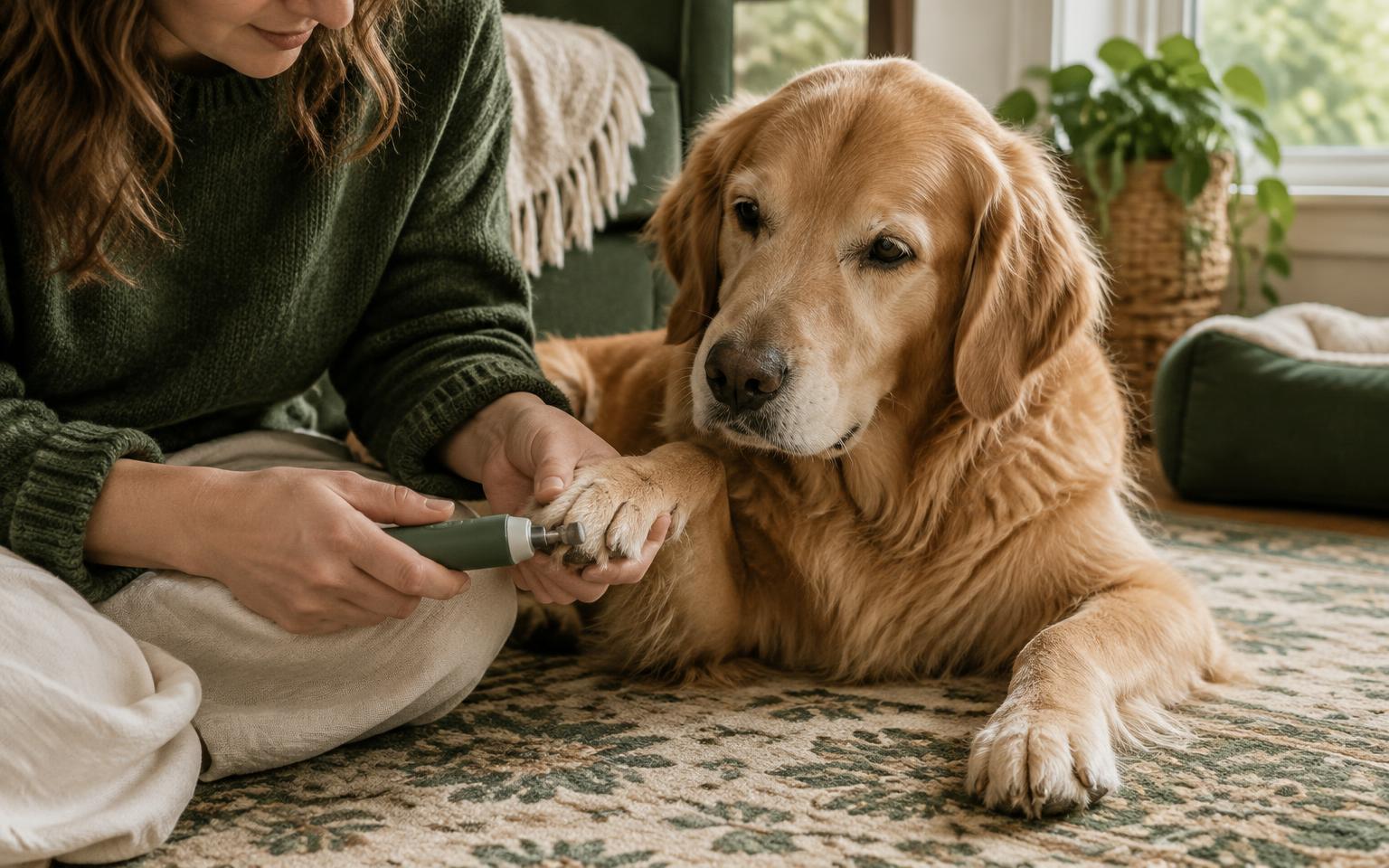
Introducing a nail grinder
Teach a dog to relax while its nails are ground, as an alternative to clippers.
3–5 minutes daily for 1–2 weeks · Dogs

Teaching a puppy to be alone
Build a puppy's tolerance for being alone gradually, preventing separation problems before they start.
Several short sessions daily over weeks · Dogs
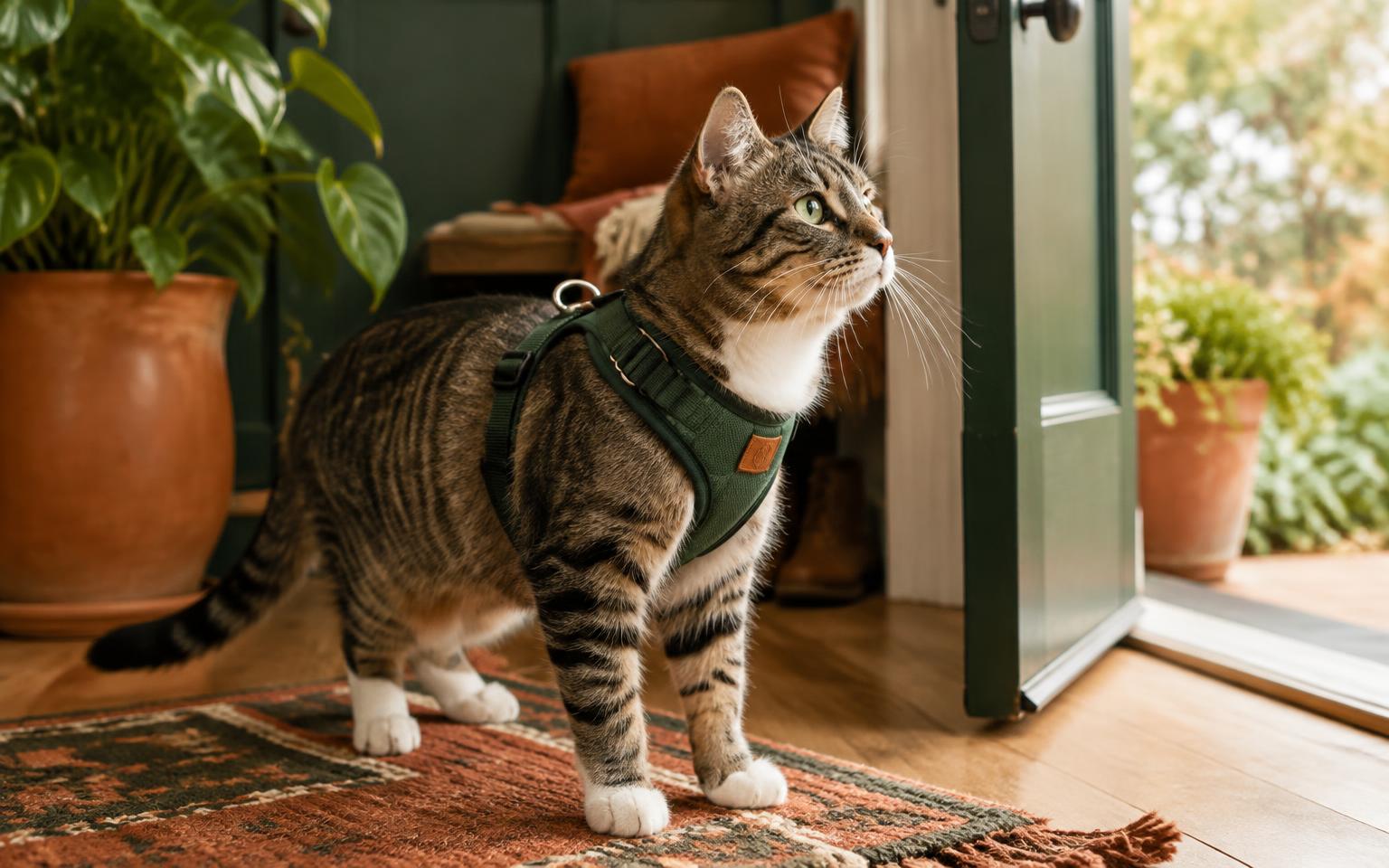
Harness training a cat
Teach a cat to accept a harness and lead for safe outdoor exploration.
5 minutes daily over 2–4 weeks · Cats
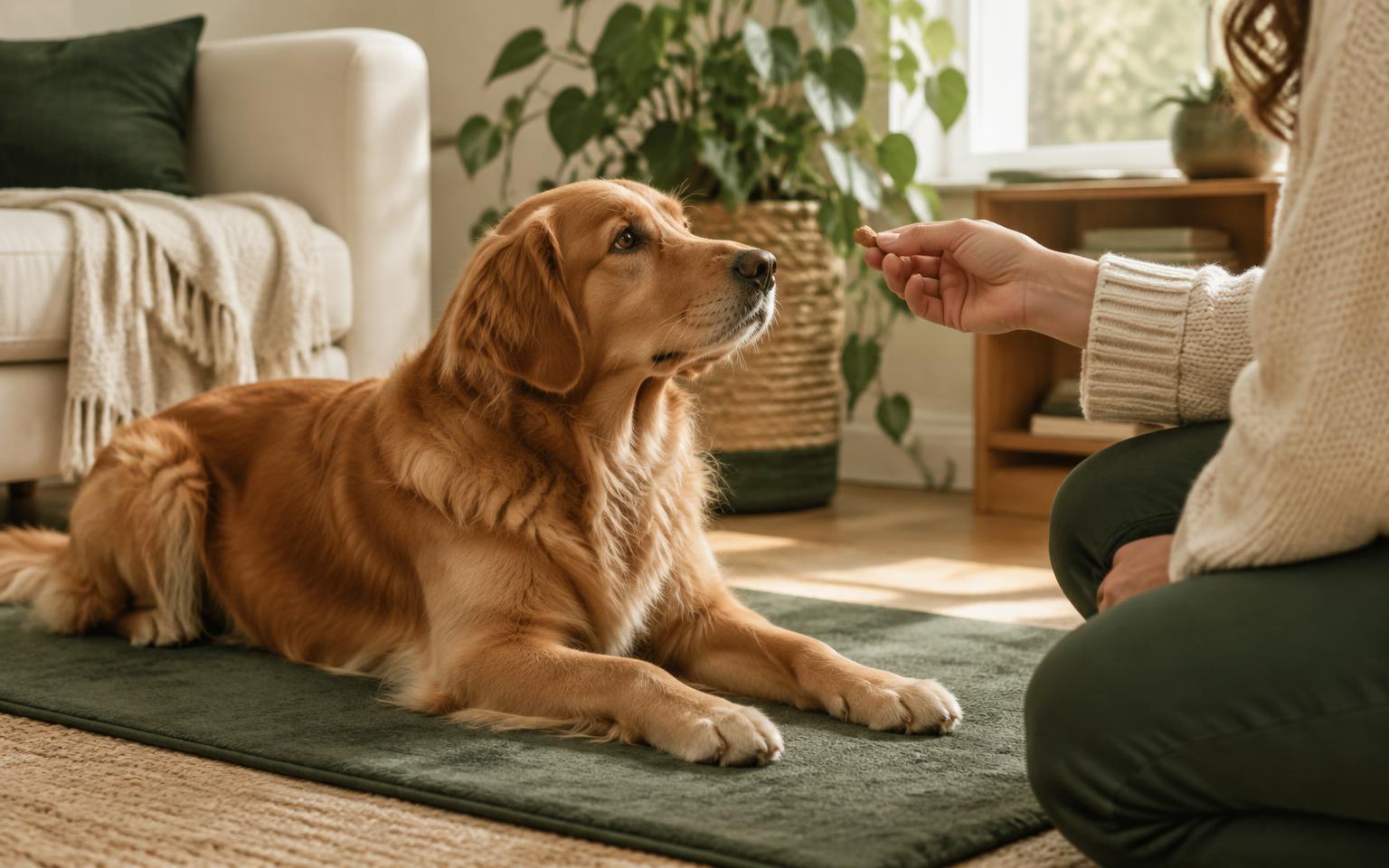
Teaching a relaxed down
Teach a dog to lie down calmly on a word or hand signal, using reward-based steps.
3–5 minutes, a few times a day · Dogs
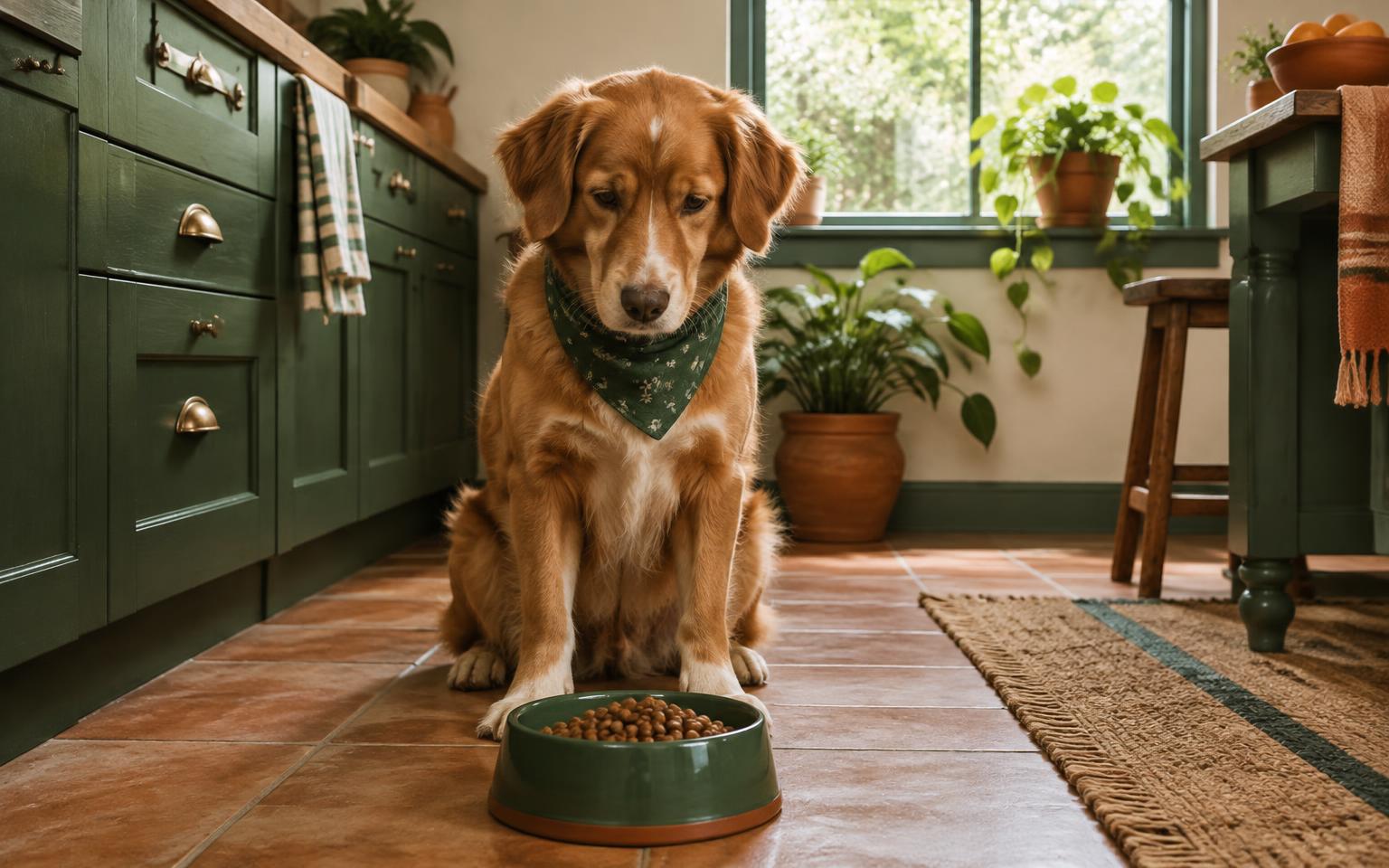
Waiting politely for food
Teach calm waiting while the food bowl is put down.
At each meal · Dogs
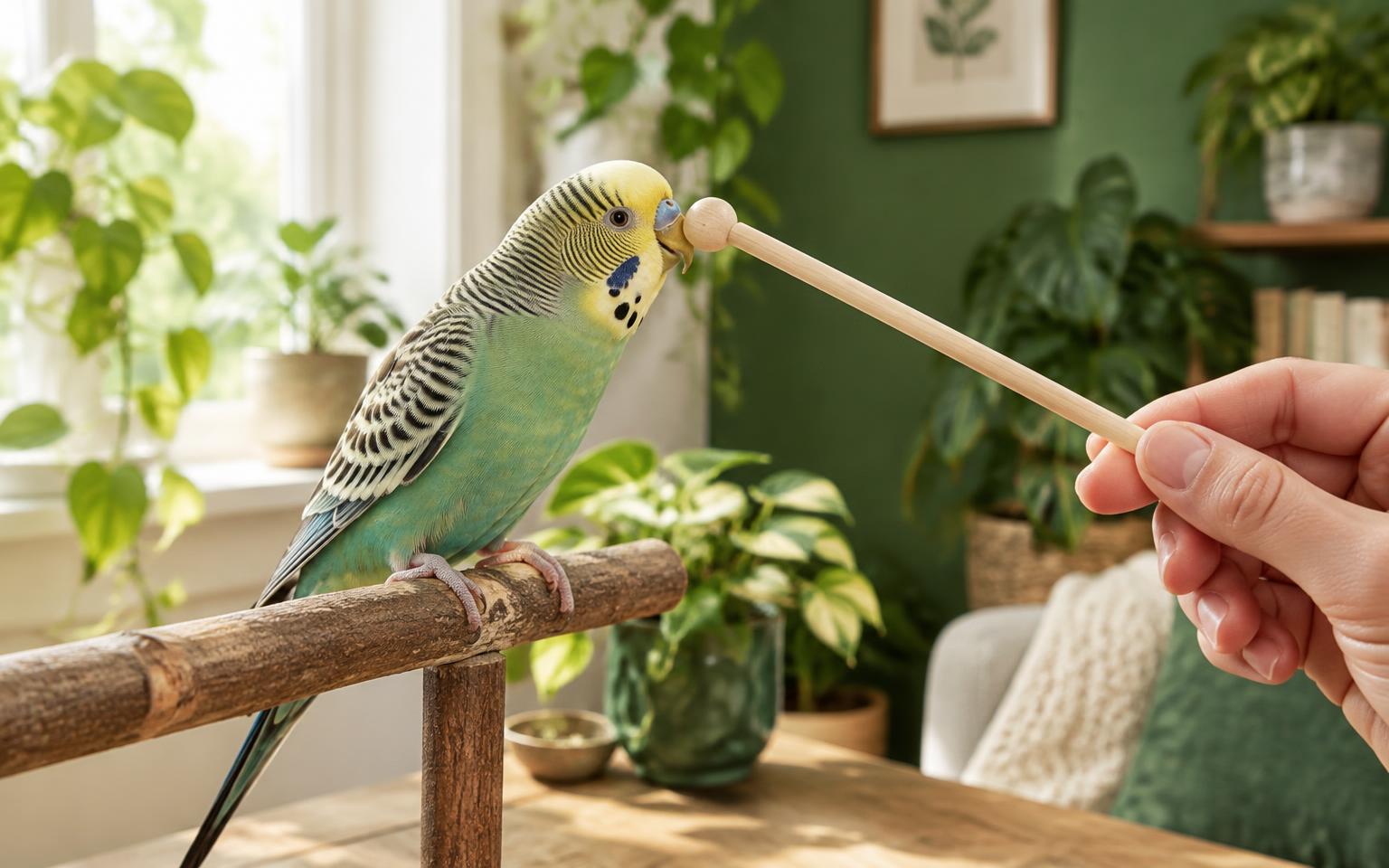
Target stick training for birds
Teach a parrot to touch a stick with its beak, as a foundation for stepping up and moving calmly.
1–3 minutes · Birds
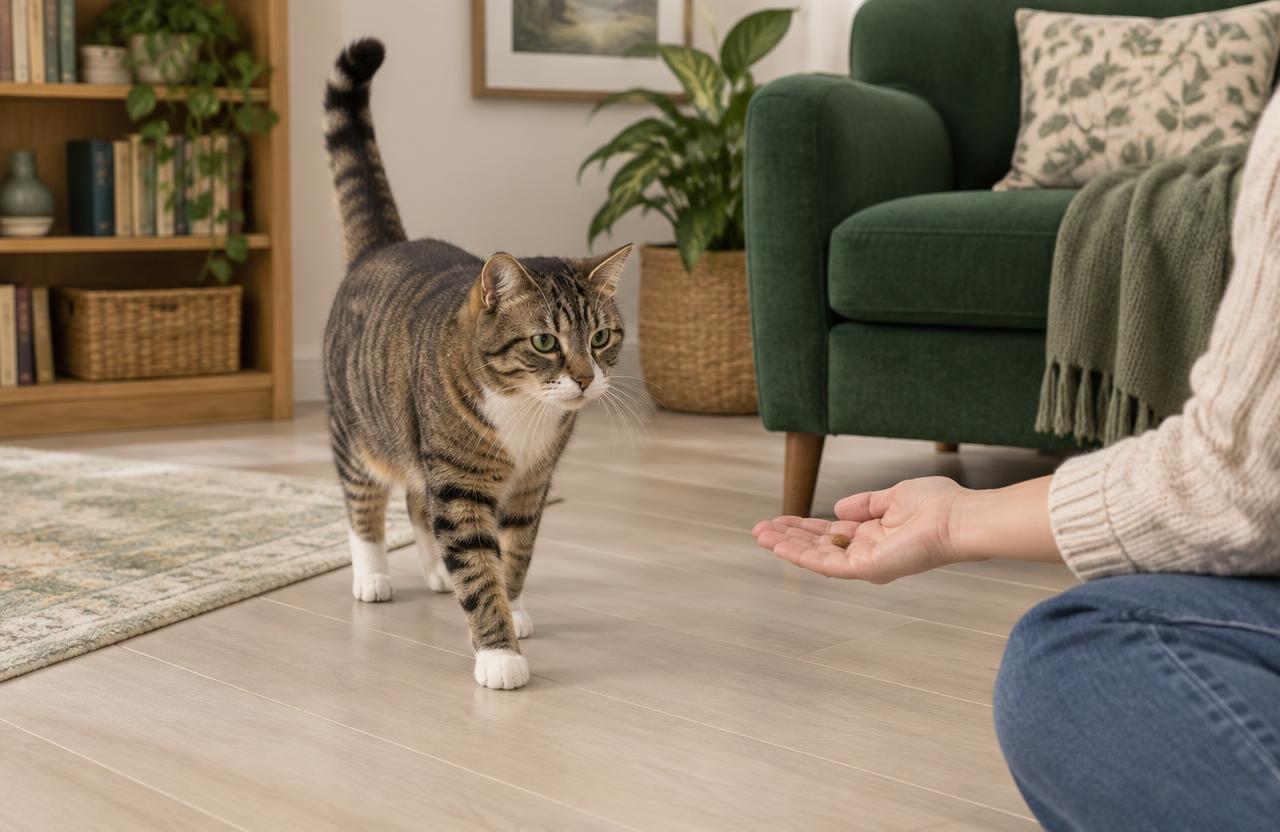
Recall for cats
Teach a cat to come to a sound, useful at mealtimes and emergencies.
1–2 minutes before meals · Cats
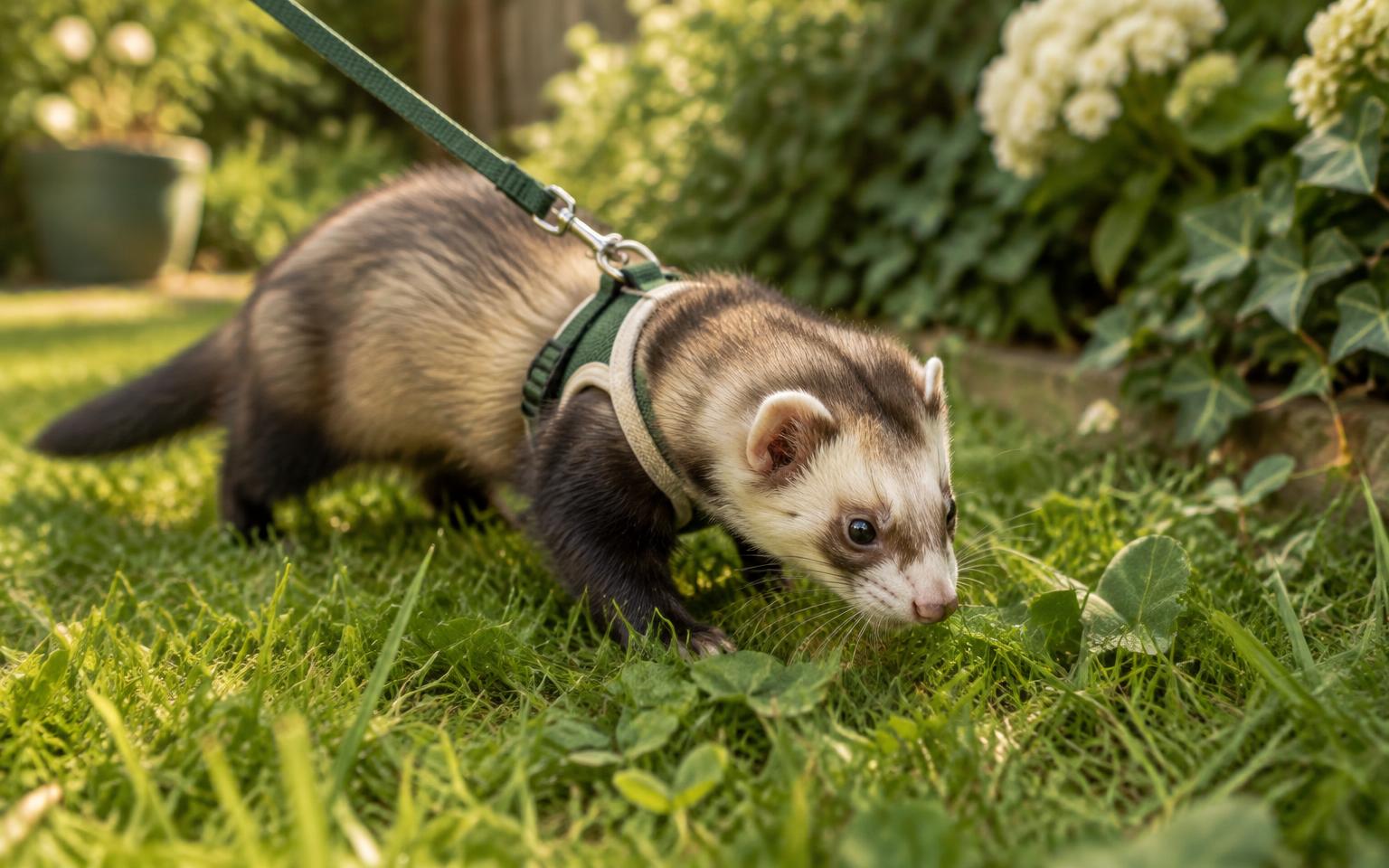
Harness walking for ferrets
Get a ferret comfortable in a harness for safe outdoor exploring.
5 minutes, daily for several weeks · Ferrets
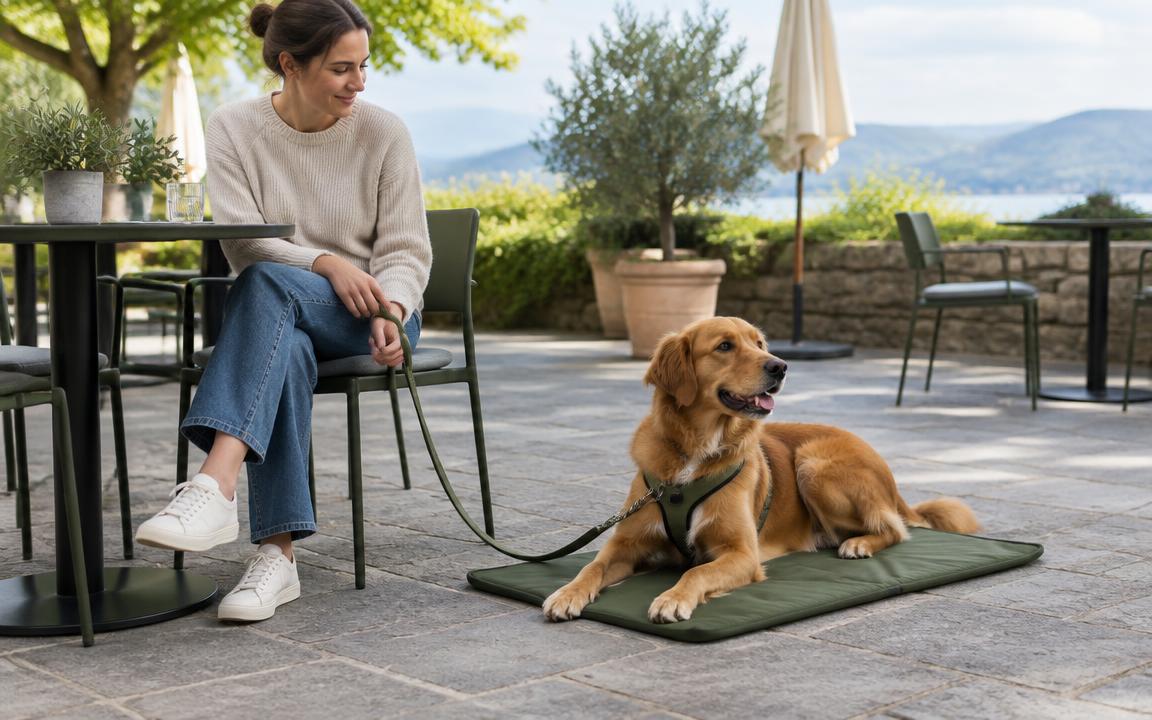
Settling comfortably in public places
Build voluntary relaxed mat behaviour in gradually busier places while respecting the dog's need for space and an easy exit.
Brief sessions, ending before fatigue or distress · Dogs