
Handling and care
Low-Stress Vet Visits: Preparing Dogs and Cats for the Clinic
Carrier training, practice handling and small choices on the day make vet visits safer and less frightening for pets and people.
Fear makes care harder
A frightened animal is harder to examine, more likely to bite, and may avoid being taken again. Fear Free and Cat Friendly Clinic programmes exist because gentle handling improves both welfare and the quality of care.
Make the carrier a normal piece of furniture
Most cats only see the carrier when something unpleasant happens. Change that weeks in advance.
- Leave the carrier out with a familiar blanket inside
- Drop treats or meals inside so going in becomes rewarding
- Choose a carrier whose top lifts off, so the cat can be examined in it
- Cover it with a towel in the car and at the clinic
Practise handling at home
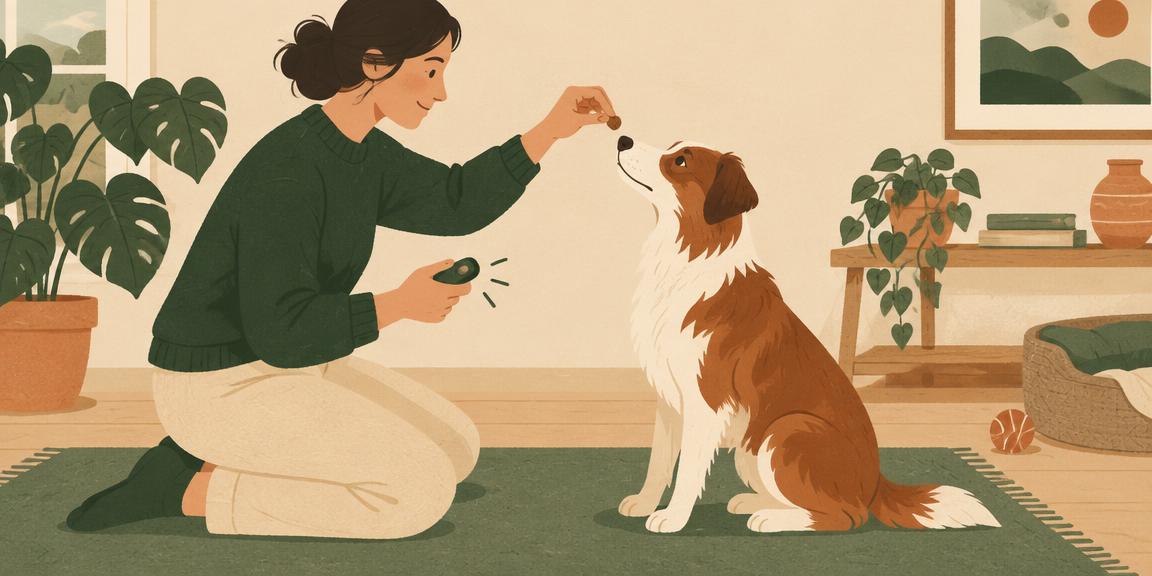
Pair brief touches of paws, ears and mouth with treats. Dogs benefit from learning a chin rest and from positive muzzle training, which makes a muzzle a non-event if it is ever needed.
On the day
- Bring favourite high-value treats (check first if bloods are planned)
- Wait in the car until called if the waiting room is busy
- Ask for cat-only waiting areas and a quiet room
- Ask your vet about pre-visit anti-anxiety medication for very fearful pets
Happy visits
Many practices welcome short social visits where your pet gets treats and leaves. These balance out the visits that involve injections.
Frequently asked questions
- Should I feed my pet before a vet visit?
- Usually a light meal is fine and helps treats work; skip food if your vet has asked for fasting before tests or sedation.
References
- Cat Friendly Clinic programme — International Cat Care / ISFM
- Fear Free Pets resources — Fear Free