
Petarium Daily · 5 October 2026 · 13 min read
What Is a Pet Health Plan? Coverage, Costs, and Value
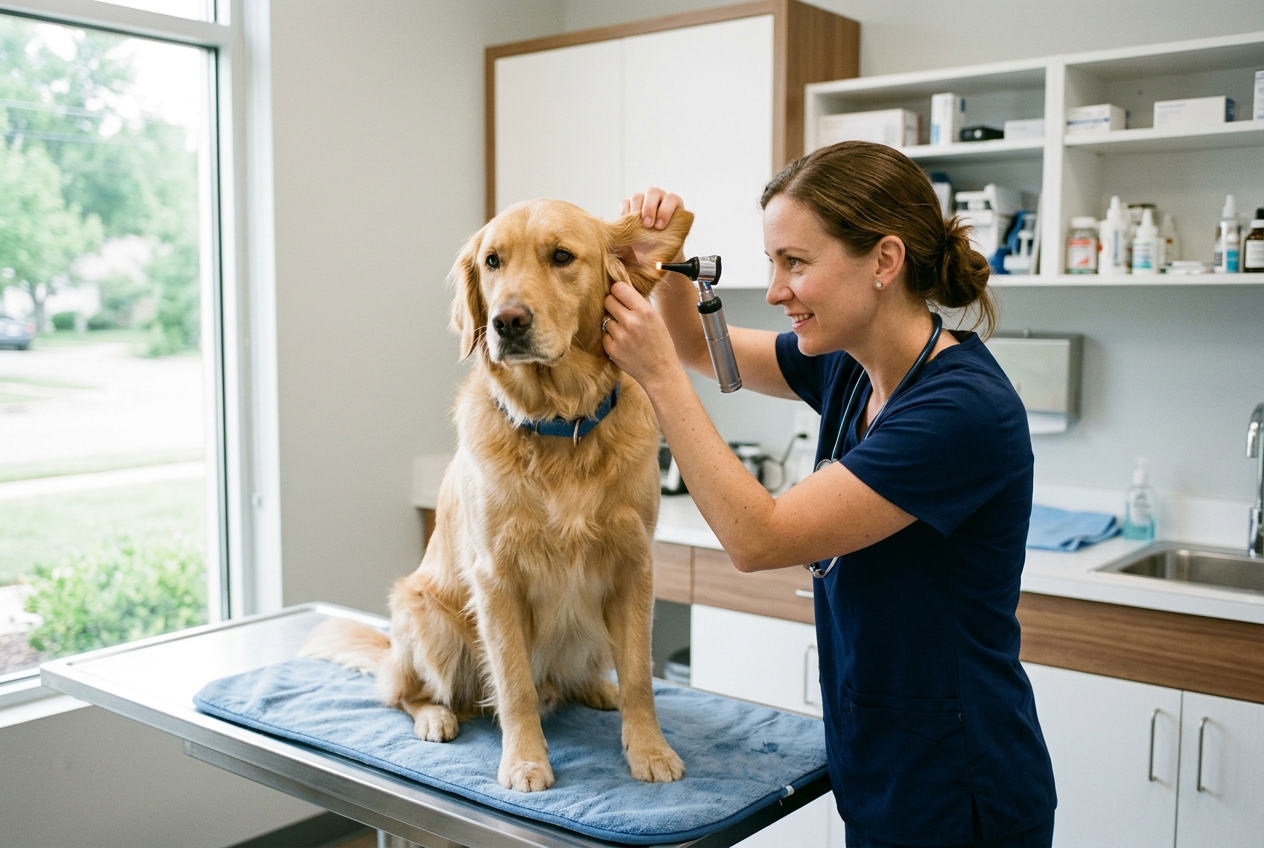
A pet health plan is a monthly subscription run by a veterinary practice that spreads the cost of routine, preventative healthcare such as vaccinations and parasite treatments. It is not insurance and does not cover unexpected illness, injuries, or emergency treatments.
Key takeaways
- Pet health plans cover predictable, preventative care like annual vaccinations, flea and worm control, and routine check-ups.
- A health plan is fundamentally different from pet insurance; it provides zero coverage for accidents, illnesses, or emergency surgeries.
- Monthly subscriptions in the UK typically range from £12 to £30 depending on the pet species, size, and specific practice bundle.
- Most clinics include complementary perks, such as discounted dental procedures, free microchipping, and routine claw clipping.
- Combining a preventative health plan with lifetime pet insurance provides the most comprehensive medical safety net.
A pet health plan—frequently marketed by veterinary surgeries as a pet care club or wellness plan—is a subscription-based payment arrangement designed to spread the cost of routine, preventative veterinary treatments over twelve equal monthly direct debits. Rather than facing unpredictable spikes in household expenditure when seasonal boosters or parasite treatments fall due, pet owners pay a set monthly fee that covers scheduled health maintenance directly through their chosen veterinary practice.
Crucially, a pet health plan is not pet insurance. While preventative plans handle predictable wellness treatments that maintain your animal's day-to-day welfare, they offer no financial protection against sudden illnesses, unexpected injuries, diagnostic scans, or emergency operations. Understanding this distinction is essential when structuring your pet's healthcare budget, as confusing preventative plans with insurance can leave families exposed to significant unexpected veterinary bills.
How Does a Pet Health Plan Work in Practice?
When you enrol an animal into a pet health plan, you enter a direct agreement with a specific veterinary practice or veterinary corporate group. The clinic calculates the standard annual cost of essential preventative measures—including core vaccinations, year-round prescription parasite prevention, and routine health reviews—and divides this total into manageable monthly instalments. In most cases, the practice applies an introductory discount of 10% to 25% off normal retail pricing as an incentive for ongoing client commitment.
Once registered, treatments are dispensed across the calendar year according to an agreed clinical schedule. Owners collect flea, tick, and worming medications periodically, bring their pet in for their annual physical examination and booster injections, and access routine consultations without paying separate itemised fees at the reception desk. Many schemes also incorporate home delivery options for parasite treatments, improving treatment compliance and convenience.
What Do Pet Health Plans Typically Cover?
Although exact benefits vary between clinics and target species, reputable veterinary practices structure their pet health plans around evidence-based preventative guidelines. The goal is to provide consistent, continuous baseline care that detects early clinical changes before they develop into advanced conditions. These preventative foundations align with the broader goals of animal welfare, supporting physical fitness as framed within the Five Domains Model of animal welfare.
- Annual core vaccinations: Initial primary courses or annual booster injections against major canine and feline infectious diseases, including distemper, parvovirus, infectious hepatitis, leptospirosis, cat flu, and feline leukaemia virus.
- Year-round parasite control: Veterinary-grade, prescription-strength flea, tick, roundworm, tapeworm, and lungworm preventatives dispensed quarterly or posted directly to your door.
- Comprehensive clinical examinations: At least one full annual health check (often timed alongside vaccinations), with many plans including an additional mid-year consultation conducted by a vet or registered veterinary nurse.
- Routine nail trimming and anal gland expression: Complementary auxiliary appointments performed by registered veterinary nurses during scheduled clinic sessions.
- Microchipping: Implantation and initial registration on a DEFRA-compliant database, typically included for puppies and kittens during their initial vaccination course.
- Practice-wide treatment discounts: Tiered percentage reductions (often 10% to 20%) applied to elective procedures, including routine neutering, dental descaling, rabies vaccination, and retail pet food purchased on-site.
What Is Excluded from a Pet Health Plan?
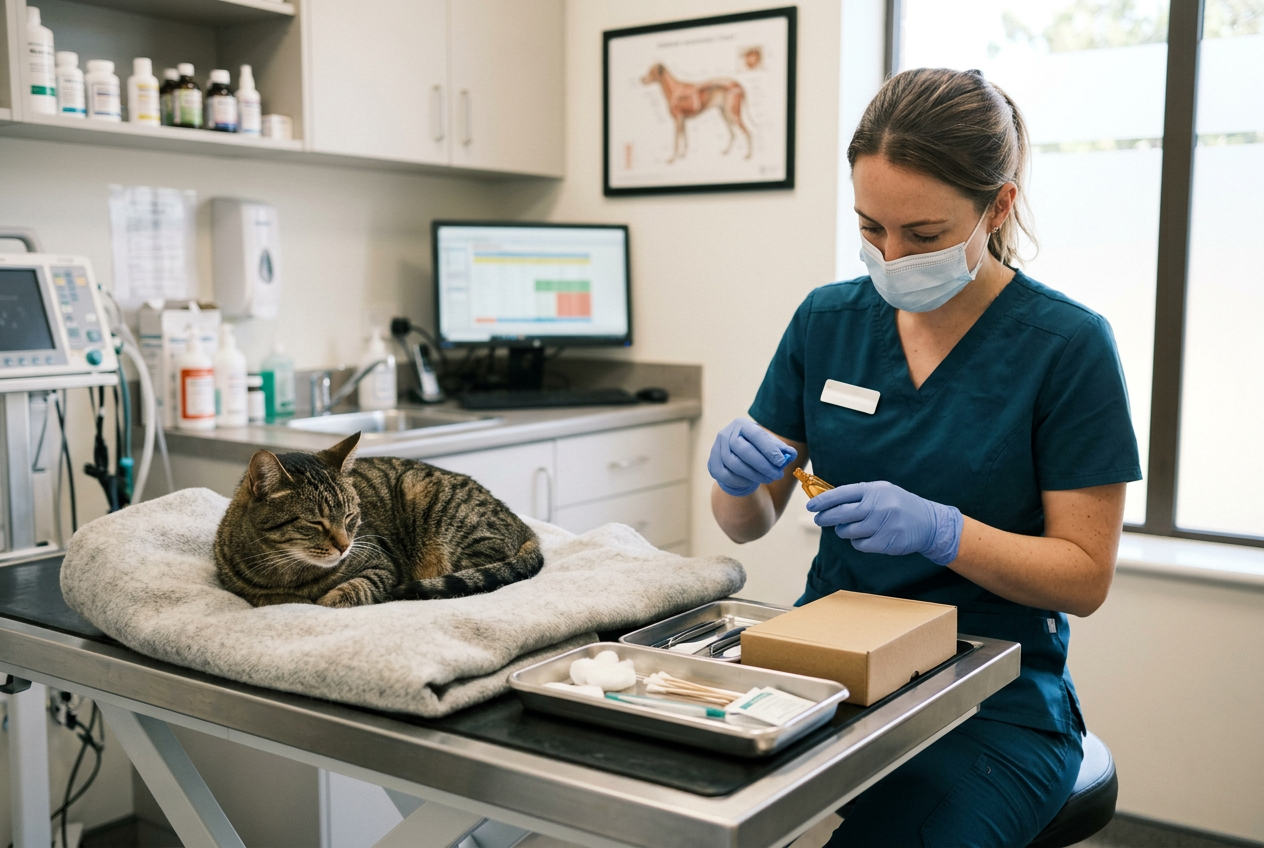
The single most common point of confusion among pet owners is assuming that a clinic health plan acts as a universal safety net. In reality, pet health plans explicitly exclude acute medical conditions, complex diagnostics, and trauma management. The veterinary staff deliver preventative services, but the monthly fee does not cover the expenses incurred when an animal becomes unwell.
If your dog develops a limp that requires radiography, or your cat suddenly develops severe vomiting requiring hospitalisation and intravenous fluids, none of these interventions will be paid for by your wellness plan. Similarly, long-term prescription medications for chronic conditions—such as daily therapy for chronic kidney disease in cats or long-term anti-inflammatory medications for canine osteoarthritis—are not funded through health plan subscriptions, though some practices provide small discretionary discounts on long-term drug dispenses.
Common Exclusions at a Glance
- Diagnostic blood panels, urine tests, ultrasound scans, and X-rays performed to investigate symptoms.
- Out-of-hours emergency fees and unscheduled night-time hospital admissions.
- Surgical repair of traumatic injuries, such as fractured limbs, bite wounds, or vehicular trauma.
- Prescription medications used to treat diagnosed acute or chronic diseases.
- Orthopaedic surgery, spinal therapies, and referral consultations with specialist veterinary centres.
- Complementary therapies such as hydrotherapy, acupuncture, or clinical behavioural consultations.
Pet Health Plan vs Pet Insurance: Understanding the Difference
To protect both your pet's physical wellbeing and your personal finances, it helps to view preventative health plans and insurance policies as complementary tools rather than interchangeable options. While health plans cover predictable wellness overheads, insurance mitigates volatile financial risk. Understanding how pet insurance policies actually work makes it clear why both products frequently sit side by side in a household budget.
Recent trends reflect this combined approach. As highlighted in our look at the rise of pet insurance uptake, veterinary medicine now offers advanced diagnostic and surgical options that were previously limited to human hospitals. Because pet health plans never fund advanced medical treatments, relying solely on a monthly clinic plan leaves an owner fully exposed to catastrophic bills running into thousands of pounds.
| Feature | Pet Health Plan | Pet Insurance Policy |
|---|---|---|
| Provider | Your local veterinary practice or clinic group | Regulated financial insurance underwriters |
| Primary Purpose | Budgeting for routine, preventative wellness care | Protecting against unexpected injury, illness, and accidents |
| Vaccinations & Flea Control | Included as the core subscription benefit | Excluded (standard policies exclude routine preventative care) |
| Emergency Surgery & Diagnostics | Excluded entirely | Covered (subject to policy excess, limits, and exclusions) |
| Policy Excess | No excess; treatments are prepaid monthly | Fixed excess (£60–£150+) plus optional co-payment |
| Clinic Portability | Tied directly to the issuing practice/group | Valid at any registered veterinary surgery across the UK |
| Pre-existing Condition Rules | Irrelevant; preventative care is open to all pets | Strict exclusions apply to conditions diagnosed prior to inception |
How Much Does a Pet Health Plan Cost?
Subscription rates for pet health plans vary based on the species, life stage, and adult weight of the animal. Because larger dogs require significantly larger volumes of active pharmaceutical ingredients for effective parasite control, canine plans are graded into distinct weight tiers. Cat and rabbit plans generally have flat rates across adult sizes.
In the UK, typical costs range from £10 to £16 per month for rabbits, £12 to £20 per month for domestic cats, and £15 to £35 per month for dogs depending on whether they fall into small, medium, or giant breed categories. Over twelve months, total plan expenditure generally amounts to £140 to £400 per animal.
Typical Monthly Pet Health Plan Cost by Animal Size (UK)
Is a Pet Health Plan Worth the Money?
Evaluating whether a pet health plan delivers genuine financial value requires a straightforward calculation: tally the pay-as-you-go cost of the treatments you would realistically buy from your vet anyway, and compare that against the annual direct debit total. If you reliably vaccinate your dog annually and buy prescription parasite preventatives from your veterinary surgery, a health plan almost always delivers measurable savings, usually between 10% and 30% per year.
Furthermore, pet health plans provide qualitative value beyond simple arithmetic. Having two scheduled clinical touchpoints each year increases the likelihood of detecting insidious conditions early. Routine physical examinations frequently identify subtle heart murmurs, early periodontal disease, silent weight changes, and initial signs of joint stiffness before an owner notices obvious outward signs at home.
When a Health Plan Delivers Strong Value
- You prefer clinic-dispensed prescription parasite treatments: High-tier veterinary products covering ticks and lungworm often cost £15 to £25 per month when purchased as standalone items; bundling them into a plan lowers the unit cost.
- You have a young puppy or kitten: First-year wellness plans bundle the full primary vaccination series, microchip, flea/worm courses, and adolescent health checks, delivering substantial first-year savings.
- You value predictable household budgeting: Direct debits spread preventative expenditure evenly, preventing a sudden spike of £150 or more when annual boosters are due.
- Your pet requires frequent minor nurse procedures: If your dog requires routine nail trims or anal gland emptying every two months, the inclusion of free nurse appointments easily justifies the plan on its own.
When a Health Plan Might Not Be Worth It
- You purchase over-the-counter parasite treatments online: If you choose to manage parasite prevention via non-prescription treatments purchased from licensed online veterinary pharmacies, your annual spending may already sit below the health plan direct debit threshold.
- You rarely attend routine appointments: If you frequently miss scheduled preventative reviews or do not keep up with booster schedules, paying an active monthly direct debit results in paying for services you never collect.
- You move frequently or use multiple clinics: Because the plan is bound to one practice group, switching practices cancels the agreement. If you cancel mid-year having collected treatments valued higher than the fees paid so far, clinics will invoice you for the outstanding balance.
Health Plans for Specific Species: Dogs, Cats, and Rabbits
Veterinary practices usually tailor plan tiers to the physiological requirements of different companion species. For dogs, plans place particular emphasis on comprehensive vector-borne parasite protection and lifestyle vaccines, such as *Leptospira* boosters for dogs that swim in open waterways or kennel cough vaccines for those that socialise frequently.
Cat health plans commonly address feline viral rhinotracheitis, calicivirus, and feline panleukopenia, alongside feline leukaemia virus (FeLV) for outdoor cats. Parasite regimens are adapted depending on whether a cat hunts actively outdoors or remains strictly indoors, as indoor cats face different risk profiles regarding ticks and lungworm.
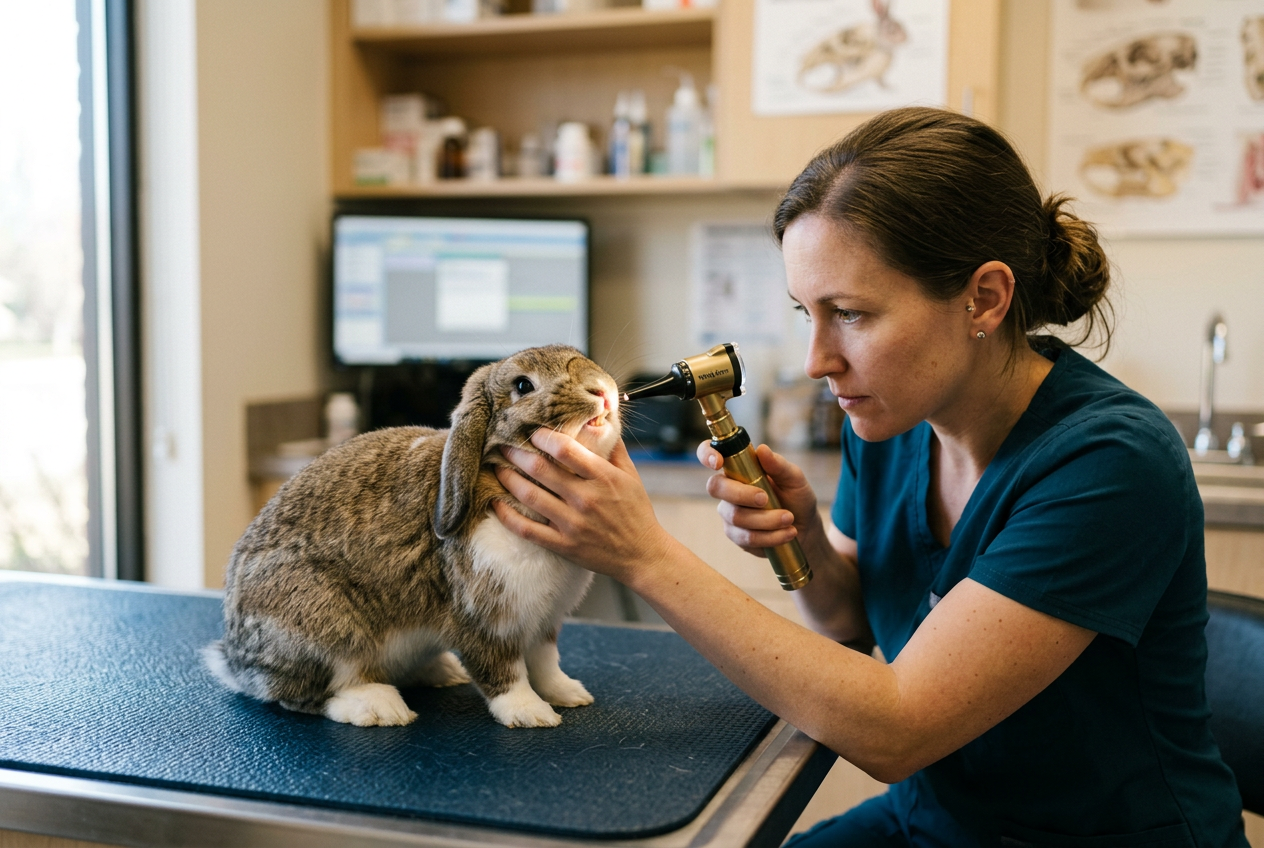
For lagomorphs, dedicated rabbit health plans are increasingly common in exotic-friendly practices. These schemes include the essential combined myxomatosis and Rabbit Haemorrhagic Disease (RHD-1 and RHD-2) annual vaccine, regular summer flystrike prevention, and crucial dental reviews. Routine dental assessments are critical for identifying early malocclusions, an issue explored thoroughly in our guide to rabbit dental disease, which works alongside complete indoor house rabbit care to safeguard long-term health.
How to Enrol in a Pet Health Plan: A Step-by-Step Guide
- 1
Review your clinic's specific plan schedule
Request a detailed breakdown of the treatments included in your vet's wellness plan. Check whether consultations are unlimited or restricted to one or two checks per year, and confirm whether tick and lungworm coverages are included.
- 2
Weigh your pet accurately
Because canine subscription pricing is banded by adult weight, ensure the clinic has an up-to-date baseline weight on file so you are billed for the appropriate dosing bracket.
- 3
Set up the Direct Debit instruction
Most practices use third-party direct debit administrators (such as Premier Vet Alliance or Easy Direct Debit). Complete the banking mandate either at the clinic reception or via their secure online portal.
- 4
Book your initial health assessment
Schedule the first included appointment. If your pet is due their booster or primary vaccination course, that treatment is immediately covered under the new arrangement.
- 5
Establish your collection or delivery calendar
Confirm how parasite treatments will be supplied. Some clinics dispense three to six months of treatments during your check-up; others post monthly pipettes directly to your house.
Health Plans for Older Pets: Supporting Senior Wellness
As companion animals age, their veterinary requirements transition from simple disease prevention toward proactive chronic disease detection. When adopting a senior dog or caring for an ageing cat, routine health plans become exceptionally useful because frequent veterinary nurse touchpoints help monitor subtle changes in body condition, hydration, and mobility.
Recognising this, several veterinary groups offer dedicated 'Senior Wellness' tiers. These packages expand upon the basic booster-and-flea structure to incorporate routine senior screening protocols, such as annual blood pressure measurements, screening biochemistry blood panels to check hepatic and renal markers, and routine urinalysis to screen for early protein loss. Identifying emerging organ dysfunction early allows for dietary and medical interventions that meaningfully prolong quality of life.
Key Questions to Ask Before Signing Up
Before completing a direct debit agreement, read the terms and conditions carefully. Knowing how your clinic manages cancellations, treatment intervals, and missed collections prevents unexpected administrative friction.
- What is the cancellation policy? Most plans run on a 12-month rolling contract. If you cancel mid-contract after receiving services whose retail value exceeds the sum of your monthly payments, you will be liable to pay the difference.
- Are consultations free or discounted? Some premium plans offer completely unlimited standard veterinary consultations year-round; other standard plans only cover the specific vaccination assessment and one nurse check.
- Which parasite brands are dispensed? Check whether the prescription products used cover local risks. If you live in an endemic lungworm area or travel where ticks are prevalent, ensure the chosen product portfolio addresses these specific parasites.
- Is home delivery included? Having monthly parasite treatments posted to your front door avoids the hassle of driving to the clinic to collect blister packs every three months.
Frequently asked questions
Can I use a pet health plan instead of pet insurance?
No. A pet health plan only covers predictable, routine preventative healthcare such as vaccinations and parasite treatments. It provides no financial support for accidents, sudden illnesses, diagnostic workups, emergency operations, or out-of-hours hospitalisation. Relying on a health plan without insurance leaves you fully exposed to unexpected medical bills.
What happens if I cancel my pet health plan early?
Because health plans spread the annual cost of treatments across twelve equal monthly instalments, cancelling mid-year usually triggers a balance reconciliation. If the retail value of the vaccines, treatments, and appointments you have received exceeds the total payments made to date, the veterinary clinic will invoice you for the difference.
Can I transfer my pet health plan if I move to a new vet?
Generally no. Health plans are direct commercial contracts between you and a specific clinic or veterinary group. If you move house or switch to an independent clinic, you must cancel your current plan and enrol in the scheme offered by your new veterinary practice.
Do pet health plans cover routine dental work?
Most pet health plans do not include full dental cleanings, extractions, or anaesthesia as standard benefits. However, almost all plans include free routine nurse dental checks, and many offer members a 10% to 20% discount on professional dental descaling and polishing procedures carried out under general anaesthesia.
Is microchipping included in a pet health plan?
Yes, many puppy and kitten wellness plan tiers include a microchip and database registration at no extra charge, typically implanted during the initial vaccination series. For older pets that already have a microchip, practices often substitute this perk with an alternative service, such as a voucher or initial claw trim.
Are pet health plan fees fixed, or do they increase as my pet ages?
Unlike pet insurance premiums—which rise steeply as pets grow older due to increased disease risks—basic health plan fees remain relatively stable across an adult pet's life. Fees only adjust if the practice alters its overall pricing structure, or if a growing dog moves up into a heavier weight bracket requiring larger medication doses.
Does a pet health plan cover pre-existing medical conditions?
Yes, in the sense that having a pre-existing medical condition will not prevent your pet from joining a health plan. Because health plans only deliver routine preventative treatments (like flea spot-ons and boosters), pre-existing illnesses are irrelevant to eligibility. However, the plan will not pay for the medications or tests needed to manage that pre-existing illness.
Sources and further reading
- Pet Healthcare and Wellness Planning — British Veterinary Association (BVA)
- Code of Professional Conduct: Pet Health and Welfare — Royal College of Veterinary Surgeons (RCVS)
- Pet Health Advice and Preventative Care — PDSA
- Dog Vaccinations and Preventative Healthcare Guide — Dogs Trust
- Cat Healthcare, Vaccinations and Parasite Control — Cats Protection
- Routine Care and Pet Well-being — RSPCA
More from Petarium Daily
- House Rabbit Care: The Complete Indoor Guide
House rabbit care involves providing a large, predator-safe indoor living space, a high-fibre diet dominated by feeding hay, and companionship from a neutered partner. By thoroughly rabbit-proofing your living areas and monitoring daily digestive health, indoor rabbits can thrive safely alongside your family.
- Cat Body Language: How to Read Your Cat's Subtle Signals
Cat body language is a sophisticated visual communication system relying on subtle shifts in the ears, eyes, tail, whiskers, and overall posture. Because cats are both solitary hunters and prey animals, recognising these understated signals is essential for preventing fear, reducing stress, and building trust.
- How to Toilet Train a Puppy: A Kind, Practical Guide
To toilet train a puppy, take them to a suitable toilet spot frequently, reward them immediately after they finish and prevent accidents through close supervision. Expect gradual progress over weeks to months, with night-time breaks and adjustments for your puppy’s age, health and individual needs.