
Petarium Daily · 11 November 2026 · 15 min read
Does Cat Behaviour Change After Spaying? What Owners Expect
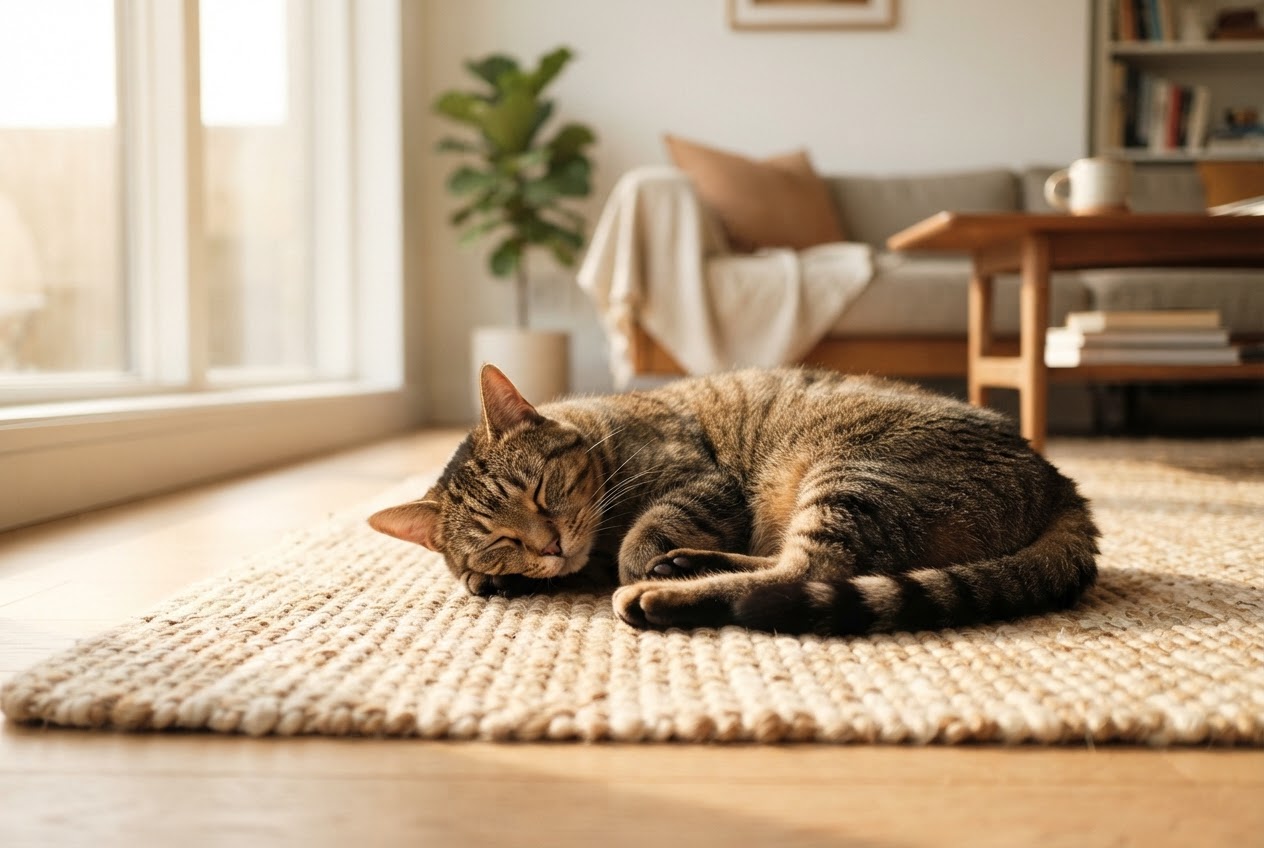
Spaying often leads to a reduction in mating-related behaviours like yowling and roaming, though a cat’s core personality typically remains unchanged. Owners should expect a temporary period of recovery where behaviour may differ due to pain or stress before their cat returns to normal.
Key takeaways
- Spaying eliminates heat-related behaviours such as excessive vocalisation and searching for a mate.
- A cat's basic personality and temperament are unlikely to change following the procedure.
- Metabolism may slow post-spay, requiring adjustments to diet to prevent weight gain.
- Recovery time generally lasts 10 to 14 days, during which your cat may be more subdued.
- Always consult a veterinarian if you notice sudden, aggressive, or persistent behavioural shifts post-surgery.
How does spaying affect a cat's hormones?
Spaying, or ovariohysterectomy, fundamentally alters your cat’s hormonal landscape by removing the primary source of reproductive hormones. During this routine surgical procedure, a veterinarian removes both the ovaries and the uterus, effectively stopping the body's production of oestrogen and progesterone. This physiological shift is permanent and has wide-reaching implications for your cat’s biology, moving them away from a reproductive state toward a more stable, non-breeding baseline.
Before the procedure, your cat’s behaviour is heavily influenced by these powerful sex hormones, which dictate seasonal cycles and encourage specific reproductive drives. The removal of the ovaries means that your cat no longer experiences the biological peaks associated with 'calling' or oestrus. Without the presence of these chemical messengers, the underlying urgency to find a mate or defend territory against rivals is significantly diminished. This removal is the primary reason why many owners notice a quietening of instinctual behaviours shortly after the surgery.
- Removal of the ovaries stops the production of oestrogen and progesterone.
- The biological urge to seek out a mate and engage in reproductive vocalisation is removed.
- Hormonal levels drop rapidly in the days following the surgery, rather than over a long duration.
- The cessation of these hormones eliminates the possibility of the cat entering a 'heat' or oestrus cycle.
- Metabolic needs may shift following the surgery, as reproductive hormones are linked to energy expenditure and appetite regulation.
This hormonal withdrawal does not happen over months; rather, it is a relatively rapid transition. Once the ovaries are removed, the circulating levels of sex hormones drop significantly within a matter of days. While the physical surgery involves recovery time for the incision site—often discussed further in resources like caring for a pet after surgery—the internal endocrine reset happens almost immediately. This allows the body to begin adjusting to a new homeostatic balance, free from the fluctuation of cyclic hormonal activity.
It is important to recognise that while hormones influence behaviour, they are not the sole architects of your cat's personality. Removing these chemical drivers will likely eliminate mating-specific actions, such as persistent yowling or increased restlessness, but it will not erase your cat's unique temperament or social habits. For many owners, the goal is simply to support the animal through this post-surgical phase, ensuring they have the quiet environment they need to heal while their system stabilizes. If you are preparing for this transition, you can find further advice on managing the recovery phase at caring for a pet after surgery.
Which specific behaviours stop after spaying?
Spaying effectively removes the hormonal drive to mate, meaning the intense, often disruptive behaviours associated with being in season (oestrus) will stop once the procedure has taken effect. While you may see a gradual decline in these habits immediately following the surgery, the long-term result is typically the complete cessation of behaviours specifically driven by the reproductive cycle.
One of the most noticeable changes for indoor cat owners is the end of excessive vocalisation. Female cats in heat often engage in persistent, loud, and rhythmic yowling—sometimes described as "calling"—intended to attract a mate. Because this behaviour is primarily a hormonal response triggered by the oestrous cycle, it generally disappears entirely after the ovaries are removed. Owners who have struggled with disrupted sleep often report this as the most immediate relief. For more insight into what normal feline communication looks like outside of the reproductive cycle, see our guide on how do cats communicate.
| Behaviour | Typical Status Before Spay | Typical Status After Spay |
|---|---|---|
| Excessive vocalisation (yowling) | Frequent and loud | Ceases completely |
| Urge to roam or escape | High (active seeking) | Reduced significantly |
| Floor-rolling and crouching | Common when in heat | Stops entirely |
| Abnormal grooming patterns | Increased and repetitive | Returns to normal |
Alongside the vocal changes, the strong instinct to roam or find a partner will significantly fade. Unspayed females are biologically driven to seek out a mate, which often leads to attempts to escape through doors or windows. Once spayed, this frantic, drive-based exploration usually stops, significantly lowering the risk of accidental injury or becoming lost. You will also notice that specific "heat" behaviours, such as hyper-affection, floor-rolling, or exaggerated grooming patterns, will no longer manifest. These actions are transient symptoms of the hormonal surge; without those hormones, the cat simply settles into her baseline, non-reproductive behaviour.
While these specific reproductive behaviours will cease, it is important to remember that surgery causes temporary discomfort. Your cat may exhibit unusual behaviour during the initial recovery phase, such as hiding, lethargy, or a temporary reduction in appetite. These are indicators of surgical recovery rather than hormonal changes. If you are preparing your home for the procedure, consulting caring for a pet after surgery can help you manage these short-term behavioural shifts effectively, ensuring you do not confuse normal postoperative recuperation with a lasting personality change.
Does a cat's personality change permanently?
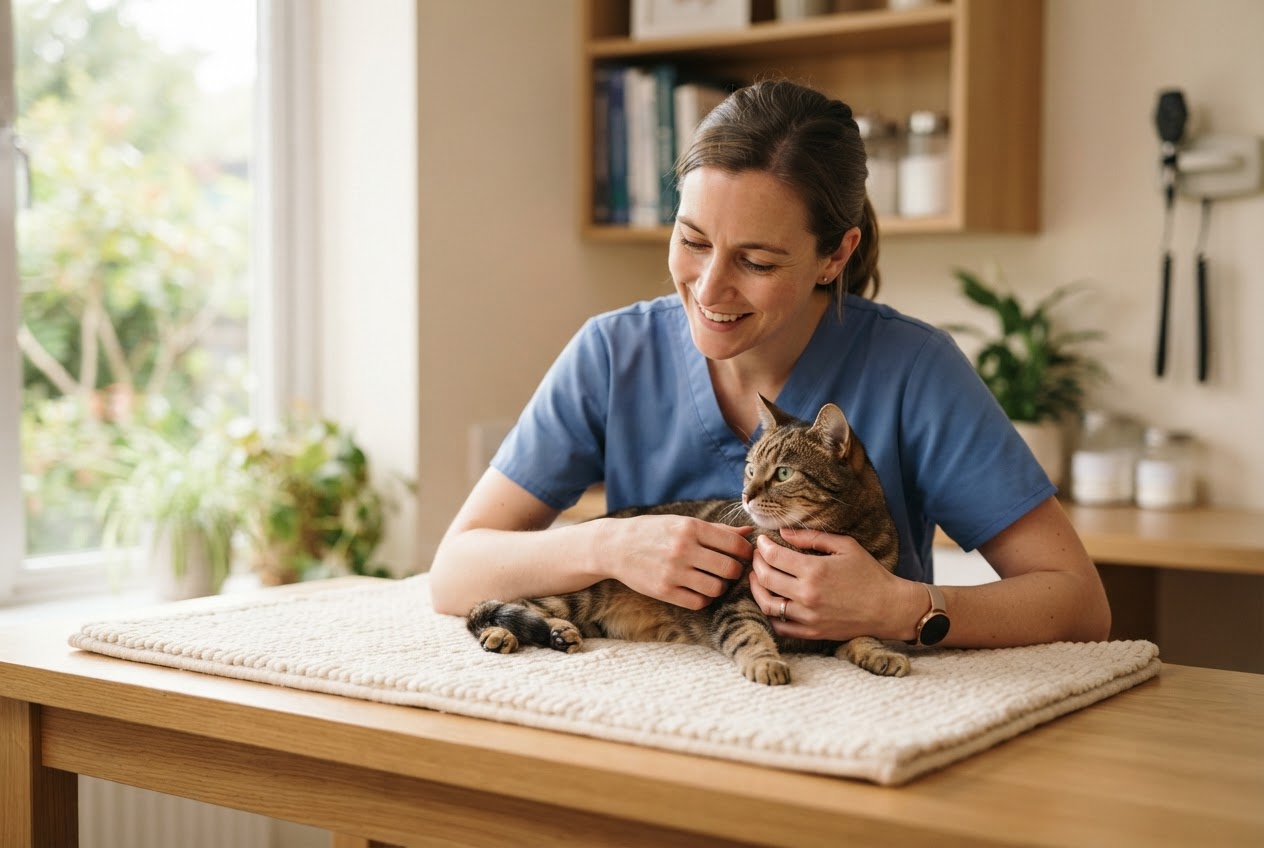
One of the most common myths regarding spaying is that the surgery fundamentally alters a cat’s personality or temperament. In reality, veterinary and behavioural consensus indicates that a cat’s core traits—such as their sociability, playfulness, and general affection for their human family—remain stable after the procedure.
It is easy to misinterpret post-operative recovery for a permanent personality shift. When a cat is no longer driven by the intense, often frantic reproductive urges associated with oestrus, their behaviour may appear different to an owner. A cat who previously spent evenings pacing, vocalising, or attempting to escape might suddenly seem 'calmer' or more settled, but this is simply the absence of hormone-driven distress rather than a change in character.
- 1
Document baseline behaviour
Before the surgery, take note of your cat’s regular activity patterns, favourite toys, and typical interactions with the household. Having an objective record helps you avoid projecting changes where none exist.
- 2
Separate recovery from personality
Understand that the first two weeks post-surgery involve pain management and restricted movement. Changes during this timeframe are temporary side effects of healing, not permanent character traits.
- 3
Monitor for genuine triggers
If you notice a sudden, lasting change in temperament that is concerning, look for external factors such as new pets, furniture changes, or neighbourhood cats. Environment is usually the culprit for sudden behavioural shifts.
- 4
Seek professional guidance
If a behaviour persists and negatively impacts your cat’s quality of life, consult a vet or a qualified behaviourist. You can search for support via our directory to ensure you are finding reputable advice.
A cat’s long-term personality is far more heavily influenced by their genetics, life stage, and environment than by reproductive surgery. As cats transition from kittenhood to adulthood, it is natural for their activity levels to ebb and flow; this development happens regardless of whether they have been spayed. For example, a young cat might naturally become less 'kittenish' and more reserved as they mature, which can coincide with the timeline of an owner’s decision to have them neutered.
The human-animal bond also plays a significant role in how we perceive our pets. Research into the science of the human-animal bond highlights that our own expectations and observations significantly shape our interpretation of animal behaviour. Because we anticipate a 'post-spay' change, we are more likely to scrutinise their daily habits and notice minor shifts that have always existed but were previously overlooked.
Ultimately, if your cat is generally affectionate, bold, or shy before surgery, these fundamental traits are expected to persist. If you are concerned about specific behavioural shifts, consider using a daily care routine to provide structure. This consistency often helps clarify whether a behaviour is a genuine response to stress or simply a natural part of their evolving adult personality.
Why might my cat gain weight after being spayed?
Weight gain is a frequently observed side effect in cats following spaying, primarily due to physiological and behavioural shifts that alter their energy balance. When a cat undergoes an ovariohysterectomy, the removal of the ovaries halts the production of sex hormones, which directly influences their metabolic rate. Consequently, many owners notice their cat becomes more prone to excess weight gain if their diet remains unchanged.
The reduction in sex hormones, specifically oestrogen, plays a notable role in regulating a cat's metabolic function and appetite. While individual responses vary, evidence suggests that the removal of these hormones can lead to a slight decrease in the resting metabolic rate. Essentially, your cat's body becomes more efficient at storing energy, requiring fewer daily calories to maintain its baseline functions compared to its pre-surgical state.
Beyond metabolism, the decline in energy expenditure is often the more significant factor. Before spaying, female cats may engage in high-energy behaviours such as restlessness, pacing, and searching for a mate. These activities burn considerable calories throughout the day. Once spayed, these mating-related activities typically cease, meaning the cat’s total daily caloric output decreases significantly. If an owner continues to feed the same volume of food, the excess energy is stored as fat. It is crucial to view nutritional intake not as a static requirement, but as a dynamic figure that must be adjusted based on the individual's activity levels and body condition.
Preventing obesity requires proactive management by the owner. Instead of relying solely on the feeding guidelines printed on food packets—which often provide generic ranges—monitor your cat’s physical shape closely. Use body condition scoring to feel for their ribs and observe their waistline from above. If you notice weight creeping up, consult your vet to determine an appropriate caloric reduction. Small, gradual adjustments to portion sizes are far more effective at managing weight than waiting until the cat becomes clinically obese, which can lead to further health complications.
How long does the recovery period last?
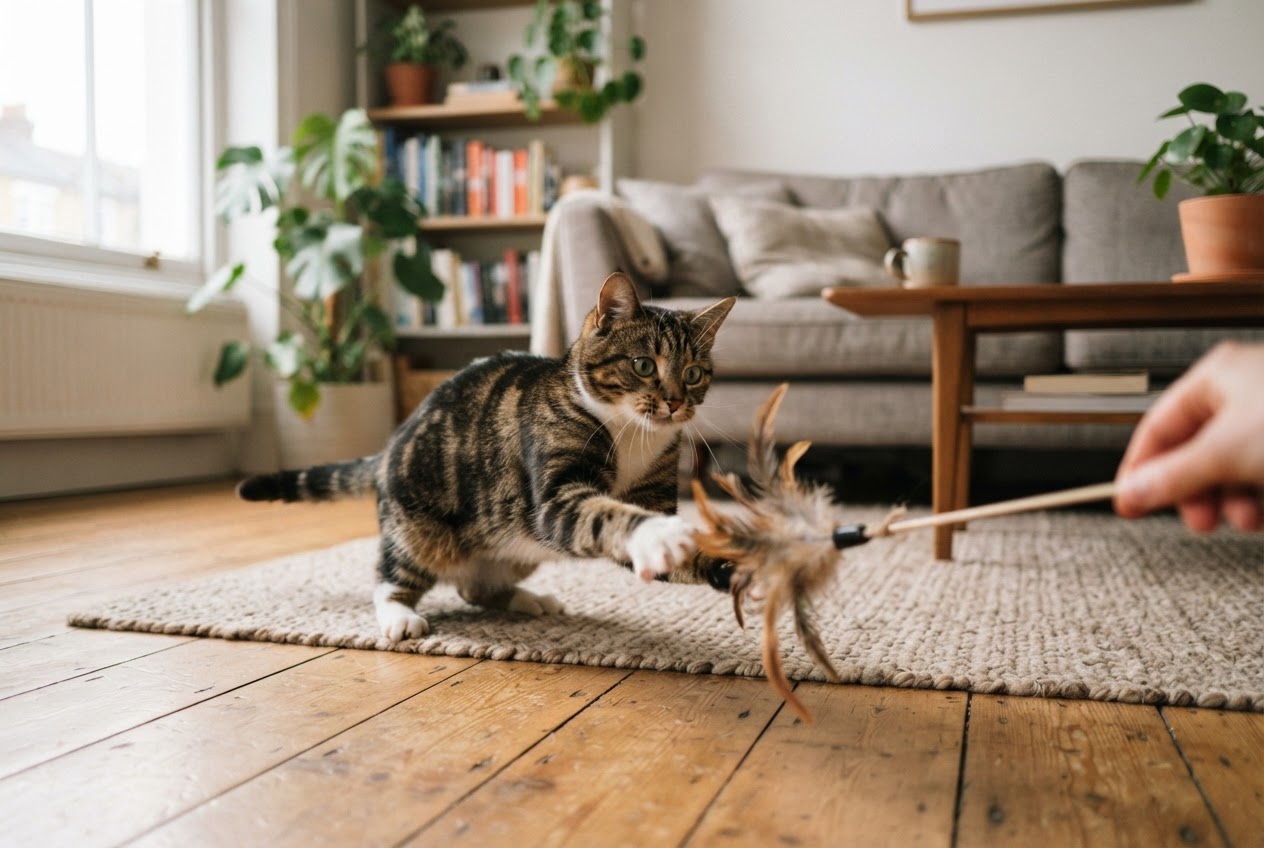
The primary recovery phase following a spay procedure typically lasts between 10 and 14 days. While many cats begin to show signs of improvement within 48 hours, this two-week window is critical for the surgical site to heal fully and for the internal tissues to knit back together. Owners should anticipate that their cat’s behaviour will not return to pre-surgery normal immediately, but instead will gradually shift back as the effects of the anaesthesia fade and postoperative discomfort subsides.
During the first 24 to 48 hours, it is normal for your cat to appear lethargic, subdued, or perhaps slightly disoriented. Residual effects from the general anaesthetic often cause this temporary behaviour; they may be less interested in food or play and prefer to hide in quiet, dark corners. You can find more comprehensive advice on managing this phase in our guide on caring for a pet after surgery.
Illustrative Stages of Post-Spay Recovery
Once the initial sedation wears off, the focus shifts to preventing complications. Because cats are naturally active, this is often the most challenging stage for owners. Your cat might feel physically capable of jumping or running before the internal stitches have gained sufficient strength, so restricting movement is essential. A quiet, low-stress environment prevents the exuberant activity that risks pulling at the wound. This is similar in principle to establishing boundaries during house-training a puppy, where consistent structure aids recovery and well-being.
If you notice your cat remains unusually dull, stops eating, or shows signs of significant pain beyond the first few days, you should contact your veterinary clinic immediately. Every individual recovers at a different pace, but persistent lethargy is not typical of a smooth recovery. Keeping a calm, consistent daily schedule helps reassure your cat, reducing stress levels that might otherwise impede healing.
By the end of the second week, most cats will have returned to their normal routine, and you can usually resume unrestricted activity. However, always verify with your specific vet, as they may suggest an extended period of rest based on the complexity of the surgery or your cat’s specific health history. Monitoring for subtle changes in demeanour is a vital part of responsible aftercare, ensuring that any deviation from the expected healing trajectory is addressed early.
What behavioural changes indicate a medical concern?
While your cat will experience some lethargy and mild discomfort immediately after spaying, most signs of recovery should improve daily. However, certain behavioural shifts are not normal and may indicate pain, infection, or complications arising from the procedure. It is vital that you monitor your cat closely during the initial recovery window, as subtle changes in habit often serve as your first warning sign that professional assessment is required.
You should expect your cat to be slightly quieter than usual for the first 24 to 48 hours as anaesthetic wears off and the initial discomfort settles. If your cat remains profoundly lethargic, refuses food or water, or appears to be in obvious pain—such as avoiding movement or crying when touched—past this two-day window, you must contact your veterinary clinic. These are significant indicators that your cat is not recovering as anticipated, and they require a prompt veterinary examination.
Persistent changes in personality, such as extreme hiding, aggressive posturing, or uncharacteristic withdrawal, are also concerning if they do not subside within a few days. While stress is a natural reaction to a clinical environment, it should be transient. If your cat continues to act unusually fearful or defensive well into the recovery period, it may be suffering from unmanaged pain or distress. Do not attempt to guess the cause; instead, seek guidance from your vet to ensure that medical factors are not contributing to the behavioural shift.
Furthermore, you should perform regular, calm checks of the surgical site. Indicators of complications include persistent swelling, weeping, redness, or an unpleasant odour emanating from the incision. If you notice your cat persistently licking, biting, or scratching at the wound, it is a clear sign that they are irritated or in pain, even if they otherwise seem active. Always use an e-collar or protective suit as advised to prevent self-trauma, but if the area looks inflamed despite these measures, professional intervention is necessary to rule out infection or suture reaction.
Remember that identifying potential complications early is key to a smooth recovery. Referencing established post-operative care guidelines will help you differentiate between normal, quiet behaviour and symptoms that require medical attention.
How can I support my cat during the post-spay transition?
Support your cat through the recovery phase by creating a calm, controlled environment that minimises stress and protects the surgical site. A proactive approach helps your cat return to their normal routine as quickly and safely as possible while preventing post-operative complications.
The most crucial aspect of post-operative care is restricting physical activity, which prevents the surgical wound from opening or becoming inflamed. Avoid letting your cat jump onto high surfaces like cat trees or shelves for the duration specified by your vet, usually ten to fourteen days. If your cat is particularly energetic, you may need to confine them to a smaller, quiet room to ensure they remain rested. For comprehensive advice on managing this period, see our guide on caring for a pet after surgery.
While your cat recovers, they might feel anxious or disoriented due to the lingering effects of anaesthesia or the presence of a recovery collar. You can support them by offering gentle affection, speaking in soft tones, and providing quiet companionship rather than boisterous attention. If you notice signs of stress, use positive reinforcement—such as small, healthy treats or calm verbal praise—when they exhibit relaxed behaviours to help rebuild their confidence and comfort.
The Importance of Follow-Up Appointments
Never skip the recommended post-spay check-up, even if your cat appears to have recovered completely. These appointments allow your veterinary team to verify that the incision site is healing correctly, remove any non-dissolvable stitches, and address any lingering behavioural or physical queries. If you have concerns about your cat’s progress, such as noticing persistent lethargy, swelling, or discharge around the wound, contact your clinic immediately for professional guidance rather than waiting for your scheduled appointment.
Observing Subtle Changes
During the transition, keep a close eye on your cat's eating and grooming habits, as these are often the first indicators of discomfort. Some cats may be reluctant to groom near their stitches, so you may need to assist them while ensuring the wound stays dry and clean. If their behaviour remains significantly altered beyond the typical recovery window, such as hiding excessively or refusing food, consult your vet to rule out complications. Understanding how to recognise a veterinary emergency is a key part of ensuring your cat's safety during this period.
Frequently asked questions
Will my cat stop spraying after being spayed?
While urine spraying is more common in unneutered males, female cats may also exhibit this behaviour when in heat. Spaying generally reduces the hormonal urge to scent-mark, though it is not a guaranteed cure if the behaviour has become a habit.
Is it normal for my cat to hide after surgery?
Yes, hiding is a common stress response. Most cats will return to their normal behaviour within a few days once they feel less discomfort and their environment feels secure again.
Can spaying cause sudden aggression?
Spaying does not cause aggression. If you notice sudden, uncharacteristic aggression, it is often a sign of pain or stress related to the surgical site rather than a personality change.
How soon after spaying can my cat play?
It is best to restrict intense activity and jumping for at least 10 to 14 days to allow the internal and external stitches to heal safely. Gentle engagement is usually fine.
Does my cat need a special diet immediately?
Immediately after surgery, your cat needs their usual, familiar food to aid recovery. Discuss potential weight management and diet transitions with your vet during the post-operative check-up.
What if my cat keeps meowing after spaying?
If the meowing continues long after the surgery, it may be due to pain, hunger, or a desire for attention. If it persists, it is worth a consultation to rule out medical issues or to discuss behavioural enrichment.
Sources and further reading
- Neutering your cat — Cats Protection
- PDSA — guidance library — PDSA
- Neutering your cat - all you need to know — International Cat Care
- Spaying and neutering — RSPCA
- VCA Hospitals — guidance library — VCA Hospitals
More from Petarium Daily
- How Much Is a Dog Health Check in the UK?
A routine dog health check in the UK typically costs between £30 and £60, depending on the clinic location and the depth of the examination. Prices will be higher if the visit includes vaccinations, blood tests, or additional diagnostic procedures.
- How to Care for Newborn Rabbits: Complete Kit Care Guide
Caring for newborn rabbits (kits) primarily involves supporting the mother rabbit, maintaining a warm and clean nest, and checking kits daily without causing distress. Mother rabbits naturally nurse only once or twice in twenty-four hours for just a few minutes, so apparent absence is normal behaviour rather than abandonment.
- What Dog Breed Has the Least Health Problems? A Vet Guide
Statistically, medium-sized crossbreeds and working dogs with moderate physical features suffer the fewest inherited health problems. Among pedigree dogs, breeds such as the Australian Cattle Dog, Border Collie, Whippet, and Brittany consistently report lower veterinary intervention rates and longer average lifespans.