
Petarium Daily · 14 November 2026 · 12 min read
Dog Diarrhoea: Causes, Care and When to See a Vet
Dog diarrhoea is a common symptom resulting from various causes, ranging from simple dietary indiscretion to serious underlying medical conditions. While mild, short-term cases can often be managed with supportive care, persistent or severe symptoms require prompt veterinary assessment.
Key takeaways
- Most mild cases of diarrhoea resolve within 24 to 48 hours with basic supportive care.
- Always contact your vet if your dog is lethargic, vomiting, or showing signs of pain.
- Blood or mucus in the stool warrants an immediate veterinary consultation.
- Do not administer human medications, as these can be toxic or fatal to dogs.
- A bland diet is often recommended, but consult your vet before making changes.
What are the common causes of dog diarrhoea?
Diarrhoea is not a disease itself, but a symptom indicating that your dog's gastrointestinal tract is irritated or malfunctioning. It occurs when material moves through the bowels too quickly, preventing normal absorption of water and nutrients, which results in loose or watery stools.
One of the most frequent causes is dietary indiscretion, often described as 'garbage gut'. This happens when a dog consumes something unsuitable, such as spoiled food, household waste, or non-food items, leading to rapid digestive upset. Similarly, sudden changes in diet—even to a high-quality brand—can disrupt the delicate balance of gut bacteria, causing temporary looseness as the digestive system struggles to adapt.
- Dietary indiscretion (scavenging or sudden food changes)
- Internal parasites (worms, protozoa)
- Viral or bacterial infections
- Stress and anxiety from environmental changes
- Ingestion of toxins or harmful foreign objects
Internal parasites, such as worms (roundworms, tapeworms) or protozoa like *Giardia*, are significant culprits, particularly in puppies or dogs with compromised immune systems. These organisms inhabit the gut, stealing nutrients and triggering inflammatory responses that lead to persistent diarrhoea. Regular preventative care and routine screening are essential to manage these risks effectively.
Viral and bacterial infections are another common trigger. Viruses often attack the lining of the intestines, while certain bacteria can cause illness if ingested via contaminated water or contact with infected animals. Such infections can sometimes range from mild, self-limiting cases to severe conditions requiring urgent intervention, especially in young or elderly dogs.
Finally, stress and environmental changes can manifest physically through the digestive system. Just as humans may experience 'nervous stomach', dogs undergoing significant life events—such as moving house, the introduction of a new pet, or changes in daily routines—can develop sudden diarrhoea. If you suspect anxiety is the cause, focusing on dog training tips or maintaining a calm, predictable environment may support their recovery.
How can you support your dog during mild diarrhoea?
When your dog experiences mild, short-term diarrhoea but remains bright, alert, and active, supportive home care can often resolve the issue within a day or two. The primary aim during this period is to maintain hydration, rest the digestive tract, and closely monitor your dog for any clinical changes that might signal a need for veterinary attention.
Dehydration is the most significant risk associated with loose stools, as dogs lose fluids and electrolytes faster than they can replace them. Ensure your dog has constant, unrestricted access to fresh, clean drinking water, encouraging them to drink small amounts frequently rather than gulping large quantities at once, which can sometimes trigger vomiting. If your dog seems reluctant to drink or is struggling to keep fluids down, contact your veterinary clinic immediately for guidance. Simultaneously, keep your dog quiet and rested; avoiding strenuous exercise or active dog training tips helps reduce physical stress on the body, allowing their system to focus energy on recovery.
| Action | Primary Goal | What to watch for |
|---|---|---|
| Constant access to water | Preventing dehydration | Reduced urination or dry gums |
| Frequent, small bland meals | Resting the gut | Vomiting or refusing to eat |
| Limited physical activity | Reducing bodily stress | Increased fatigue or lethargy |
| Documenting stool details | Identifying trends | Blood, mucus, or worsening consistency |
For mild digestive upset, a veterinarian may advise offering small, frequent meals of a simple, bland diet. This approach helps the gut recover without being overwhelmed by complex ingredients or high fat content. Do not introduce new foods, treats, or table scraps during this recovery phase, as these can easily exacerbate existing irritation. If you are uncertain whether your dog is stable enough for an adjusted diet, check your pet health plan coverage or call your practice for specific advice on safe, easily digestible food choices.
Monitoring your dog’s progress is essential for safe home management. Keep a detailed log of every bowel movement, noting the frequency, consistency, colour, and whether blood or mucus is visible. These details are incredibly useful if the condition does not resolve after 24–48 hours and you need to consult a veterinary professional. Be vigilant for any sudden decline in energy levels, lethargy, or worsening symptoms, as these are clear indicators that your dog requires an urgent veterinary assessment rather than continued home care.
When is dog diarrhoea an emergency?
While mild, self-limiting diarrhoea is common, certain signs indicate that your dog needs urgent veterinary care. An emergency arises when diarrhoea is accompanied by systemic illness, severe pain, or signs of significant blood loss, as these can quickly lead to life-threatening dehydration or indicate serious underlying conditions.
One of the most critical red flags is the presence of blood in the stool. If you notice bright red blood, this often indicates irritation or bleeding in the lower digestive tract, while dark, tarry stools may suggest digested blood originating from higher up. Either presentation requires a vet's professional assessment without delay, as these are rarely signs of simple dietary indiscretion.
- 1
Check for blood and consistency
Inspect the stool for bright red streaks or dark, tarry substances. Any significant amount of blood or a complete loss of form that persists for more than 24 hours warrants a veterinary call.
- 2
Assess hydration and vomiting
If your dog is vomiting and cannot keep water down, or if they appear weak and unwilling to drink, seek help immediately. Dehydration in dogs can occur much faster than many owners realise.
- 3
Monitor behaviour and posture
Look for a hunched back or restless pacing, which often indicate abdominal discomfort. If your dog seems unusually lethargic or unresponsive, do not wait for the symptoms to resolve on their own.
- 4
Secure a sample
If your vet advises you to come in, bring a small, fresh sample of the stool if possible. This can significantly speed up the diagnostic process, though you should prioritise getting your dog to the clinic if they are showing signs of collapse.
Persistent vomiting alongside diarrhoea is a major concern. When a dog cannot keep fluids down, they are at high risk of rapid dehydration and electrolyte imbalances, which can escalate quickly, especially in young puppies or older dogs. You should also watch for signs of acute abdominal pain, such as a hunched posture, refusing to lie down, or excessive panting, as these behaviours can signal severe distress or an obstruction.
Finally, monitor your dog's overall demeanour. Extreme lethargy, collapse, or a sudden, unexplained change in mental state—such as confusion or a failure to respond to your voice—are severe indicators that your pet is not coping. If you are ever uncertain, contacting your clinic for advice is always the safest course of action, particularly if you have a pet health plan that includes emergency guidance.
Why should you avoid home treatments and human medications?
You should never administer human medications intended to stop diarrhoea in people, as they can be severely toxic or cause dangerous physiological complications in dogs. Even products labelled as 'natural' or 'gentle' can be harmful, so you must never give human-grade anti-diarrhoeals, pain relief, or digestive aids without direct veterinary oversight.
Canine physiology differs significantly from human biology, meaning drugs that are safe for us can be disastrous for a dog. Many common over-the-counter medications designed for human digestive issues contain active ingredients—such as salicylates or specific opioids—that can induce severe neurological or cardiovascular reactions in pets. What might seem like a simple, harmless home remedy can quickly escalate into a medical crisis that requires emergency intervention.
Using human drugs often masks the outward signs of an underlying issue without treating the actual problem. Diarrhoea is a symptom rather than a diagnosis; it is the body's way of attempting to expel pathogens, toxins, or dietary irritants. By artificially suppressing this function, you may prevent a vet from identifying the root cause, such as a severe infection, bowel obstruction, or systemic illness, thereby delaying the critical treatment your dog needs.
Safe veterinary treatment relies on precise, weight-based calculations and a thorough medical history. Owners cannot safely calculate a dog's dosage for human medication, as this must account for the animal’s exact weight, age, breed, and any pre-existing health conditions or concurrent medications. Administering a drug that interacts poorly with your pet’s current regime can lead to serious side effects. Consulting a professional ensures any care plan is evidence-based and tailored to your dog’s specific needs, which is as vital as considering their overall wellbeing and mental health.

What should you record before visiting the vet?
Preparing a clear, detailed history before your veterinary consultation is essential for an efficient diagnosis. Since dogs cannot communicate their symptoms, your observations act as the primary clinical record for the clinician. Being precise about what has happened and when helps your vet distinguish between simple dietary indiscretions and more complex medical issues, ensuring your pet receives the most appropriate treatment.
Start by noting the exact time the diarrhoea began. Vets need to know how many times your dog has passed loose stools within a 24-hour period. A clear, time-stamped log of the frequency, rather than a vague estimate like 'all day,' significantly assists in assessing the urgency of the condition. If you have been keeping a log as part of a What Is a Pet Health Plan? Coverage, Costs, and Value, bring that information with you, as previous baseline data can be extremely helpful.
Stool Log: Illustrative Tracking Metrics
Descriptive details about the stool appearance are vital for clinical assessment. Note the consistency—whether it is watery, soft, or merely unformed—and the colour. You should specifically report the presence of blood, which may look bright red or tarry black, and any visible mucus or foreign material. If possible, take a clear photograph of the stool to show your vet; visual evidence is often far more accurate than verbal descriptions alone and can help the team decide if immediate testing is necessary.
Consider your dog’s intake over the previous 48 to 72 hours in detail. List every food item, including new brands, treats, or table scraps. Even minor, seemingly harmless dietary changes can trigger sensitive digestive systems in some dogs. You must also recount any incidents where your dog may have scavenged, raided the bin, or eaten something inappropriate while on a walk, as ingestion of foreign objects is a frequent cause of digestive distress.
Finally, review your recent environment for potential toxins or stressors. Consider if your dog had access to household cleaning products, garden chemicals, or poisonous plants. Additionally, note any recent changes in the home, such as new house guests, construction work, or altered routines. Stress is a well-recognised factor in gastrointestinal upset, and flagging these events helps your vet rule out behavioural or environmental causes before suggesting more invasive diagnostic tests.
How do vets typically approach diagnosis?
When a dog presents with persistent or concerning diarrhoea, veterinary surgeons follow a methodical diagnostic path to identify the underlying cause. This process moves from a thorough clinical assessment to specific laboratory tests and imaging, ensuring that any treatment plan is tailored to the specific nature of the illness rather than just suppressing the symptom.
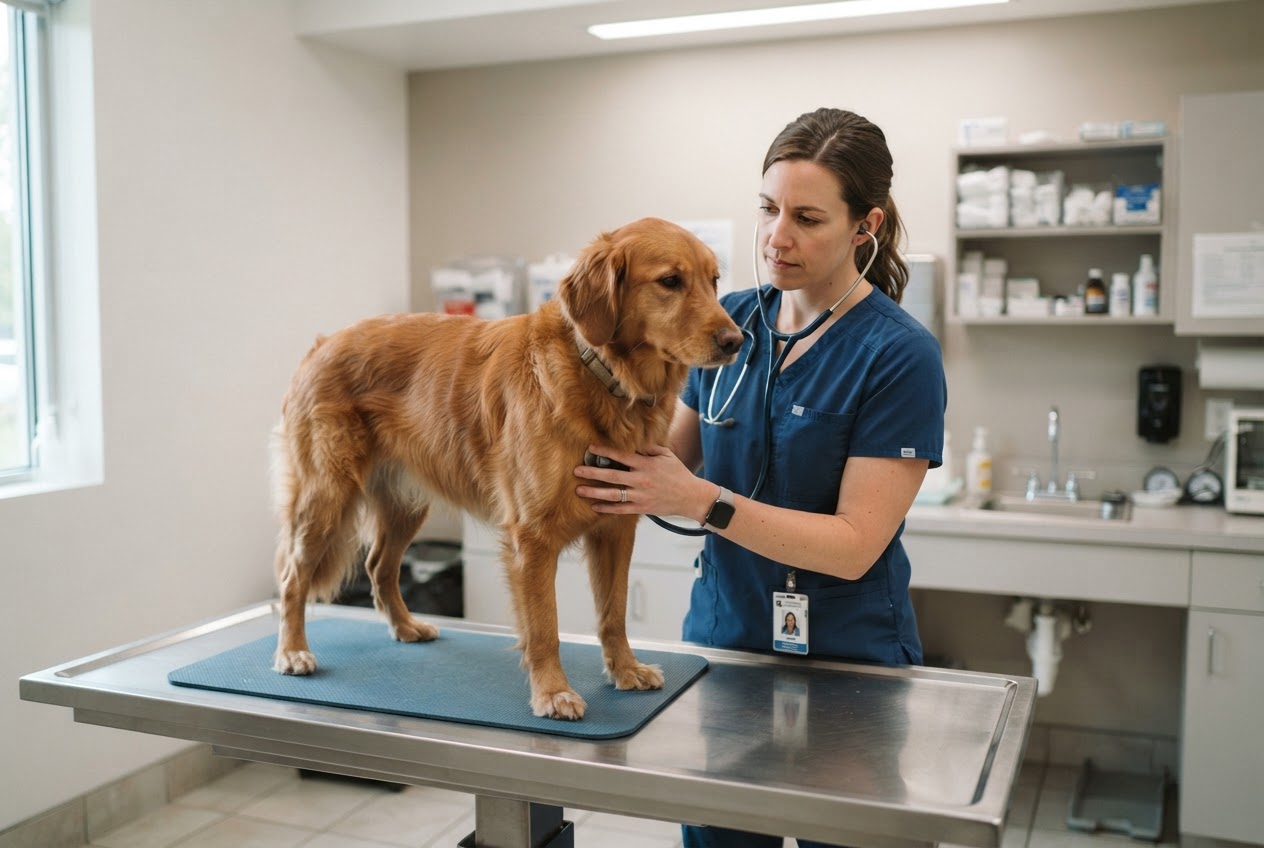
The initial step is a comprehensive physical examination. The veterinary team will assess your dog’s level of hydration, inspect their mucous membranes for colour and moisture, and palpate the abdomen to check for signs of pain, gas, or physical tension. They will also record vital signs, including heart rate, respiratory rate, and temperature, which provide immediate indicators of the severity of the systemic impact the diarrhoea is having on your dog’s overall health.
Faecal analysis is a standard diagnostic tool used to identify infectious triggers. By testing a stool sample, the vet can screen for common intestinal parasites such as roundworms or giardia, as well as specific bacterial pathogens that may be causing inflammation. This laboratory assessment allows for targeted therapy, moving beyond generalised approaches to address the actual organism or environmental factor responsible for the digestive upset.
Where symptoms are severe or recurrent, blood work is essential to evaluate the dog's internal environment. These tests measure red and white blood cell counts, which can highlight issues such as dehydration, infection, or immune-mediated responses. Furthermore, blood biochemistry panels help the vet assess the function of vital organs, including the liver and kidneys, and identify metabolic disturbances, such as low protein levels or electrolyte imbalances, that often accompany chronic digestive issues.
If physical examination or history suggests a potential obstruction, such as a foreign object ingestion, the vet will likely recommend diagnostic imaging. Abdominal radiography or ultrasound allows the veterinary team to visualise the gastrointestinal tract, identifying gas patterns, foreign objects, masses, or intussusceptions that might require surgical intervention. While this step is not always necessary for mild cases of dietary indiscretion, it is a crucial component in investigating acute, severe diarrhoea that does not respond to initial supportive care.
Frequently asked questions
How long can a dog have diarrhoea before I need to see a vet?
If your dog is otherwise acting normal, active, and eating, you might monitor them for 24 hours. However, if diarrhoea lasts longer than 48 hours, or if they are showing other concerning symptoms like vomiting, weakness, or blood in the stool, you should contact your veterinarian immediately regardless of the duration.
Should I starve my dog if they have diarrhoea?
Historically, 'starving' a dog with diarrhoea was common, but modern guidance often suggests offering small, frequent, highly digestible meals instead. Never withhold food for more than 12 hours without consulting your vet, as nutritional support is important for gut healing, especially in puppies or dogs with existing health conditions.
What does it mean if there is mucus in my dog's stool?
Mucus often indicates inflammation of the large intestine, known as colitis. While sometimes related to simple dietary upset, it can also be a sign of parasites or more serious health conditions. It is best to consult your veterinarian for an accurate diagnosis rather than waiting for it to resolve on its own.
Is rice good for dogs with an upset stomach?
Cooked white rice is often used as part of a bland diet because it is easily digested. However, it should only be fed in consultation with your vet as part of a balanced recovery plan. It does not provide complete nutrition, so it is only a short-term measure until your dog returns to their normal diet.
Can stress cause diarrhoea in dogs?
Yes, stress and anxiety are common triggers for digestive upset in dogs. Changes in the home, travelling, or being placed in kennels can cause temporary diarrhoea. If the symptoms are mild and short-lived, it may settle as the dog adjusts, but persistent symptoms should always be checked to rule out physical causes.
What should I do if my dog is drinking a lot of water with diarrhoea?
Increased thirst can be a normal response to dehydration caused by diarrhoea. However, if your dog is drinking excessive amounts or appears unable to hold fluids down, it may indicate a more serious issue. You should consult your veterinarian to rule out complications like secondary infections or metabolic changes.
Sources and further reading
- Diarrhoea in dogs — Blue Cross
- Dog health: Diarrhoea — PDSA
- VCA Hospitals — guidance library — VCA Hospitals
- MSD Veterinary Manual — guidance library — MSD Veterinary Manual
More from Petarium Daily
- Does Cat Behaviour Change with Age? What to Expect
Yes, cat behaviour naturally shifts as they transition from kittenhood to seniority due to physical, sensory and cognitive changes. While many behavioural adjustments are standard parts of ageing, sudden shifts often indicate underlying health concerns that require veterinary attention.
- Why Has My Cat's Behaviour Changed? A Guide for Owners
Sudden changes in a cat's behaviour are often an indicator of underlying physical pain or chronic illness rather than a behavioural choice. You should always prioritise a veterinary check-up to rule out medical issues before assuming the cause is environmental.
- Does Cat Behaviour Change After Spaying? What Owners Expect
Spaying often leads to a reduction in mating-related behaviours like yowling and roaming, though a cat’s core personality typically remains unchanged. Owners should expect a temporary period of recovery where behaviour may differ due to pain or stress before their cat returns to normal.