
Petarium Daily · 13 November 2026 · 12 min read
Does Cat Behaviour Change with Age? What to Expect
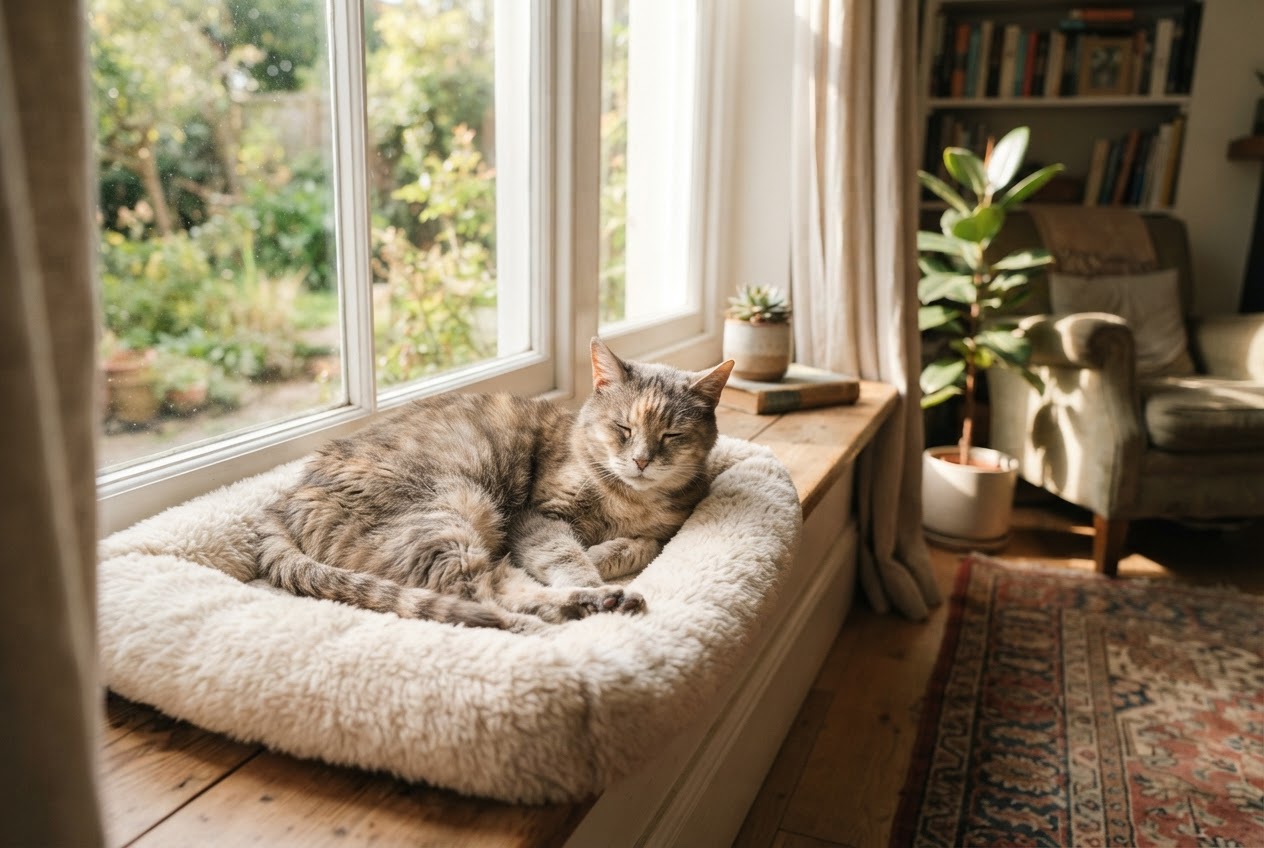
Yes, cat behaviour naturally shifts as they transition from kittenhood to seniority due to physical, sensory and cognitive changes. While many behavioural adjustments are standard parts of ageing, sudden shifts often indicate underlying health concerns that require veterinary attention.
Key takeaways
- Kittens are naturally more active, while senior cats typically become more sedentary.
- Cognitive decline in older cats can lead to vocalisation and sleep pattern disruptions.
- Reduced mobility in senior years often changes how cats navigate their environment.
- Sudden behavioural changes are rarely normal and should always be investigated by a vet.
- Adjusting the environment helps support a cat's comfort as they reach their senior years.
Why do cats change their behaviour as they grow?
Cat behaviour is not static; it evolves in parallel with their physical and neurological development. As a cat progresses from a high-energy kitten to a steady adult and eventually into their senior years, their needs, activity levels, and responses to their environment naturally shift. Understanding these life-stage transitions is essential for every owner, helping you differentiate between standard, expected ageing processes and subtle signs that might indicate a need for veterinary investigation.
During the kitten life stage, behaviour is driven by an intense biological imperative to learn and play. Kittens possess near-boundless energy, which they use to sharpen their motor skills, social awareness, and predatory instincts through active exploration. This investigative nature is vital for their development, helping them understand their physical capabilities and their position within their environment, though it often manifests as chaotic or disruptive behaviour to the household.
- Increased need for sleep as the metabolic rate slows.
- Transition from exploratory, high-energy play to sedentary observation.
- Developing a stronger preference for consistent daily routines and feeding times.
- Increased reliance on scent and vibration pathways due to potential sensory loss.
- Reduced tolerance for chaotic, unpredictable, or high-energy household environments.
As cats reach social and physical maturity, usually by two to three years of age, their behaviour typically becomes more predictable and refined. Adult cats value stability and often develop rigid routines, preferring consistency in their feeding times, territory, and social interactions. While they may engage in fewer bursts of frantic play compared to their kittenhood, this shift does not mean they are becoming disengaged. Instead, they are conserving energy, focusing on maintaining their established territory, and leaning into the comfort of a predictable daily rhythm. Building a daily care routine that respects these preferences can significantly enhance their quality of life during this peak phase.
As cats enter their senior years, physiological changes play a significant role in shifting their behavioural landscape. A naturally reduced metabolic rate and a gradual loss of muscle mass contribute to lower activity levels and a clear preference for quiet rest. Furthermore, sensory declines—such as subtle impairments in vision or hearing—can directly influence how a cat perceives and reacts to their surroundings. These changes often make senior cats more cautious, as they may no longer register their environment with the precision they possessed in their youth. Because they feel less confident navigating their home, they may become more reactive to sudden stimuli or changes in household layout. For a deeper look at managing these later life stages, visit our advice on caring for a senior pet.
What are the common behavioural shifts in senior cats?
As cats transition into their senior years, their behaviour naturally adapts to match their evolving physical and physiological needs. While it is normal for your cat to slow down, changes should be gradual rather than abrupt, reflecting a life of comfort and reduced exertion rather than sudden illness or distress.
One of the most noticeable changes is a reduction in high-energy play. While kittens and young adults may burst into frenzied activity, a senior cat typically prioritises conserving energy. You might notice they are less interested in chasing feather wands or laser pointers, preferring to watch the action from a distance. This is a standard shift toward energy preservation, but ensure they are still moving comfortably; stiffness or reluctance to jump can sometimes indicate joint discomfort rather than just a preference for relaxation.
| Behaviour | Common Ageing Pattern | Red Flag (See Vet) |
|---|---|---|
| Activity Levels | Gradual reduction in play duration. | Sudden inability to jump or walk. |
| Sleep Habits | More frequent, shorter naps. | Excessive pacing or night-time vocalising. |
| Social Interaction | Preference for quiet; slightly less active seeking of play. | Sudden hiding or aggression when touched. |
| Appetite | Stable, potentially slower eating pace. | Complete refusal of food or rapid weight loss. |
Sleep patterns also frequently evolve, often becoming fragmented. Instead of long, consolidated blocks of rest, senior cats may engage in more frequent, shorter naps throughout the day and night. This shift does not necessarily mean they are sleeping less, but rather that their circadian rhythms are adjusting. However, if you notice your cat is restless, pacing at night, or seems disoriented, this warrants a conversation with your vet to rule out cognitive decline or health issues like hypertension.
Social behaviour is highly individual, and ageing can amplify a cat's existing personality. Some cats become 'velcro' pets, seeking closer contact and affection as they age, while others may prefer more solitude to rest undisturbed in quiet corners of the home. This fluctuation is normal, provided they are not hiding away entirely. Always monitor for sudden social withdrawal, which can be an early warning sign of pain or illness, as detailed in our guide on senior pet care.
It is a dangerous mistake to assume that lethargy, weight loss, or decreased appetite are simply 'old age'. While these can sometimes be mild, they are far more frequently indicators of underlying clinical conditions, such as chronic kidney disease in cats or dental pain. If your cat’s routine changes overnight, treat it as a potential medical concern and book a health assessment. Age is not a diagnosis, and many conditions common in later life can be managed effectively with veterinary intervention.
How does cognitive function change for ageing cats?
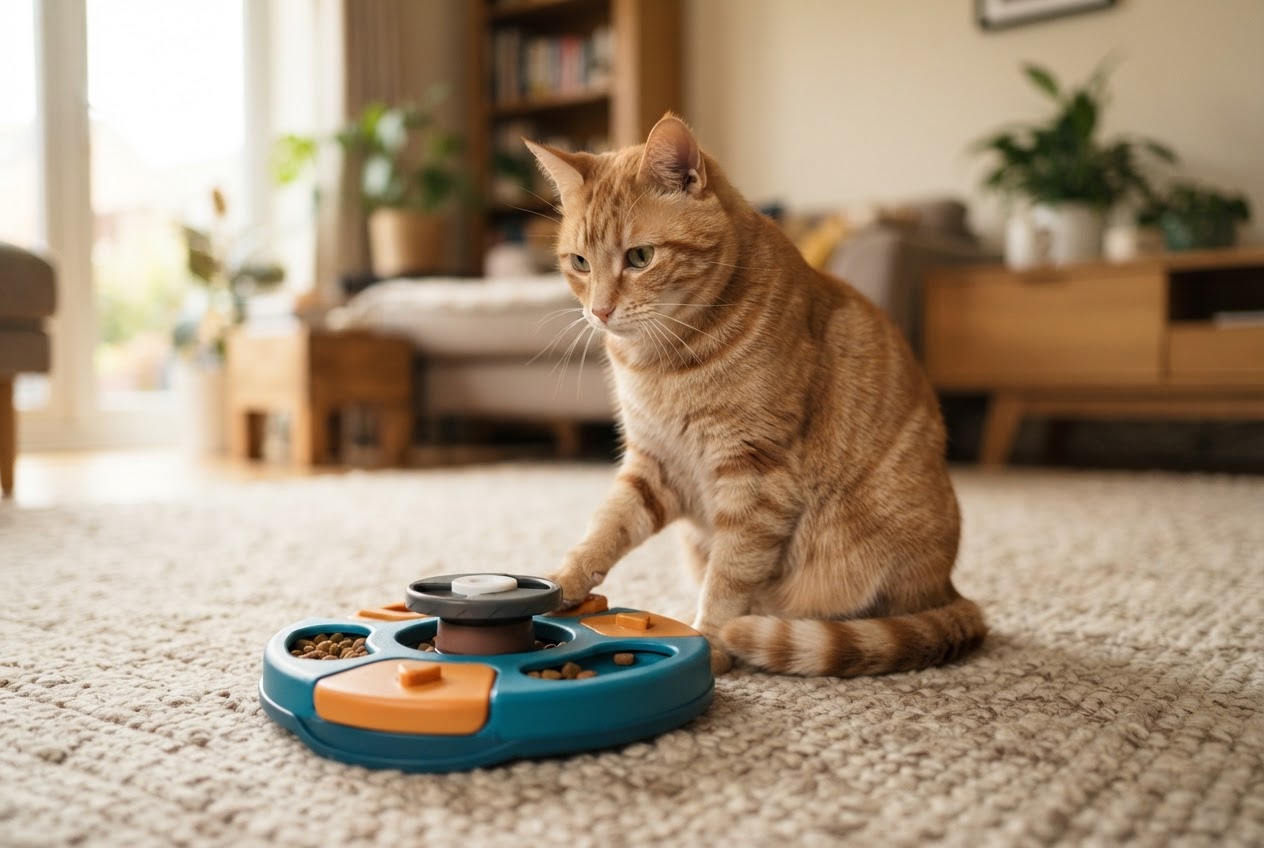
As cats advance into their senior years, their cognitive function can undergo changes similar to those seen in humans, a condition often referred to as Cognitive Dysfunction Syndrome (CDS). This is not simply a normal part of ageing but a clinical syndrome associated with degenerative changes in the brain. Owners may notice that a previously sharp and familiar cat becomes disoriented, confused in well-known environments, or suddenly struggles to navigate around the house as they once did.
One of the most distressing signs for owners is a change in vocalisation patterns, particularly at night. A cat suffering from cognitive decline may wander the house calling out in a way that feels uncharacteristic, often appearing distressed or unable to settle. This increased vocalisation is frequently tied to a disruption in their normal sleep-wake cycle. While younger cats naturally have crepuscular activity patterns, senior cats with cognitive issues may experience a total inversion of their schedule, remaining restless and active during the night while sleeping soundly through the day.
- 1
Maintain a Consistent Environment
Minimise stress by keeping furniture and resources, such as food bowls and litter trays, in their familiar locations. Avoid rearranging the house, as a predictable layout helps a confused cat navigate with greater confidence.
- 2
Enhance Nighttime Lighting
Place nightlights in hallways and near resources to help your cat see better during their nocturnal waking hours. Reducing shadows and ensuring paths are clear can help prevent accidental collisions or trips.
- 3
Establish a Predictable Routine
Stick to strict feeding and play schedules to provide your cat with a sense of security. A reliable rhythm helps ground a cat who may be struggling with disorientation.
- 4
Provide Accessible Resources
Ensure that resting spots, food, and water are easily reachable without requiring the cat to jump onto high surfaces. If your cat is struggling with mobility, consider placing litter trays on every level of the home.
Beyond disorientation and nocturnal noise, you might observe shifts in your cat's social behaviour. Some cats become uncharacteristically irritable, possibly reacting negatively to gentle handling or family members they previously tolerated well. Conversely, others may withdraw, seeming to lose interest in social interaction or enrichment, even if they remain physically healthy. It is vital to remember that these behavioural changes are not signs of 'spite' or 'stubbornness' but are direct outcomes of neurological shifts.
Because these symptoms mimic other underlying health issues, such as hypertension or hyperthyroidism, a veterinary examination is essential before concluding that a cat is simply experiencing cognitive decline. You can read more about overall health management for ageing pets in our guide on caring for a senior pet. Ruling out pain or metabolic disease is the most important step in any geriatric assessment, as it ensures that your cat's specific needs are met correctly.
How does health status influence cat behaviour?
A cat’s behaviour is often the first, and sometimes the only, indicator that they are experiencing physical discomfort. While some changes in routine are a natural consequence of ageing, many behavioural shifts are actually clinical signs of underlying health issues. Misinterpreting these signs as simply 'getting old' can cause unnecessary suffering, as many conditions—from chronic joint pain to oral inflammation—are highly manageable with appropriate veterinary support.
Osteoarthritis is prevalent in senior cats and significantly impacts their mobility. Because cats are evolutionarily predisposed to hide vulnerability, they rarely vocalise pain. Instead, you may notice subtle behavioural shifts such as a reluctance to jump onto familiar high spots, increased time spent sleeping in lower, more accessible areas, or a general withdrawal from social interaction. A cat that stops greeting you at the door or avoids being handled may be signalling that movement has become painful, rather than simply losing interest in family life.
Sensory decline, particularly in vision or hearing, profoundly changes how a cat interacts with their environment. A cat with failing eyesight or hearing may startle easily when approached from behind or feel more insecure, potentially leading to defensive behaviour or increased clinginess as they rely more on your presence for stability. You might observe them navigating the house more cautiously, especially in dim light, or becoming more reactive to sudden noises, which relates closely to strategies for managing fireworks and noise fears.
Dental disease is another leading cause of sudden behavioural changes, often manifesting through altered eating habits. If a cat begins to approach their bowl with enthusiasm but then walks away, drops food, or shows a marked preference for soft food over their usual dry kibble, pain in the mouth is a likely culprit. These changes are frequently dismissed as 'fussy eating,' but they are significant indicators that your pet may need a professional dental disease assessment to ensure they can eat comfortably.
When should you worry about changes in your cat's behaviour?
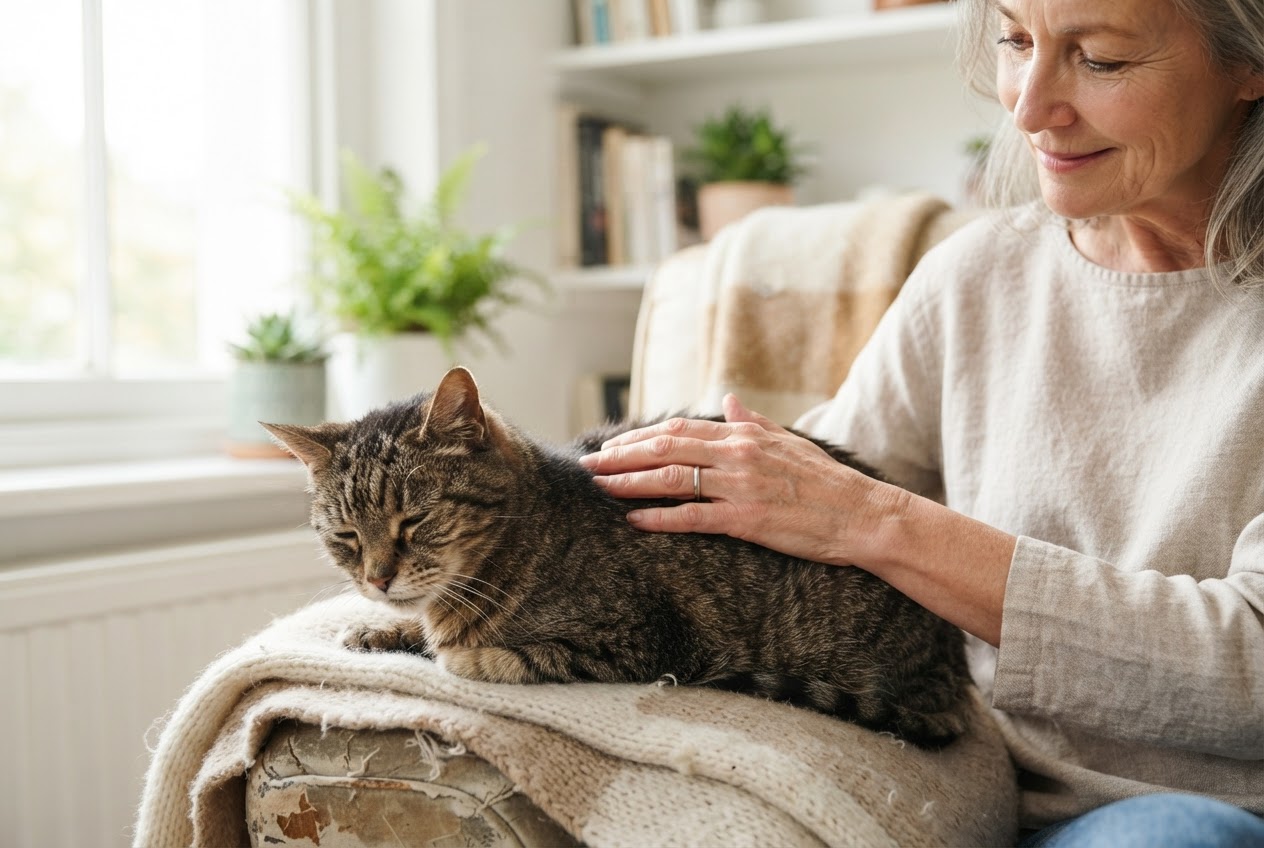
While gradual changes are a natural part of life, sudden, unexplained shifts in behaviour are rarely 'just old age' and typically warrant prompt investigation. If your cat’s routine, temperament, or habits alter overnight, treat this as a clinical signal rather than a behavioural nuisance, as it is often the first indicator of underlying pain or systemic illness.
Sudden house soiling is one of the most common reasons owners seek advice, yet it is rarely an act of spite. Instead, it frequently points to physical discomfort, such as urinary tract inflammation or arthritis, which makes navigating a litter box painful or physically challenging. Rather than adjusting the environment, prioritise a veterinary assessment to rule out infection or age-related joint stiffness.
Illustrative Monitoring Frequency for Senior Cats
Uncharacteristic aggression, such as hissing or biting when touched, is a major red flag for pain. Cats are notoriously stoic, and by the time they show overt signs of suffering through aggression, the underlying issue is often advanced. Never dismiss these changes as 'cranky old age'; they are valid distress signals that require pain management support, as outlined in Caring for a Senior Pet.
Significant shifts in core habits—such as a sudden increase in thirst, drastic changes in appetite, or abnormal urination frequency—require urgent testing. These symptoms are classic indicators of metabolic or endocrine conditions common in older cats, such as kidney disease or diabetes. If you notice emergency signs such as collapse, paralysis, laboured breathing, or persistent vomiting, seek help immediately by following professional guidance on how to recognise a veterinary emergency.
How can you support your cat through different life stages?
Supporting an ageing cat involves making subtle, proactive adjustments to your home environment that prioritise comfort and accessibility as your companion’s physical and cognitive needs evolve. By modifying how your cat navigates their space and maintaining consistent care, you can help them feel secure and maintain their quality of life as they transition into their senior years.
As cats lose muscle mass or develop joint stiffness, jumping onto high shelves or windowsills becomes challenging and potentially painful. Install pet-safe steps or shallow, stable ramps near their favourite resting spots to allow them continued access without the strain of high jumps. Simultaneously, relocate their food, water, and litter trays to accessible, ground-level locations. Placing these essentials in quiet, low-traffic areas ensures your cat can access them without navigating stairs or busy zones, which is vital for maintaining good care/senior-pet-care standards.
Declining vision and early cognitive changes can leave an older cat feeling disoriented, particularly in the dark. Use gentle night lights throughout the home to illuminate pathways, making it easier for them to navigate safely to their bed or litter box. Furthermore, adhere to a strict daily routine. Feeding times, grooming, and social interaction should remain consistent, as predictability provides a sense of security for cats who may be struggling with mild confusion. Avoid rearranging your furniture, as familiar, unchanging layouts are crucial for their mental well-being and confidence.
Finally, transition from annual appointments to bi-annual veterinary health checks. As pets age, their physiological baseline shifts, and subtle signs of chronic discomfort or illness can easily go unnoticed at home. Regular examinations allow your vet to identify, monitor, or manage issues like high blood pressure or health/dental-disease before they significantly impact your cat’s daily life. Consistent professional monitoring is the most effective way to address problems early and tailor care plans specifically for your cat’s individual changing needs.
Frequently asked questions
Are senior cats more prone to vocalising at night?
Yes, increased nocturnal vocalisation can occur in older cats. This is often linked to cognitive decline or disorientation, but it can also be triggered by underlying medical issues like hypertension or hyperthyroidism. A veterinary check-up is essential to identify the root cause.
Why is my cat suddenly aggressive when I pet them?
Sudden aggression is often a response to underlying physical pain, such as arthritis or dental disease. The cat may be anticipating discomfort when touched in specific areas. Do not ignore this change; consult a vet to rule out painful conditions.
Can senior cats still learn new things?
Yes, older cats are capable of learning, though their motivation and learning speed may differ from kittens. Positive reinforcement with high-value rewards works best. Keep training sessions very short, low-stress, and focused on gentle, non-physical activities.
Does arthritis change a cat's litter box habits?
Yes, cats with arthritis may find high-sided trays difficult to enter. They may also struggle to posture comfortably to urinate or defecate. Providing a tray with very low entry points or placing it on the ground floor can help improve their comfort.
Is it normal for older cats to lose interest in play?
While activity levels naturally decrease, a total loss of interest can indicate pain or illness. While you should expect less intensity, a healthy senior cat should still show interest in gentle, low-impact interaction. If your cat stops playing entirely, speak to your vet.
How can I make my home more accessible for an older cat?
Focus on horizontal movement rather than vertical. Use ramps or steps to assist access to furniture, ensure litter boxes have low entryways, and keep essential resources like food and water on the same level, easily accessible without the need for climbing stairs.
Sources and further reading
- PDSA — guidance library — PDSA
- Blue Cross — guidance library — Blue Cross
- Managing your senior cat — International Cat Care
- MSD Veterinary Manual — guidance library — MSD Veterinary Manual
- Cornell University College of Veterinary Medicine — guidance library — Cornell University College of Veterinary Medicine
More from Petarium Daily
- Dog Diarrhoea: Causes, Care and When to See a Vet
Dog diarrhoea is a common symptom resulting from various causes, ranging from simple dietary indiscretion to serious underlying medical conditions. While mild, short-term cases can often be managed with supportive care, persistent or severe symptoms require prompt veterinary assessment.
- Why Has My Cat's Behaviour Changed? A Guide for Owners
Sudden changes in a cat's behaviour are often an indicator of underlying physical pain or chronic illness rather than a behavioural choice. You should always prioritise a veterinary check-up to rule out medical issues before assuming the cause is environmental.
- Does Cat Behaviour Change After Spaying? What Owners Expect
Spaying often leads to a reduction in mating-related behaviours like yowling and roaming, though a cat’s core personality typically remains unchanged. Owners should expect a temporary period of recovery where behaviour may differ due to pain or stress before their cat returns to normal.