
Petarium Daily · 12 November 2026 · 15 min read
Why Has My Cat's Behaviour Changed? A Guide for Owners
Sudden changes in a cat's behaviour are often an indicator of underlying physical pain or chronic illness rather than a behavioural choice. You should always prioritise a veterinary check-up to rule out medical issues before assuming the cause is environmental.
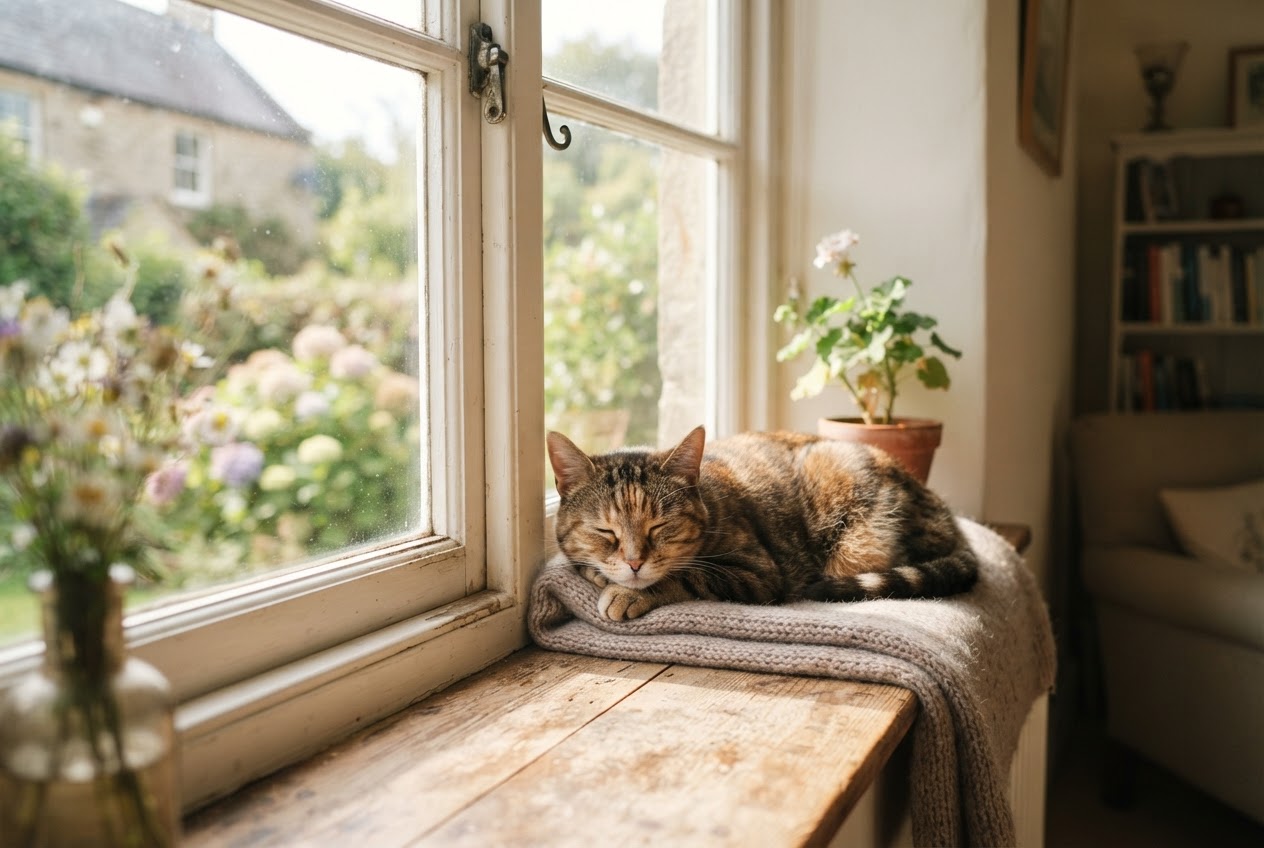
Key takeaways
- Sudden behaviour shifts, such as hiding or aggression, often signal physical discomfort or illness.
- Always rule out underlying medical conditions with a veterinarian before attempting behavioural modifications.
- Environmental stressors, such as new pets or home renovations, frequently trigger anxiety-related habits.
- Senior cats may experience cognitive decline or mobility issues that manifest as vocalisation or routine changes.
- Maintain a detailed log of the specific changes to assist your veterinarian during a clinical assessment.
Why is a veterinary check-up the priority?
When your cat begins to act differently, the natural instinct is often to investigate household changes or shifts in daily routine. However, it is vital to prioritise a veterinary consultation as your first step. In many cases, what appears to be a sudden behavioural issue is actually a physical response to underlying pain or chronic illness. Because cats are experts at masking their symptoms, any persistent shift in their normal routine should be treated as a potential medical concern until proven otherwise.
Cats have evolved as both predator and prey, a dual nature that makes them remarkably adept at hiding physical weakness. In the wild, showing signs of illness could make them vulnerable to larger predators, so they often endure discomfort in silence until it becomes severe. By the time you notice something is clearly different—perhaps through increased hiding, uncharacteristic irritability, or social withdrawal—the condition may have been developing for some time. This evolutionary trait means you cannot rely on obvious signals of distress or pain to alert you to a problem.
- A precise timeline noting exactly when the behavioural change first appeared.
- Video footage of the behaviour in question, which is often more helpful than a verbal description.
- Details on any recent, subtle changes in appetite or water consumption.
- Accurate records of recent litter box habits and frequency.
- A list of any new environmental stressors or routine changes introduced to the home.
Common health issues often manifest through subtle shifts in daily habits rather than obvious physical symptoms. For instance, a cat with undiagnosed [dental disease](/health/dental-disease) may stop grooming, become picky with food, or show sudden aggression simply because their mouth is painful. Similarly, conditions like arthritis or cystitis often lead to a cat avoiding their litter tray or acting defensively when handled. These are not signs of a 'naughty' cat, but rather a patient in need of clinical support. Relying solely on your interpretation of [cat body language](/daily/cat-body-language-how-to-read-your-cats-subtle-signals) without professional input risks ignoring the root cause of the distress.
Assuming a change is strictly emotional or environmental can lead to dangerous delays in care. If you attempt to use training techniques or environmental enrichment when the root cause is a systemic issue like [chronic kidney disease](/health/kidney-disease-in-cats), the condition will continue to progress unchecked. A thorough veterinary examination provides the objective data needed to differentiate between a medical pathology and a behavioural problem. Once a vet has safely ruled out pain, systemic illness, or injury, you can then move on to address environmental or social factors with confidence.
How do environmental triggers impact cat behaviour?
Felines are creatures of habit who rely heavily on predictability to feel safe within their territory. When their environment shifts—even in ways that seem minor to us—the disruption can trigger significant anxiety, causing your cat to alter their routine or display uncharacteristic habits.
Major household changes, such as the arrival of new family members, visitors, or additional pets, are frequent sources of stress. Cats are territorial, and the presence of unfamiliar scents or animals can force them to retreat or act defensively. If you are integrating a new companion, using a structured approach like Introducing a New Cat to a Resident Cat can help mitigate this tension.
| Environmental Trigger | Likely Manifestation | Recommended Adjustment |
|---|---|---|
| Relocating litter tray | Litter box avoidance or accidents | Keep resources in original, accessible spots |
| New pet or person | Hiding, hissing, or reduced appetite | Provide safe, elevated sanctuary spaces |
| Renovations or noise | Over-grooming or increased vocalisation | Offer hiding spots and white noise coverage |
| Moving furniture | Increased scent marking or agitation | Use familiar pheromone diffusers |
Physical changes within the home can also be deeply unsettling. Moving large pieces of furniture or relocating vital resources—such as food bowls, water stations, or litter trays—removes the landmarks your cat uses to map their world. For a cat, stability equals safety, and sudden alterations to their layout often manifest as hiding, a refusal to eat, or a sudden change in toilet habits.
Stress often manifests physically in ways that are easily mistaken for other issues. You might notice your cat engaging in excessive self-cleaning, which can lead to thinning fur and skin irritation; this is distinct from Cat Grooming: Matting, Shedding and Claw Care where the focus is maintenance rather than anxiety-driven behaviour. Conversely, some cats may stop eating or become withdrawn, spending their days under beds or behind sofas.
To help your Domestic Cat cope, maintain as much consistency as possible. If you must change their environment, do so gradually. Providing safe retreats, such as high vantage points or quiet corners, allows them to observe changes from a distance and retreat if they feel overwhelmed. If behaviour changes persist despite these environmental adjustments, consult a professional, such as those found in our Gentle Paws Animal Behaviour directory.
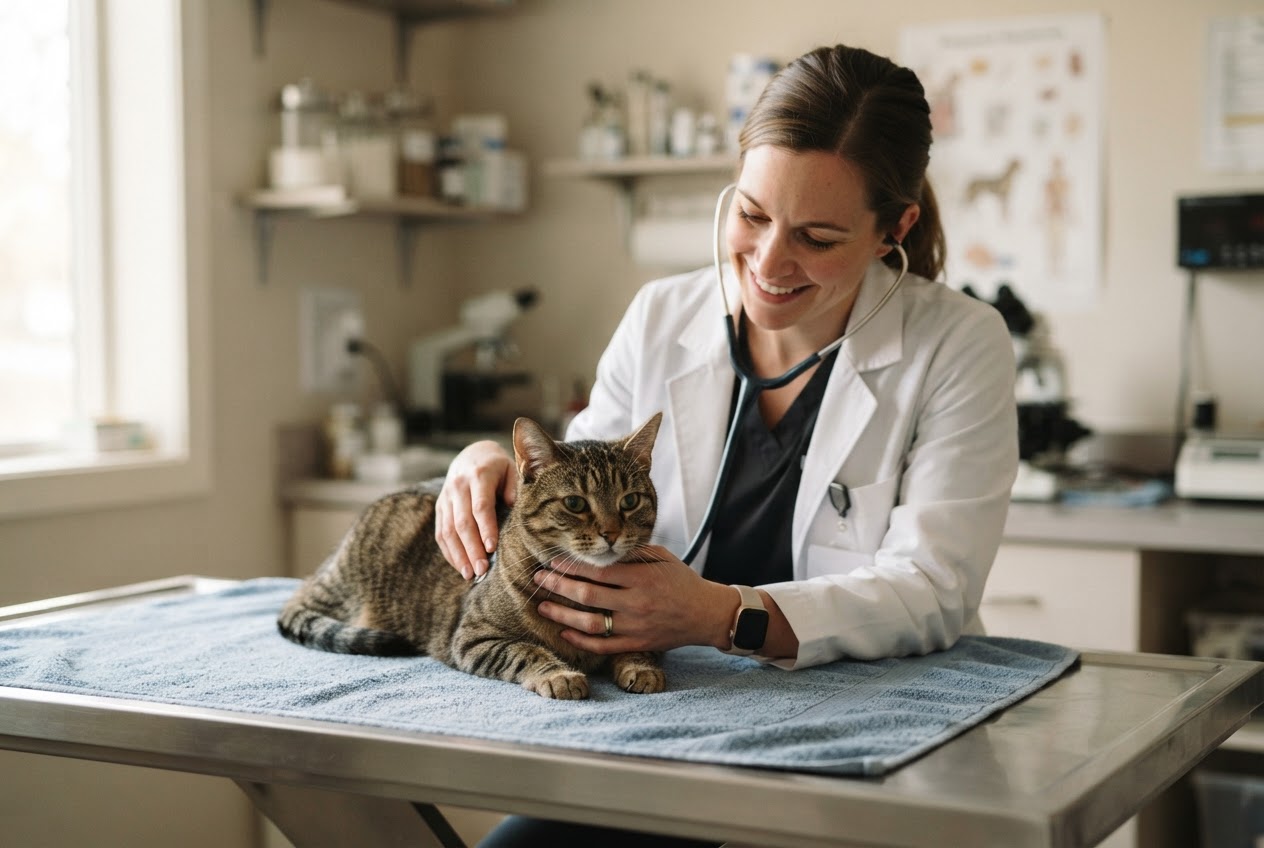
What are the common signs of pain in cats?
Cats are masters of masking discomfort, a survival trait that makes identifying pain difficult for even the most attentive owners. While they rarely vocalise distress in the way humans might, their internal struggle manifests through subtle shifts in personality, daily routines, and physical expression. Recognising these indicators early is essential, as waiting for overt signs like crying or limping often means the pain has become severe.
One of the most frequent indicators of distress is social withdrawal. If your cat, perhaps a domestic shorthair cat, suddenly seeks out isolated spaces, stops greeting you at the door, or resists being touched or groomed, they may be trying to protect a painful area. This behaviour is often misinterpreted as a personality shift or 'grumpiness', but it is frequently an attempt to minimise the risk of being touched or moved while vulnerable.
- 1
Establish a Baseline
Note your cat's normal activity levels, appetite, and how they interact with you when healthy. This makes identifying subtle deviations in their routine much easier during future health checks.
- 2
Monitor Movement Patterns
Observe your cat's gait and jumping habits regularly. A sudden reluctance to leap, landing heavily, or stiffness when rising from rest are clear indicators that your cat should be assessed.
- 3
Observe Social Interaction
Watch for sudden irritability or a desire to hide, especially if your cat has historically been affectionate. Sudden intolerance to being picked up or petted, particularly around the back or limbs, is a common sign of physical pain.
- 4
Document Changes Logically
Keep a written or digital log of any behavioural shifts, including the time of day and the specific context. This timeline is invaluable for your veterinary surgeon when trying to pinpoint the source of the discomfort.
Changes in movement are often tell-tale signs of chronic conditions like arthritis. Look for hesitation before jumping onto surfaces they previously navigated with ease, or a change in how they land. Some cats may start sleeping on lower levels of the house to avoid the exertion of climbing stairs. Over time, this reduction in physical activity often leads to muscle wastage and a noticeable lack of interest in play, which should always be discussed with your veterinary team.
Systemic issues or dental distress, often addressed in our guide on dental disease, can also cause cats to become uncharacteristically restless or agitated. A cat in pain may circle repeatedly when trying to settle, display an unkempt coat due to an inability to reach certain areas, or show changes in their facial expression, such as squinting or flattened ears. Because these signs are so nuanced, keep a log of these observations to help your vet identify patterns of discomfort.
For further information on how to spot these changes in your own pet, see Recognising Pain in Cats: A Species That Hides It Well.
Why do senior cats show changes in behaviour?
As the domestic cat ages, behavioural changes are rarely just part of 'getting old' and often signal specific health concerns. Senior cats are prone to systemic conditions that directly influence their personality, activity levels, and daily habits, meaning shifts in behaviour should always be investigated rather than dismissed as normal ageing.
Cognitive dysfunction syndrome is a genuine risk in ageing felines, frequently resulting in confusion, disorientation, or changes in sleep-wake cycles. This often manifests as increased night-time vocalisation, where a cat may cry out due to a lack of awareness of its surroundings or feeling insecure in the dark. Hypertension and chronic kidney disease in cats are also common in senior populations; these conditions can cause physical discomfort or anxiety, further contributing to vocalising or restlessness that owners might mistake for behavioural quirks.
Mobility issues, particularly from osteoarthritis, are highly prevalent in older cats. This pain often goes unnoticed because cats are experts at masking discomfort. You might observe a sudden reluctance to jump onto favourite high perches or a change in how they navigate stairs. When mobility declines, even simple tasks like climbing into a litter tray with high sides can become difficult or painful, leading to a cat choosing an easier, though inappropriate, location to eliminate. These physical barriers are not behavioural defiance; they are a direct response to restricted movement.
Declining sensory input also profoundly impacts a cat’s confidence. As vision and hearing gradually fade, an older cat may feel vulnerable and become more reactive to their environment. A cat that previously enjoyed visitors might now hide or hiss, simply because they are startled by sounds they can no longer clearly identify or movements they struggle to see. Because they feel less in control of their safety, their personality may seem to shift towards irritability or clinginess, as they increasingly rely on you for reassurance.
Supporting a senior cat requires adapting your home to match their changing capabilities. By lowering entry points to resources and increasing low-level enrichment, you can significantly improve their quality of life. Always prioritise a veterinary assessment to manage pain and underlying illness before assuming the cause of these changes is purely psychological or environmental.
Why is litter box avoidance a medical red flag?
Litter box avoidance is frequently the first sign that your domestic cat is experiencing physical discomfort or illness, rather than a behavioural choice or act of spite. When a cat associates the tray with the sharp pain of passing urine, they often begin to avoid the location entirely, seeking out alternative spots that they perceive as less painful. Because these animals are experts at masking illness, you should always treat sudden changes in toileting habits as a medical priority.
The most common physical triggers include urinary tract infections (UTIs) or the presence of bladder crystals. These conditions can make the act of urination incredibly painful, often creating a negative association with the litter box. Your cat may begin to urinate in inappropriate places—such as on rugs, bedding, or smooth surfaces—because they are trying to escape the sensation of pain they associate with their designated tray. Never assume this is a 'behavioural problem' until a vet has performed a urinalysis to rule out underlying infection or stones.
Categorisation of Reported Causes for Litter Box Avoidance
Beyond acute pain, chronic conditions like kidney disease in cats or arthritis can also interfere with regular litter box use. Older cats may find it physically difficult to climb into a high-sided tray, or they may struggle to posture comfortably while urinating. For these individuals, the issue is not a refusal to use the litter, but a physical barrier that prevents them from doing so comfortably. Simple modifications, such as low-entry trays, can be helpful, but these adjustments should only follow a thorough clinical assessment.
Environmental stressors or a lack of privacy can also complicate matters, though these must only be investigated after clinical health is verified. Cats feel most vulnerable when toileting, and if they feel exposed or threatened, they may seek out 'safer' or more secluded areas to relieve themselves. While improving tray placement is a valid part of ongoing care, attributing house-soiling to 'stress' before checking for physical pain risks delaying treatment for a painful, treatable medical condition.
When should you seek emergency veterinary care?
Certain behavioural changes are not just quirks but urgent distress signals requiring immediate veterinary intervention. You must act swiftly if your cat displays signs that suggest a life-threatening medical emergency, as delays can rapidly compromise their prognosis and comfort. Understanding these critical red flags ensures you know exactly when to bypass a standard appointment.
The most critical emergency is an inability to pass urine. If your cat—particularly a male—is straining in the litter tray, crying, or producing no urine, seek immediate emergency care. A urethral obstruction is a life-threatening condition that can lead to kidney failure and cardiac arrest within hours. Do not assume this is simply a behavioural toileting issue; it is a clinical emergency that requires urgent decompression and veterinary treatment.
Sudden, extreme lethargy or a complete refusal to eat or drink for over 24 hours also necessitates an emergency visit. While some cats may experience mild 'off' days, a cat that becomes suddenly unresponsive or stops consuming water is often dealing with significant systemic illness, such as a metabolic crisis or severe pain. Ignoring these symptoms while hoping for improvement can allow a treatable condition to become critical or fatal.
Any visible injury, sudden lameness, or acute respiratory distress must be treated as an emergency. Cats are masters at hiding discomfort—a point often discussed in our guide on recognising pain in cats—so by the time symptoms are visible, the underlying issue is likely severe. Open-mouth breathing or extreme panting in a non-stressed cat is especially alarming and demands immediate professional assessment to ensure your cat's health and safety.
How can you support your cat during transitions?
Supporting a cat through a period of transition, such as moving house or integrating a new pet, requires a gentle, observational approach that prioritises their sense of security. When a cat's routine is disrupted, they often feel vulnerable, making it essential to create a predictable environment where they can regain their confidence at their own pace.
Consistency is the cornerstone of feline stability. Cats thrive on predictable patterns, so maintaining regular feeding times, play sessions, and grooming routines can significantly lower stress levels during turbulent periods. When you structure these activities, you provide reliable anchors in their day, which helps them feel in control of their surroundings. You can find helpful advice on building these habits in our daily care routine guide, which emphasises keeping things simple to reduce anxiety.
Vertical space is perhaps the most undervalued resource for nervous cats. Providing access to high shelving, cat trees, or secure furniture tops allows your domestic cat to observe their environment from a position of safety. When a cat feels threatened or overwhelmed, their instinct is to climb or hide; denying them these outlets forces them to confront stressors head-on, which often exacerbates behavioural changes. Ensure these areas are located in quiet, low-traffic zones where they can retreat completely undisturbed.
Patience is your most effective tool. It is common for owners to feel frustrated when a pet acts out, but punishment is counterproductive. Scolding or reactive training will only damage your bond and increase your cat’s underlying fear, likely leading to more behavioural issues rather than fewer. Instead, focus on positive reinforcement when they choose to engage or explore safely. Understand that changes in behaviour are rarely an act of defiance, but rather a sign that your cat is struggling to cope with their current circumstances. If you are introducing new animals, refer to our guide on introducing a new cat to a resident cat for strategies that keep stress to a minimum.
Creating a sanctuary space
During significant transitions, designate a specific 'safe zone' for your cat. This should be a quiet room equipped with all their essentials: food, water, a litter box, and familiar bedding. By limiting their initial territory, you prevent the overwhelming stress of managing a large, new environment while their anxiety is heightened. Keep the door closed if necessary, allowing them to choose when they are ready to venture out and explore the rest of the home.
Monitoring their signals
Your cat is constantly communicating their comfort levels through their body language. Learn to recognise subtle signs of distress, such as flattened ears, tail flicking, or prolonged hiding, which suggest they need more time or a quieter environment. For a deeper understanding of how your cat expresses their emotional state, take time to study cat body language so you can adjust your support strategies based on their real-time feedback.
Frequently asked questions
Is it normal for my cat to become more affectionate?
While it can be a sign of bonding, sudden and excessive demands for attention or uncharacteristic clinginess can sometimes indicate a cat is feeling vulnerable due to illness or pain. If the change is sudden and accompanied by other shifts in habits, consult your vet.
Can changing my cat's food affect their mood?
Sudden dietary changes can cause gastrointestinal distress, which may lead to irritability or lethargy. Furthermore, if a cat is being transitioned to a new diet because of an underlying condition, the condition itself may be the primary cause of any behavioural shift.
How long should I wait before seeing a vet?
If you notice a sudden, distinct change in behaviour, you should consult a vet within 24 to 48 hours. Never 'wait and see' if the cat is showing signs of distress, lethargy, or if they have stopped eating and drinking.
Could a new pet in the house make my cat aggressive?
Yes, the introduction of a new pet is a major stressor. Aggression is often a defensive response to the cat feeling that their territory and resources are threatened. Proper, slow introduction protocols are essential to mitigate this risk.
Do cats get depressed?
While 'depression' is a human term, cats can exhibit symptoms such as withdrawal, decreased appetite, and low activity levels when they are stressed or ill. These states are often a biological response to environmental change or physical pain rather than a psychological condition.
My cat stopped using the litter tray—is it medical?
Litter tray avoidance is a classic sign of pain or stress. Medical conditions such as urinary tract infections are common causes, as the cat begins to associate the litter tray with the pain of urination. Always rule out a medical cause with a vet first.
Sources and further reading
- Cats Protection — guidance library — Cats Protection
- PDSA — guidance library — PDSA
- International Cat Care — guidance library — International Cat Care
- RSPCA — guidance library — RSPCA
- Merck Veterinary Manual — guidance library — Merck Veterinary Manual
- Cornell Feline Health Center — guidance library — Cornell Feline Health Center
More from Petarium Daily
- Dog Diarrhoea: Causes, Care and When to See a Vet
Dog diarrhoea is a common symptom resulting from various causes, ranging from simple dietary indiscretion to serious underlying medical conditions. While mild, short-term cases can often be managed with supportive care, persistent or severe symptoms require prompt veterinary assessment.
- Does Cat Behaviour Change with Age? What to Expect
Yes, cat behaviour naturally shifts as they transition from kittenhood to seniority due to physical, sensory and cognitive changes. While many behavioural adjustments are standard parts of ageing, sudden shifts often indicate underlying health concerns that require veterinary attention.
- Does Cat Behaviour Change After Spaying? What Owners Expect
Spaying often leads to a reduction in mating-related behaviours like yowling and roaming, though a cat’s core personality typically remains unchanged. Owners should expect a temporary period of recovery where behaviour may differ due to pain or stress before their cat returns to normal.