
Felis catus
Domestic shorthair cat
The everyday cat — diverse, generally healthy and endlessly varied in personality. The best choice for most first-time cat owners.
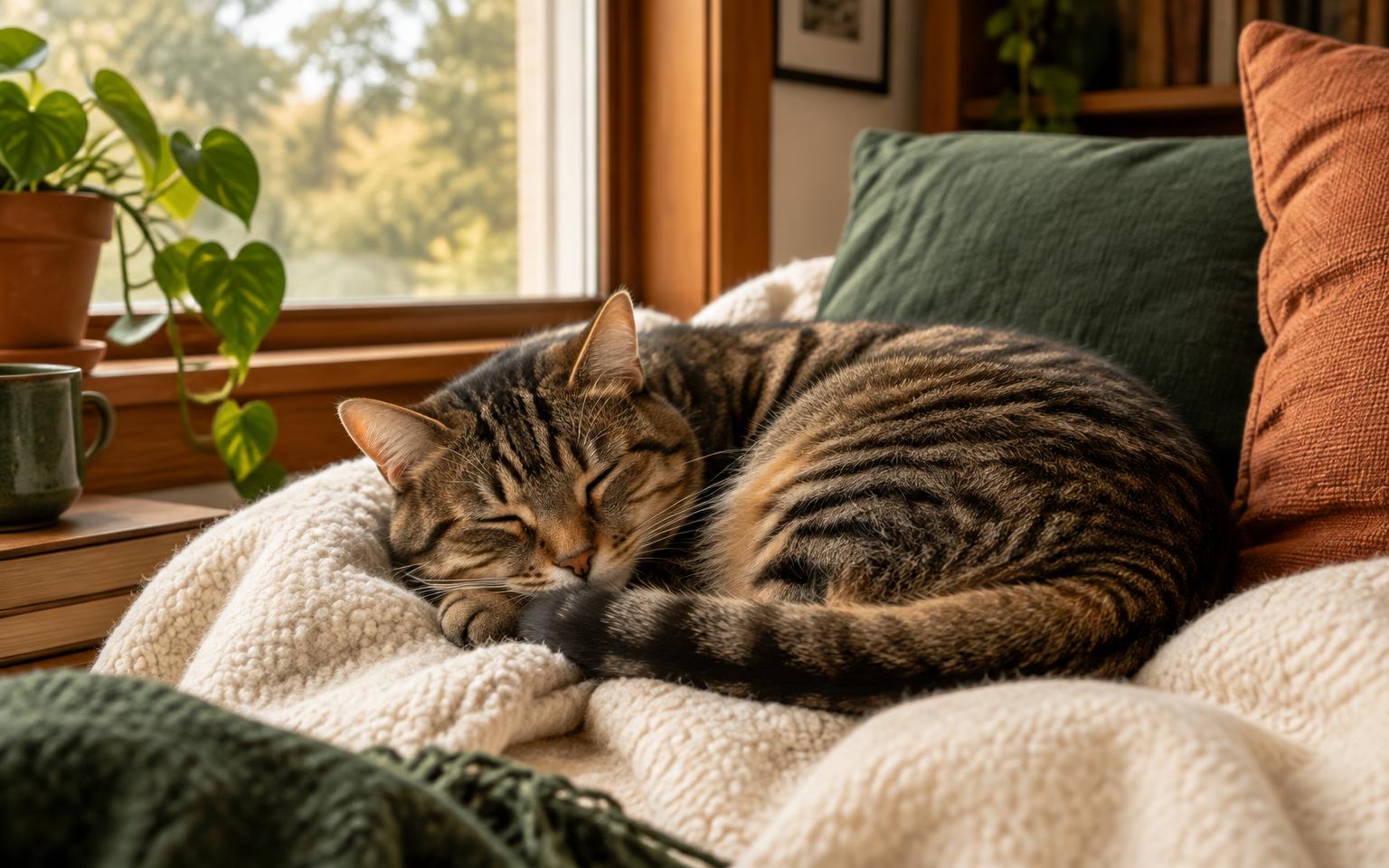
Illustrative cover using relevant category imagery; it does not depict the exact subject.
At a glance
- Scientific name
- Felis catus
- Family
- Felidae
- Origin
- Worldwide
- Lifespan
- 12–18 years, many reach 20
- Adult size
- 3.5–6 kg
- Weight
- 3.5–6 kg
- Temperament
- The full range — from lap cat to independent hunter; upbringing shapes personality more than ancestry
- Activity level
- Moderate; varies by individual and age
- Social needs
- Varies; many enjoy feline company if introduced carefully
- Intelligence
- High; learns routines, names and puzzle feeders
- Noise
- Low to moderate
Housing and environment
- Housing
- Adapts to flats and houses with enough vertical space and enrichment
- Space requirement
- Minimum one room with vertical territory; more is better
- Temperature
- Normal home temperatures
- Humidity
- Not critical
- Exercise
- Daily play sessions; climbing and scratching outlets indoors
- Grooming
- Weekly brushing; short coats are low-maintenance
Life stages and changing needs
Expanded care guidance · Updated 7 October 2026 · Not professionally reviewed
Young animals and settling in
Kittens need complete food labelled for growth, predictable meals and a safe environment for exploration. Arrange vaccinations, parasite prevention, identification and neutering discussions with the vet. Introduce handling and carriers gently using rewards. Early experiences should be positive and voluntary; forced exposure to noisy children or unfamiliar animals is not socialisation.
Adult care and reproductive changes
Adults need a complete diet, weight monitoring and separate resources for eating, drinking, toileting, hiding and scratching. In multi-cat homes, provide resources in different locations so one cat cannot block another. Neutering helps prevent unwanted breeding but does not remove every behaviour issue. Play, predictable routines and control over contact support everyday welfare.
Later life and changing needs
Older cats may need low-entry litter trays, accessible warm resting areas and steps to favourite perches. Continue play at a comfortable level and discuss examination frequency with the vet. Weight loss, increased thirst, reduced grooming or changed vocalisation can reflect treatable illness. A cat can have painful arthritis even without an obvious limp.
Diet and feeding
Complete cat food; wet food helps hydration
Use a nutritionally complete cat diet suited to life stage and health. Cats need specific nutrients that a dog food, meat-only diet or improvised plant-based recipe may not provide. Wet and dry foods can both fit a balanced plan; suitable water access matters. Kidney, urinary or other prescription diets should be chosen with veterinary guidance.
Measure portions against body condition and weight trends rather than repeatedly filling an empty bowl. Change food gradually unless the vet advises otherwise. Puzzle feeding can add activity, but food must remain accessible to a cat with pain or mobility problems. A cat refusing food needs prompt advice, especially if overweight; do not starve it into accepting a new diet.
Daily care and ongoing checks
Every day
Observe appetite, drinking, litter-tray output, breathing and activity every day. Scoop litter and clean food and water dishes. Provide hunting-style play with a catchable toy, safe scratching options and places to withdraw. Keep medicines, toxic plants, string and unsecured windows out of reach, and use only parasite products explicitly suitable for cats.
Regular maintenance and prevention
Brush according to coat needs, inspect nails and discuss tooth-brushing and dental checks. Record regular weights and arrange a preventive plan matched to indoor or outdoor exposure. Carrier training before a visit reduces stress. Sudden behaviour changes deserve a medical check before punishment or a behaviour-only explanation; cats often conceal discomfort.
Behaviour and compatibility
Crepuscular — most active at dawn and dusk
- With children
- Most do well with children who handle them respectfully
- With other animals
- Careful introductions needed for other cats and dogs
- Training difficulty
- Moderate
Health
- Dental disease
- Obesity
- Chronic kidney disease in later life
- Hyperthyroidism in seniors
Annual checks, vaccination and parasite control; twice-yearly checks from age 10.
Special care requirements
None beyond normal good care.
Individual health rather than ancestry assumptions
Domestic shorthair describes a coat and population type, not a single predictable temperament. Choose an individual based on its history, comfort with handling and resource needs. Short fur still needs observation for parasites, skin changes and grooming problems. A cat that no longer maintains its coat may be painful or unwell.
Mixed ancestry does not protect a cat from dental disease, obesity, urinary problems or later-life kidney disease. Assess food portions and preventive care for the individual, and introduce other pets gradually. A quiet cat hiding from a housemate may need more separated resources, not forced time together to make them social.
Before you take one on
Sources and further guidance
These welfare and veterinary resources inform general husbandry advice; they do not certify this profile or replace a species-experienced professional. Confirm exact environmental settings and feeding plans for your animal.
Can your home meet domestic shorthair cat needs?
- Plan for a lifespan of 12–18 years, many reach 20, including holiday cover and, where one is available, a vet familiar with this species. Lifespan ranges are not guarantees.
- Arrange the social setting before arrival. Social guidance for this species: Varies; many enjoy feline company if introduced carefully. Do not assume another animal of any species is a suitable companion.
- Habitat priority for this species: Minimum one room with vertical territory; more is better. Make sure your setup can provide this consistently. Check the room stays within the listed temperature range with a thermometer rather than judging by feel.
- Key care point: None beyond normal good care. Discuss diet and any specialist needs with the supplier, rescue and a vet who treats this species, and check local legal requirements before acquiring an animal.
Educational reference, not an individual diagnosis or a verified professional review. Read our editorial policy.
Guidance libraries and further reading
These organisations publish relevant guidance. Their links are further reading, not evidence that they have reviewed this page.
- RSPCA — animal care and welfare advice across species
- PDSA — veterinary charity pet health advice
- International Cat Care — cat health, behaviour and welfare advice