
Petarium Daily · 30 September 2026 · 11 min read
How Long Do Rabbits Live? Lifespan and Healthy Ageing
Pet rabbits usually live for around 8–12 years, although some reach their teens and others die younger. Genetics play a part, but appropriate feeding, spacious housing, rabbit companionship, vaccination and prompt veterinary care all help support a longer, healthier life.
Key takeaways
- Plan for an 8–12-year commitment, potentially longer.
- Breed and size influence lifespan, but cannot predict an individual rabbit’s age at death.
- Hay or grass should make up most of a rabbit’s diet.
- Rabbits need spacious accommodation and a compatible rabbit companion.
- Vaccination, neutering advice and regular veterinary checks are important preventive care.
- Not eating or passing droppings needs urgent veterinary attention.
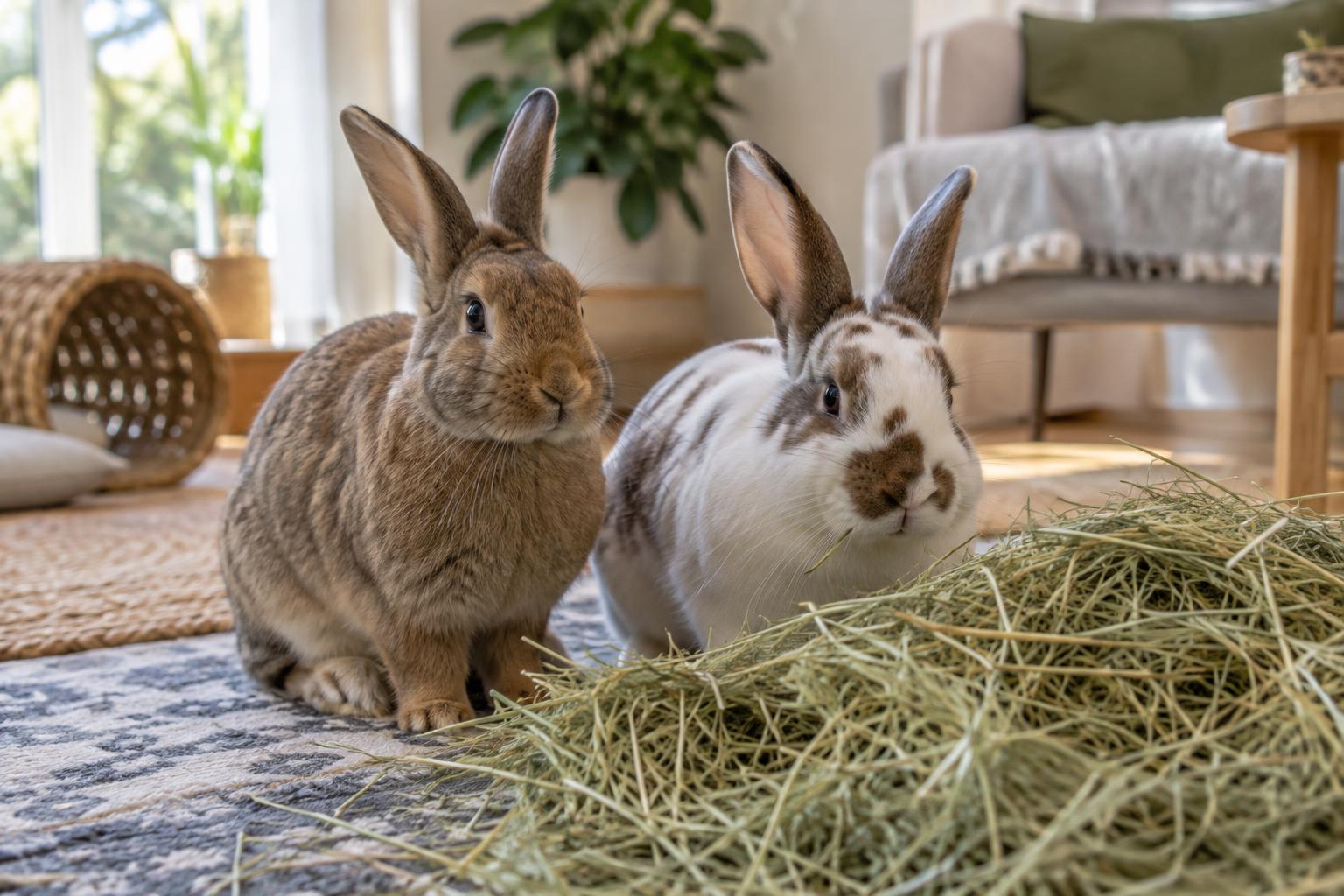
Pet rabbits usually live for around 8–12 years, and some well-cared-for rabbits reach their teens. This is a practical planning range, not a promise: inherited health problems, illness, accidents and living conditions can shorten an individual rabbit’s life. Whether your rabbit lives indoors or outside, the essentials are the same: a high-fibre diet, room to exercise, a compatible rabbit companion, preventive healthcare and rapid help when something changes. Rabbits are therefore a long-term commitment, not short-lived starter pets.
What is the normal lifespan of a pet rabbit?
The widely used 8–12-year range describes a reasonable expectation for domestic rabbits, rather than a precise population average. Veterinary records and owner surveys may produce different figures because they include different breeds, care standards and causes of death. A rabbit dying before eight has not necessarily been poorly cared for, and reaching twelve does not mean a rabbit is automatically nearing the end.
Typical pet rabbit lifespan: a planning range
Do smaller rabbits live longer than giant breeds?
Smaller rabbits are generally described as longer-lived than giant breeds, but robust breed-by-breed lifespan evidence is limited. Online tables giving every breed a neat life expectancy often imply more certainty than the evidence supports. Size is one consideration, alongside inherited problems, body condition and preventive care; it should not be treated as a countdown. Giant rabbits may also develop mobility difficulties earlier, making suitable flooring, space and weight management particularly important.
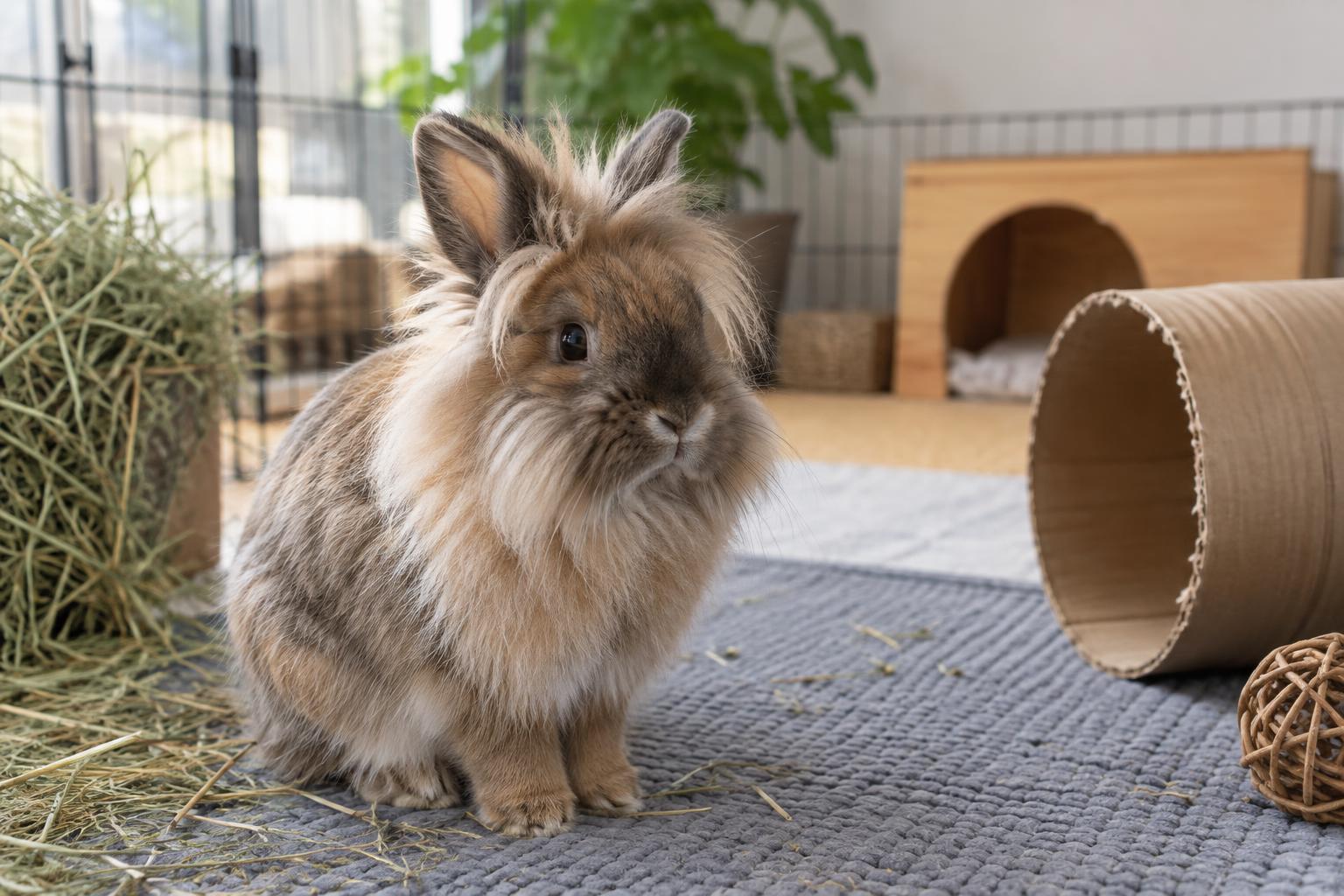
A small rabbit is not automatically a healthy rabbit. Very short faces and certain ear shapes can be associated with dental or ear problems, while long coats need additional grooming. If you are considering a lionhead rabbit, plan for coat care as well as the usual feeding, exercise and veterinary needs. Ask a rescue or vet about the individual rabbit’s history rather than relying on breed labels.
Do indoor rabbits live longer than outdoor rabbits?
There is no dependable number of extra years that indoor living adds. Indoor housing can reduce exposure to predators, severe weather and some parasites, and owners may notice illness sooner. However, a rabbit confined indoors without exercise, chewing opportunities or companionship can still have poor welfare. Electrical cables, toxic plants, slippery floors and overheating also make an unprepared house hazardous.
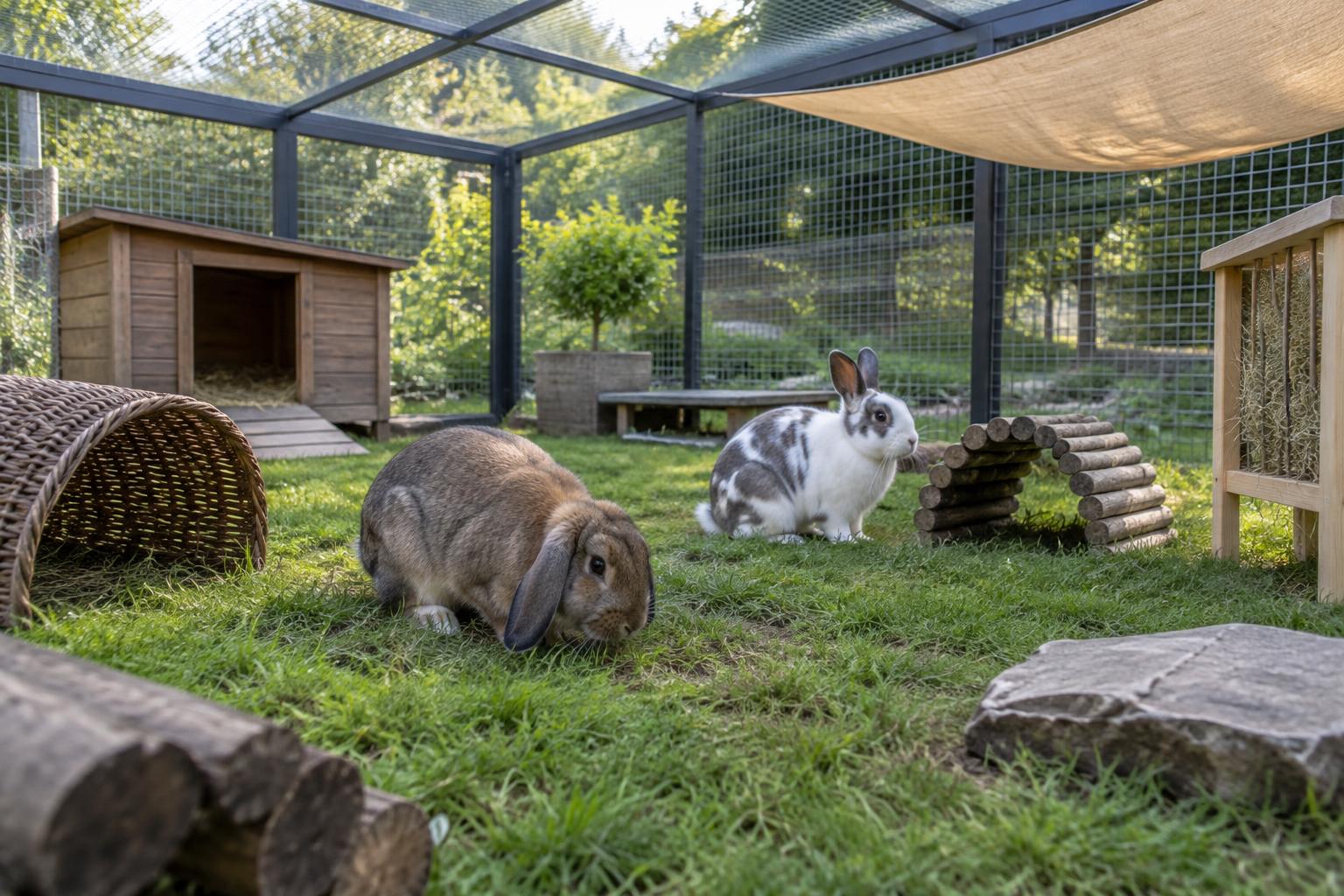
Outdoor rabbits can live long, healthy lives when their accommodation is secure, spacious, dry and well supervised. They need a sheltered sleeping area, shade and permanent access to safe exercise space, not occasional time in a run. Plan both safe winter housing and summer heat protection. A rabbit in a distant garden enclosure still needs close daily observation, including during bad weather.
What diet helps rabbits stay healthy for longer?
Hay or suitable fresh grass should make up most of a rabbit’s diet, commonly described in welfare guidance as about 85%. Long-fibre forage supports normal gut movement and prolonged chewing, helping wear continuously growing teeth. Rabbits should have an unlimited supply of good-quality feeding hay or grass, rather than hay offered only as bedding. A rabbit eating pellets but avoiding hay may have a feeding or dental problem that needs investigation.
- Keep fresh, palatable hay available at all times and replace anything damp or soiled.
- Offer a daily selection of rabbit-safe leafy greens, introducing unfamiliar foods gradually.
- Give a small, measured portion of uniform rabbit pellets appropriate to age, weight and veterinary advice; avoid selective-feeding muesli mixes.
- Provide clean water continuously. A heavy bowl allows natural drinking; keep any bottle working and check it frequently.
- Keep fruit and carrot as occasional tiny treats rather than everyday staples, and avoid sugary human foods.
How do housing, exercise and companionship affect wellbeing?
Rabbit welfare guidance commonly recommends a continuously accessible enclosure measuring at least 3 metres by 2 metres by 1 metre high for two average-sized rabbits. This is a minimum, not a target maximum; larger rabbits need more room. The space should allow running, hopping, stretching upright and retreating from each other. Daily movement helps maintain muscle and a healthy weight, while tunnels, safe chewing materials and foraging opportunities encourage normal behaviour.
Rabbits are social animals and usually do best with a compatible rabbit companion. Human attention does not fully replace shared resting, grooming and communication, which is why rescues commonly recommend adopting rabbits in bonded pairs. However, unfamiliar rabbits can fight seriously: use careful rabbit bonding introductions, with rescue or professional support if needed. Neutering and allowing time for hormones to settle are usually important parts of successful bonding.
Which preventive care measures matter most?
In the UK, rabbits need vaccination against myxomatosis and rabbit viral haemorrhagic disease, including RHDV1 and RHDV2, following their vet’s recommended schedule. Boosters are commonly annual, but the schedule depends on the vaccine and circumstances. Indoor rabbits still need protection because infection can reach them through insects or contaminated materials. Learn the warning signs of myxomatosis in rabbits, but remember that vaccination is prevention, not treatment.
Discuss neutering with a rabbit-experienced vet. Spaying prevents uterine cancer, an important risk in unspayed female rabbits as they age, and prevents pregnancy; neutering can also make companionship easier by reducing hormone-driven behaviour. The appropriate timing depends on sex, size, development and health. No operation is risk-free, but rabbit-experienced teams can explain the benefits, anaesthetic assessment and recovery support for your individual pet.
- Arrange a veterinary health check at least annually, often alongside vaccination; older or unwell rabbits may need more frequent reviews.
- Have weight, body condition, teeth, ears, skin and feet assessed, and discuss any changes in eating or movement.
- Check your rabbit’s bottom every day, and at least twice daily in warm weather or if they are vulnerable to soiling.
- Use only parasite treatments confirmed as suitable for rabbits by a vet; some products intended for other pets are dangerous.
A dirty bottom is not simply a grooming issue: dental pain, excess weight, arthritis or digestive problems may stop a rabbit keeping clean. Soiling also raises the risk of flystrike, in which fly larvae damage living tissue. Good hygiene helps, but the underlying reason for repeated soiling needs veterinary attention. Never assume an older rabbit becoming dirty is an unavoidable part of ageing.
At what age is a rabbit considered old?
| Life stage | Approximate age | Main care priorities |
|---|---|---|
| Young rabbit | Birth to around 6 months | Growth, appropriate nutrition, vaccination, safe social development and planning neutering. |
| Adolescent or young adult | Around 6–12 months | Growth may continue, particularly in large breeds; review feeding and hormone-related behaviour. |
| Adult | Around 1–5 years | Maintain healthy weight, exercise, companionship and preventive veterinary care. |
| Older rabbit | Often from around 6–8 years | Watch mobility, appetite, weight and grooming closely; some giant rabbits need senior support earlier. |
These stages are guides rather than medical cut-offs. A lively eight-year-old may cope well with their usual environment, while a younger rabbit with arthritis needs adaptations sooner. If you adopt an adult of unknown age, appearance and teeth cannot reliably reveal an exact birthday. Start with a veterinary assessment and monitor change over time instead of trying to assign a precise age from coat colour, size or activity.
How should care change for a senior rabbit?
Give older rabbits non-slip flooring, soft dry resting places and litter trays with easy, low entrances. Keep hay and water within comfortable reach, and replace steep ramps with safer access where possible. Continue gentle opportunities for movement rather than assuming they should stop exercising. Reduced jumping, stiffness, slower grooming or changes in toileting deserve a vet assessment: they can reflect treatable pain or disease, not simply old age.
Which symptoms need urgent veterinary attention?
Rabbits often hide illness, so even a quiet change can matter. Eating less or producing fewer droppings is not something to leave until tomorrow. Gastrointestinal stasis describes a slowing of the gut and may occur alongside pain, dental disease or other problems. Similar signs can occur with an obstruction, so owners cannot safely identify the cause at home.
Head tilt, wobbliness or unusual urination can have several causes, including ear disease and conditions associated with E. cuniculi. These signs do not establish a diagnosis by themselves. Keep an unsteady rabbit somewhere safe from falls while arranging veterinary help, and avoid giving leftover medicines or remedies recommended online. Early assessment offers the best chance of appropriate treatment.
What daily routine best supports a long rabbit life?
- 1
Check both rabbits morning and evening
Watch each rabbit eat, move and respond normally. In a pair, an empty food bowl does not prove both have eaten. Notice the amount and size of fresh droppings and investigate any clear change promptly.
- 2
Refresh food, water and toileting areas
Top up feeding hay, refresh water and remove wet bedding or litter. Briefly check the bottom and coat without stressful restraint. A clean environment makes changes in urine, droppings and cleanliness easier to spot.
- 3
Make movement and choice available all day
Keep exercise space accessible and provide hiding places with more than one exit where possible. Offer safe chewing and foraging activities. Let rabbits approach you rather than repeatedly picking them up, which many find frightening.
- 4
Prepare for illness before it happens
Know which local practice treats rabbits and where to obtain out-of-hours care. Keep a secure carrier ready, maintain vaccination reminders and budget for unexpected treatment. Tell anyone caring for your rabbits exactly which changes require an immediate call.
What should you plan before committing to a rabbit’s lifespan?
Think beyond the purchase or adoption fee. An 8–12-year commitment includes daily cleaning, hay and fresh food, secure accommodation, vaccination, holiday care and potentially substantial dental or emergency bills. Consider what happens if you move home, change working hours or one rabbit outlives their companion. Older rabbits may need extra support, but rabbits of any age can become ill. Choosing a pair whose needs fit your household is more useful than searching for a breed advertised as exceptionally long-lived.
Frequently asked questions
Can a rabbit live for 15 years?
Yes, some rabbits reach 15 or beyond, but this is exceptional rather than an expectation. Around 8–12 years is a more useful planning range. A very old rabbit needs care tailored to their mobility, body condition and health, with veterinary review of changes rather than assuming everything is due to age.
How long do dwarf rabbits live?
Dwarf rabbits commonly fall within the usual pet rabbit planning range of around 8–12 years, with some living longer. Small size does not guarantee longevity. Dental conformation, inherited problems, weight, feeding and preventive healthcare all matter, and precise lifespan claims for individual dwarf breeds are not strongly supported.
Is five years old for a rabbit?
Five is usually mature adulthood rather than extreme old age for an average-sized pet rabbit. Giant breeds may show age-related changes earlier. Whatever their age, reduced appetite, stiffness, weight loss or poor grooming should be checked: these are possible signs of illness or pain, not proof that a rabbit is simply getting old.
Do male or female rabbits live longer?
Sex alone is not a reliable guide to an individual rabbit’s lifespan. Reproductive health is important, particularly the risk of uterine disease in unspayed females. Discuss neutering with your vet, taking the rabbit’s age and health into account. Care, genetics and existing disease are more useful considerations than choosing a rabbit by sex.
Can a rabbit live happily alone?
Most rabbits should have a compatible rabbit companion; people cannot fully replace rabbit social contact. There are individual medical or behavioural exceptions that need professional advice. Do not put unfamiliar rabbits together suddenly. If a companion dies, monitor the survivor’s eating closely and seek help with a suitable future match.
How do rabbit years compare with human years?
There is no scientifically reliable rabbit-to-human age conversion. Rabbits mature quickly, then age at rates influenced by size, genetics and health, so multiplying their age by a fixed number is misleading. Life stage, body condition, mobility and veterinary findings give a much better picture of their needs.
Sources and further reading
- Rabbit care — RSPCA
- A healthy diet for rabbits — RSPCA
- Keeping rabbits healthy — RSPCA
- A Hutch Is Not Enough — Rabbit Welfare Association & Fund
- VCA Animal Hospitals — guidance library — VCA Animal Hospitals
More from Petarium Daily
- Yavru köpek maması: A Complete Guide to Puppy Food
Yavru köpek maması means puppy food: choose a complete diet formulated for growth and suitable for your puppy’s expected adult size. Feed measured meals, adjust portions using weight and body condition, and change foods gradually rather than relying on a universal grams-per-day rule.
- Dog Training Tips: A Practical Guide to Better Behaviour
The most effective dog training tips are to reward behaviours you want, practise in manageable steps and prevent unwanted habits without frightening or hurting your dog. Short, enjoyable sessions, consistent cues and realistic expectations help puppies and adult dogs learn.