
Oryctolagus cuniculus
Lionhead rabbit
A small, characterful rabbit with a distinctive mane — needs the same space, company and hay-based diet as any rabbit, plus extra grooming.
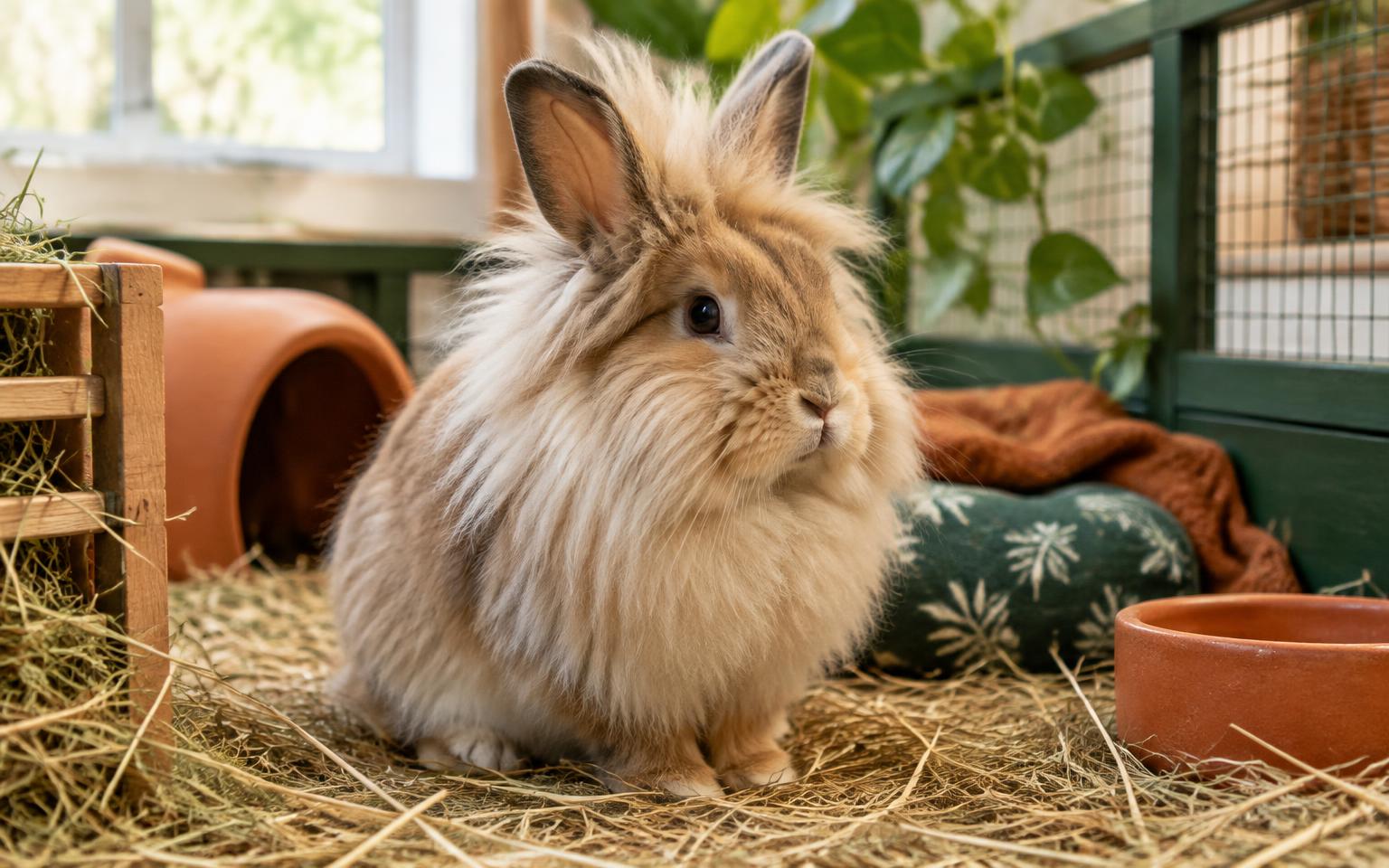
Illustrative cover using relevant category imagery; it does not depict the exact subject.
At a glance
- Scientific name
- Oryctolagus cuniculus
- Family
- Leporidae
- Origin
- Belgium
- Lifespan
- 8–10 years
- Adult size
- 1.1–1.6 kg
- Weight
- 1.1–1.6 kg
- Temperament
- Generally gentle and friendly, though small rabbits can be skittish
- Activity level
- Moderate — needs several hours of exercise space daily
- Social needs
- Rabbits need rabbit company; keep in neutered pairs
- Intelligence
- Moderate; learns litter habits and simple cues
- Noise
- Quiet
Housing and environment
- Housing
- Minimum 3 m × 2 m × 1 m high of combined housing and run space
- Space requirement
- As large as possible; hutches alone are never enough
- Temperature
- 15–21 °C ideal; suffers badly in heat above 26 °C
- Humidity
- 40–60%
- Exercise
- A large pen or rabbit-proofed room plus outdoor run time
- Grooming
- The mane and long coat need brushing several times a week, daily when moulting
Life stages and changing needs
Expanded care guidance · Updated 7 October 2026 · Not professionally reviewed
Young animals and settling in
A young rabbit needs a diet and housing plan appropriate to growth, not an adult weight-loss ration. Ask the rescue and a rabbit-experienced vet about its existing hay, pellets and greens, and make changes gradually. Arrange locally appropriate vaccinations and discuss neutering timing. A small body does not justify a small hutch or frequent handling.
Adult care and reproductive changes
Adults need continuous access to an exercise area and a compatible rabbit companion, usually through carefully managed bonding of neutered animals. Hormones can drive territorial behaviour, but neutering does not make every introduction safe. Avoid stress-bonding techniques. Provide hiding places with escape routes and enough feeding stations that one rabbit cannot exclude the other.
Later life and changing needs
Older rabbits may develop arthritis, dental disease or difficulty reaching their caecotrophs. Make floors non-slip, shorten routes to hay and water, and use accessible litter trays. Check the underside and rear gently for soiling. New reluctance to move or reduced grooming deserves veterinary assessment; it should not be dismissed as simply getting old.
Diet and feeding
At least 85% hay or grass, daily leafy greens, small measured pellets
For adult rabbits, unrestricted good-quality grass hay or suitable grass is the foundation of feeding. It supports normal gut movement and tooth wear. Offer appropriate leafy greens and a measured amount of suitable pellets according to condition and veterinary advice. Muesli-style selective feeding, sugary snacks and bread are poor substitutes. Never offer lawnmower clippings.
Introduce unfamiliar greens gradually and observe appetite and droppings. Fresh water must always be available; check that bowls or bottles work and stay clean. A rabbit that eats treats but avoids hay may have dental pain. Sudden restriction or withholding food is unsafe; weight management should preserve fibre intake and be planned with the vet.
Daily care and ongoing checks
Every day
Check hay intake, droppings, urination, movement and the rear end every day. Remove wet bedding and protect against predators, overheating and insects. Allow digging, chewing and exploration using safe materials. Interact at floor level and support the whole body if lifting is necessary; rabbits can injure their backs when they struggle.
Regular maintenance and prevention
Weigh regularly, inspect the coat and nails, and arrange examinations with a rabbit-experienced vet. Long or dense coats need more frequent gentle grooming, especially during moults. Do not bathe a rabbit routinely or cut mats close to skin at home. Local vaccination and parasite risks vary, so use an individual preventive-care plan.
Behaviour and compatibility
Chews, digs and explores; most active at dawn and dusk
- With children
- Better with calm older children; dislikes being picked up
- With other animals
- Keep separate from predator pets; guinea pigs are not suitable companions
- Training difficulty
- Moderate
Health
- Dental disease
- Gut stasis
- Flystrike in summer
- Obesity
Vaccinate against myxomatosis and RHD; yearly checks with a rabbit-savvy vet.
Special care requirements
The long mane mats easily; check the coat daily and trim around the rear if needed.
Mane grooming without reducing space or company
Lionhead rabbits need exactly the same minimum 3 x 2 x 1 metre combined living and exercise space, hay-based diet and bonded rabbit companionship as any other rabbit breed; their small size and appealing mane are not a reason to accept a smaller hutch or solitary housing.
The mane and surrounding longer coat mats easily and needs brushing several times a week, more often during a moult, with particular attention around the rear end to prevent soiled, matted fur that can attract flystrike in summer. A mat that cannot be gently brushed out needs careful trimming or veterinary help rather than being pulled.
Before you take one on
Sources and further guidance
These welfare and veterinary resources inform general husbandry advice; they do not certify this profile or replace a species-experienced professional. Confirm exact environmental settings and feeding plans for your animal.
Can your home meet lionhead rabbit needs?
- Plan for a lifespan of 8–10 years, including holiday cover and, where one is available, a vet familiar with this species. Lifespan ranges are not guarantees.
- Arrange the social setting before arrival. Social guidance for this species: Rabbits need rabbit company; keep in neutered pairs. Do not assume another animal of any species is a suitable companion.
- Habitat priority for this species: As large as possible; hutches alone are never enough. Make sure your setup can provide this consistently. Check the room stays within the listed temperature range with a thermometer rather than judging by feel.
- Key care point: The long mane mats easily; check the coat daily and trim around the rear if needed. Discuss diet and any specialist needs with the supplier, rescue and a vet who treats this species, and check local legal requirements before acquiring an animal.
Educational reference, not an individual diagnosis or a verified professional review. Read our editorial policy.
Guidance libraries and further reading
These organisations publish relevant guidance. Their links are further reading, not evidence that they have reviewed this page.