
Digestive · Updated 2026-09-29
Wet tail in hamsters
Severe bacterial diarrhoea, most common in young or recently stressed hamsters, that can dehydrate a small animal within hours.
Emergency veterinary attentionHamstersSmall mammals
Signs to watch for
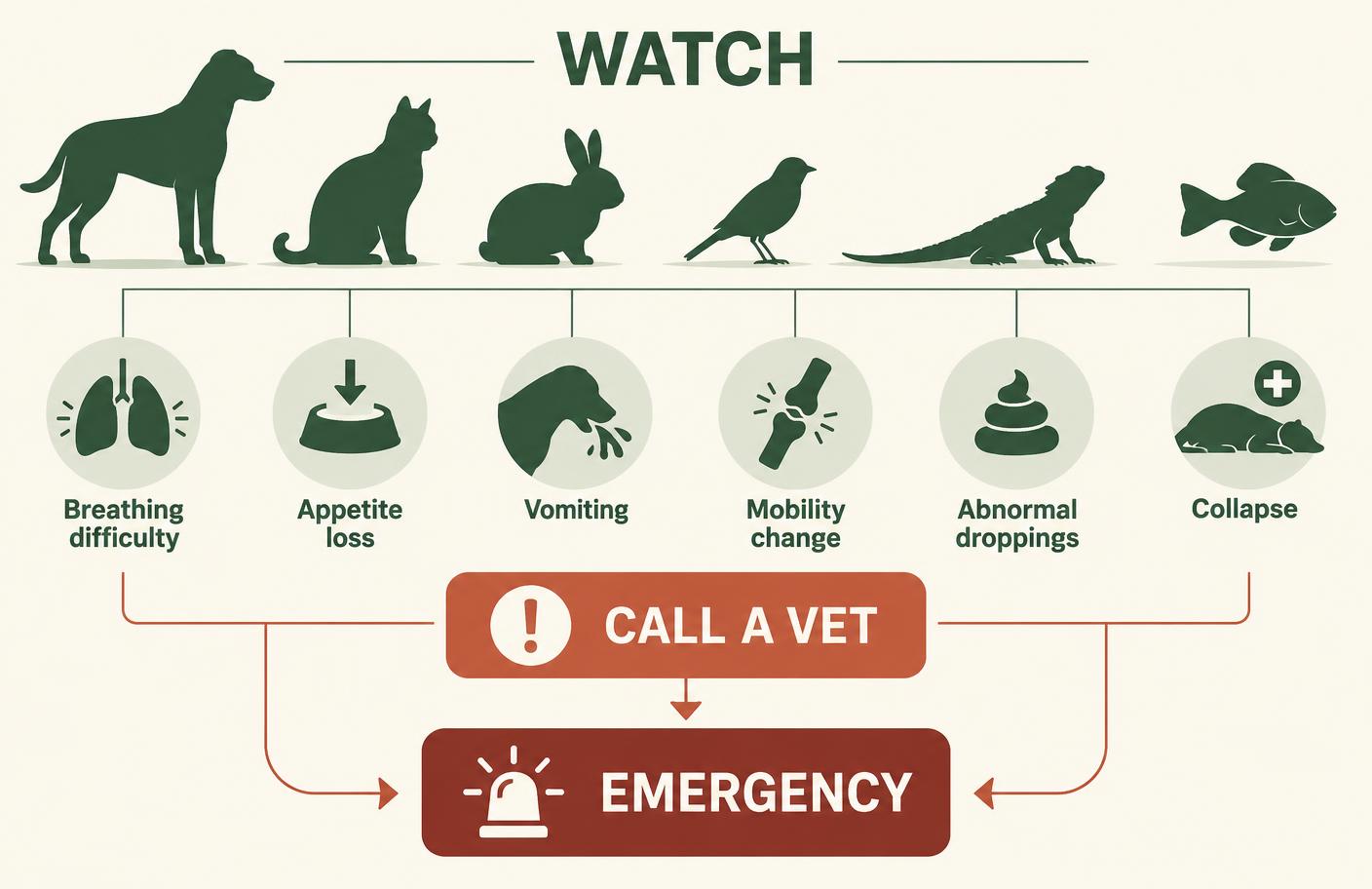
- Wet, soiled tail and rear
- Diarrhoea
- Hunched posture
- Lethargy
- Loss of appetite
- Irritability when handled
Causes and risk factors
Proliferative ileitis bacteria, usually triggered by stress — recent rehoming, weaning, overcrowding or poor hygiene.
How veterinarians diagnose it
Based on signs and history; speed matters more than laboratory confirmation.
Treatment and management
Exotic-vet care with fluids, appropriate antibiotics and warmth. Home treatment alone is rarely enough.
Prevention
Minimise stress in the first weeks, buy from responsible sources, quarantine new arrivals and keep enclosures scrupulously clean.
Outlook
Guarded; many hamsters die within 48 hours without prompt treatment, but early veterinary care saves many.
Common questions
- What are the signs of wet tail in hamsters?
- Wet, soiled tail and rear; Diarrhoea; Hunched posture; Lethargy; Loss of appetite; Irritability when handled.
- What causes wet tail in hamsters?
- Proliferative ileitis bacteria, usually triggered by stress — recent rehoming, weaning, overcrowding or poor hygiene.
- How is wet tail in hamsters diagnosed?
- Based on signs and history; speed matters more than laboratory confirmation.
- How is wet tail in hamsters treated?
- Exotic-vet care with fluids, appropriate antibiotics and warmth. Home treatment alone is rarely enough.
- Can wet tail in hamsters be prevented?
- Minimise stress in the first weeks, buy from responsible sources, quarantine new arrivals and keep enclosures scrupulously clean.
- When should I contact a veterinarian?
- Treat as an emergency the same day. Isolate from other hamsters and wash hands thoroughly after handling.