
Parasites · Updated 2026-10-19
Freshwater ich
A contagious protozoal infection, often called white spot disease, that irritates skin and gills and can spread rapidly through an aquarium.
Documented photographs
Real photographs from the credited sources below. An example may look different from your pet’s condition; photographs cannot confirm or exclude a diagnosis. Ask a veterinarian about new or changing signs.
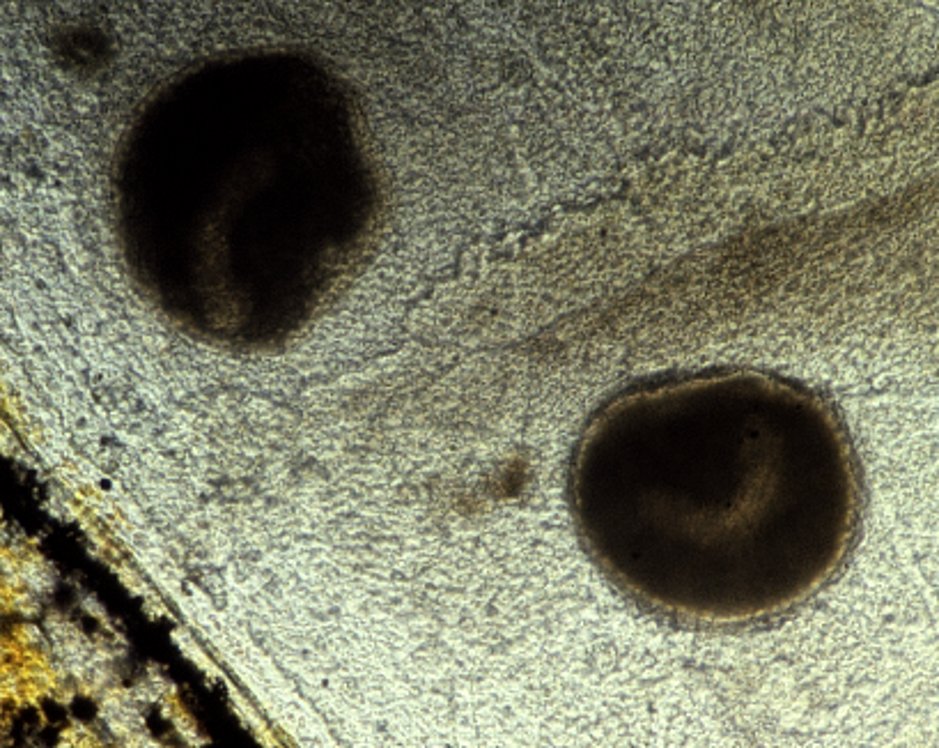
Ich parasites in fish skin under a microscope. Trophonts of Ichthyophthirius multifiliis (about 0.3 mm across) in the tail-fin skin of a rainbow trout. Each one shows up as a white spot on a live fish. Microscopy confirms ich; spots alone can resemble other conditions.
Photograph: AquaTT (photo: Kurt Buchmann, University of Copenhagen) · Wikimedia Commons source · CC BY-SA 4.0 · Converted to JPEG for the web; displayed without content edits
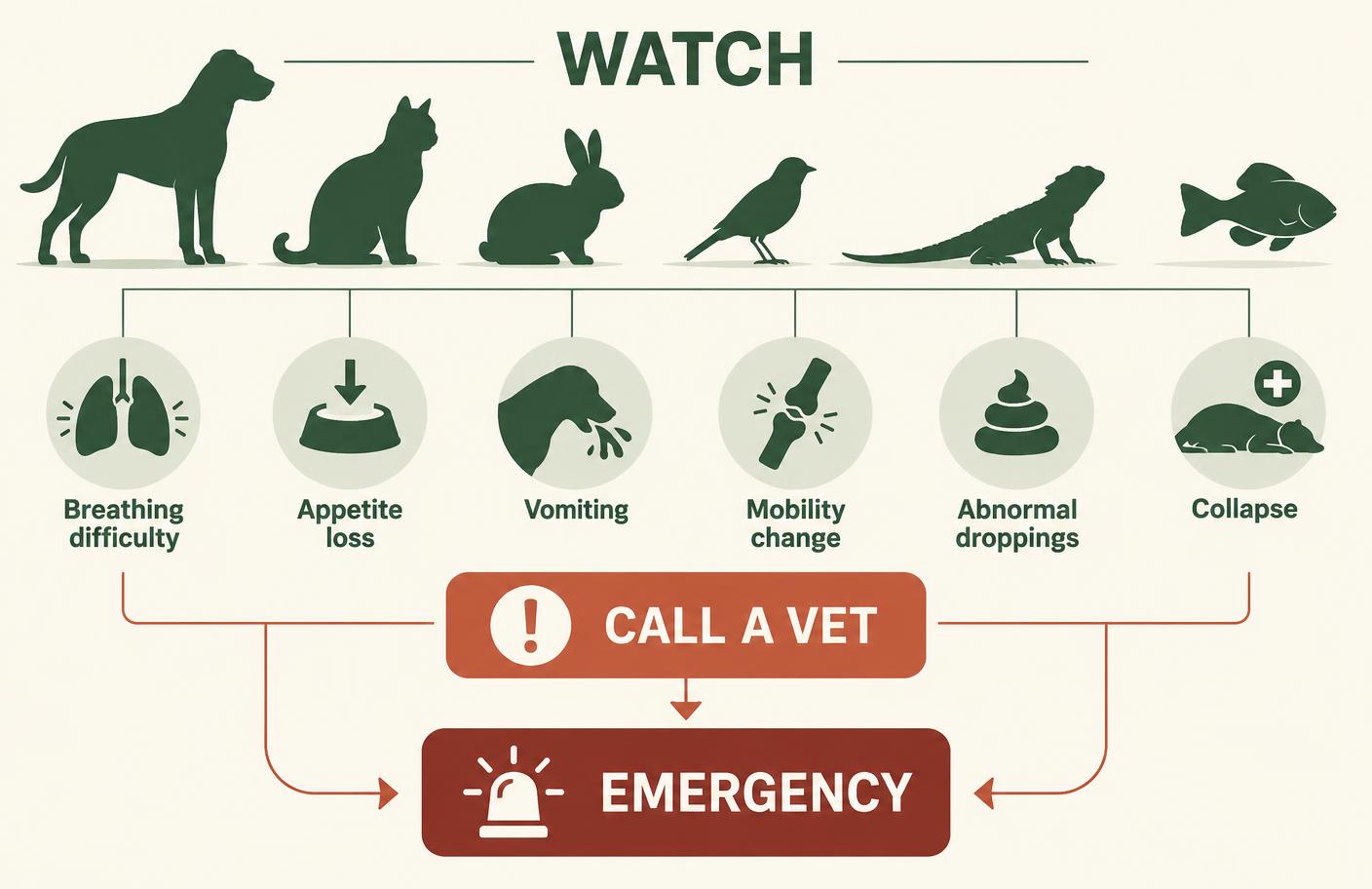
Signs to watch for
- Salt-like white spots
- Rubbing against objects
- Clamped fins
- Rapid breathing
- Reduced appetite
- Hiding
Causes and risk factors
Ichthyophthirius multifiliis is commonly introduced with infected fish, plants or water. Stress and unstable water quality worsen outbreaks.
How veterinarians diagnose it
Appearance can suggest ich, but microscopy by an aquatic veterinarian or experienced fish-health professional distinguishes it from similar diseases.
Treatment and management
Treat the entire system with a species-safe protocol while correcting ammonia, nitrite, oxygen and temperature. Some medicines are unsafe for invertebrates or scaleless fish.
Prevention
Quarantine new livestock, avoid sharing wet equipment and maintain stable, fully cycled water conditions.
Outlook
Usually good when recognised early; heavy gill infection can kill quickly.
Common questions
- What are the signs of freshwater ich?
- Salt-like white spots; Rubbing against objects; Clamped fins; Rapid breathing; Reduced appetite; Hiding.
- What causes freshwater ich?
- Ichthyophthirius multifiliis is commonly introduced with infected fish, plants or water. Stress and unstable water quality worsen outbreaks.
- How is freshwater ich diagnosed?
- Appearance can suggest ich, but microscopy by an aquatic veterinarian or experienced fish-health professional distinguishes it from similar diseases.
- How is freshwater ich treated?
- Treat the entire system with a species-safe protocol while correcting ammonia, nitrite, oxygen and temperature. Some medicines are unsafe for invertebrates or scaleless fish.
- Can freshwater ich be prevented?
- Quarantine new livestock, avoid sharing wet equipment and maintain stable, fully cycled water conditions.
- When should I contact a veterinarian?
- Seek aquatic-veterinary advice when breathing is laboured, losses occur, or the species limits common treatments.
White spots in the tank: act in order
| Situation | Next step |
|---|---|
| Spots appear | Test water first, then seek fish-health advice. |
| Before adding medication | Check species, invertebrates and filter compatibility. |
| One fish affected | Plan for the whole system, not one fish. |
| Gasping or deaths | Urgent aquatic-veterinary advice. |
| After recovery | Review quarantine of new fish, plants and equipment. |
Appearance alone cannot confirm ich; unsuitable treatment can harm fish, invertebrates and filtration.
Confirm the problem before treating the water
Salt-like white spots strongly suggest ich, but other parasites and bacterial problems can look similar, and spots may be visible only some days into the cycle. Note when spots appeared, which fish are affected, recent additions of fish or plants, breathing rate at the surface and any rubbing or clamped fins. A photograph or short video of the whole tank and of affected fish helps an aquatic veterinarian or experienced fish-health professional assess the situation.
Test ammonia, nitrite, nitrate, temperature and pH before adding anything. Poor or unstable water quality can cause or worsen the signs and can change which treatments are safe. Write the results down rather than trusting appearance: clear water can still contain harmful nitrogen waste. Do not buy multiple medications at once or combine products unless a fish-health professional directs it.
Treat the whole system, not just the spotted fish
The parasite spends part of its life cycle off the fish, so removing one fish does not clear a tank. Treatment plans target the free-swimming stage and depend on temperature, the species kept and the products legally available. Raising temperature or adding salt is not suitable for every species or every tank, and some medicines harm invertebrates, scaleless fish or biological filtration. Follow a protocol for the whole system and complete its full course.
Rapid breathing, fish gasping at the surface, new deaths or worsening signs need prompt advice from an aquatic veterinarian or fish-health service. Keep oxygenation high while treating, because damaged gills and some treatments reduce oxygen availability. After the outbreak, review quarantine practice: new fish, plants and shared wet equipment are common introduction routes.
Quarantine prevents the next outbreak
Many outbreaks begin with a new arrival. Keeping new fish in a separate cycled quarantine tank for several weeks allows signs to appear before they reach the main display. Use dedicated nets and buckets, wash hands between tanks and avoid moving water from shop bags into the aquarium. Sudden temperature drops and stress can also allow a latent infection to flare, so stable conditions are part of prevention.
Sources for this reference
AI-assisted educational guidance, updated 19 October 2026. Not professionally reviewed; sources do not imply endorsement of this page.
Quick answers
- What causes ich (white spot) in fish?
- Ich is caused by the parasite Ichthyophthirius multifiliis. Outbreaks usually start when new fish, plants or water bring the parasite in. Stress, such as a sudden temperature change or poor water quality, then lets it spread. Quarantining new fish helps prevent it. University of Florida IFAS
Preparing for a freshwater ich consultation
- Record when these signs began and how they changed: Salt-like white spots; Rubbing against objects; Clamped fins. Record appetite, swimming and breathing, any spots or fin damage, water-test results and every treatment added to the tank.
- The listed urgency is prompt; worsening breathing, collapse, seizures or severe pain can make any situation an emergency. Ask the clinic rather than relying only on this category.
- Ask what else could explain the signs, which tests would change the plan and how discomfort will be managed. Symptoms alone cannot confirm this condition.
- Before going home, agree what to monitor, when to recheck and which signs mean calling sooner. Follow the individual treatment plan; do not copy another pet's prescription.
Educational reference, not an individual diagnosis or a verified professional review. Read our editorial policy.
Guidance libraries and further reading
These organisations publish relevant guidance. Their links are further reading, not evidence that they have reviewed this page.