
Respiratory · Updated 2026-10-15
Canine infectious respiratory disease (kennel cough)
A contagious complex of viruses and bacteria producing a harsh, honking cough after contact with other dogs.
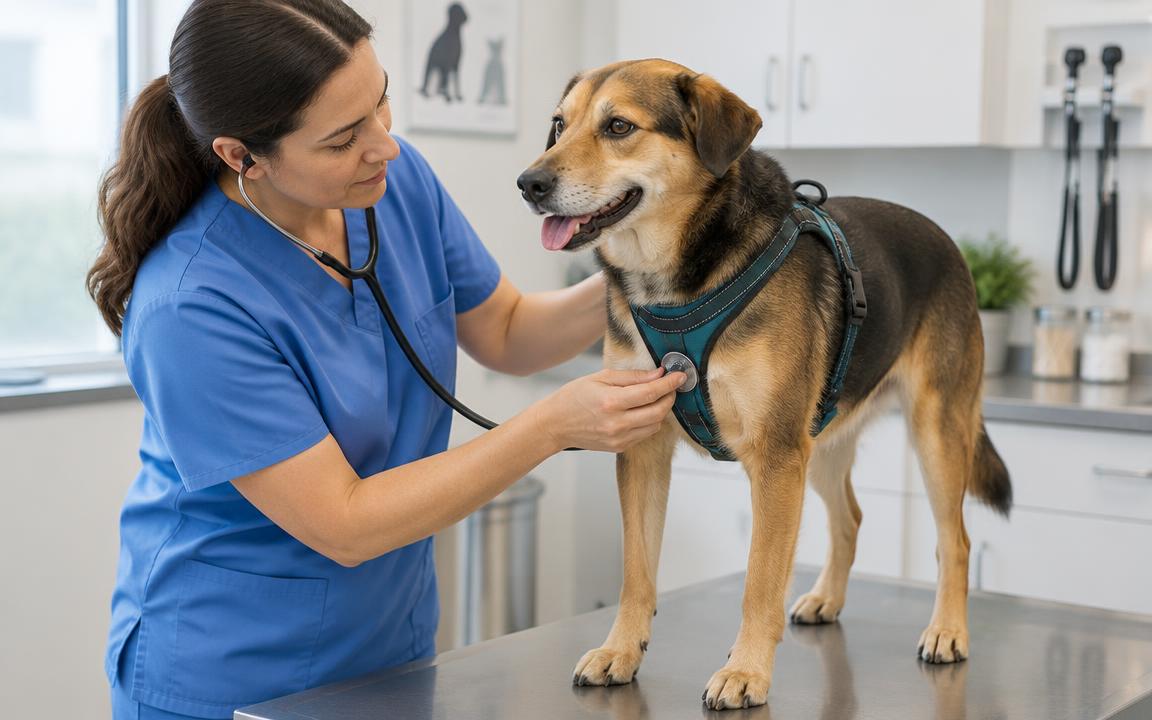
AI-generated editorial illustration; not a clinical demonstration or documentary photograph.
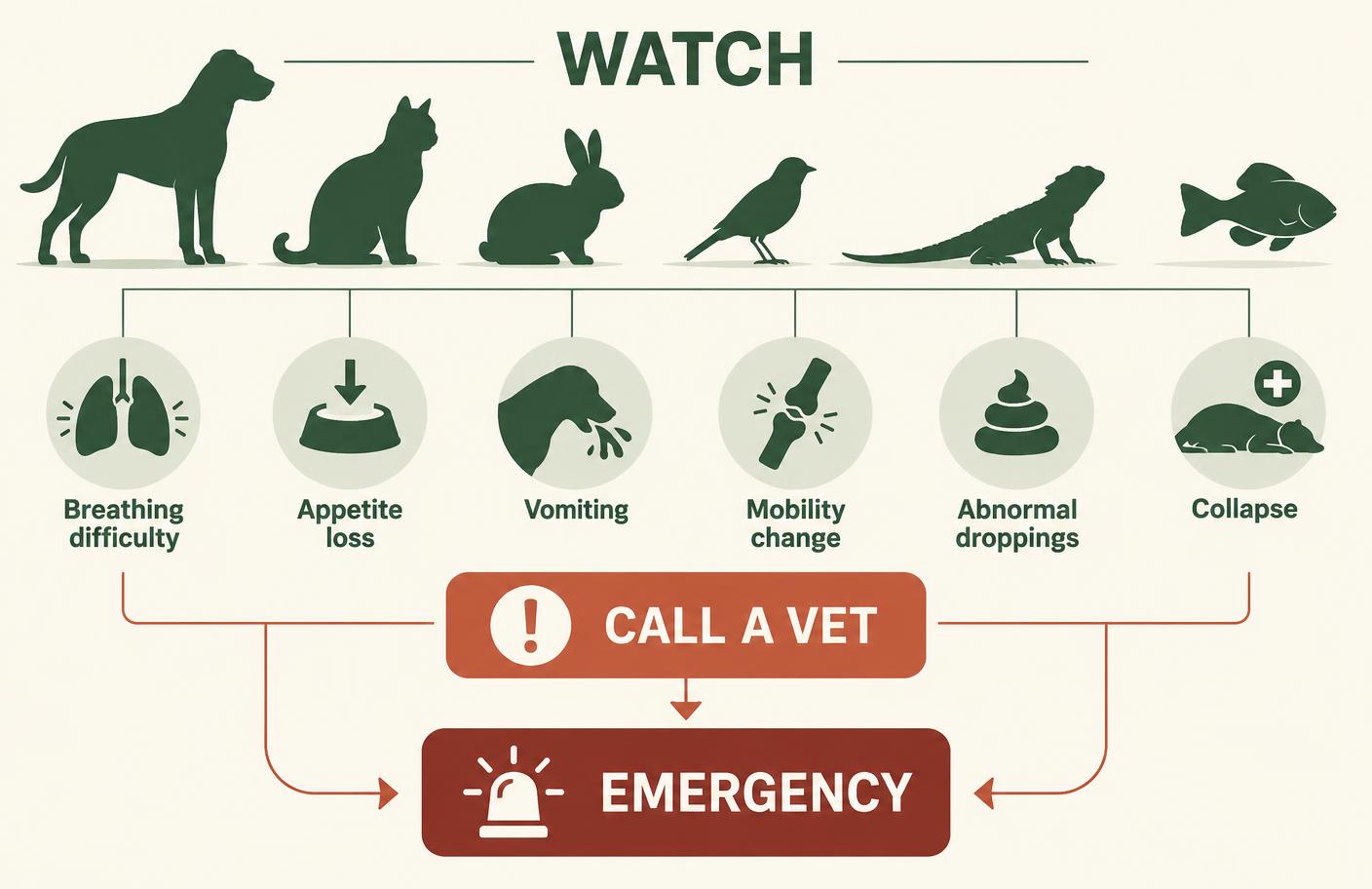
Signs to watch for
- Dry honking cough
- Retching after coughing
- Nasal discharge
- Mild fever
- Reduced appetite
- Coughing worsened by lead pressure
Causes and risk factors
Canine infectious respiratory disease is a complex involving several viruses and bacteria, including Bordetella bronchiseptica. Close contact, shared indoor air and contaminated items can contribute to spread. Boarding is one exposure setting, not the only one.
How veterinarians diagnose it
Usually clinical from history and examination; swabs, blood tests or imaging are used in severe or prolonged cases.
Treatment and management
The veterinarian decides whether supportive care, prescribed symptom relief, further investigation or treatment for complications is needed. Not every cough needs antibiotics. Keep activity comfortable, avoid neck pressure and follow the clinic's individual instructions; do not give human cough medicine or use steam or essential oils as a home treatment.
Prevention
Discuss vaccines appropriate to local risk and your dog's activities. Vaccination does not cover every organism or prevent every infection. Keep a coughing dog away from other dogs for the period advised by the treating clinic, avoid shared items and ask how to clean them appropriately.
Outlook
Many uncomplicated cases improve with time and suitable care, but pneumonia or another underlying cause can change the outlook. Recovery and infectious periods are individual; apparent improvement does not establish that group activities are safe to resume.
Common questions
- What are the signs of canine infectious respiratory disease (kennel cough)?
- Dry honking cough; Retching after coughing; Nasal discharge; Mild fever; Reduced appetite; Coughing worsened by lead pressure.
- What causes canine infectious respiratory disease (kennel cough)?
- Canine infectious respiratory disease is a complex involving several viruses and bacteria, including Bordetella bronchiseptica. Close contact, shared indoor air and contaminated items can contribute to spread. Boarding is one exposure setting, not the only one.
- How is canine infectious respiratory disease (kennel cough) diagnosed?
- Usually clinical from history and examination; swabs, blood tests or imaging are used in severe or prolonged cases.
- How is canine infectious respiratory disease (kennel cough) treated?
- The veterinarian decides whether supportive care, prescribed symptom relief, further investigation or treatment for complications is needed. Not every cough needs antibiotics. Keep activity comfortable, avoid neck pressure and follow the clinic's individual instructions; do not give human cough medicine or use steam or essential oils as a home treatment.
- Can canine infectious respiratory disease (kennel cough) be prevented?
- Discuss vaccines appropriate to local risk and your dog's activities. Vaccination does not cover every organism or prevent every infection. Keep a coughing dog away from other dogs for the period advised by the treating clinic, avoid shared items and ask how to clean them appropriately.
- When should I contact a veterinarian?
- Call promptly about a new persistent cough. Laboured breathing, blue or pale gums, collapse, marked weakness or inability to eat or drink needs urgent or emergency assessment. Tell the clinic about the cough before arriving so it can protect other patients.
Coughing dog: contact and care decisions
| Situation | Next step |
|---|---|
| New persistent cough | Call the clinic, describe signs and mention recent dog contacts. |
| Before arrival | Warn staff so other patients can be protected. |
| Breathing effort or collapse | Seek emergency veterinary help. |
| Group activities | Avoid contact until the treating clinic advises return. |
| Vaccination | Review local risk; protection does not cover every agent. |
The sound of a cough cannot confirm kennel cough or exclude pneumonia, heart disease or another cause.
A cough is a sign, not a diagnosis
The familiar honking sound can suggest infectious respiratory disease after dog-to-dog contact, but coughing also occurs with other airway and heart problems. Retching after a cough may be mistaken for vomiting. Describe what happened, when it started, recent contacts, appetite and breathing at rest. A short video can help if it does not delay care or require provoking a coughing episode.
Call the clinic before attending and tell it that your dog is coughing. Staff may arrange a separate waiting area or another arrival procedure. Do not bring the dog into a crowded reception without warning, and avoid classes, grooming appointments, boarding and close contact with other dogs while obtaining advice. An animal can be infectious without appearing very unwell, and shared indoor air or items can matter as well as nose-to-nose meetings.
Know when the plan needs urgent review
A comfortable dog with a mild cough still needs an individual plan, especially when young, elderly or affected by another illness. Breathing effort, fast breathing at rest, marked lethargy, reduced intake or worsening signs changes the assessment. Blue or pale gums, collapse and obvious breathing difficulty are emergencies. Do not wait for a published one-to-three-week recovery window before calling about deterioration.
Ask which signs to monitor, when to recheck and when contact with other dogs can resume. Vaccination helps against selected agents but is not complete protection against every cause of respiratory disease. Medication decisions depend on the patient; antibiotics are not automatically needed and human cough products can be unsuitable. Keep activity comfortable, avoid pressure on the neck and follow cleaning instructions. Do not deliberately expose other dogs because the cough seems mild or has improved.
Sources for this reference
AI-assisted educational guidance, updated 15 October 2026. Not professionally reviewed; sources do not imply endorsement of this page.
Quick answers
- How do vets test for kennel cough?
- Kennel cough is usually diagnosed from your dog's history and an examination: a honking cough after mixing with other dogs. If the cough is severe or lasts a long time, or if the dog has a fever or breathing changes, a vet may take a swab and run a PCR test, X-rays or blood tests. These check for specific germs or rule out pneumonia. AVMA: Canine infectious respiratory disease complex
Preparing for a canine infectious respiratory disease (kennel cough) consultation
- Record when these signs began and how they changed: Dry honking cough; Retching after coughing; Nasal discharge. Record appetite, water intake, toileting and any medicines or supplements.
- The listed urgency is prompt; worsening breathing, collapse, seizures or severe pain can make any situation an emergency. Ask the clinic rather than relying only on this category.
- Ask what else could explain the signs, which tests would change the plan and how discomfort will be managed. Symptoms alone cannot confirm this condition.
- Before going home, agree what to monitor, when to recheck and which signs mean calling sooner. Follow the individual treatment plan; do not copy another pet's prescription.
Educational reference, not an individual diagnosis or a verified professional review. Read our editorial policy.
Guidance libraries and further reading
These organisations publish relevant guidance. Their links are further reading, not evidence that they have reviewed this page.