
Hormonal disease · Updated 2026-09-29
Diabetes in dogs
Lack of insulin leads to high blood sugar, with increased thirst, weight loss and a risk of cataracts.
Prompt veterinary attentionDogs

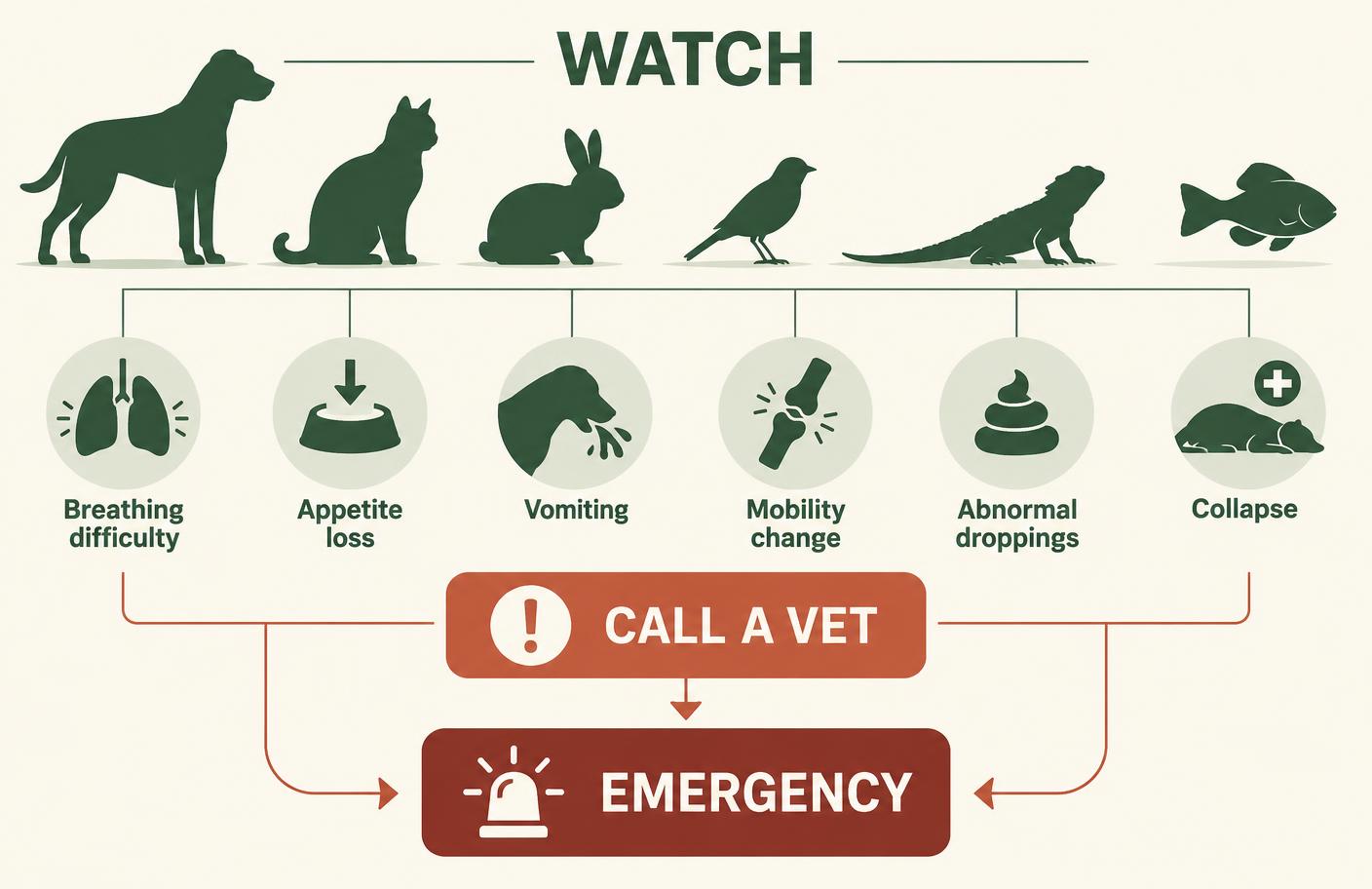
Signs to watch for
- Drinking and urinating more
- Increased hunger
- Weight loss
- Sudden cloudy eyes (cataracts)
- Lethargy
Causes and risk factors
In dogs, usually immune destruction of insulin-producing cells; pancreatitis, Cushing's disease and some breeds increase risk.
How veterinarians diagnose it
Persistently high blood and urine glucose, with further tests to check for complications.
Treatment and management
Twice-daily insulin injections, consistent meals and regular monitoring. Most dogs need insulin for life.
Prevention
Not reliably preventable; keeping dogs lean and spaying (which removes progesterone-related risk) help.
Outlook
Well-managed diabetic dogs often live good lives for years. Cataracts are common but can be treated surgically.
Common questions
- What are the signs of diabetes in dogs?
- Drinking and urinating more; Increased hunger; Weight loss; Sudden cloudy eyes (cataracts); Lethargy.
- What causes diabetes in dogs?
- In dogs, usually immune destruction of insulin-producing cells; pancreatitis, Cushing's disease and some breeds increase risk.
- How is diabetes in dogs diagnosed?
- Persistently high blood and urine glucose, with further tests to check for complications.
- How is diabetes in dogs treated?
- Twice-daily insulin injections, consistent meals and regular monitoring. Most dogs need insulin for life.
- Can diabetes in dogs be prevented?
- Not reliably preventable; keeping dogs lean and spaying (which removes progesterone-related risk) help.
- When should I contact a veterinarian?
- Weakness, wobbliness or seizures in a dog on insulin may mean low blood sugar — an emergency. Contact a vet immediately.