
Nutrition and husbandry · Updated 2026-09-29
Scurvy in guinea pigs
Vitamin C deficiency — guinea pigs, like people, cannot make their own — causing painful joints, poor healing and bleeding gums.
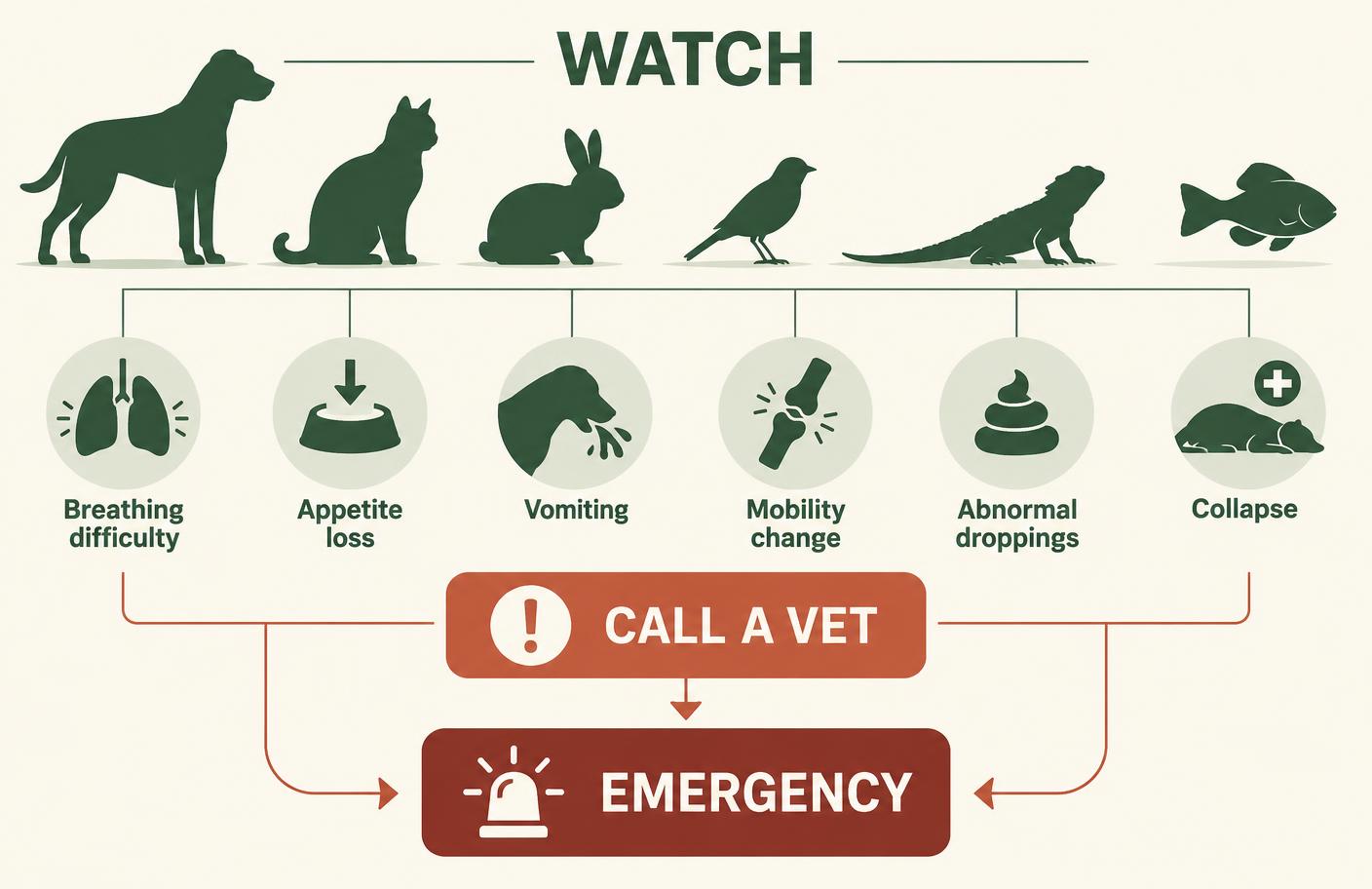
Signs to watch for
- Rough, poor coat
- Reluctance to move or a hopping gait
- Swollen, painful joints
- Bleeding or inflamed gums
- Poor appetite
- Slow wound healing
Causes and risk factors
Insufficient dietary vitamin C, old or poorly stored dry food (vitamin C degrades within weeks of manufacture), and illness increasing demand.
How veterinarians diagnose it
History and examination are usually enough; radiographs may show joint changes in chronic cases.
Treatment and management
Vet-directed vitamin C supplementation, pain relief and correction of the diet. Improvement is often visible within days.
Prevention
Feed fresh vegetables daily (peppers and leafy greens are excellent sources), use in-date guinea-pig-specific pellets and never rely on vitamin C added to water bottles, where it degrades in light.
Outlook
Excellent with prompt treatment; severe joint damage may persist in long-standing cases.
Common questions
- What are the signs of scurvy in guinea pigs?
- Rough, poor coat; Reluctance to move or a hopping gait; Swollen, painful joints; Bleeding or inflamed gums; Poor appetite; Slow wound healing.
- What causes scurvy in guinea pigs?
- Insufficient dietary vitamin C, old or poorly stored dry food (vitamin C degrades within weeks of manufacture), and illness increasing demand.
- How is scurvy in guinea pigs diagnosed?
- History and examination are usually enough; radiographs may show joint changes in chronic cases.
- How is scurvy in guinea pigs treated?
- Vet-directed vitamin C supplementation, pain relief and correction of the diet. Improvement is often visible within days.
- Can scurvy in guinea pigs be prevented?
- Feed fresh vegetables daily (peppers and leafy greens are excellent sources), use in-date guinea-pig-specific pellets and never rely on vitamin C added to water bottles, where it degrades in light.
- When should I contact a veterinarian?
- A guinea pig that stops eating needs same-day exotic-vet care whatever the cause.