
Urinary · Updated 2026-09-21
Feline lower urinary tract disease
A group of bladder and urethral conditions causing painful, frequent or blocked urination, especially in stressed indoor cats.

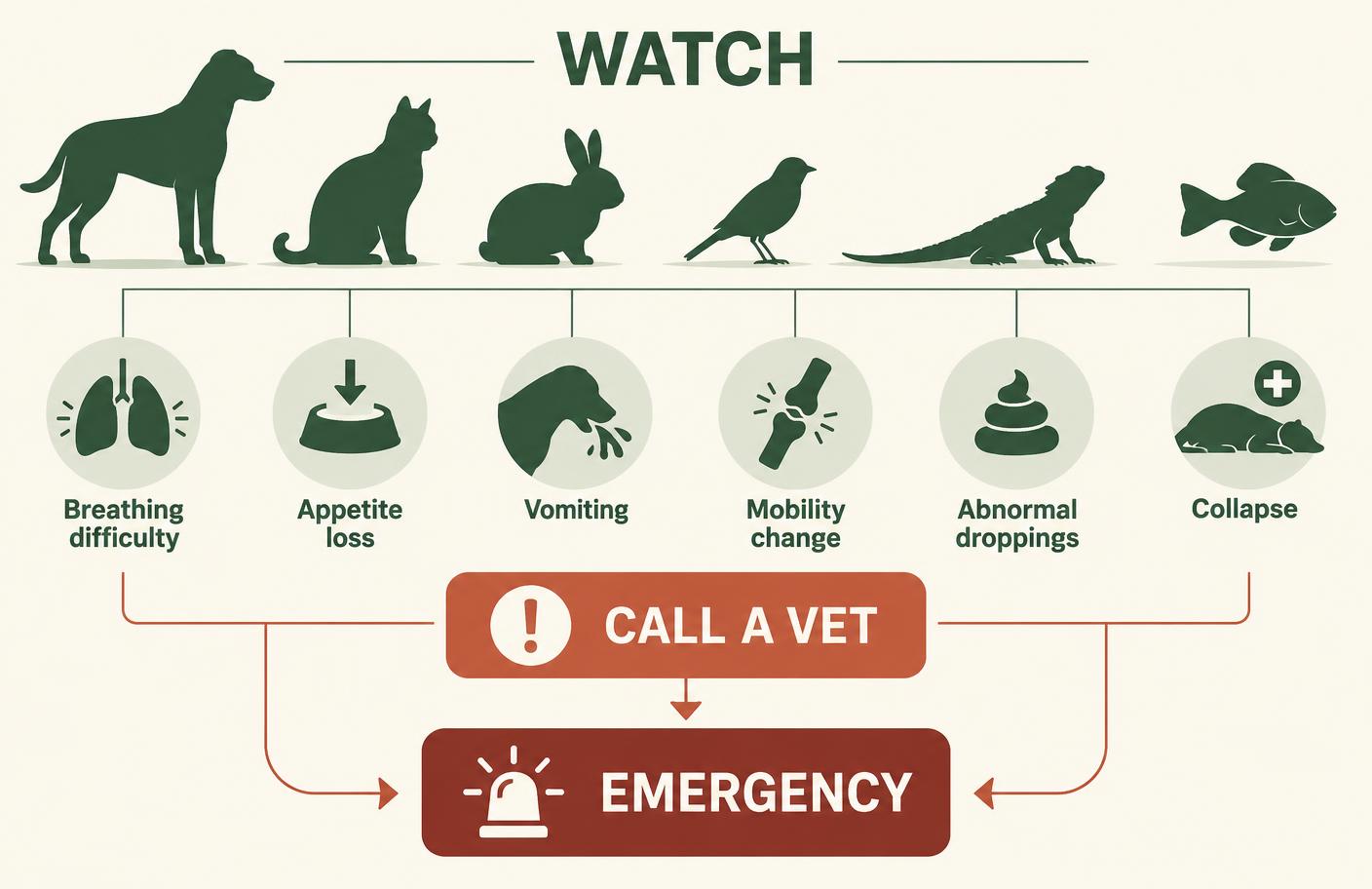
Signs to watch for
- Straining in the tray
- Frequent small urinations
- Blood in urine
- Urinating outside the tray
- Excessive genital grooming
- Crying or hiding
Causes and risk factors
Stress-related bladder inflammation is most common; crystals, stones, infection and anatomical narrowing also contribute.
How veterinarians diagnose it
Examination, bladder palpation, urinalysis, imaging and blood tests distinguish inflammation, stones, infection and obstruction.
Treatment and management
Pain relief, fluids and stress reduction for inflammation; a blocked cat needs emergency catheterisation, fluids and correction of dangerous potassium levels.
Prevention
Increase water intake, offer wet food, add tray numbers and privacy, reduce household conflict and enrich the indoor environment.
Outlook
Inflammatory episodes usually settle within days but recur; treated obstruction has a good outlook, untreated blockage is fatal.