
Dental · Updated 2026-09-21
Rabbit dental malocclusion
Misaligned continuously growing teeth that develop painful spurs and prevent normal eating and grooming.
Urgent veterinary attentionRabbitsGuinea pigs
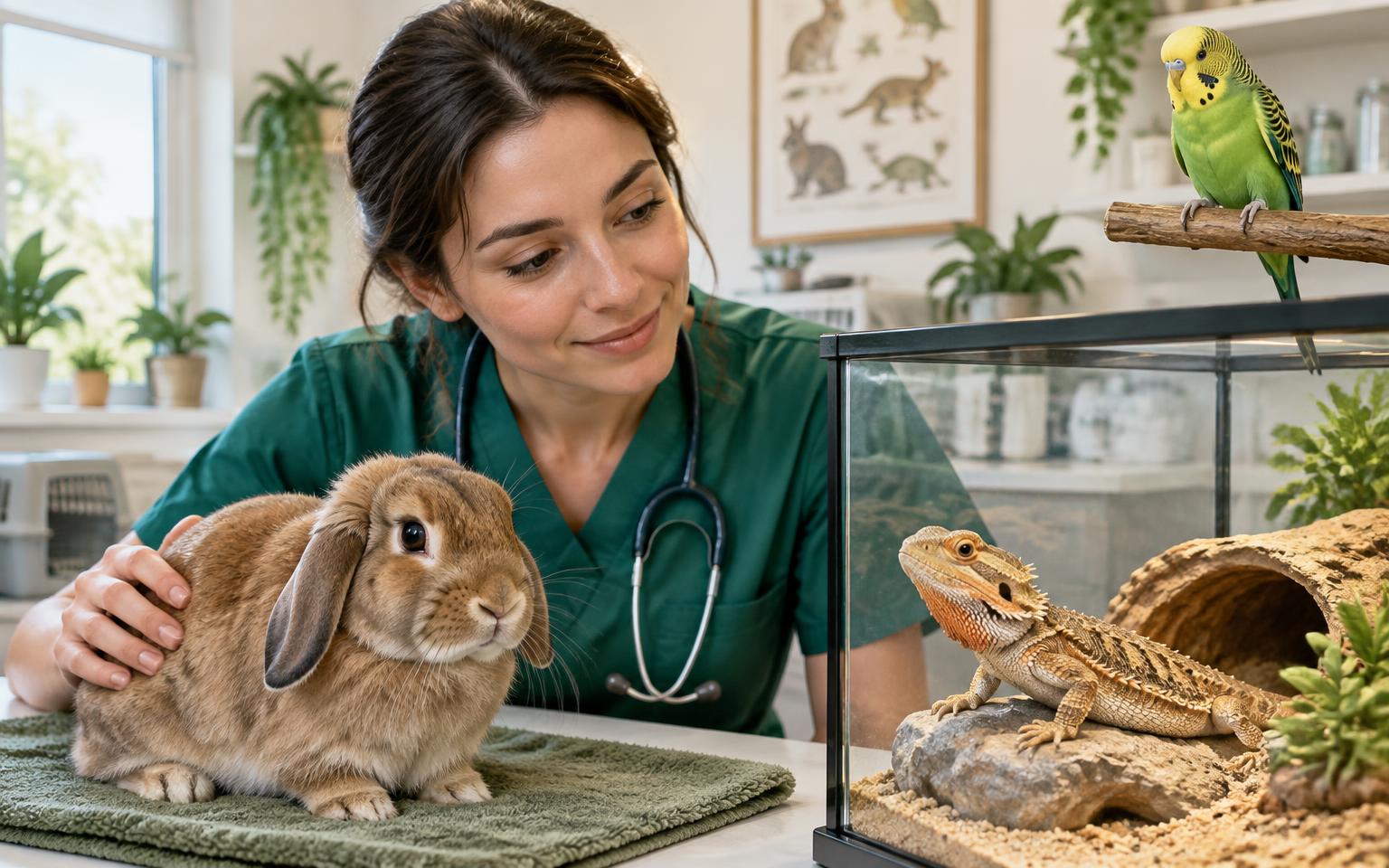
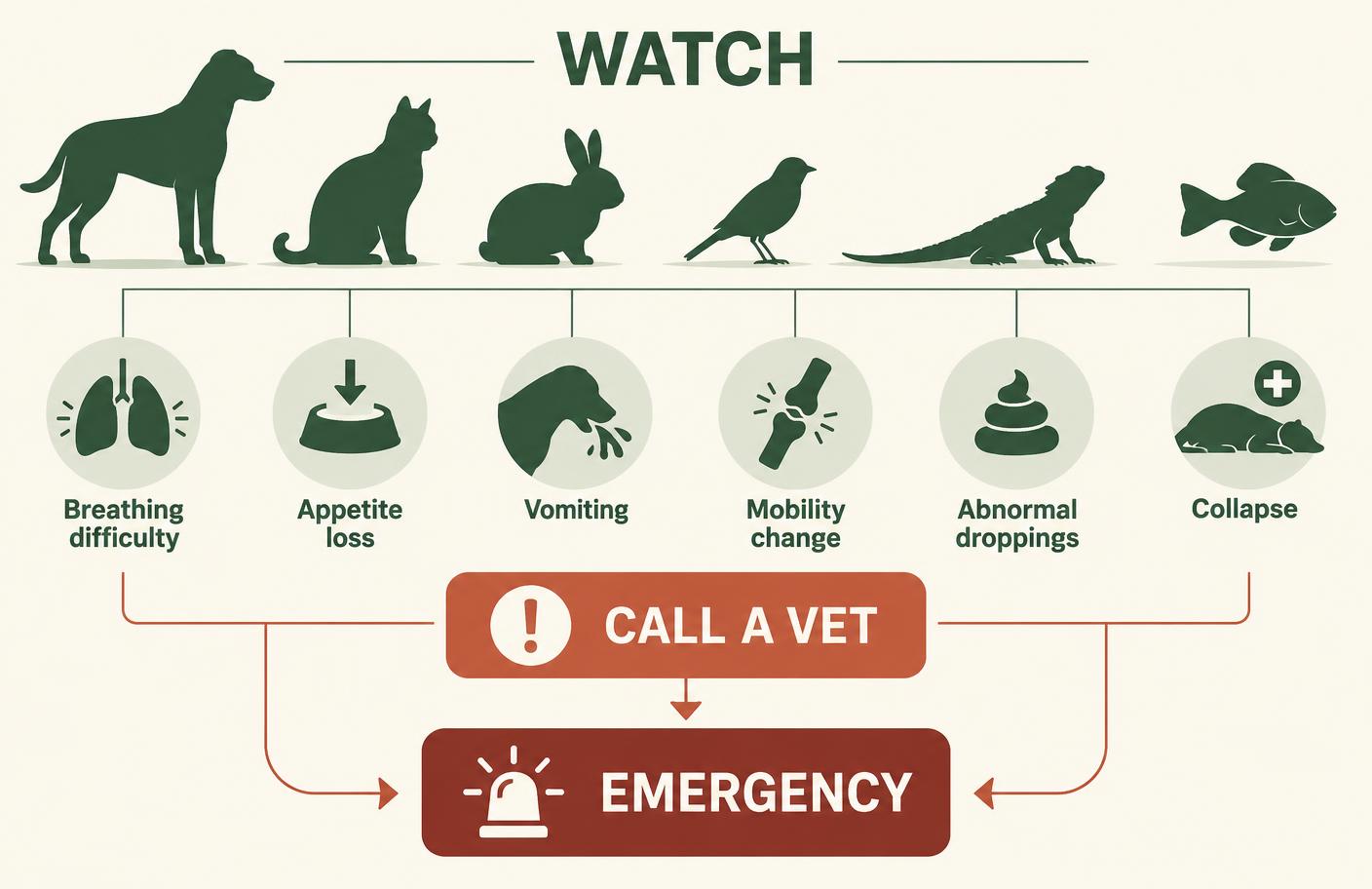
Signs to watch for
- Dropping food
- Selective eating
- Wet chin or dribbling
- Weight loss
- Eye discharge
- Reduced droppings
Causes and risk factors
Inadequate abrasive fibre, genetics, jaw conformation, previous trauma and metabolic bone disease from poor diet.
How veterinarians diagnose it
Conscious oral examination is limited; a rabbit-experienced vet usually needs sedation and skull radiographs to see tooth roots.
Treatment and management
Burring of spurs under veterinary care, pain relief, assisted feeding, and diet correction; root disease may need ongoing management.
Prevention
Unlimited grass hay as the dietary base, limited pellets, daily fresh forage and regular dental checks.
Outlook
Spurs recur, so most affected rabbits need lifelong monitoring; early correction preserves quality of life.