
Kidneys and urinary system · Updated 2026-10-19
Feline chronic kidney disease
A common progressive condition in older cats in which the kidneys gradually lose filtering and regulatory function.
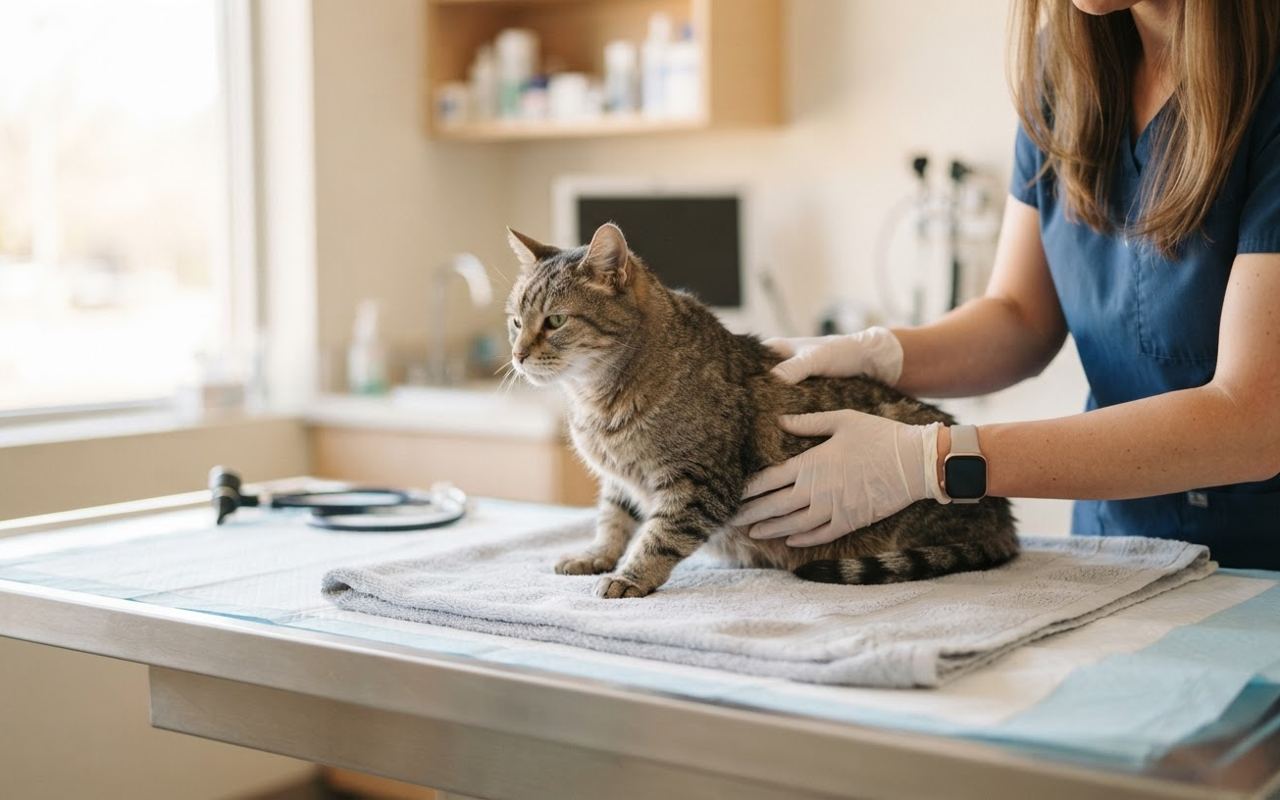
AI-generated editorial illustration of the subject; not a photograph of a specific animal, product or case.
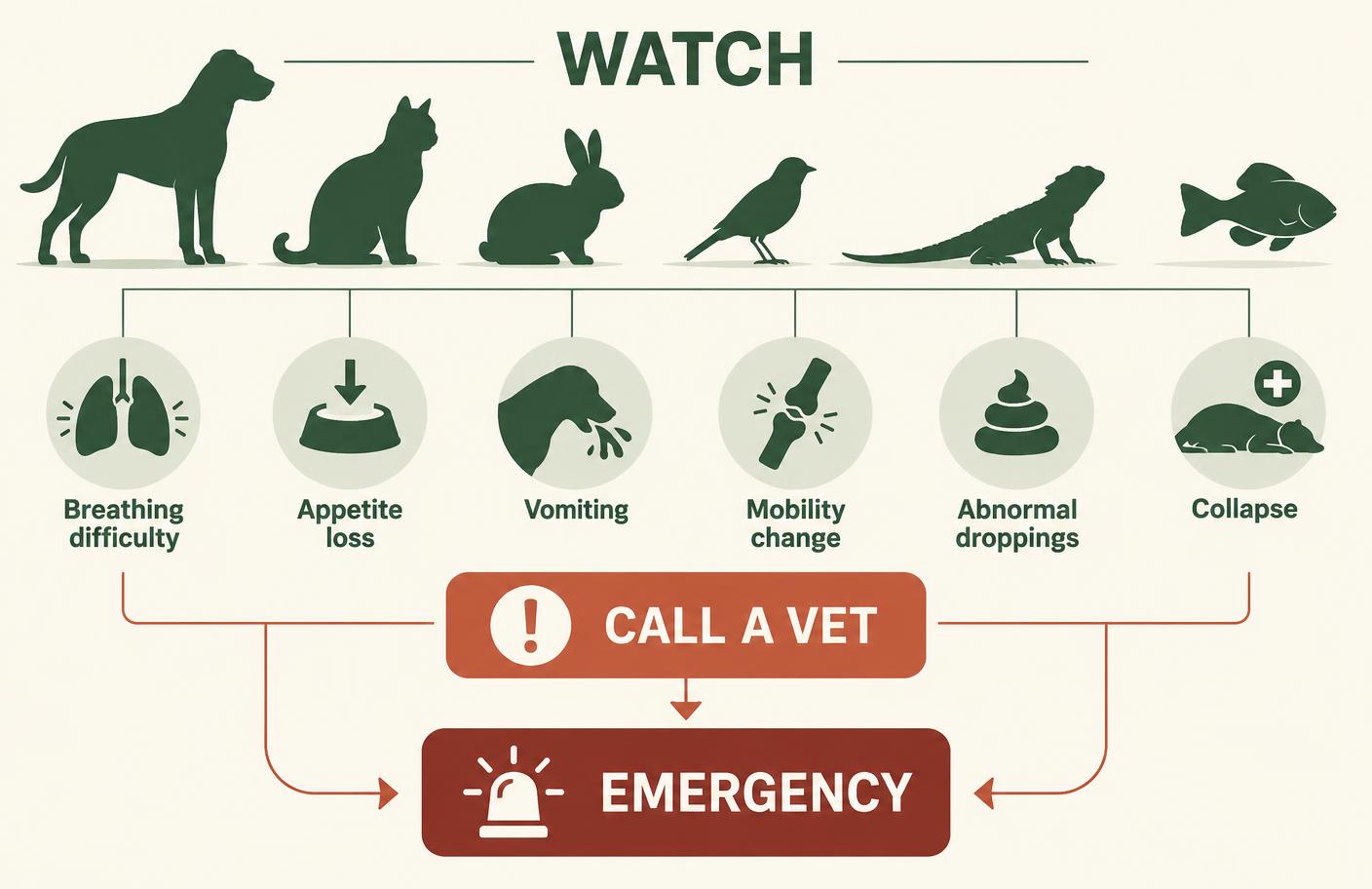
Signs to watch for
- Drinking or urinating more
- Weight loss
- Reduced appetite
- Vomiting or nausea
- Poor coat quality
- Weakness
Causes and risk factors
Often no single cause is identified. Age, previous kidney injury, high blood pressure, infections, toxins and inherited disease can contribute.
How veterinarians diagnose it
Blood pressure, blood and urine tests are interpreted together; repeat testing helps distinguish chronic disease from dehydration or acute injury.
Treatment and management
Care may include a therapeutic kidney diet, hydration support, blood-pressure control and medicines for nausea, phosphorus or protein loss, tailored by a veterinarian.
Prevention
Routine senior checks, prompt treatment of urinary disease and avoiding nephrotoxic substances support earlier detection.
Outlook
Progression varies widely. Early staging and regular monitoring can preserve quality of life for months or years.
Common questions
- What are the signs of feline chronic kidney disease?
- Drinking or urinating more; Weight loss; Reduced appetite; Vomiting or nausea; Poor coat quality; Weakness.
- What causes feline chronic kidney disease?
- Often no single cause is identified. Age, previous kidney injury, high blood pressure, infections, toxins and inherited disease can contribute.
- How is feline chronic kidney disease diagnosed?
- Blood pressure, blood and urine tests are interpreted together; repeat testing helps distinguish chronic disease from dehydration or acute injury.
- How is feline chronic kidney disease treated?
- Care may include a therapeutic kidney diet, hydration support, blood-pressure control and medicines for nausea, phosphorus or protein loss, tailored by a veterinarian.
- Can feline chronic kidney disease be prevented?
- Routine senior checks, prompt treatment of urinary disease and avoiding nephrotoxic substances support earlier detection.
- When should I contact a veterinarian?
- Reduced appetite, repeated vomiting or marked lethargy warrants prompt veterinary care; collapse or inability to keep water down is urgent.
Kidney disease: daily decisions
| Situation | Next step |
|---|---|
| Drinking or urinating more | Book testing; several diseases share these signs. |
| Changing food | Introduce a therapeutic kidney diet gradually with guidance. |
| Eating less or vomiting | Contact the clinic promptly; do not wait for a recheck. |
| Water intake | Offer multiple sources and note actual drinking. |
| Supplements | Ask the veterinary team before adding anything. |
Only blood and urine testing can assess kidney function. Not eating is urgent in any cat.
Drinking more is a reason to test, not a diagnosis
Increased thirst and urination, weight loss, poor coat and reduced appetite can accompany chronic kidney disease, but diabetes, hyperthyroidism and other illnesses produce overlapping signs. Blood and urine testing interpreted together is how kidney function is assessed, and repeat testing helps distinguish lasting disease from a temporary change such as dehydration. A single result or an online checklist cannot stage the disease.
Bring the veterinary team a picture of daily life: water intake, litter tray clumps, appetite, vomiting, weight trend and medications or supplements. Ask what stage has been assigned and what it means for this cat, because stage guides monitoring and treatment choices. If appetite disappears, vomiting repeats or the cat becomes weak or collapsed, seek care promptly rather than waiting for a scheduled recheck.
Support the plan at home without improvising treatment
Diet is the cornerstone of management: a therapeutic kidney diet formulated for this purpose has strong evidence behind it, while simply restricting protein in an ordinary food can leave a cat undernourished. Change foods gradually and keep intake adequate; an elderly thin cat refusing food needs veterinary input quickly, not a battle of wills. Fresh water in several locations, wide low bowls and, for some cats, a fountain can support drinking.
Give prescribed medications as directed and report vomiting, hiding or refusal honestly so the plan can be adjusted. Do not add supplements, herbal products or phosphate binders bought independently without asking, because interactions and dosing matter. Keep recheck appointments even when the cat seems stable; kidney disease is managed over months and years, and trends in weight, blood pressure and laboratory values steer decisions. A cat that stops eating, vomits repeatedly or cannot keep water down needs prompt assessment.
Blood pressure and hydration checks
High blood pressure commonly accompanies kidney disease in cats and can damage the eyes, brain and heart. Ask whether blood pressure measurement belongs in the recheck plan. Sudden blindness or dilated pupils needs urgent attention. Some cats are prescribed fluids under the skin at home; learn the technique from the veterinary team and never start it without instruction.
Sources for this reference
AI-assisted educational guidance, updated 19 October 2026. Not professionally reviewed; sources do not imply endorsement of this page.
Preparing for a feline chronic kidney disease consultation
- Record when these signs began and how they changed: Drinking or urinating more; Weight loss; Reduced appetite. Record appetite, water intake, toileting and any medicines or supplements.
- The listed urgency is prompt; worsening breathing, collapse, seizures or severe pain can make any situation an emergency. Ask the clinic rather than relying only on this category.
- Ask what else could explain the signs, which tests would change the plan and how discomfort will be managed. Symptoms alone cannot confirm this condition.
- Before going home, agree what to monitor, when to recheck and which signs mean calling sooner. Follow the individual treatment plan; do not copy another pet's prescription.
Educational reference, not an individual diagnosis or a verified professional review. Read our editorial policy.
Guidance libraries and further reading
These organisations publish relevant guidance. Their links are further reading, not evidence that they have reviewed this page.