
Ear parasites · Updated 2026-10-19
Ear mites in cats and dogs
Otodectes cynotis mites can cause itchy, inflamed ears and dark debris, especially in cats. Similar signs have other causes, so examination should come before treatment.
Documented photographs
Real photographs from the credited sources below. An example may look different from your pet’s condition; photographs cannot confirm or exclude a diagnosis. Ask a veterinarian about new or changing signs.

Ear mite under a microscope. The source identifies an Otodectes ear mite photographed at 100× magnification. This shows the parasite, not the appearance of an affected ear; dark debris alone cannot diagnose mites.
Photograph: Joel Mills · Wikimedia Commons source · CC BY-SA 3.0 · Re-encoded for the web; displayed without content edits
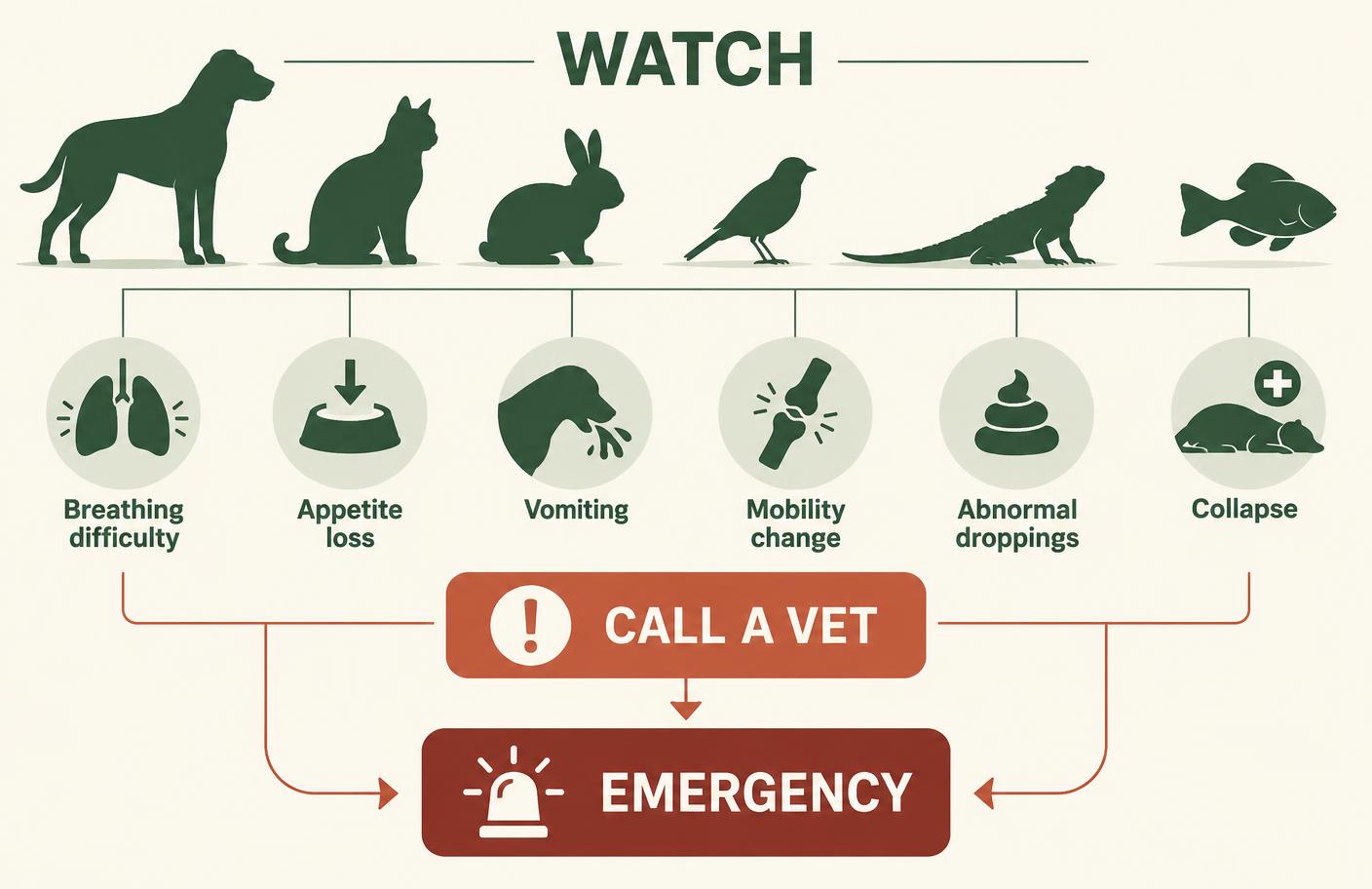
Signs to watch for
- Head shaking
- Scratching ears
- Dark crumbly ear debris
- Red or irritated ears
- Self-inflicted scratches
- Occasional skin irritation outside the ears
Causes and risk factors
Otodectes cynotis is a surface-dwelling mite usually spread through close contact with an infested animal. Cats and dogs can share this parasite. Ear debris alone cannot identify the cause or indicate which medicine is safe.
How veterinarians diagnose it
A veterinarian examines the ear canal and looks for mites or eggs under magnification. Ear cytology may identify concurrent bacteria or yeast. The eardrum and pain level must be considered before cleaning or applying drops.
Treatment and management
The veterinarian selects a licensed parasite treatment suitable for the animal’s species, age, weight and health. In-contact pets may need treatment too. Associated inflammation or infection can require additional care. Follow the prescribed schedule rather than repeating products on your own.
Prevention
Check new pets and follow local parasite-prevention advice. Avoid sharing unclean bedding or grooming equipment, and arrange an examination when ear signs recur. Keep a record of products and dates to prevent accidental overlapping doses.
Outlook
Usually good with correctly administered treatment and attention to exposed pets. Persistent scratching can mean incomplete control, secondary infection or a different ear disease, rather than a reason to keep adding drops.
Common questions
- What are the signs of ear mites in cats and dogs?
- Head shaking; Scratching ears; Dark crumbly ear debris; Red or irritated ears; Self-inflicted scratches; Occasional skin irritation outside the ears.
- What causes ear mites in cats and dogs?
- Otodectes cynotis is a surface-dwelling mite usually spread through close contact with an infested animal. Cats and dogs can share this parasite. Ear debris alone cannot identify the cause or indicate which medicine is safe.
- How is ear mites in cats and dogs diagnosed?
- A veterinarian examines the ear canal and looks for mites or eggs under magnification. Ear cytology may identify concurrent bacteria or yeast. The eardrum and pain level must be considered before cleaning or applying drops.
- How is ear mites in cats and dogs treated?
- The veterinarian selects a licensed parasite treatment suitable for the animal’s species, age, weight and health. In-contact pets may need treatment too. Associated inflammation or infection can require additional care. Follow the prescribed schedule rather than repeating products on your own.
- Can ear mites in cats and dogs be prevented?
- Check new pets and follow local parasite-prevention advice. Avoid sharing unclean bedding or grooming equipment, and arrange an examination when ear signs recur. Keep a record of products and dates to prevent accidental overlapping doses.
- When should I contact a veterinarian?
- Book an examination for new itching or discharge. Severe pain, a swollen ear flap, head tilt, loss of balance or unusual eye movements needs urgent veterinary advice. Do not insert cotton buds or pour home remedies into the ear.
Itchy ears: safe next steps
| Observation | Action |
|---|---|
| Dark debris and scratching | Book examination and microscopy; do not self-diagnose. |
| Several pets | Discuss treatment of contacts with the clinic. |
| Deep debris | Do not insert tools or cotton buds. |
| Head tilt or balance change | Seek urgent veterinary advice. |
| Signs persist after treatment | Recheck for mites, infection or another cause. |
Treatment must suit the species, age and ear condition. Never use dog-only parasite products on cats without veterinary approval.
Dark ear debris is a clue, not a diagnosis
Note which ear is affected, the duration, scratching, smell, discharge and any change in hearing or balance. Take a brief video of head shaking if this can be done without distress. Bring the names and dates of parasite products, cleaners and previous drops to the appointment. Yeast, bacteria, allergies, foreign bodies and other ear problems can produce overlapping signs, and more than one problem can be present.
Do not try to scrape deep debris out for a better photograph. Pain can make even a normally gentle animal bite, and material can be pushed deeper. The veterinarian may need to examine the eardrum or provide pain relief before cleaning. If drops have already been used, report this honestly because it can affect test interpretation and safe product selection.
Treat contacts and check the response
Ask whether all in-contact dogs and cats need treatment, even if some are not scratching. Each pet needs a species-appropriate product and dose: a dog-only product is not automatically safe for a cat. Do not combine spot-ons, collars and ear medication without checking for overlapping ingredients. Routine washing of bedding and a coordinated contact plan are more useful than indiscriminately spraying the home.
Follow the full schedule and ask when an examination is needed to confirm improvement. If discharge or pain persists, the clinic may need to investigate secondary infection or a different underlying problem. Sudden head tilt, loss of balance or severe pain should not wait for the routine follow-up date. Never put peroxide, oils or cotton buds into the canal as a home substitute for examination.
Avoid accidental repeat dosing
If more than one person cares for the pets, nominate who records and gives treatment. Check that the correct animal received the correct product and tell the clinic about a missed or duplicate dose. Do not compensate with extra medication without advice.
Sources for this reference
AI-assisted educational guidance, updated 19 October 2026. Not professionally reviewed; sources do not imply endorsement of this page.
Preparing for a ear mites in cats and dogs consultation
- Record when these signs began and how they changed: Head shaking; Scratching ears; Dark crumbly ear debris. Record appetite, water intake, toileting and any medicines or supplements.
- The listed urgency is prompt; worsening breathing, collapse, seizures or severe pain can make any situation an emergency. Ask the clinic rather than relying only on this category.
- Ask what else could explain the signs, which tests would change the plan and how discomfort will be managed. Symptoms alone cannot confirm this condition.
- Before going home, agree what to monitor, when to recheck and which signs mean calling sooner. Follow the individual treatment plan; do not copy another pet's prescription.
Educational reference, not an individual diagnosis or a verified professional review. Read our editorial policy.
Guidance libraries and further reading
These organisations publish relevant guidance. Their links are further reading, not evidence that they have reviewed this page.