
Skin and allergy · Updated 2026-09-21
Canine atopic dermatitis
A chronic itchy skin condition associated with environmental allergens and a weakened skin barrier.
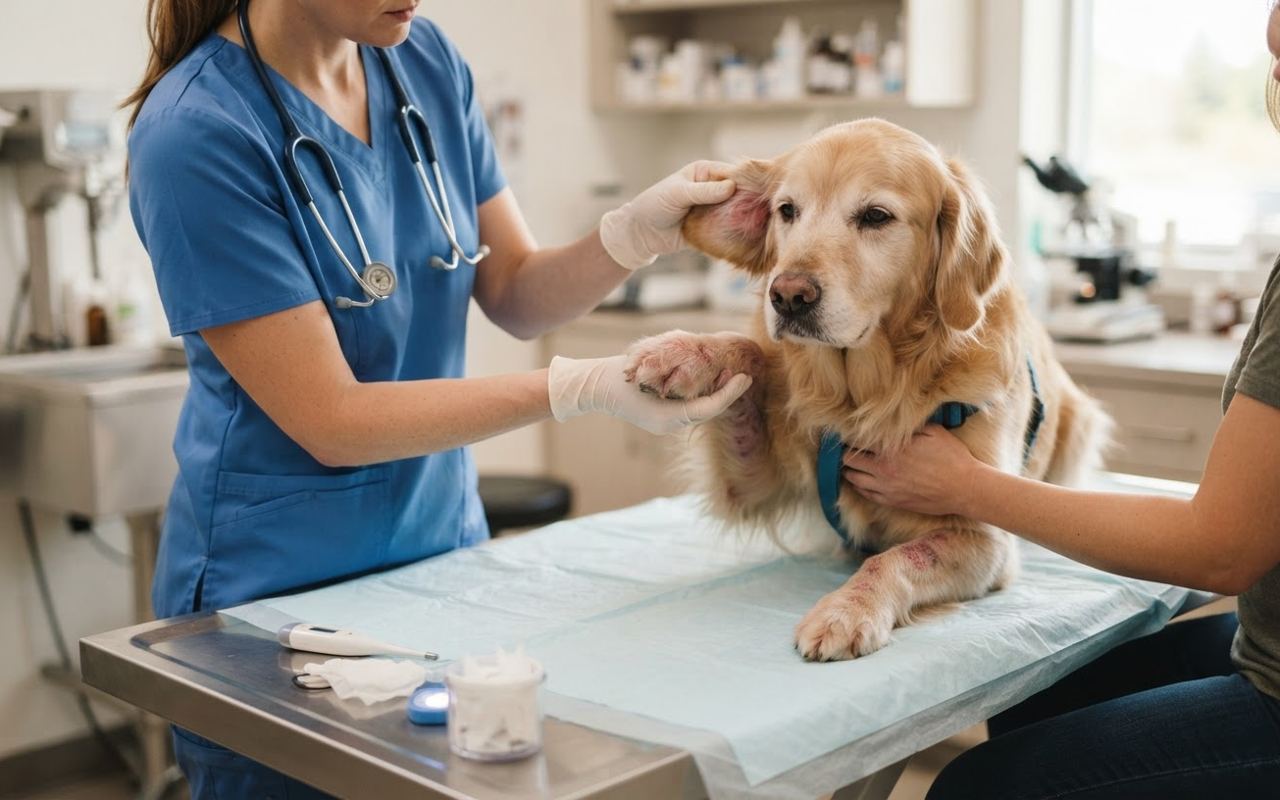
AI-generated editorial illustration of the subject; not a photograph of a specific animal, product or case.
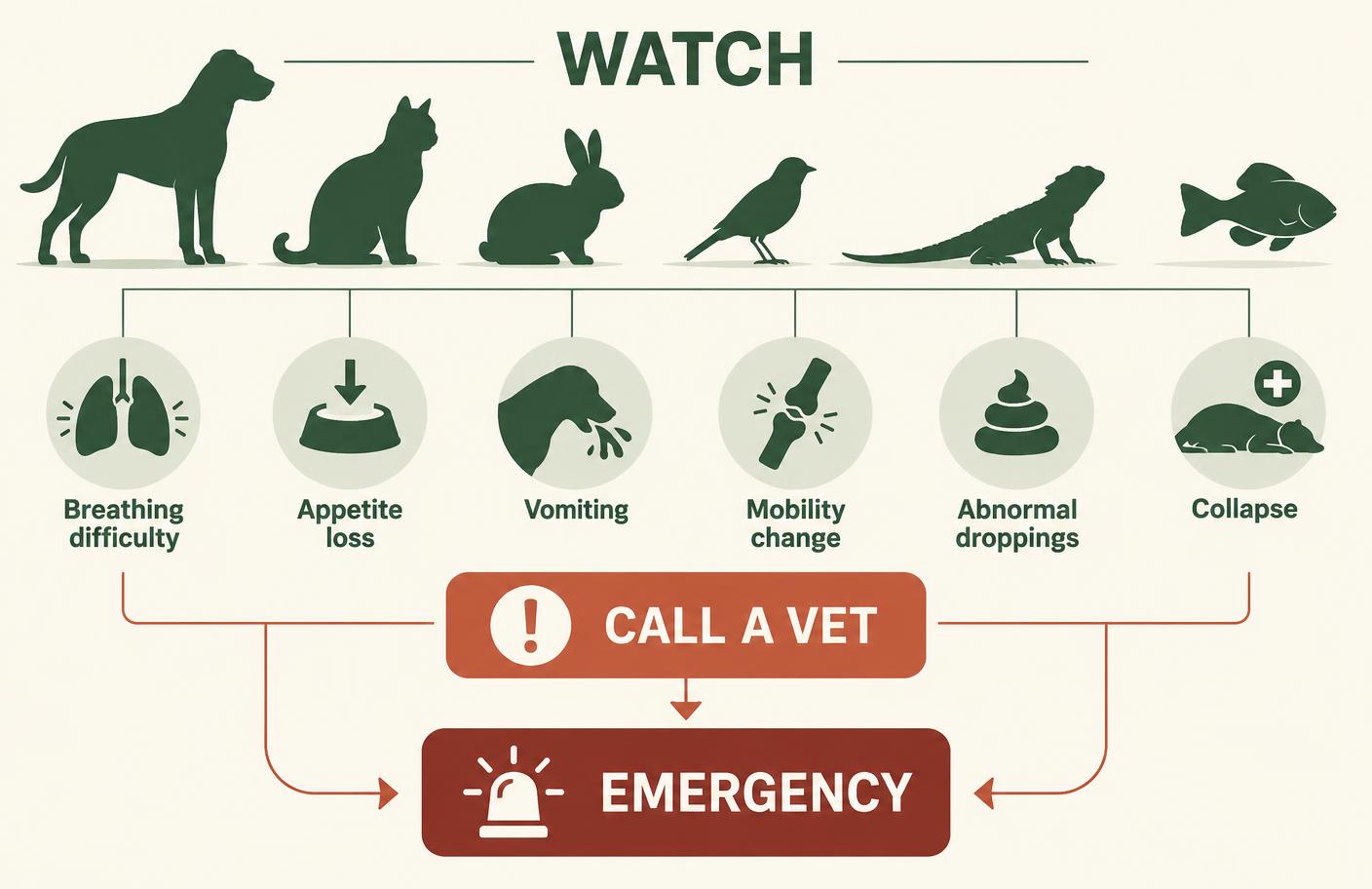
Signs to watch for
- Persistent itching
- Licking paws
- Red ears or skin
- Recurrent skin infections
- Hair loss
Causes and risk factors
Genetics, environmental allergens and skin-barrier dysfunction interact; fleas, food reactions and infections can produce similar signs.
How veterinarians diagnose it
A veterinarian rules out parasites and infection, reviews seasonality and response to treatment, and may use allergy testing to plan immunotherapy rather than to diagnose itch alone.
Treatment and management
Long-term care may combine parasite control, skin care, infection treatment, prescription itch relief and allergen-specific immunotherapy.
Prevention
Consistent parasite prevention, early flare management and veterinarian-approved skin care can reduce severity.
Outlook
Usually lifelong but often controllable with an individual plan and regular reassessment.
Common questions
- What are the signs of canine atopic dermatitis?
- Persistent itching; Licking paws; Red ears or skin; Recurrent skin infections; Hair loss.
- What causes canine atopic dermatitis?
- Genetics, environmental allergens and skin-barrier dysfunction interact; fleas, food reactions and infections can produce similar signs.
- How is canine atopic dermatitis diagnosed?
- A veterinarian rules out parasites and infection, reviews seasonality and response to treatment, and may use allergy testing to plan immunotherapy rather than to diagnose itch alone.
- How is canine atopic dermatitis treated?
- Long-term care may combine parasite control, skin care, infection treatment, prescription itch relief and allergen-specific immunotherapy.
- Can canine atopic dermatitis be prevented?
- Consistent parasite prevention, early flare management and veterinarian-approved skin care can reduce severity.
- When should I contact a veterinarian?
- Arrange an examination for repeated scratching, ear trouble or broken skin; facial swelling or breathing difficulty is an emergency.
Quick answers
- How is canine atopy (environmental allergy) treated?
- Atopic dermatitis is managed, not cured. Vets usually combine approaches: regular flea control, medicated shampoos, anti-itch medicines such as oclacitinib or lokivetmab, and sometimes allergen immunotherapy (desensitisation injections or drops) based on testing. Food trials rule out food allergy, which looks similar. Merck Veterinary Manual
Preparing for a canine atopic dermatitis consultation
- Record when these signs began and how they changed: Persistent itching; Licking paws; Red ears or skin. Record appetite, water intake, toileting and any medicines or supplements.
- The listed urgency is prompt; worsening breathing, collapse, seizures or severe pain can make any situation an emergency. Ask the clinic rather than relying only on this category.
- Ask what else could explain the signs, which tests would change the plan and how discomfort will be managed. Symptoms alone cannot confirm this condition.
- Before going home, agree what to monitor, when to recheck and which signs mean calling sooner. Follow the individual treatment plan; do not copy another pet's prescription.
Educational reference, not an individual diagnosis or a verified professional review. Read our editorial policy.
Guidance libraries and further reading
These organisations publish relevant guidance. Their links are further reading, not evidence that they have reviewed this page.