
Hormonal disease · Updated 2026-09-29
Cushing's disease in dogs
Excess cortisol production, usually from a small pituitary tumour, causing thirst, hunger, a pot-bellied shape and skin changes.
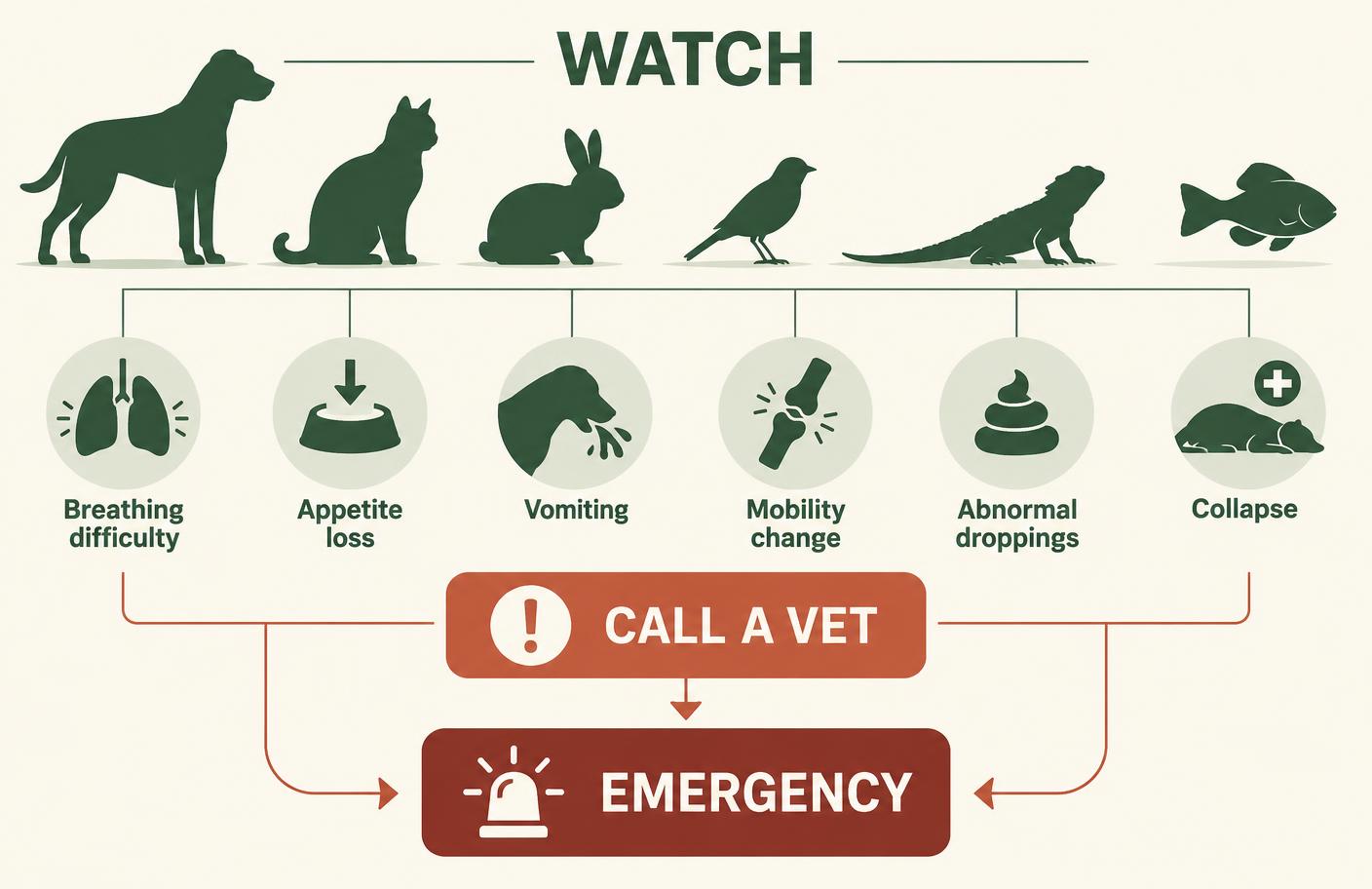
Signs to watch for
- Drinking and urinating much more
- Ravenous appetite
- Pot-bellied appearance
- Hair loss on the body
- Thin skin and slow healing
- Panting and lethargy
Causes and risk factors
Most cases come from a benign pituitary tumour over-stimulating the adrenal glands; some arise from an adrenal tumour or long-term steroid medication.
How veterinarians diagnose it
Blood screening followed by specific hormone stimulation or suppression tests; imaging may locate the source.
Treatment and management
Daily medication to control cortisol production is the usual approach, with regular blood monitoring. Adrenal tumours may be surgical candidates.
Prevention
Not preventable, but early testing when the classic signs appear limits complications.
Outlook
Most dogs respond well to treatment and regain quality of life, though medication and monitoring are lifelong.
Common questions
- What are the signs of cushing's disease in dogs?
- Drinking and urinating much more; Ravenous appetite; Pot-bellied appearance; Hair loss on the body; Thin skin and slow healing; Panting and lethargy.
- What causes cushing's disease in dogs?
- Most cases come from a benign pituitary tumour over-stimulating the adrenal glands; some arise from an adrenal tumour or long-term steroid medication.
- How is cushing's disease in dogs diagnosed?
- Blood screening followed by specific hormone stimulation or suppression tests; imaging may locate the source.
- How is cushing's disease in dogs treated?
- Daily medication to control cortisol production is the usual approach, with regular blood monitoring. Adrenal tumours may be surgical candidates.
- Can cushing's disease in dogs be prevented?
- Not preventable, but early testing when the classic signs appear limits complications.
- When should I contact a veterinarian?
- Never stop Cushing's medication suddenly. Lethargy, vomiting or loss of appetite on treatment needs same-day veterinary advice.