
Skin and infectious disease · Updated 2026-10-19
Ringworm in cats and dogs
Ringworm is a contagious fungal infection of skin and hair, not a worm. It can spread between animals and people; testing and a household treatment plan matter.
Documented photographs
Real photographs from the credited sources below. An example may look different from your pet’s condition; photographs cannot confirm or exclude a diagnosis. Ask a veterinarian about new or changing signs.

Microsporum canis in a cat hair sample. The source identifies Microsporum canis microspores in and along a cat hair. This is a microscopic ringworm example, not a photograph of a typical skin lesion; a pet’s diagnosis requires veterinary examination and testing.
Photograph: Fourrure · Wikimedia Commons source · CC BY-SA 2.0 · Resized and re-encoded for the web; displayed without content edits
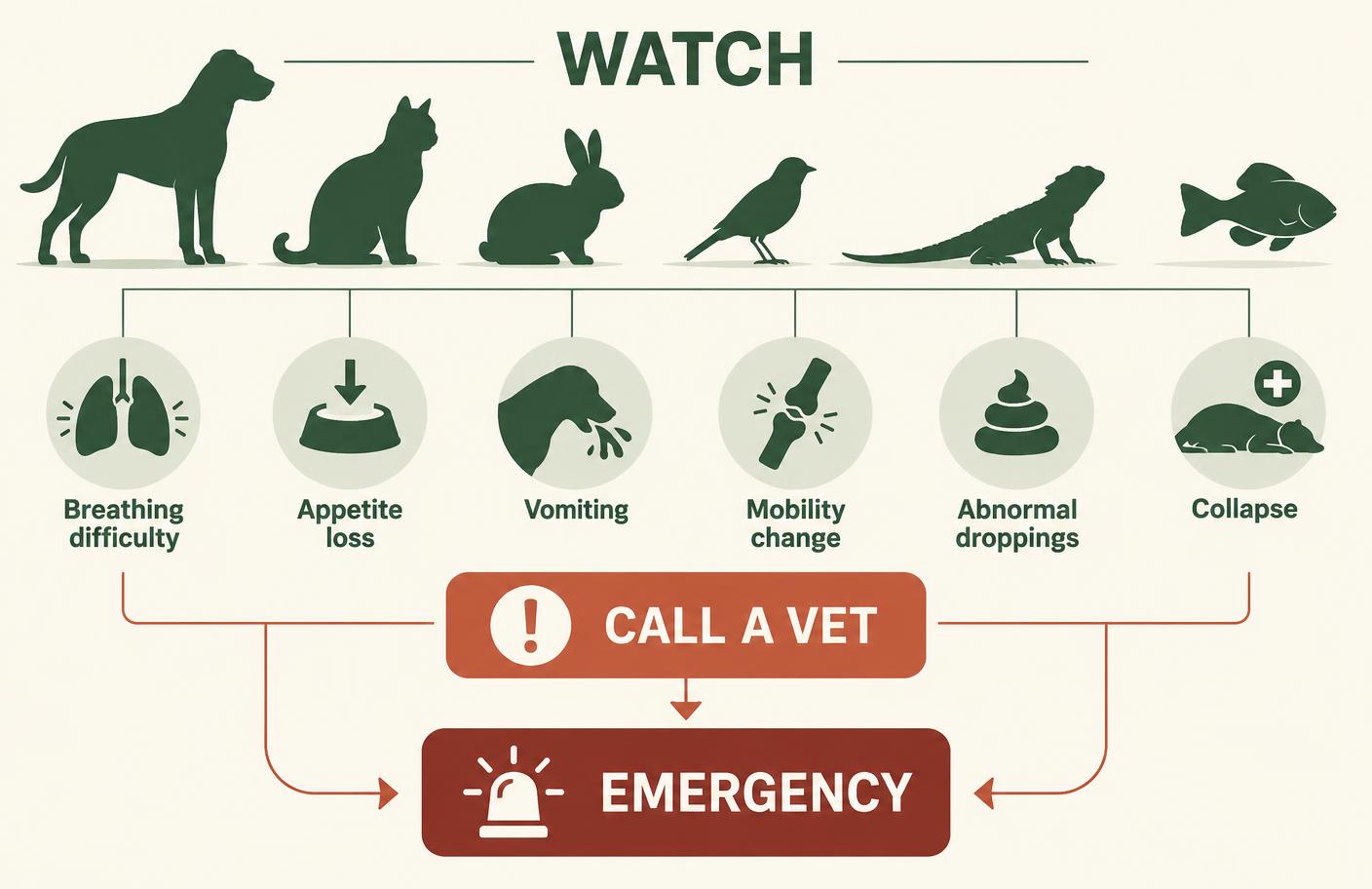
Signs to watch for
- Patchy hair loss
- Scaling or crusting
- Broken hairs
- Red skin
- Variable itching
- Occasionally no obvious signs
Causes and risk factors
Dermatophyte fungi, commonly Microsporum canis, infect keratinised tissues. Contact with an infected animal or contaminated hairs and objects can spread infection. Young animals and those with weakened immunity can be more vulnerable; an apparently healthy animal may carry infectious material.
How veterinarians diagnose it
A veterinarian examines the coat and may combine a Wood’s lamp examination, microscopy, fungal culture or PCR. Not every infected hair fluoresces, and fluorescence alone is not proof of infection. Allergies, mites and bacterial skin disease can resemble ringworm.
Treatment and management
Veterinary care usually combines appropriate whole-coat topical treatment, sometimes oral antifungal medication, and environmental cleaning. The choice and duration depend on the patient and follow-up tests. Do not apply human creams or essential oils without veterinary direction.
Prevention
Have new skin lesions assessed, avoid shared grooming equipment and follow the clinic’s advice about animal contact. Remove shed hair, launder washable bedding and use a suitable disinfectant only after physical cleaning and with pet-safe instructions.
Outlook
Most otherwise healthy animals recover with a consistent plan. The coat looking normal does not establish that infection has cleared; premature stopping can allow ongoing spread.
Common questions
- What are the signs of ringworm in cats and dogs?
- Patchy hair loss; Scaling or crusting; Broken hairs; Red skin; Variable itching; Occasionally no obvious signs.
- What causes ringworm in cats and dogs?
- Dermatophyte fungi, commonly Microsporum canis, infect keratinised tissues. Contact with an infected animal or contaminated hairs and objects can spread infection. Young animals and those with weakened immunity can be more vulnerable; an apparently healthy animal may carry infectious material.
- How is ringworm in cats and dogs diagnosed?
- A veterinarian examines the coat and may combine a Wood’s lamp examination, microscopy, fungal culture or PCR. Not every infected hair fluoresces, and fluorescence alone is not proof of infection. Allergies, mites and bacterial skin disease can resemble ringworm.
- How is ringworm in cats and dogs treated?
- Veterinary care usually combines appropriate whole-coat topical treatment, sometimes oral antifungal medication, and environmental cleaning. The choice and duration depend on the patient and follow-up tests. Do not apply human creams or essential oils without veterinary direction.
- Can ringworm in cats and dogs be prevented?
- Have new skin lesions assessed, avoid shared grooming equipment and follow the clinic’s advice about animal contact. Remove shed hair, launder washable bedding and use a suitable disinfectant only after physical cleaning and with pet-safe instructions.
- When should I contact a veterinarian?
- Arrange an examination for unexplained hair loss or scaling. Tell the clinic about affected animals or people before attending. People with skin lesions should contact their own healthcare professional, particularly if immunocompromised.
Ringworm: household decisions
| Situation | Next step |
|---|---|
| New bald or scaly patch | Arrange examination; appearance alone is not diagnostic. |
| Other pets at home | Ask which contacts need assessment or treatment. |
| Cleaning | Remove hair first, then follow a pet-safe disinfection plan. |
| Coat looks better | Follow the agreed recheck criteria before stopping. |
| Human skin lesions | Contact a human healthcare professional. |
Ringworm can spread between pets and people. A photo or Wood’s lamp result alone cannot confirm or exclude it.
Make a household plan, not just a spot treatment
Tell the veterinarian about every pet in the home, recent arrivals, boarding or shelter contact, and any human skin lesions. A single bald patch is not a reliable way to judge how far infection has spread. Ask which animals need examination or testing and how contact should be managed while results are pending. Keep affected animals comfortable with enrichment and human interaction arranged according to the clinic’s infection-control advice; prolonged isolation without welfare support is not a treatment plan.
Wear appropriate protection when handling affected areas or cleaning and wash hands afterwards. Keep brushes and bedding assigned to the affected animal until the clinic advises otherwise. People who are immunocompromised should seek their own clinician’s advice about exposure. Do not diagnose a person from the pet’s result or use the animal’s medication on a human.
Cleaning and follow-up are part of treatment
Physical removal of shed hair and debris is important before disinfecting surfaces. Follow product instructions for dilution, contact time and ventilation, and keep animals away until the surface is safe. Do not mix cleaning chemicals. Ask how to handle porous items and washable textiles rather than discarding belongings or using harsh chemicals indiscriminately.
Agree on a recheck plan and the criteria for stopping treatment. Improving hair growth is encouraging but not the same as a documented cure. Report vomiting, poor appetite or other changes during prescribed medication, and do not adjust the dose or stop early without advice. If lesions recur, review exposed pets and cleaning routines with the clinic rather than assuming the fungus is resistant.
Prepare information for the clinic
Keep a dated record of lesions and of each prescribed treatment. Photographs taken without distress can help show change, but they do not replace testing. Ask how long results may take and whom to contact if another animal develops signs while you are waiting.
Sources for this reference
AI-assisted educational guidance, updated 19 October 2026. Not professionally reviewed; sources do not imply endorsement of this page.
Preparing for a ringworm in cats and dogs consultation
- Record when these signs began and how they changed: Patchy hair loss; Scaling or crusting; Broken hairs. Record appetite, water intake, toileting and any medicines or supplements.
- The listed urgency is prompt; worsening breathing, collapse, seizures or severe pain can make any situation an emergency. Ask the clinic rather than relying only on this category.
- Ask what else could explain the signs, which tests would change the plan and how discomfort will be managed. Symptoms alone cannot confirm this condition.
- Before going home, agree what to monitor, when to recheck and which signs mean calling sooner. Follow the individual treatment plan; do not copy another pet's prescription.
Educational reference, not an individual diagnosis or a verified professional review. Read our editorial policy.
Guidance libraries and further reading
These organisations publish relevant guidance. Their links are further reading, not evidence that they have reviewed this page.