
Hormonal disease · Updated 2026-09-21
Feline hyperthyroidism
Excess thyroid hormone in older cats can accelerate metabolism and strain the heart, kidneys and other organs.
Prompt veterinary attentionCats

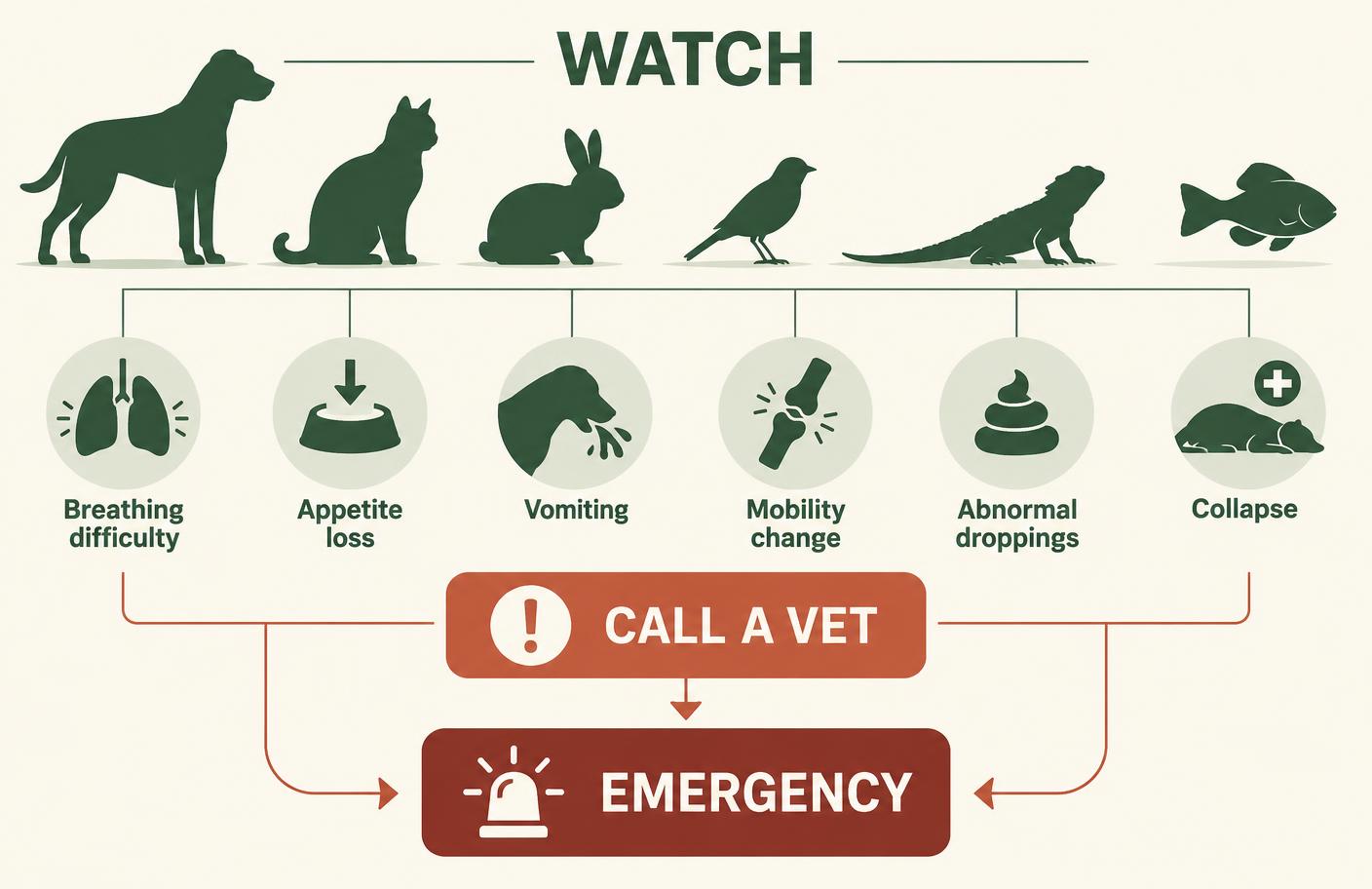
Signs to watch for
- Weight loss despite appetite
- Restlessness
- Vomiting or diarrhoea
- Drinking more
- Fast heartbeat
- Poor coat
Causes and risk factors
Most cases result from benign overactive thyroid tissue; malignant thyroid tumours are uncommon.
How veterinarians diagnose it
Examination, blood pressure and thyroid hormone testing are combined with kidney, liver and heart assessment.
Treatment and management
Options include radioactive iodine, medication, surgery or a strictly controlled iodine-restricted diet; suitability varies by cat.
Prevention
There is no proven prevention. Routine senior examinations and weight tracking support early detection.
Outlook
Often excellent with definitive treatment or careful lifelong control, though concurrent disease influences outcome.