
Eyes and vision · Updated 2026-10-19
Cataracts in dogs
A cataract is an opacity in the eye’s lens that can affect vision. Cloudiness has several causes, and a painful or suddenly changed eye needs prompt assessment.
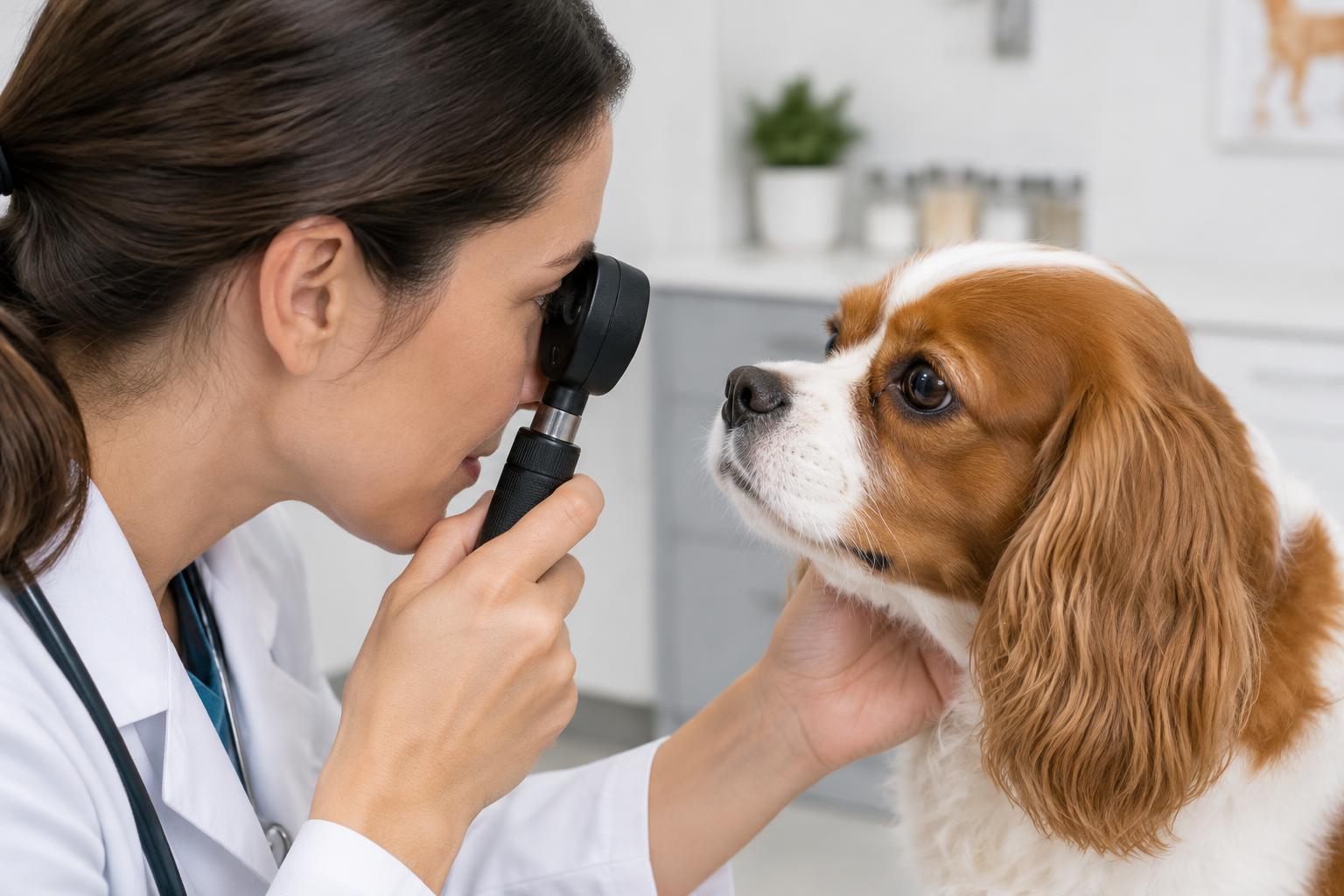
AI-generated editorial illustration; not a clinical demonstration or documentary photograph.
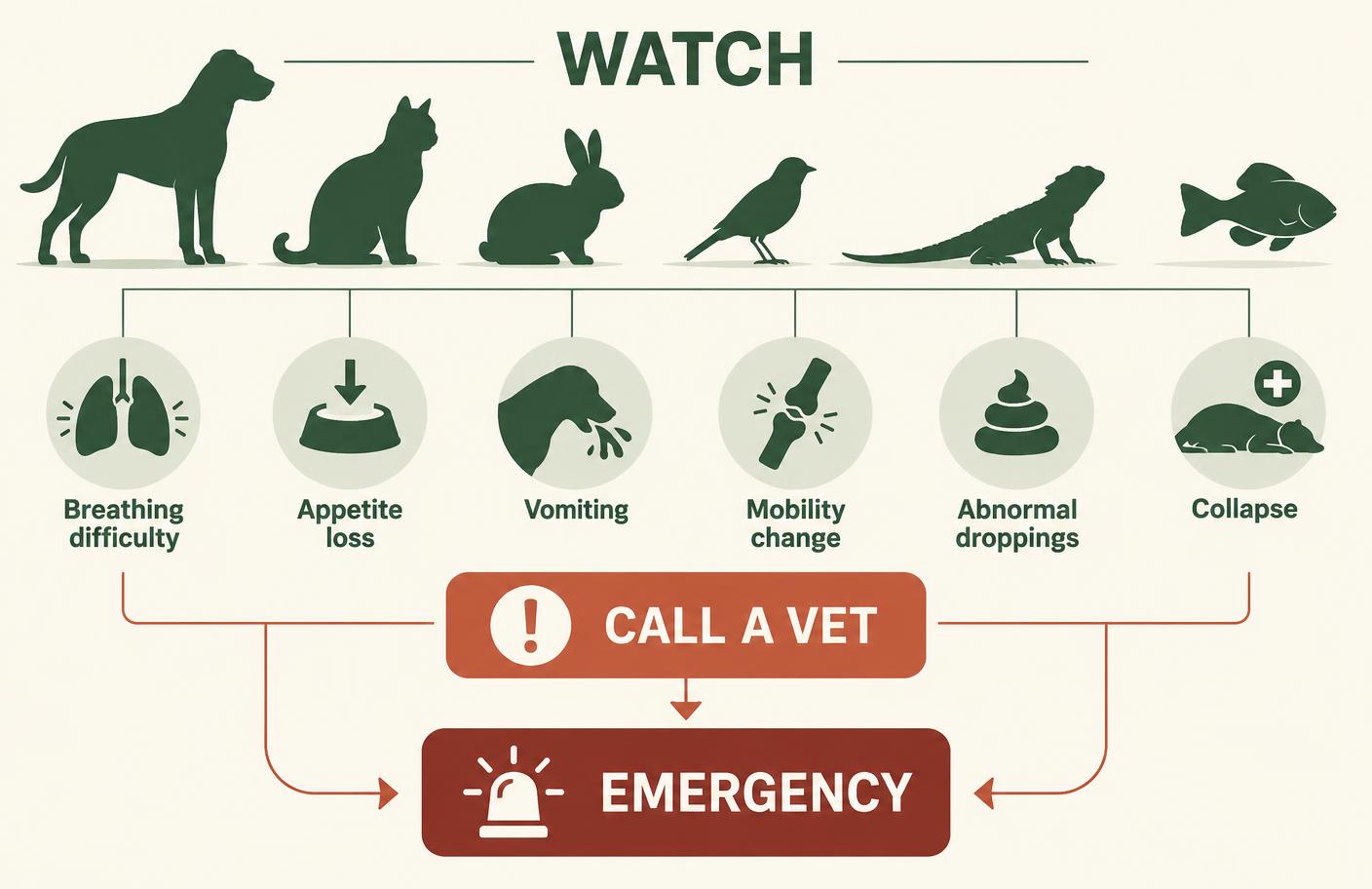
Signs to watch for
- White or grey opacity within the pupil
- Bumping into objects
- Hesitation on steps
- Difficulty in unfamiliar places
- Possible redness or squinting with complications
Causes and risk factors
Inherited disease, diabetes, ageing, injury and inflammation can cause cataracts. Diabetic cataracts can progress rapidly. Nuclear sclerosis is a different age-related lens change; owners cannot reliably distinguish it from a cataract in a photograph.
How veterinarians diagnose it
A veterinarian examines the lens and the rest of the eye, assesses vision and may measure eye pressure and check for diabetes. A veterinary ophthalmologist evaluates retinal function and other structures when considering surgery.
Treatment and management
Surgical lens removal is the established option for restoring vision in suitable patients. Not every dog is a candidate. Monitoring and prescribed eye medication may be needed to control inflammation and complications, even when surgery is not chosen; drops do not reliably dissolve established cataracts.
Prevention
Not all cataracts are preventable. Use responsible inherited-disease screening where relevant, protect eyes from injury and maintain veterinarian-led diabetes care. New cloudiness should be examined rather than dismissed as normal ageing.
Outlook
Selected dogs can regain useful vision after surgery, but outcomes depend on eye health and follow-up care. Dogs without surgery may adapt to impaired vision, yet still need monitoring for inflammation, glaucoma or pain.
Common questions
- What are the signs of cataracts in dogs?
- White or grey opacity within the pupil; Bumping into objects; Hesitation on steps; Difficulty in unfamiliar places; Possible redness or squinting with complications.
- What causes cataracts in dogs?
- Inherited disease, diabetes, ageing, injury and inflammation can cause cataracts. Diabetic cataracts can progress rapidly. Nuclear sclerosis is a different age-related lens change; owners cannot reliably distinguish it from a cataract in a photograph.
- How is cataracts in dogs diagnosed?
- A veterinarian examines the lens and the rest of the eye, assesses vision and may measure eye pressure and check for diabetes. A veterinary ophthalmologist evaluates retinal function and other structures when considering surgery.
- How is cataracts in dogs treated?
- Surgical lens removal is the established option for restoring vision in suitable patients. Not every dog is a candidate. Monitoring and prescribed eye medication may be needed to control inflammation and complications, even when surgery is not chosen; drops do not reliably dissolve established cataracts.
- Can cataracts in dogs be prevented?
- Not all cataracts are preventable. Use responsible inherited-disease screening where relevant, protect eyes from injury and maintain veterinarian-led diabetes care. New cloudiness should be examined rather than dismissed as normal ageing.
- When should I contact a veterinarian?
- Arrange an examination for lens cloudiness or changing vision. Sudden sight loss, redness, squinting, a painful eye or a rapidly developing change in a diabetic dog warrants same-day advice. Never use leftover eye drops without checking with the veterinarian.
Cloudy eyes: urgency and planning
| Situation | Next step |
|---|---|
| Gradual cloudiness without pain | Book an eye examination; do not assume normal ageing. |
| Sudden vision loss or painful red eye | Seek same-day veterinary advice. |
| Diabetic dog with new cloudiness | Contact the treating clinic promptly. |
| Considering surgery | Discuss retinal assessment and follow-up with an ophthalmologist. |
| Reduced vision | Keep the environment predictable while maintaining eye checks. |
A photograph cannot distinguish cataract from every other cause of cloudiness. Eye pain is urgent even when the dog is adapting to vision loss.
Cloudiness needs an eye examination
Record whether the change was sudden or gradual, whether one or both eyes are affected, and whether the dog is hesitating, bumping into objects or reluctant to use steps. Tell the veterinarian about diabetes, thirst or weight changes and every medication. The opacity may sit in the lens, cornea or elsewhere; location cannot reliably be determined by an owner’s photo. An apparently calm dog can still have eye discomfort.
Redness, squinting, rubbing, sudden loss of sight or a painful eye needs same-day advice because inflammation, glaucoma or another urgent eye disease may be present. Do not wait for a cataract to become completely white or for a routine diabetes appointment. Keep the dog from rubbing if possible without pressure on the eye, and ask the clinic about safe transport and protection.
Decide about surgery and support daily life
An ophthalmology assessment establishes whether the retina and other eye structures can support useful vision after surgery. Ask about the expected benefits, individual risks, medication schedule, recheck visits and the practical care needed afterwards. Cataract surgery requires ongoing commitment, and a good outcome cannot be promised from the visible appearance alone. A dog that is not a surgical candidate still needs a monitoring plan for comfort and complications.
Keep furniture and food locations predictable, block unsafe stairs and supervise outdoor movement with a secure lead. Use calm verbal cues and introduce new spaces gradually rather than testing sight with obstacles. Avoid approaching unexpectedly or allowing other pets to crowd the dog. Adaptation to low vision is possible but does not prove the eyes are pain-free; continue examinations and report new redness or behaviour changes.
Sources for this reference
AI-assisted educational guidance, updated 19 October 2026. Not professionally reviewed; sources do not imply endorsement of this page.
Preparing for a cataracts in dogs consultation
- Record when these signs began and how they changed: White or grey opacity within the pupil; Bumping into objects; Hesitation on steps. Record appetite, water intake, toileting and any medicines or supplements.
- The listed urgency is prompt; worsening breathing, collapse, seizures or severe pain can make any situation an emergency. Ask the clinic rather than relying only on this category.
- Ask what else could explain the signs, which tests would change the plan and how discomfort will be managed. Symptoms alone cannot confirm this condition.
- Before going home, agree what to monitor, when to recheck and which signs mean calling sooner. Follow the individual treatment plan; do not copy another pet's prescription.
Educational reference, not an individual diagnosis or a verified professional review. Read our editorial policy.
Guidance libraries and further reading
These organisations publish relevant guidance. Their links are further reading, not evidence that they have reviewed this page.