
Ears and skin · Updated 2026-09-29
Ear infections in dogs (otitis)
Inflammation and infection of the ear canal — one of the most common reasons dogs visit the vet, and often recurrent without a plan.
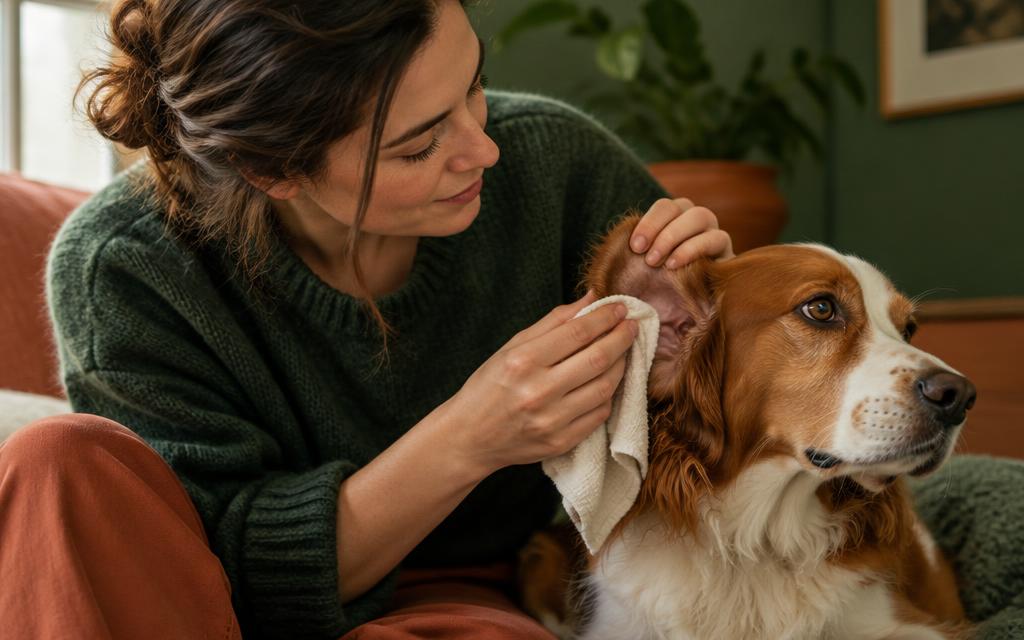
Illustrative cover using relevant category imagery; it does not depict the exact subject.
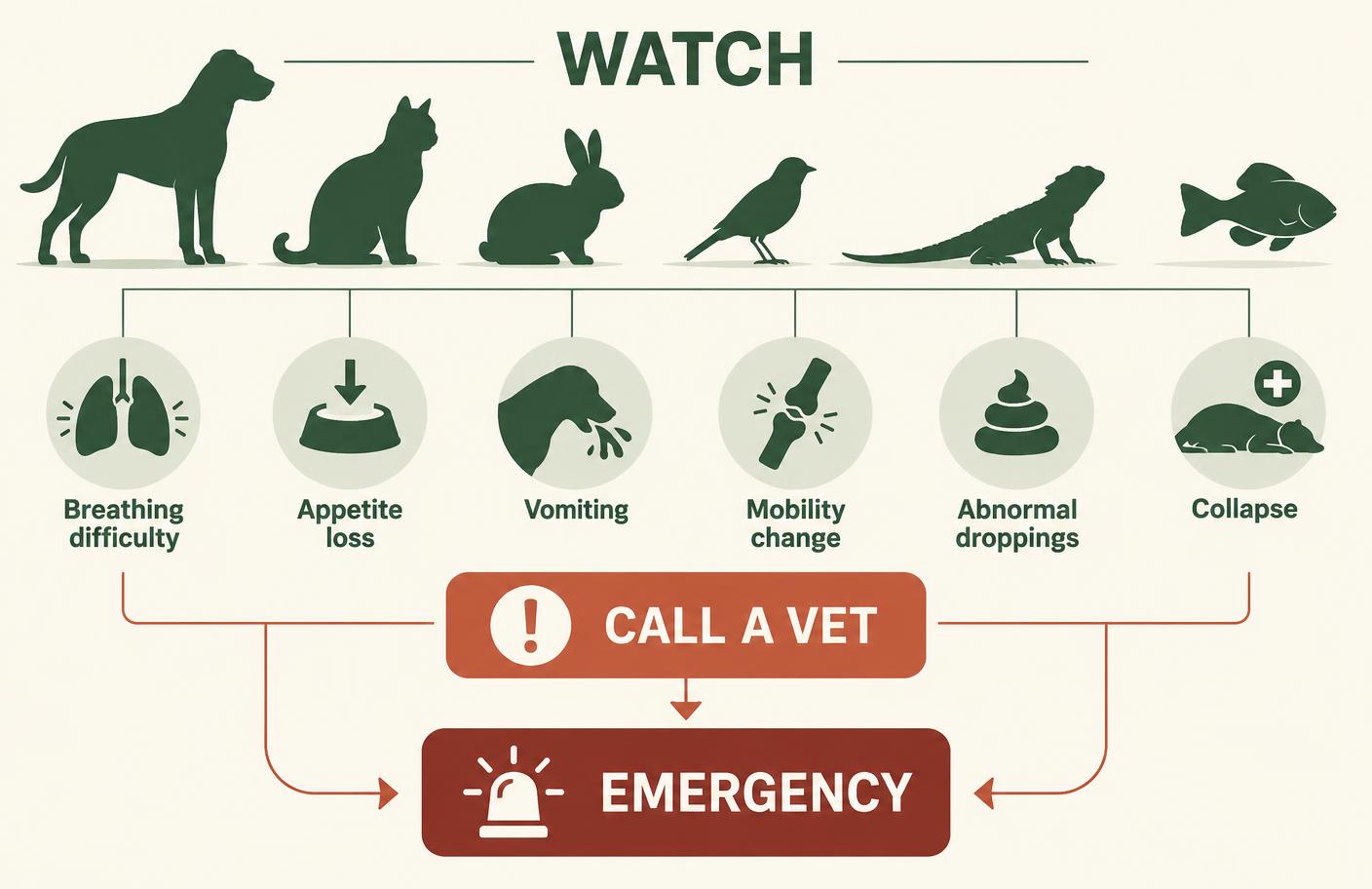
Signs to watch for
- Head shaking
- Scratching at ears
- Red, smelly or waxy ears
- Pain when ears are touched
- Head tilt in deeper infections
Causes and risk factors
Allergies are the most common underlying driver; ear shape, moisture, grass seeds, mites and hormonal disease also contribute.
How veterinarians diagnose it
Otoscope examination and microscopy of ear debris identify yeast, bacteria or mites; recurrent cases need the underlying cause investigated.
Treatment and management
Vet-prescribed ear cleaners and medicated drops, sometimes oral medication. Treating the allergy or cause is essential to stop recurrence.
Prevention
Dry ears after swimming, use vet-recommended maintenance cleaning for prone dogs, and manage allergies proactively.
Outlook
Individual episodes respond well, but chronic untreated otitis can permanently narrow the ear canal.
Common questions
- What are the signs of ear infections in dogs (otitis)?
- Head shaking; Scratching at ears; Red, smelly or waxy ears; Pain when ears are touched; Head tilt in deeper infections.
- What causes ear infections in dogs (otitis)?
- Allergies are the most common underlying driver; ear shape, moisture, grass seeds, mites and hormonal disease also contribute.
- How is ear infections in dogs (otitis) diagnosed?
- Otoscope examination and microscopy of ear debris identify yeast, bacteria or mites; recurrent cases need the underlying cause investigated.
- How is ear infections in dogs (otitis) treated?
- Vet-prescribed ear cleaners and medicated drops, sometimes oral medication. Treating the allergy or cause is essential to stop recurrence.
- Can ear infections in dogs (otitis) be prevented?
- Dry ears after swimming, use vet-recommended maintenance cleaning for prone dogs, and manage allergies proactively.
- When should I contact a veterinarian?
- Do not put cotton buds or home remedies into the ear canal. A head tilt, balance problems or severe pain need prompt assessment.
Preparing for a ear infections in dogs (otitis) consultation
- Record when these signs began and how they changed: Head shaking; Scratching at ears; Red, smelly or waxy ears. Record appetite, water intake, toileting and any medicines or supplements.
- The listed urgency is prompt; worsening breathing, collapse, seizures or severe pain can make any situation an emergency. Ask the clinic rather than relying only on this category.
- Ask what else could explain the signs, which tests would change the plan and how discomfort will be managed. Symptoms alone cannot confirm this condition.
- Before going home, agree what to monitor, when to recheck and which signs mean calling sooner. Follow the individual treatment plan; do not copy another pet's prescription.
Educational reference, not an individual diagnosis or a verified professional review. Read our editorial policy.
Sources on this topic
Pages on this specific subject from recognised organisations. They are cited for further reading and do not mean the organisation has reviewed this page.
- Ear Infections in Dogs (Otitis Externa) — VCA Animal Hospitals
Guidance libraries and further reading
These organisations publish relevant guidance. Their links are further reading, not evidence that they have reviewed this page.