
Backyard animals
Keeping Backyard Chickens Healthy
Housing, feeding, parasite control and legal rules for keeping a few hens.
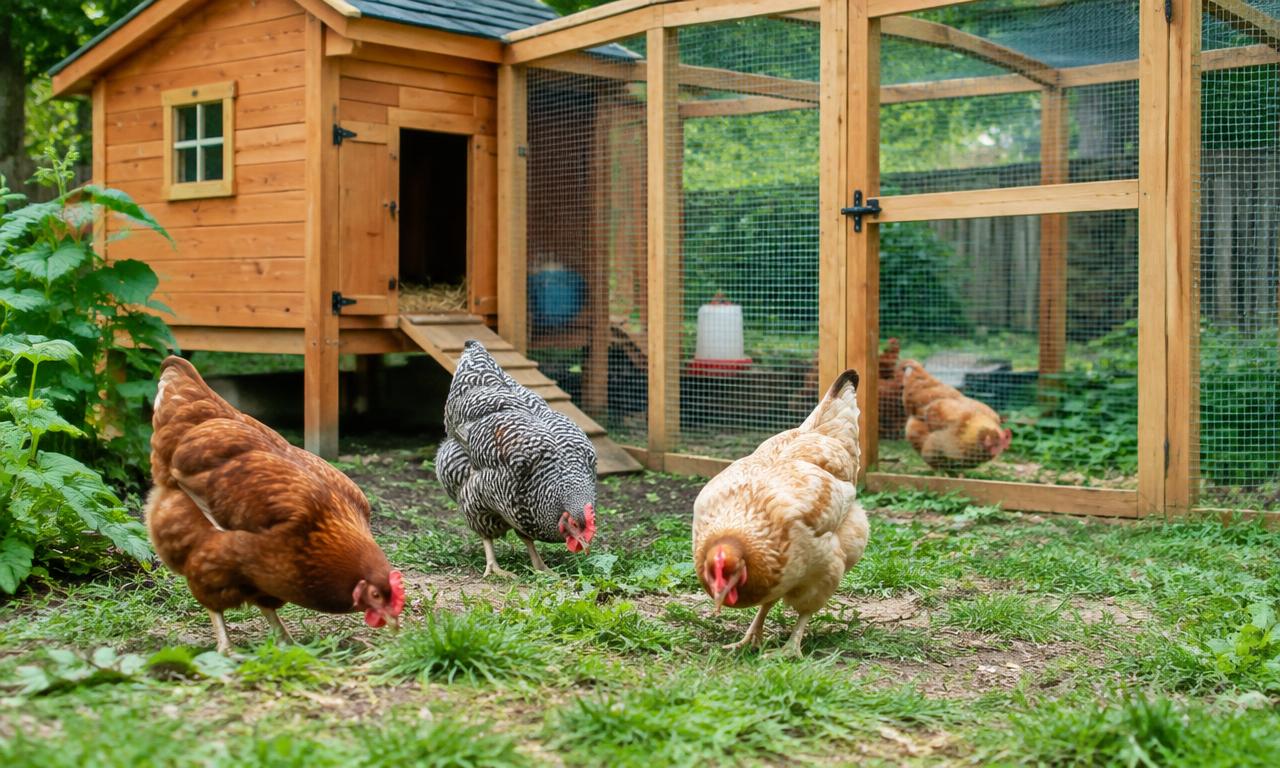
AI-generated editorial image; illustrative, not a clinical demonstration or documentary photograph.
Plan lifetime care, not only egg production
Backyard chickens need appropriate food, water, housing, social opportunities and access to veterinary care throughout their lives. Egg output is not a complete health measure. Birds can stop laying for several reasons, and productive birds can still have welfare problems. Plan for older hens, treatment costs and daily care when nobody is home, rather than assuming a small flock is self-sufficient.
Check local ownership rules and current disease-control requirements before acquiring birds. Identify a veterinarian willing to treat poultry and ask about emergency arrangements. Different ages, breeds and health conditions can require different care. A general backyard guide does not replace a flock-specific management plan.
Keep housing secure, dry and usable
Provide shelter that protects birds from weather and predators while allowing ventilation. Damp litter, accumulated droppings and poor air movement can create unhealthy conditions. Inspect the structure for sharp wire, trapped toes, damaged catches and gaps. Protect against predators that dig, climb or fly; ordinary boundary fencing may not be sufficient.
Offer suitable resting and nesting opportunities, enough room to move and access to species-appropriate foraging and dust-bathing. Avoid crowding, including during periods when official restrictions require birds to remain housed. Space should support the group's behaviour and adult needs rather than only fit the birds when standing still. Inspect outdoor areas for contaminated water and harmful materials.
Use a suitable complete feed and fresh water
Choose poultry feed appropriate to the birds' life stage and purpose, and keep clean water reliably accessible. Treats and scraps should not displace a balanced diet. Feeding kitchen waste or animal-derived scraps may be prohibited in your jurisdiction; check current local rules rather than assuming it is legal because the flock is small.
Store feed dry and protected from rodents and wild birds. Clean containers and check that every bird can reach them without being repeatedly driven away. A flock with mixed ages or medical needs may need a tailored feeding arrangement. Do not add antibiotics, wormers or supplements to water without professional instructions.
Biosecurity protects birds and people
Use dedicated footwear for the poultry area and wash hands after handling birds, eggs, equipment or their environment. Keep poultry and their equipment out of household food-preparation areas. Healthy-looking birds can carry germs, so appearance is not proof that close contact is risk-free. Children need appropriate supervision; people vulnerable to infection should discuss precautions with a health professional.
Limit contact with wild birds and manage new arrivals using veterinary advice. Do not share dirty equipment between flocks. If there is a local avian-influenza alert, follow official housing, movement and reporting requirements. These change with location and outbreak status; an evergreen article cannot state today's restrictions for every country.
Learn each bird's normal behaviour
Observe appetite, movement, breathing, droppings, feather condition and social interactions daily. A bird standing apart, breathing unusually, becoming weak or not eating needs prompt advice. Sudden deaths or several affected birds require urgent veterinary direction and may trigger official reporting duties. Avoid moving birds to another flock while a contagious problem is possible.
Do not diagnose egg binding, respiratory infection or parasites from one sign and start a home treatment. Handle sick birds carefully, minimise stress and call first. Record the number affected, time course, new arrivals, feed changes and any treatment already used. Clear observations help the professional decide what to assess.
Medicines and eggs require specific instructions
If treatment is prescribed, ask whether eggs can be eaten and what withdrawal period applies. The answer depends on the medicine, use and local law; never borrow a period from another drug. Follow instructions for the individual flock. Repeated illness should prompt a review of housing, diet and disease prevention rather than reliance on leftover medicines.
Frequently asked questions
- Can healthy-looking chickens carry germs?
- Yes. Wash hands, use dedicated footwear and keep poultry equipment away from food-preparation areas.
- Do chickens need veterinary care?
- Yes. Arrange access to a poultry-experienced service before illness occurs.
- Can I eat eggs during medication?
- Ask the prescribing veterinarian about that medicine and the applicable withdrawal instructions.
- Are bird-flu rules the same everywhere?
- No. Follow current official requirements for your location and outbreak situation.
References
- Management of backyard poultry — Merck Veterinary Manual
- Backyard poultry and human health — CDC