Hydration
Water Intake: The Most Overlooked Part of Pet Nutrition
How much animals should drink, why cats are chronically under-hydrated, and which changes in drinking are a reason to book a veterinary appointment.
Rough daily expectations
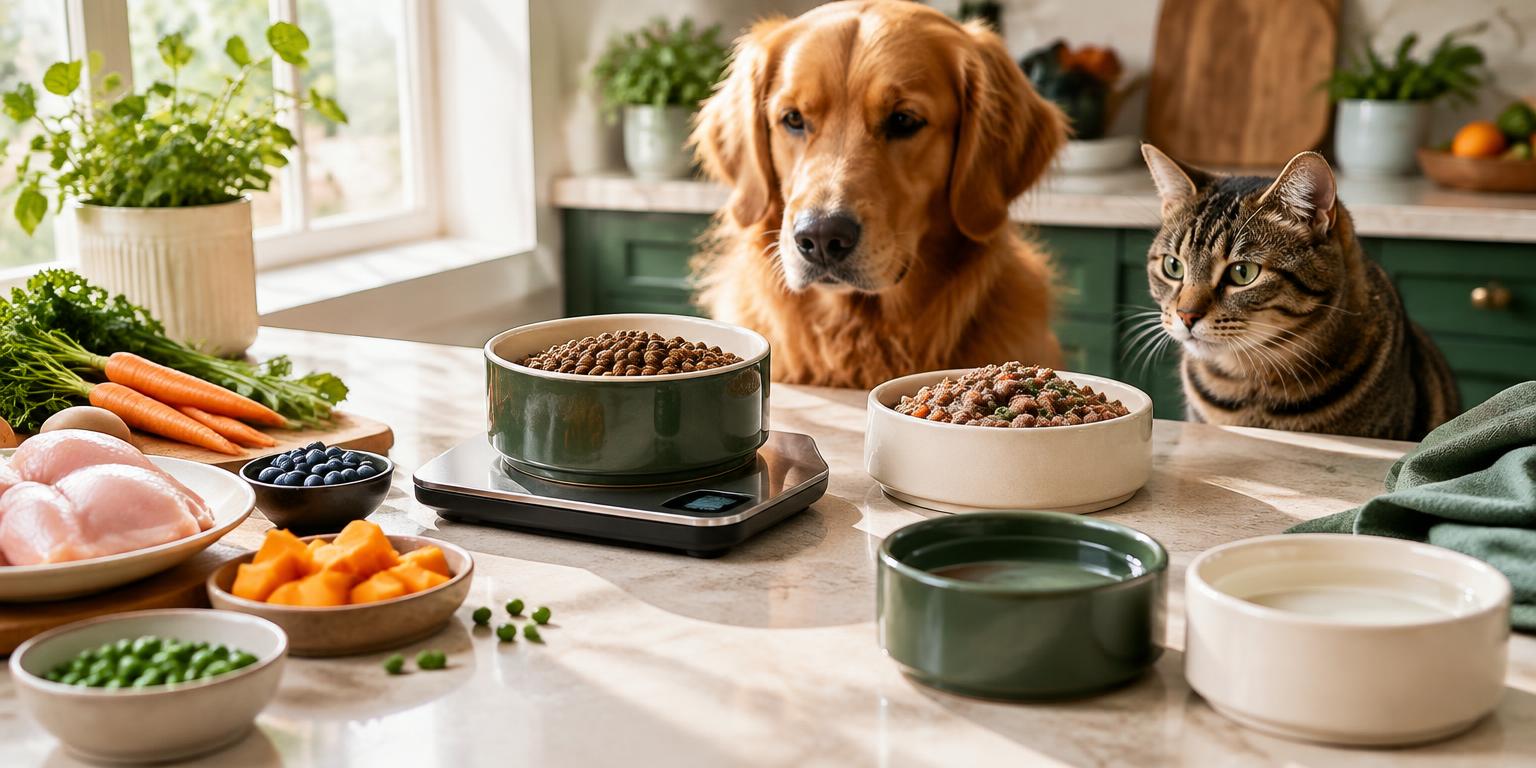
As a general guide, dogs and cats drink in the region of 50ml per kilogram of body weight over twenty-four hours, including water in food. Wet food is roughly three-quarters water, so a cat eating pouches will visibly drink far less than one eating dry food, and that is normal.
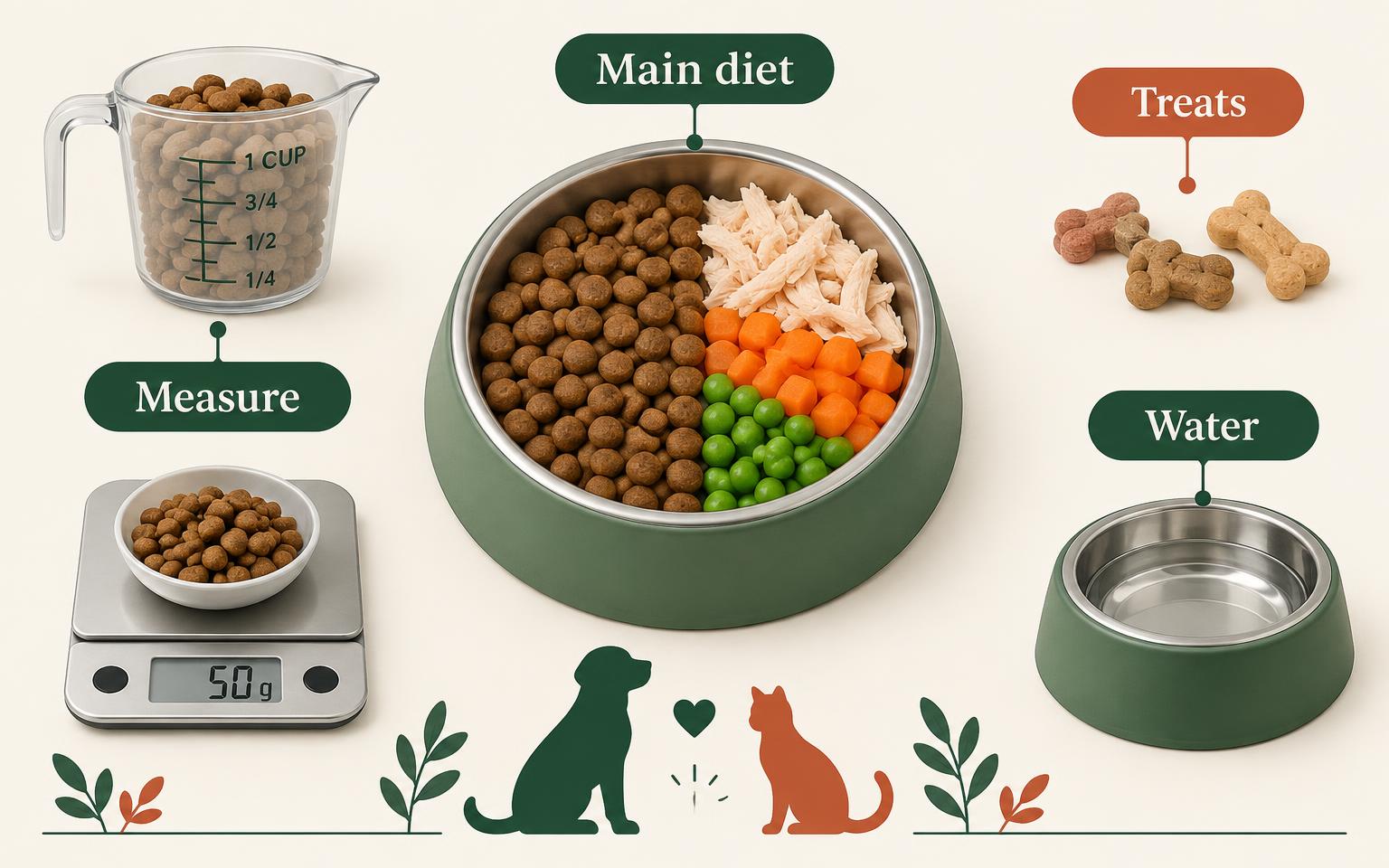
What matters is the individual's own baseline. Measure what goes into the bowls for two or three ordinary days and write it down, so that a change is obvious later.
Why cats drink badly
Cats descend from desert animals and have a weak thirst drive relative to their water losses. Combined with dry food, that leaves many cats mildly dehydrated, which is one of the reasons urinary disease is so common in indoor cats.
- Place water away from food and litter trays
- Offer wide shallow bowls that do not press on whiskers
- Provide several stations around the home, including upstairs
- Try a fountain, but only if it is cleaned weekly
- Include wet food in the daily ration where appropriate
Changes that need a vet
A sustained increase in drinking is a genuine clinical sign, not a quirk. Kidney disease, diabetes, hyperthyroidism, liver disease, uterine infection and some medications all cause it. A sudden drop in drinking, or drinking with vomiting, matters just as much.
Collect a note of measured intake before the appointment; it turns a vague impression into usable evidence.
Small mammals and rabbits
Rabbits and guinea pigs drink more readily from open bowls than from bottles, and take substantial water from fresh forage. A rabbit that stops drinking and eating needs same-day veterinary care, because gut stasis follows quickly.