
Life stages
Feeding an Older Cat: Weight, Kidneys and Appetite
Older cats' needs change: many lose weight, some develop kidney disease, and appetite can fade. How to adapt.
By Dr Hana LindqvistVeterinary review: Dr Elena Marsh5 min readPublished 2026-09-29Updated 2026-09-29
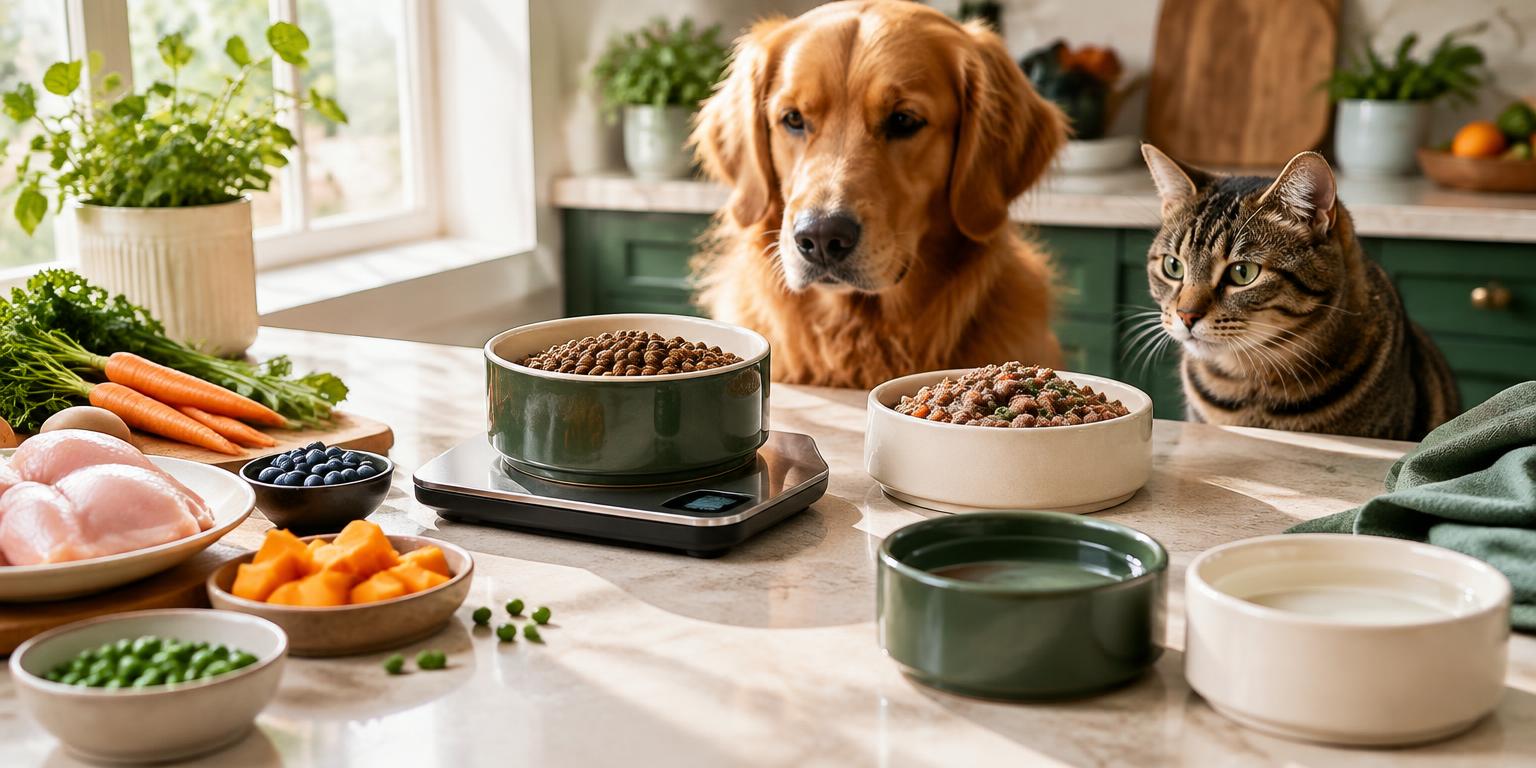
Weigh regularly
Unplanned weight loss is common in cats over 10 and often signals illness such as hyperthyroidism, kidney disease, diabetes or dental pain. Weigh your cat monthly and report steady loss to your vet.
Protein matters
Healthy older cats often digest protein less well and may need more good-quality protein, not less. Protein restriction is only appropriate when a vet diagnoses kidney disease.
Encouraging appetite
- Warm wet food slightly to boost smell
- Offer small, frequent meals
- Use wide, shallow bowls
- Feed in a quiet spot away from other cats
Water
Wet food, water fountains and several water bowls help older cats drink enough.
See a vet
A cat that stops eating for more than 24 hours needs veterinary advice.
References
- Senior cat care — International Cat Care
- Senior care guidelines — AAFP