
Farmed animal lives
The Life of Farmed Pigs: Housing, Behaviour and Welfare
Breeding, birth, weaning and finishing explained alongside pigs' social, rooting and comfort needs.
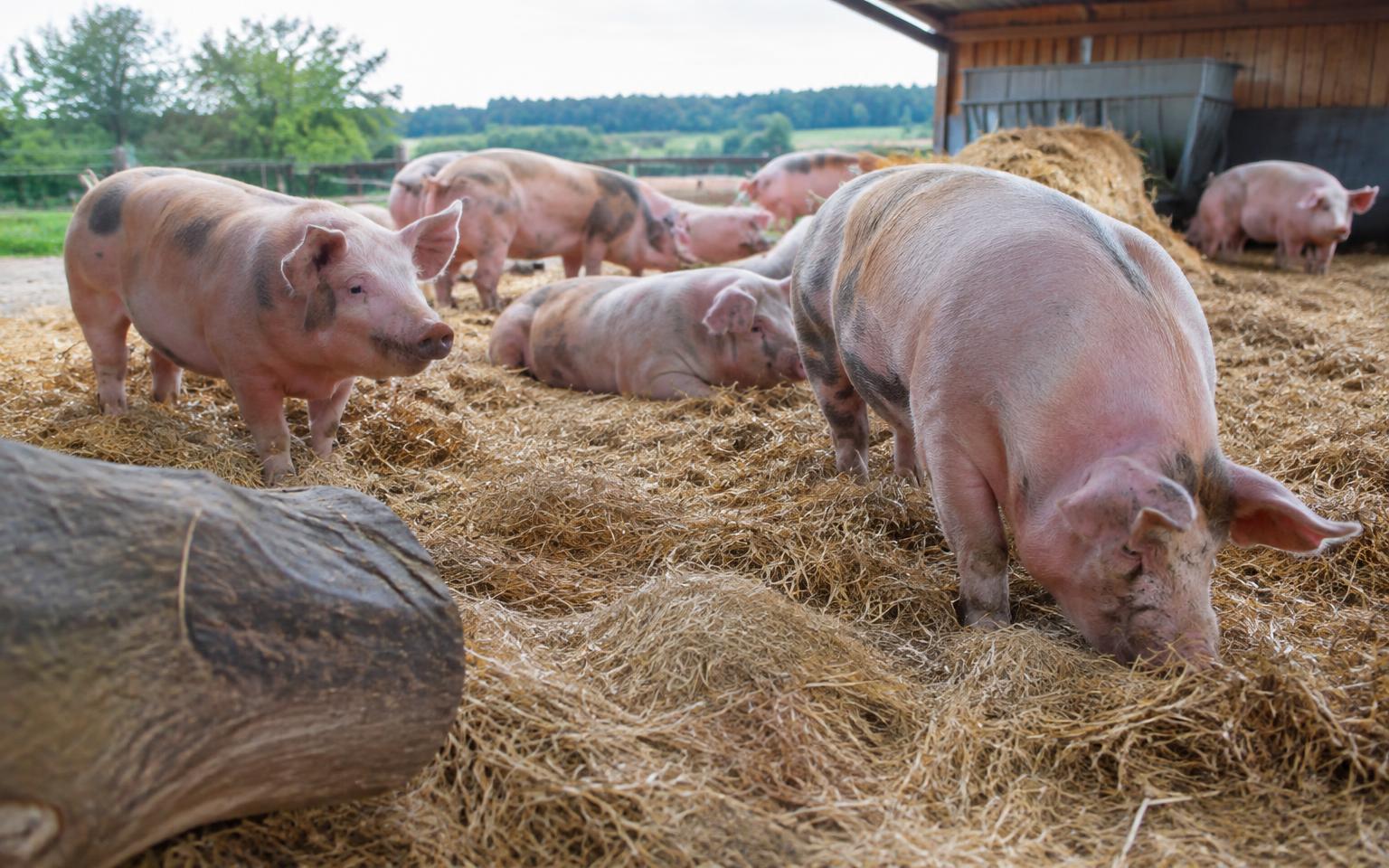
Pigs are active social foragers
Pigs explore with their snout, build nests before giving birth, learn quickly and form social relationships. Barren environments frustrate these motivations even when food and water are available.
The production cycle
Breeding sows move through mating, pregnancy, farrowing and weaning. Piglets are then reared to market weight. Housing varies widely between countries and assurance schemes, including the duration of confinement in stalls or farrowing crates.
Key welfare risks
- Restriction of movement and nest-building for sows
- Tail biting when enrichment, health or environment are poor
- Pain from procedures such as tail docking or castration
- Lameness, heat stress and competition
- Mixing unfamiliar pigs, transport and handling
Better outcomes
Manipulable materials such as straw, comfortable lying areas, stable groups, good thermal conditions and enough space support natural behaviour. EU law says tail docking must not be routine, yet it remains common in practice.
Frequently asked questions
- Why do pigs need rooting material?
- Rooting and exploration are highly motivated behaviours. Suitable materials reduce frustration and can reduce harmful behaviours such as tail biting.
References
- Welfare of pigs on farm — EFSA Journal (2022)
- Code of practice for the welfare of pigs — Defra