Farmed animal lives
Farmed Fish Welfare: The Overlooked Food-System Question
What fish may experience in aquaculture, from stocking and water quality to handling, transport and slaughter.
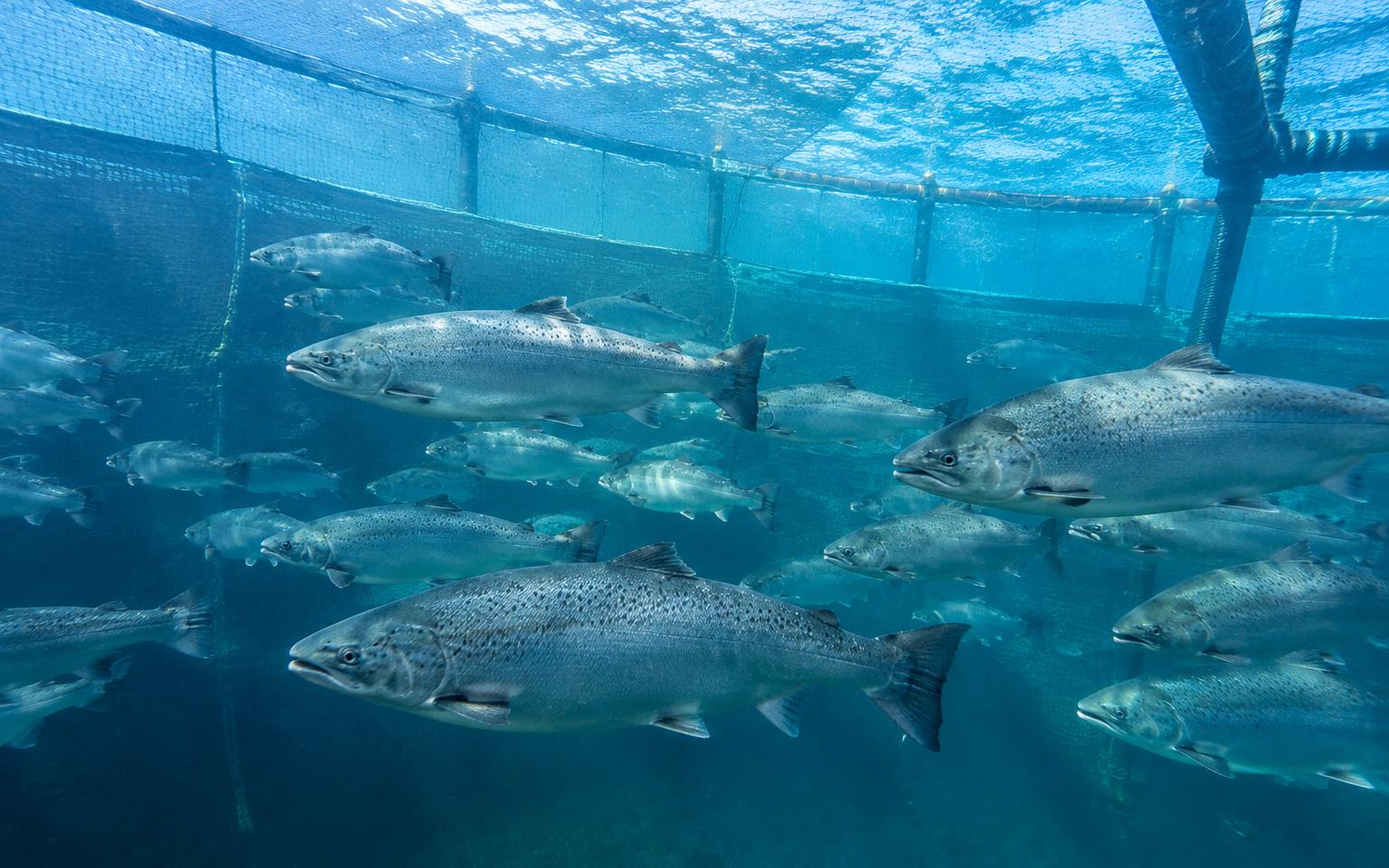
Aquaculture is not one system
Salmon in sea pens, trout in raceways and warm-water fish in ponds have different needs. Species, life stage and environment must be assessed separately.
Water is the living environment
Dissolved oxygen, temperature, salinity, current, waste, disease and stocking density interact. Fish cannot leave a poor enclosure, so monitoring and rapid response are basic welfare controls.
Handling and slaughter
Crowding, pumping, grading, transport and removal from water can cause injury and severe stress. Effective stunning should produce immediate unconsciousness maintained until death; methods and implementation vary.
Sentience and precaution
Evidence for pain and sentience in fish is substantial and has grown, though scientific debate continues about interpretation. That uncertainty is not a reason to ignore practical protections.
Frequently asked questions
- Can a welfare label cover all fish species?
- Not well. Welfare measures need to reflect the biology and farming system of each species.
References
- Aquatic animal welfare standards — World Organisation for Animal Health
- Fish sentience review — Animals (2022)