
Farmed animal lives
The Life of Farmed Chickens: Eggs, Meat and Welfare
From hatchery to farm and slaughter: how egg and meat systems differ, what chickens need and which welfare problems matter most.
Two specialised industries
Modern laying hens are selected for egg production; broilers are selected for meat growth. Their life cycles and welfare risks differ, so a single picture of 'chicken farming' is misleading.
Laying hens
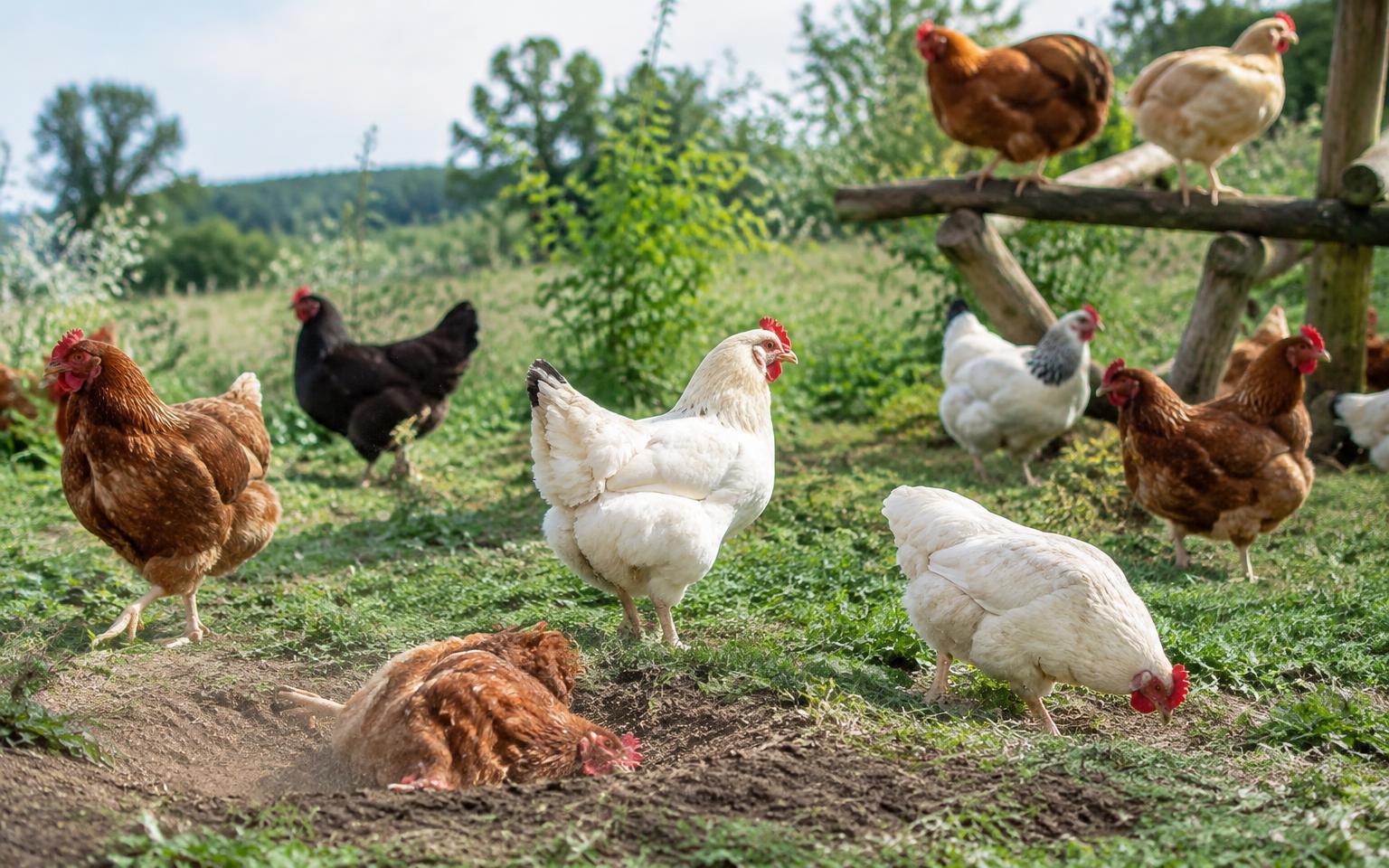
Pullets enter laying systems before maturity. Welfare depends on space, flock stability, air quality, litter, perches, nest areas and opportunities to forage and dust bathe. Bone weakness, keel fractures, feather pecking and end-of-lay handling are major concerns.
Meat chickens
Fast growth can place heavy demands on legs, heart and metabolism. Breed, stocking density, litter condition, light, enrichment and catching all affect outcomes. Slower-growing breeds often perform better on several welfare measures, but management still matters.
Hatcheries, transport and slaughter
Commercial systems also involve breeder flocks, incubation, chick handling, transport and slaughter. Welfare assessment must cover the whole life, not only the farm label visible to shoppers.
Frequently asked questions
- Does free range guarantee high welfare?
- No. It describes access and stocking conditions, not every outcome. Health, injuries, feather cover, handling and use of the range still matter.
References
- Code of practice for laying hens and meat chickens — Defra
- Welfare standards for meat chickens — RSPCA Assured