Diets
Raw Feeding: What the Evidence Actually Says
Raw diets are popular and passionately defended — but the veterinary evidence raises real concerns about bacteria, nutrition and risk to the household.
What raw feeding means
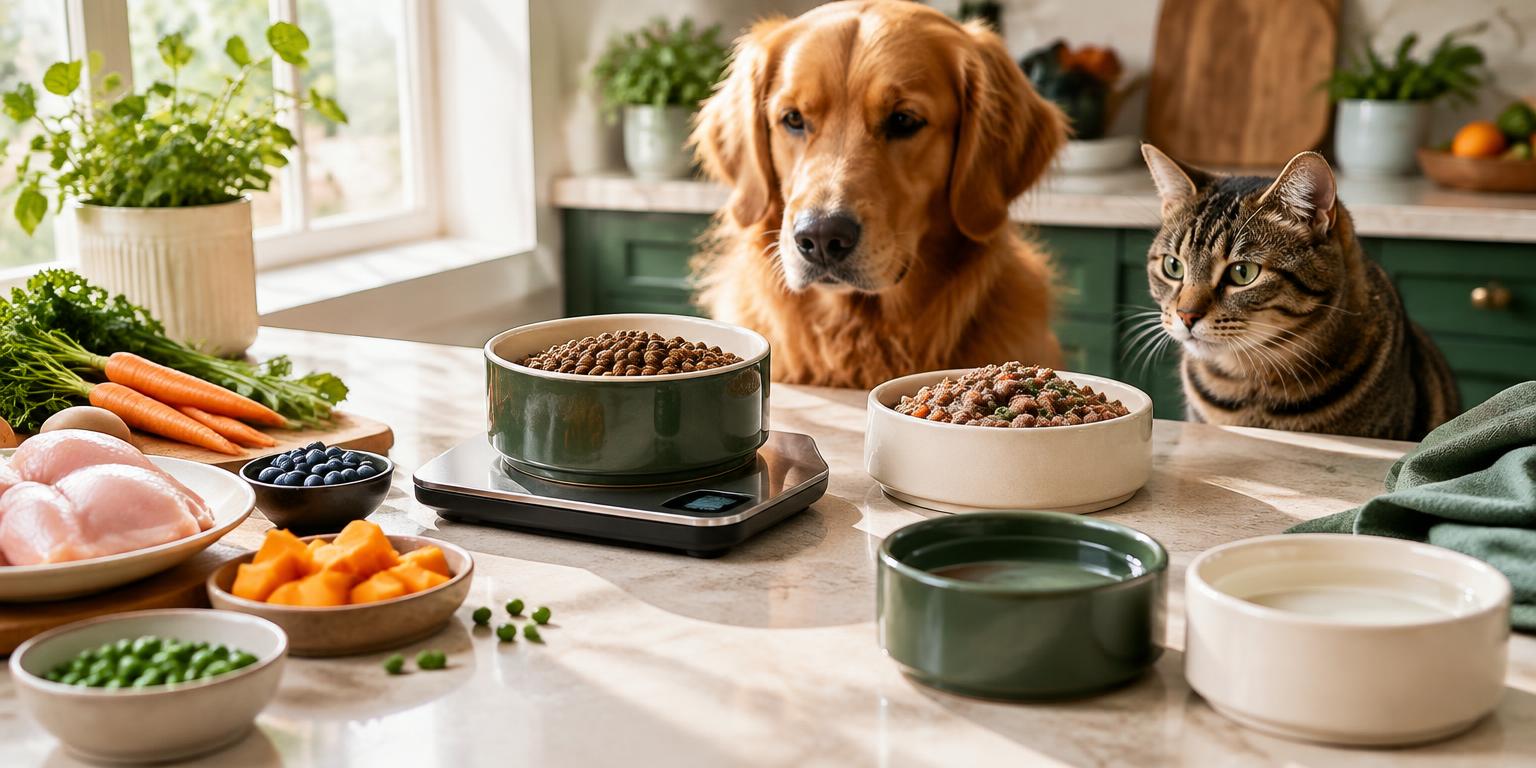
Raw feeding means serving uncooked meat, bones and organs, either home-prepared or bought as commercial raw products. Owners who feed raw often report glossier coats and smaller stools, and many are deeply committed. This article looks at what controlled evidence and veterinary bodies actually say, so you can weigh the decision honestly.
The bacterial problem
Studies consistently find that commercial and home-prepared raw diets are frequently contaminated with Salmonella, Campylobacter, E. coli and Listeria. Dogs and cats may carry these bacteria without obvious illness while shedding them in faeces and saliva — a real risk to children, elderly people and anyone immunocompromised in the household. Freezing does not reliably kill these organisms.
The nutritional problem
Analyses of home-prepared raw (and cooked) diets repeatedly find most are nutritionally unbalanced — too much or too little calcium, phosphorus, vitamins or trace minerals. Growing puppies and kittens are harmed fastest by these errors. Complete commercial raw foods are more consistent, but quality varies by manufacturer.
Bones
Raw bones can fracture teeth, obstruct or perforate the gut, and cause constipation. Weight-bearing bones of large animals are the worst offenders for broken teeth.
What veterinary bodies say
Organisations including the WSAVA, the AVMA and the British Veterinary Association advise against raw feeding, chiefly because of infection risk to animals and people. If you choose to feed raw despite this, do it with your vet's knowledge.
If you choose to feed raw
Risk can be reduced, though not removed.
- Use a commercially prepared complete product from a reputable manufacturer rather than improvising
- Follow strict hygiene: separate utensils, thorough handwashing, disinfected surfaces, prompt disposal of faeces
- Never feed raw in a household with young children, elderly members or immunocompromised people without discussing it with your vet and doctor
- Have the diet reviewed by a veterinary nutritionist, especially for growing animals
Frequently asked questions
- Is raw feeding more natural for dogs?
- Dogs evolved alongside people eating cooked scraps, and domestication changed their digestion — they digest starch far better than wolves. Natural is not the same as safe or balanced.
- Can I cook a homemade diet instead?
- Yes, but it needs the same nutritional rigour. Ask your vet for a referral to a veterinary nutritionist to formulate a complete recipe; most internet recipes are unbalanced.
References
- WSAVA — Global Nutrition Guidelines and toolkit — https://wsava.org/global-guidelines/global-nutrition-guidelines/
- British Veterinary Association — policy positions — https://www.bva.co.uk/