
Chronic conditions
Hyperthyroidism in Older Cats: Signs, Tests and Treatment Choices
Why a hungry, thinning older cat needs a blood test, and how medication, diet, radioiodine and surgery compare.

The most common hormone disorder in older cats
Hyperthyroidism happens when a benign growth in the thyroid gland produces too much thyroid hormone. It is rare in cats under eight and common in cats over ten.
Extra hormone speeds up the whole body. Left untreated it strains the heart, raises blood pressure and can damage the eyes and kidneys.
Signs owners notice
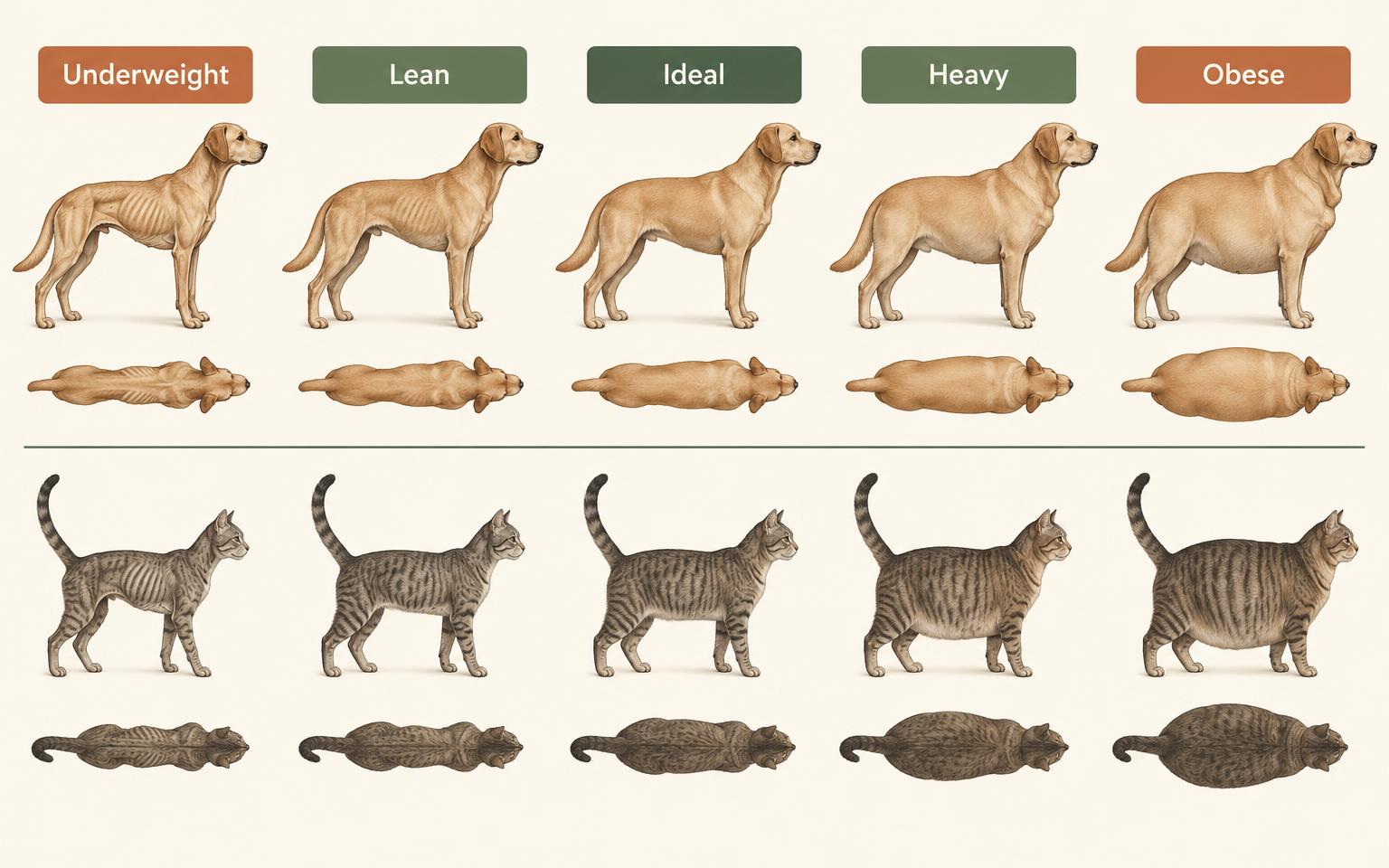
The classic picture is a cat that eats more than ever yet loses weight. Changes are gradual, so weighing your cat monthly helps.
- Weight loss despite a good or increased appetite
- Drinking and urinating more
- Restlessness, night-time yowling or irritability
- Vomiting, diarrhoea or an unkempt coat
- A fast heartbeat your vet may detect
How it is diagnosed
A blood test measuring total T4 confirms most cases. Your vet will usually also check kidney values, blood pressure and urine, because hyperthyroidism can mask kidney disease that becomes visible once treatment starts.
Treatment options
Each option works; the right choice depends on the cat's other health, temperament and your circumstances.
- Daily tablets or gel (methimazole or carbimazole): effective, needs lifelong dosing and regular blood tests
- Iodine-restricted prescription diet: works only if the cat eats nothing else, including hunted prey
- Radioiodine therapy: usually curative with one treatment; needs a specialist centre and a short hospital stay
- Surgery to remove the affected gland: less used now, carries anaesthetic risk in older cats
Living with a treated cat
Most treated cats regain weight and live comfortably for years. Follow-up blood tests matter: too much medication can tip a cat into low thyroid levels and unmask kidney disease.
Frequently asked questions
- Can hyperthyroidism in cats be cured?
- Radioiodine therapy and surgery can be curative. Medication and diet control the condition but must continue for life.
- How much does treatment cost?
- Medication has a lower upfront cost but adds up with lifelong tablets and blood tests; radioiodine costs more at once but often ends treatment. Ask your practice for local prices.
References
- ISFM Consensus Guidelines on the Diagnosis and Management of Feline Hyperthyroidism (2016) — Journal of Feline Medicine and Surgery
- Hyperthyroidism in cats — International Cat Care