
Protein
Raw Meaty Bones
Whole bone with attached muscle and connective tissue, supplying calcium, phosphorus and chewing activity.
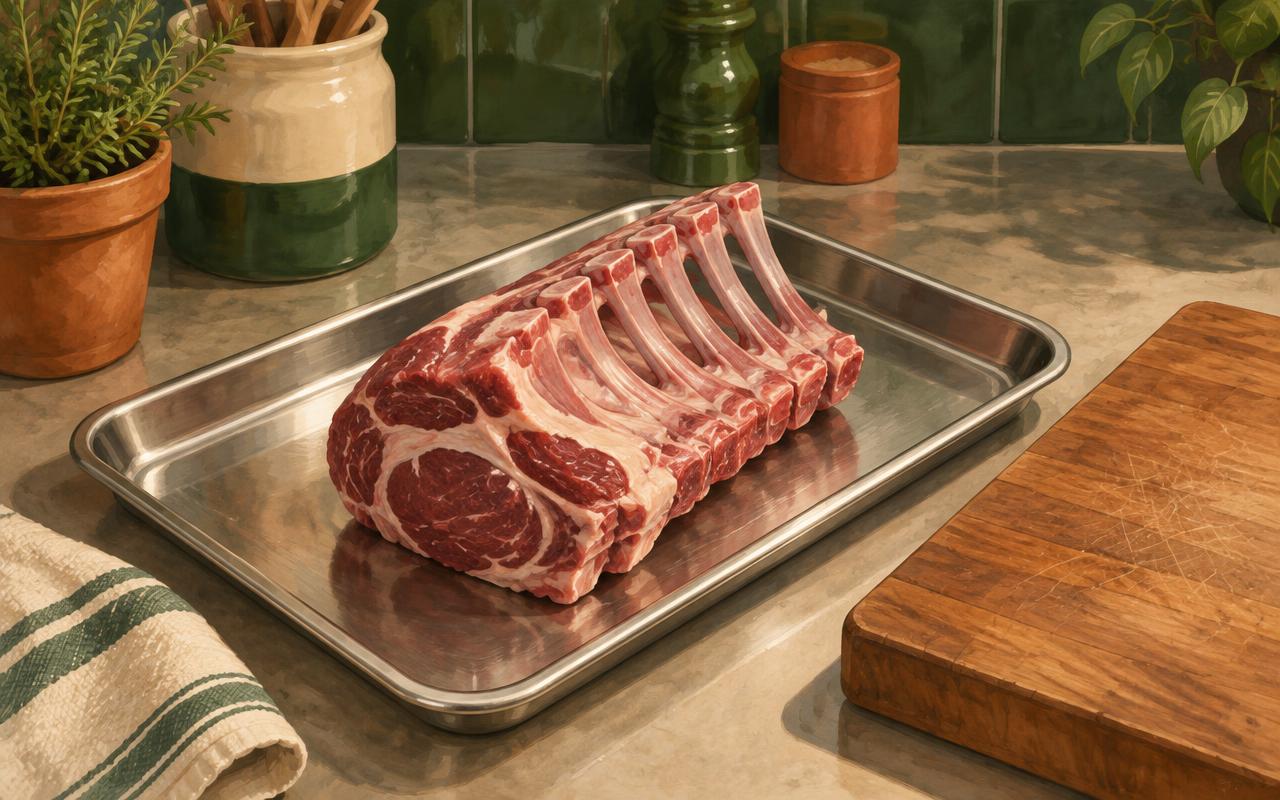
AI-generated editorial illustration of the subject; not a photograph of a specific animal, product or case.
Who can eat it
Dogs under supervisionCats (small items such as chicken necks)Ferrets
Not suitable for
HerbivoresBirds other than raptors
Benefits
- Chewing helps reduce plaque accumulation
- Long-lasting enrichment
- Natural source of calcium in raw diets
Risks
- Fractured teeth are common, especially with weight-bearing bones
- Obstruction and perforation risk
- Raw meat carries Salmonella and Campylobacter, which pass to people through handling
Preparation and serving
- Preparation
- Never feed cooked bones of any kind. Choose size-appropriate raw bones and supervise every session.
- Serving guidance
- Short supervised sessions once or twice weekly; remove the bone before it is chewed down to a swallowable size.
Before offering raw meaty bones
- Check the exact animal and preparation: the listed suitability is Dogs under supervision; Cats (small items such as chicken necks); Ferrets. A food being edible does not make it a complete diet.
- Follow the preparation advice: Never feed cooked bones of any kind. Choose size-appropriate raw bones and supervise every session. Do not substitute a seasoned or processed version and assume the same safety.
- Portion guidance: Short supervised sessions once or twice weekly; remove the bone before it is chewed down to a swallowable size. For a pet on a prescribed diet, discuss extras with the vet first.
- If your pet develops vomiting, diarrhoea or discomfort, stop offering the extra and seek advice. Suspected poisoning or breathing difficulty needs immediate veterinary help.
Educational reference, not an individual diagnosis or a verified professional review. Read our editorial policy.
Guidance libraries and further reading
These organisations publish relevant guidance. Their links are further reading, not evidence that they have reviewed this page.
- WSAVA — global veterinary guidelines on nutrition, vaccination, pain and dental care
- PDSA — veterinary charity pet health advice
- International Cat Care — cat health, behaviour and welfare advice