
Cat breed · Rex / Curly-coated
Selkirk Rex
Sometimes called the 'cat in sheep's clothing,' the Selkirk Rex has a loosely curled, plush coat and a famously tolerant, patient temperament that suits busy households.
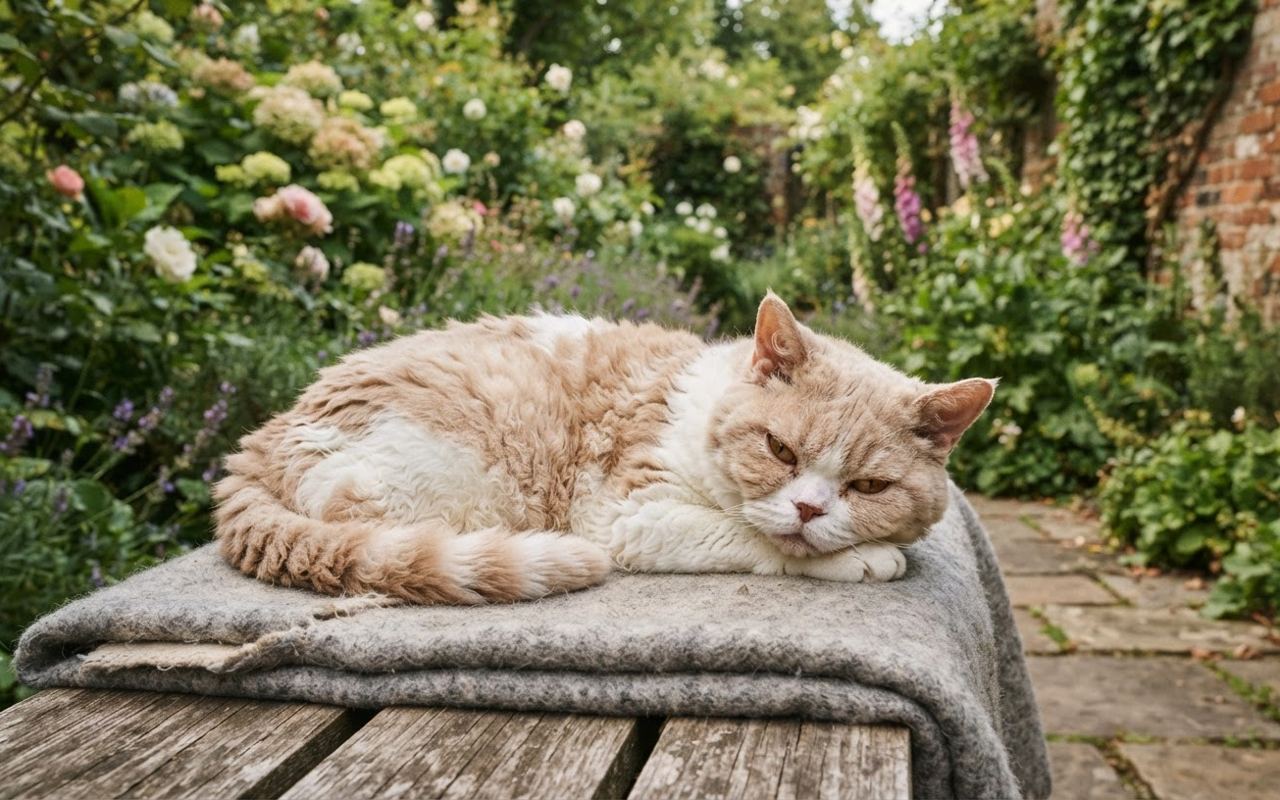
AI-generated editorial illustration of the subject; not a photograph of a specific animal, product or case.
Breed characteristics
- Group
- Rex / Curly-coated
- Origin
- United States
- Size
- Medium
- Weight
- 3.5–7 kg (8–15 lb)
- Height
- 23–30 cm
- Lifespan
- 12–15 years
- Coat
- Curly, plush; short or long coat variants
- Temperament
- PatientEasygoingAffectionateSturdy
History
Arose from a spontaneous curly-coated kitten found in a Montana shelter in 1987, later bred selectively to establish the trait.
Appearance
A solidly built, round-faced cat with a soft, curly coat in any colour or pattern, curls most pronounced on the belly and neck.
Exercise and activity
Moderate play needs; happy with daily interactive sessions rather than intense activity.
Care and grooming
Curly coats mat if neglected; gentle weekly brushing (never over-brushing, which can straighten curls) keeps it in good condition, and bathing is sometimes needed for the coat's natural oils.
Health considerations
- Polycystic kidney disease
- Hypertrophic cardiomyopathy
- Dental disease
- Obesity
- Skin conditions in some lines
Honest challenges
Before choosing a Selkirk Rex
- Treat the breed profile as a starting point, not a guarantee of temperament. Meet the individual and discuss its history, needs and behaviour with the rescue or responsible breeder.
- Check your routine can support the activity described here: Moderate play needs; happy with daily interactive sessions rather than intense activity. Allow for age, weather, health and recovery rather than imposing a fixed target.
- Ask the breeder or rescue and your vet about problems reported in this breed (such as Polycystic kidney disease, Hypertrophic cardiomyopathy, Dental disease, Obesity, Skin conditions in some lines), which of them have recognised screening tests, and the parents' results where relevant. Screening reduces some uncertainty but cannot promise a healthy lifetime.
- Plan grooming, veterinary costs and care during holidays. Children and other pets still need careful introductions and supervision whatever a breed's typical rating.
Educational reference, not an individual diagnosis or a verified professional review. Read our editorial policy.
Guidance libraries and further reading
These organisations publish relevant guidance. Their links are further reading, not evidence that they have reviewed this page.
- RSPCA — animal care and welfare advice across species
- PDSA — veterinary charity pet health advice
- International Cat Care — cat health, behaviour and welfare advice