
Cat breed · Longhair
Persian
A serene, sedentary lap cat whose flat face and long coat both require committed daily care.
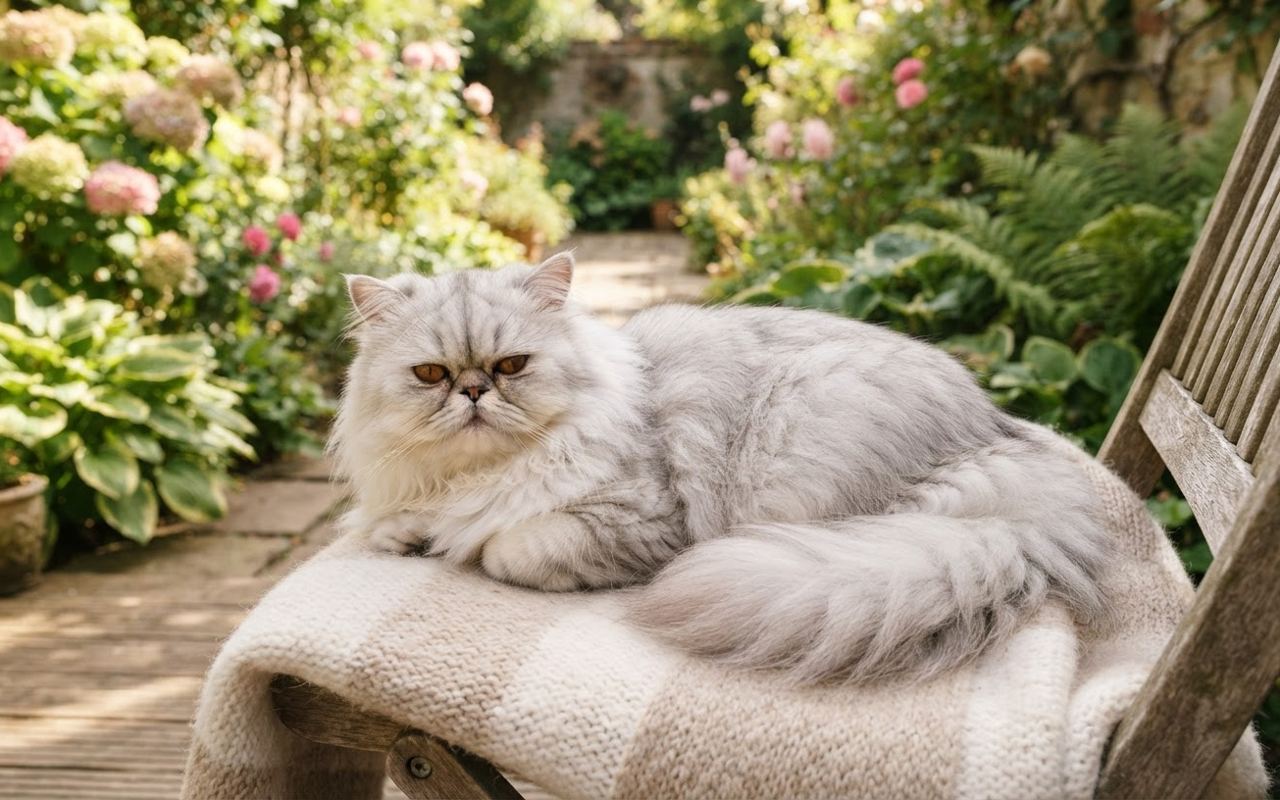
AI-generated editorial illustration of the subject; not a photograph of a specific animal, product or case.
Breed characteristics
- Group
- Longhair
- Origin
- Iran (Persia)
- Size
- Medium
- Weight
- 3–6 kg (7–13 lb)
- Height
- 25–38 cm
- Lifespan
- 12–17 years
- Coat
- Very long, dense double coat
- Temperament
- PlacidQuietAffectionateUndemanding
History
Long-haired cats from Persia reached Europe in the 1600s and were refined into today's breed.
Appearance
Cobby body, round flat face and a flowing coat in many colours.
Exercise and activity
Gentle daily play; Persians rarely exercise themselves.
Care and grooming
Brush daily without exception, bathe periodically and wipe the eyes twice daily to prevent staining and scald.
Health considerations
- Polycystic kidney disease
- Brachycephalic airway problems
- Excessive tearing and eye ulcers
- Dental malocclusion
- Hypertrophic cardiomyopathy
Honest challenges
Before choosing a Persian
- Treat the breed profile as a starting point, not a guarantee of temperament. Meet the individual and discuss its history, needs and behaviour with the rescue or responsible breeder.
- Check your routine can support the activity described here: Gentle daily play; Persians rarely exercise themselves. Allow for age, weather, health and recovery rather than imposing a fixed target.
- Ask the breeder or rescue and your vet about problems reported in this breed (such as Polycystic kidney disease, Brachycephalic airway problems, Excessive tearing and eye ulcers, Dental malocclusion, Hypertrophic cardiomyopathy), which of them have recognised screening tests, and the parents' results where relevant. Screening reduces some uncertainty but cannot promise a healthy lifetime.
- Plan grooming, veterinary costs and care during holidays. Children and other pets still need careful introductions and supervision whatever a breed's typical rating.
Educational reference, not an individual diagnosis or a verified professional review. Read our editorial policy.
Guidance libraries and further reading
These organisations publish relevant guidance. Their links are further reading, not evidence that they have reviewed this page.
- RSPCA — animal care and welfare advice across species
- PDSA — veterinary charity pet health advice
- International Cat Care — cat health, behaviour and welfare advice