
Dog breed · Herding / Pastoral
Finnish Lapphund
The Sámi people's reindeer herder — a friendly, fluffy spitz that combines working sense with an unusually soft, family-oriented nature.
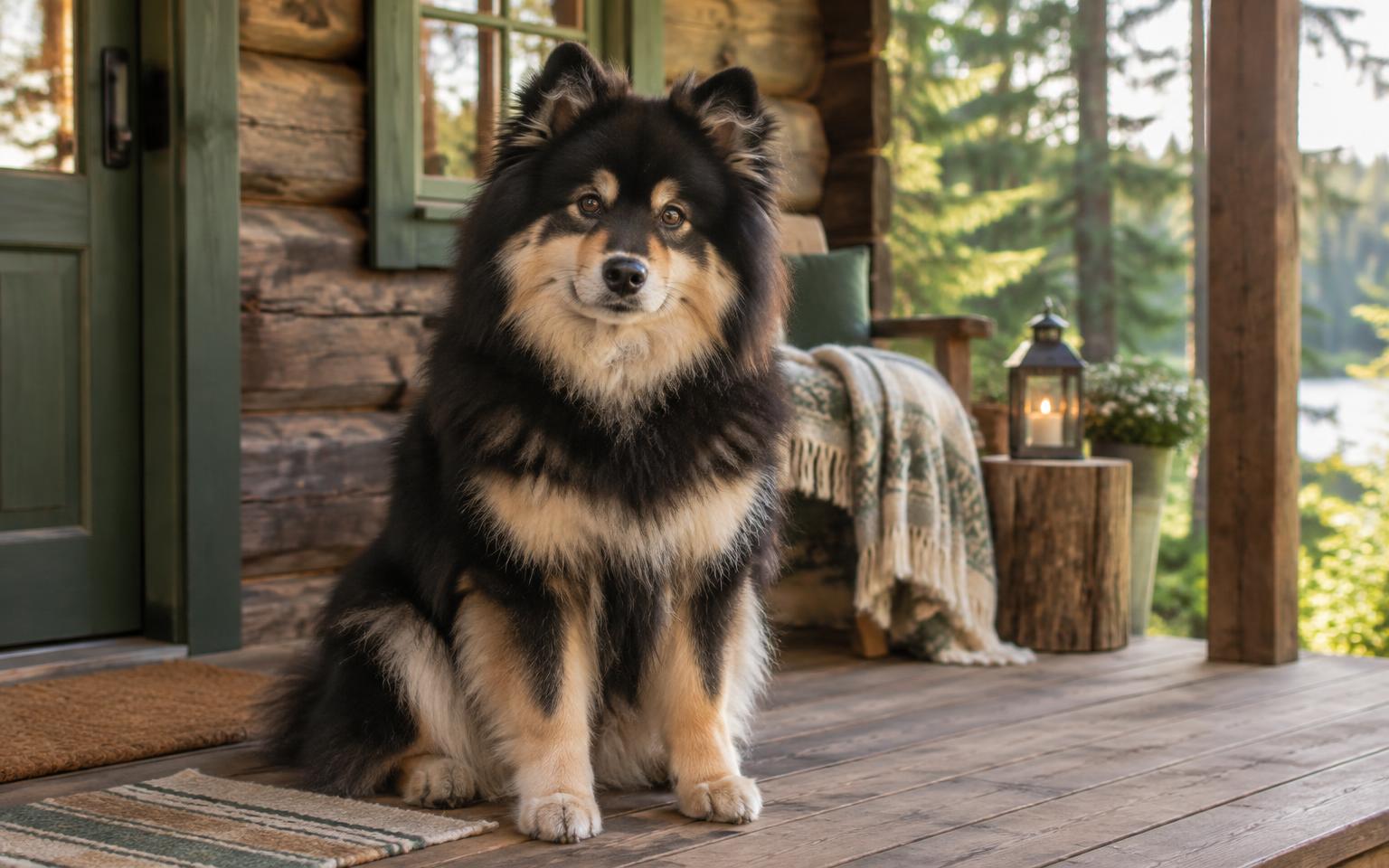
Illustrative cover using relevant category imagery; it does not depict the exact subject.
Breed characteristics
- Group
- Herding / Pastoral
- Origin
- Finnish Lapland
- Size
- Medium
- Weight
- 15–24 kg
- Height
- 41–52 cm
- Lifespan
- 12–14 years
- Coat
- Profuse, weatherproof double coat in many colours
- Temperament
- GentleFriendlyWatchfulBiddable
History
Herded reindeer for the Sámi for centuries; standardised in Finland in the 20th century.
Appearance
Medium, bear-like spitz with a smiling face, pricked ears, plumed tail and a glorious mane.
Exercise and activity
An hour or more daily; enjoys herding, canicross and sledding sports.
Care and grooming
Weekly brushing, daily during coat blow; the coat is self-cleaning once dry.
Health considerations
- Generally healthy
- Progressive retinal atrophy
- Hip dysplasia
- Pompe disease (tested)
Honest challenges
Before choosing a Finnish Lapphund
- Treat the breed profile as a starting point, not a guarantee of temperament. Meet the individual and discuss its history, needs and behaviour with the rescue or responsible breeder.
- Check your routine can support the activity described here: An hour or more daily; enjoys herding, canicross and sledding sports. Allow for age, weather, health and recovery rather than imposing a fixed target.
- Ask the breeder or rescue and your vet about problems reported in this breed (such as Progressive retinal atrophy, Hip dysplasia, Pompe disease (tested)), which of them have recognised screening tests, and the parents' results where relevant. Screening reduces some uncertainty but cannot promise a healthy lifetime.
- Plan grooming, veterinary costs and care during holidays. Children and other pets still need careful introductions and supervision whatever a breed's typical rating.
Educational reference, not an individual diagnosis or a verified professional review. Read our editorial policy.
Sources on this topic
Pages on this specific subject from recognised organisations. They are cited for further reading and do not mean the organisation has reviewed this page.
- Finnish Lapphund Dog Breed Information — American Kennel Club
Guidance libraries and further reading
These organisations publish relevant guidance. Their links are further reading, not evidence that they have reviewed this page.
- RSPCA — animal care and welfare advice across species
- PDSA — veterinary charity pet health advice
- Dogs Trust — dog care, behaviour and welfare advice