
Dog breed · Working
Siberian Husky
A tireless sled dog bred to run. Sociable with almost everyone and consequently a poor guard dog, but an expert escape artist.
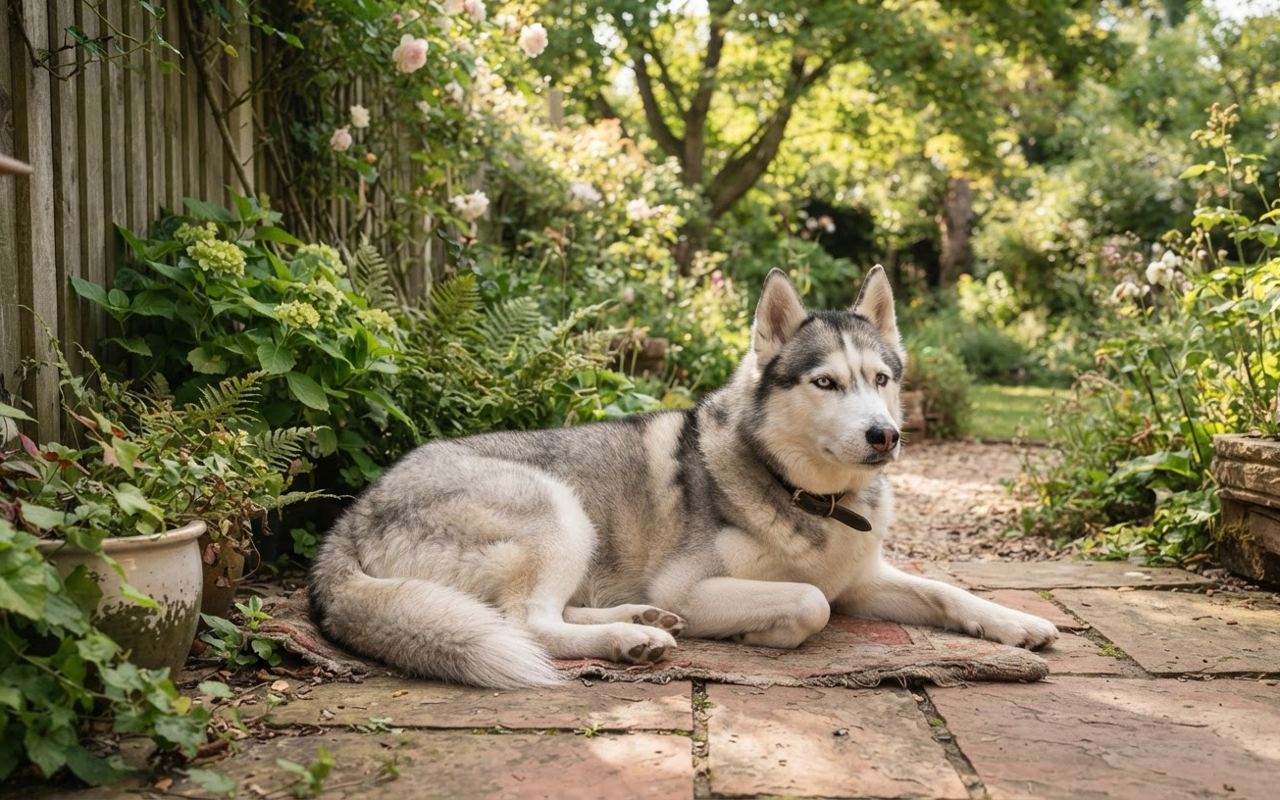
AI-generated editorial illustration of the subject; not a photograph of a specific animal, product or case.
Breed characteristics
- Group
- Working
- Origin
- Northeast Asia
- Size
- Medium
- Weight
- 16–27 kg (35–60 lb)
- Height
- 51–60 cm
- Lifespan
- 12–14 years
- Coat
- Thick double coat that blows twice yearly
- Temperament
- IndependentFriendlyAthleticMischievous
History
Developed by the Chukchi people of Siberia to pull light loads over long distances in extreme cold.
Appearance
Medium-sized and graceful, with erect ears, a brush tail and often striking blue or bi-coloured eyes.
Exercise and activity
Two hours or more daily; canicross, bikejoring and long hikes suit the breed's endurance.
Care and grooming
Brush weekly and daily during the two heavy moults; provide shade and water in warm climates.
Health considerations
- Hip dysplasia
- Juvenile cataracts
- Corneal dystrophy
- Zinc-responsive dermatosis
- Hypothyroidism
Honest challenges
Before choosing a Siberian Husky
- Treat the breed profile as a starting point, not a guarantee of temperament. Meet the individual and discuss its history, needs and behaviour with the rescue or responsible breeder.
- Check your routine can support the activity described here: Two hours or more daily; canicross, bikejoring and long hikes suit the breed's endurance. Allow for age, weather, health and recovery rather than imposing a fixed target.
- Ask the breeder or rescue and your vet about problems reported in this breed (such as Hip dysplasia, Juvenile cataracts, Corneal dystrophy, Zinc-responsive dermatosis, Hypothyroidism), which of them have recognised screening tests, and the parents' results where relevant. Screening reduces some uncertainty but cannot promise a healthy lifetime.
- Plan grooming, veterinary costs and care during holidays. Children and other pets still need careful introductions and supervision whatever a breed's typical rating.
Educational reference, not an individual diagnosis or a verified professional review. Read our editorial policy.
Guidance libraries and further reading
These organisations publish relevant guidance. Their links are further reading, not evidence that they have reviewed this page.
- RSPCA — animal care and welfare advice across species
- PDSA — veterinary charity pet health advice
- Dogs Trust — dog care, behaviour and welfare advice