Veganism & ethics
Veganism Explained: Ethics, Food and Everyday Choices
A clear, non-judgemental guide to veganism, why people choose it and how values become practical daily decisions.
What veganism means
Veganism seeks to avoid animal exploitation as far as is practicable. A vegan diet excludes meat, fish, dairy, eggs and other animal-derived ingredients; the wider practice may also affect clothing, cosmetics and entertainment.
People arrive at it through animal ethics, environmental concerns, health, religion or a combination. Those motives overlap but are not interchangeable: a food can be vegan without being nutritious, local or low-impact.
A spectrum of change
Veganism is a defined commitment, while plant-based, vegetarian and flexitarian describe different eating patterns. Reducing consumption still changes demand even when someone is not ready or able to exclude every animal product.
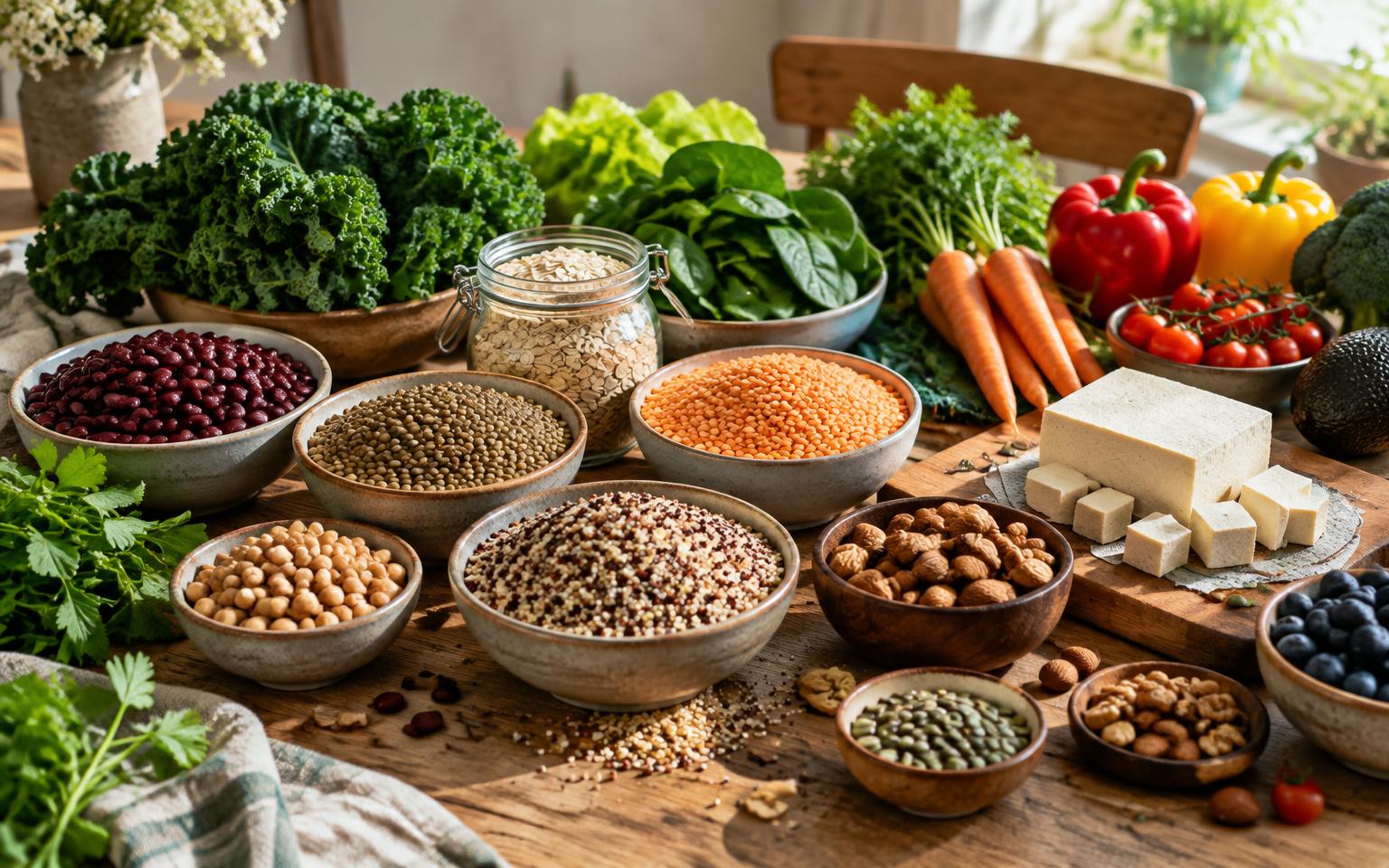
- Start with familiar meals built around beans, lentils, tofu or tempeh
- Replace one routine purchase at a time
- Check vitamin B12 and iodine rather than relying on wishful thinking
- Choose progress that works with culture, disability, income and access
Ethics without purity contests
Medicines, inaccessible alternatives and food insecurity make perfectly avoiding animal use impossible for many people. The useful question is which avoidable harms a person can reduce, not whether they can pass an ideological test.
Keep human and pet diets separate
Human nutrition guidance cannot be transferred to cats and dogs. Cats are obligate carnivores, and any major change to a companion animal's diet needs veterinary oversight.
Frequently asked questions
- Is plant-based the same as vegan?
- No. Plant-based usually describes what someone eats and may allow some animal products; veganism is a broader ethical commitment.
- Does reducing meat still matter?
- Yes. Demand, environmental pressure and individual health patterns can change without an all-or-nothing switch.
References
- Definition of veganism — The Vegan Society
- The vegan diet — NHS