
Sustainable living
Sustainable Food: The Changes That Usually Matter Most
A practical hierarchy for lower-impact eating that considers climate, land, water, biodiversity, affordability and waste.
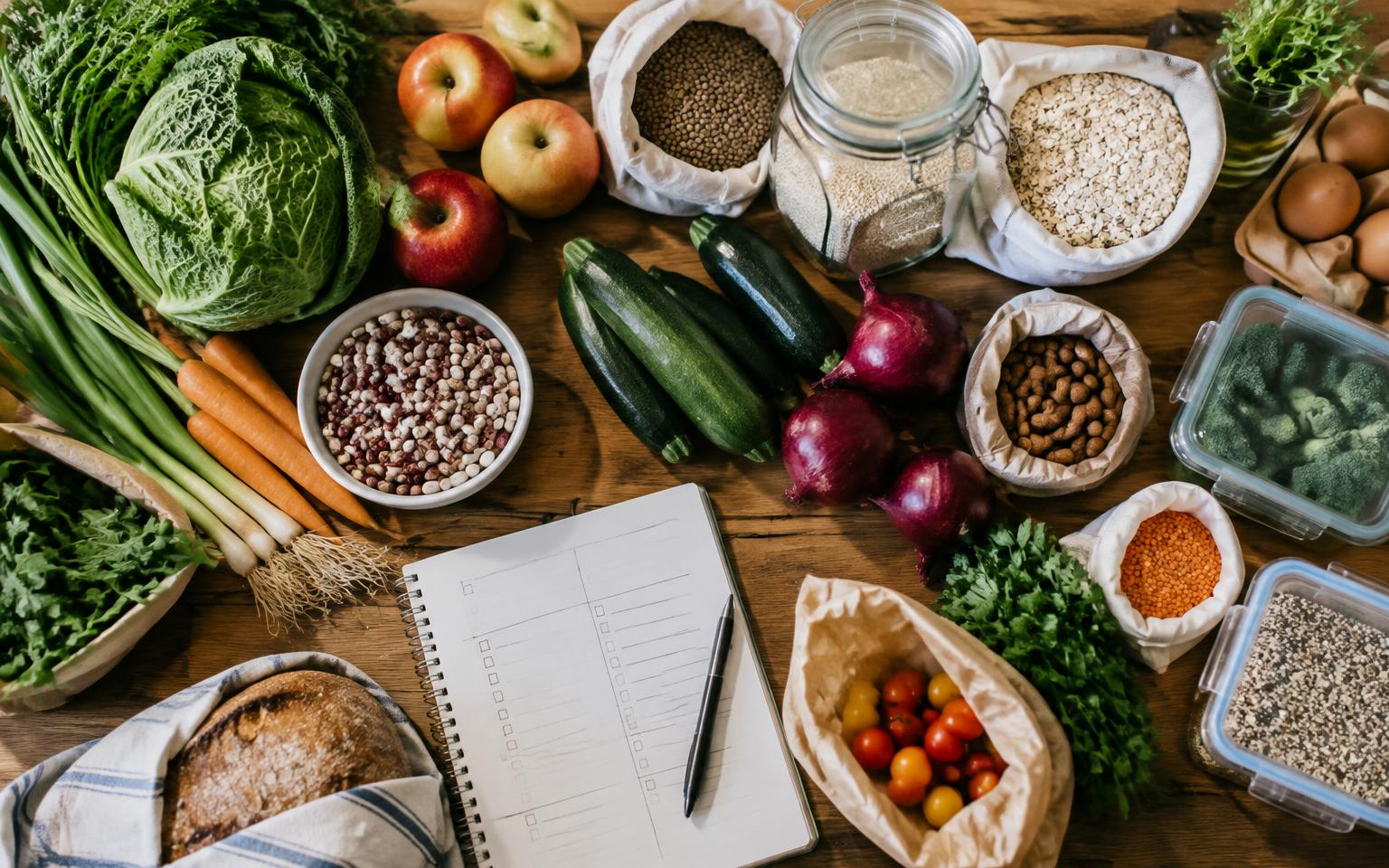
Sustainability has several dimensions
A sustainable food system must support human nutrition and livelihoods while staying within environmental limits. Carbon is important, but land, water, pollution, biodiversity, labour and resilience also matter.
The strongest general pattern
Large farm-level datasets find that animal-source foods usually have higher land use and greenhouse-gas impacts than plant proteins, although impact varies greatly between producers. Shifting meals towards pulses, grains, vegetables, nuts and seeds is a robust direction, not a precise score for every plate.
A practical order of action
- Waste less food and plan around what you already have
- Replace some high-impact animal foods with pulses or tofu
- Eat enough nutritious food; sustainability is not under-eating
- Choose seasonal and lower-packaging options when practical
- Support better production policy rather than placing the whole burden on shoppers
Avoid false absolutes
Local is not always lower-carbon, and a highly processed vegan food is not automatically sustainable. Production method, transport mode, storage, waste and nutrition all influence the answer.
Frequently asked questions
- Must a sustainable diet be fully vegan?
- No single diet fits every context. Evidence supports a broad shift towards plant foods, alongside reduced waste and better production.
References
- Reducing food's environmental impacts — Science (Poore & Nemecek, 2018)
- Climate Change and Land — IPCC
- Sustainable food systems framework — FAO