
Sustainable living
Durable Pet Equipment: Buy Less, Choose Safely
Compare repairability, cleaning, fit and lifespan before buying pet accessories, without letting sustainability claims override welfare.
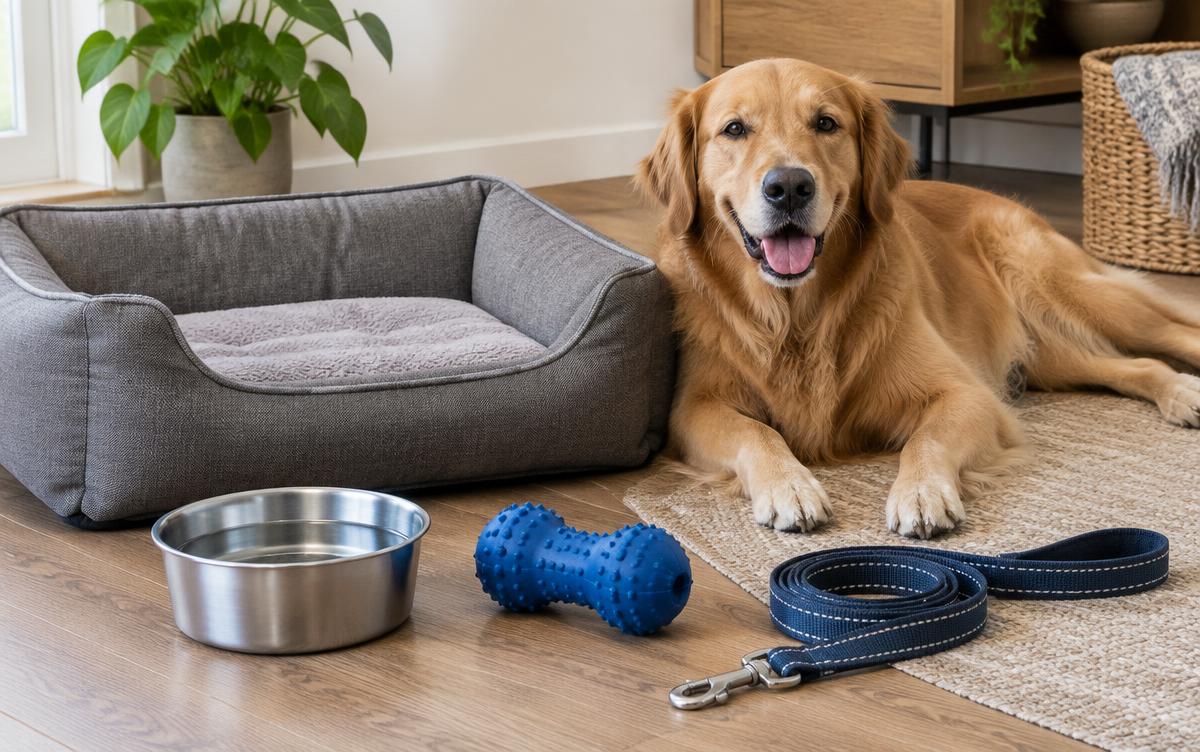
AI-generated editorial image; illustrative, not a clinical demonstration or documentary photograph.
Begin with the job the product must do
Before choosing a material, define the animal's need. A bed should support comfortable rest, a carrier should provide safe containment, and a toy should suit the animal's behaviour without foreseeable injury. A low-impact product that does not meet those needs is not a good purchase.
Check whether you already own something suitable. The waste hierarchy puts reducing unnecessary consumption and reusing safe items ahead of recycling. This is a useful decision principle, not proof that every old product is better than a replacement.
Look for a usable long life
Washable covers, accessible seams, replaceable parts and clear maintenance instructions make a product easier to keep in service. Inspect how it is built rather than relying on words such as natural, eco or premium. A material's appearance is not a durability test.
Match the equipment to the individual animal. Strong chewers, growing puppies, animals with reduced mobility and pets that swallow fabric need different choices. No toy is indestructible; supervision and regular inspection remain important.
- Does it fit and function correctly?
- Can it be cleaned thoroughly?
- Are replacement parts available?
- Can damage be noticed easily?
- Will the animal actually use it?
Treat used equipment as a safety decision
Second-hand bowls, beds and some washable accessories can be useful when condition and hygiene are sound. Clean them appropriately and inspect for cracks, frayed fabric, corrosion or hidden contamination. Avoid items with unknown exposure to infectious disease unless a veterinary team advises on safe cleaning.
Do not assume a repaired restraint is safe. A damaged lead, harness, crate latch or carrier fastener may need replacement rather than a home fix. Follow manufacturer guidance for load-bearing and containment equipment.
Question environmental claims
Recycled content, recyclability and compostability describe different things. A mixed-material toy may contain recycled plastic yet be difficult to recycle locally. Ask what proportion is covered by a claim, whether evidence is provided and what disposal route exists where you live.
Do not infer a precise climate benefit from a single material. Manufacturing, transport, useful lifespan and the final treatment all influence impact. Avoid presenting industry marketing as an independently measured comparison.
Replace when welfare or safety requires it
Check equipment routinely and retire pieces with sharp edges, loose parts, exposed filling or unreliable fasteners. A worn toy that can be swallowed is not worth keeping to avoid waste. Choose a safer replacement and dispose of the old item according to local rules.
Donate only clean, intact equipment that the receiving rescue actually wants. Ask first: passing on unsuitable goods transfers a disposal problem rather than helping animals. The most sustainable routine is often a small collection of useful products maintained well, not frequent purchasing driven by novelty.
Frequently asked questions
- Is natural material always safer?
- No. Safety depends on design, condition, cleaning and how the animal uses the item. Natural and recycled are not safety certifications.
- Should I repair a frayed lead?
- Do not rely on an improvised repair to safety-critical restraint equipment. Follow the manufacturer's advice and replace unreliable equipment.
References
- Sustainable materials and the waste hierarchy — US Environmental Protection Agency