
Sustainable living
Pet Waste: Cleaner Habits Without Greenwashing
Understand hygiene, compostable-bag claims and local disposal rules while keeping pet waste out of waterways and food gardens.
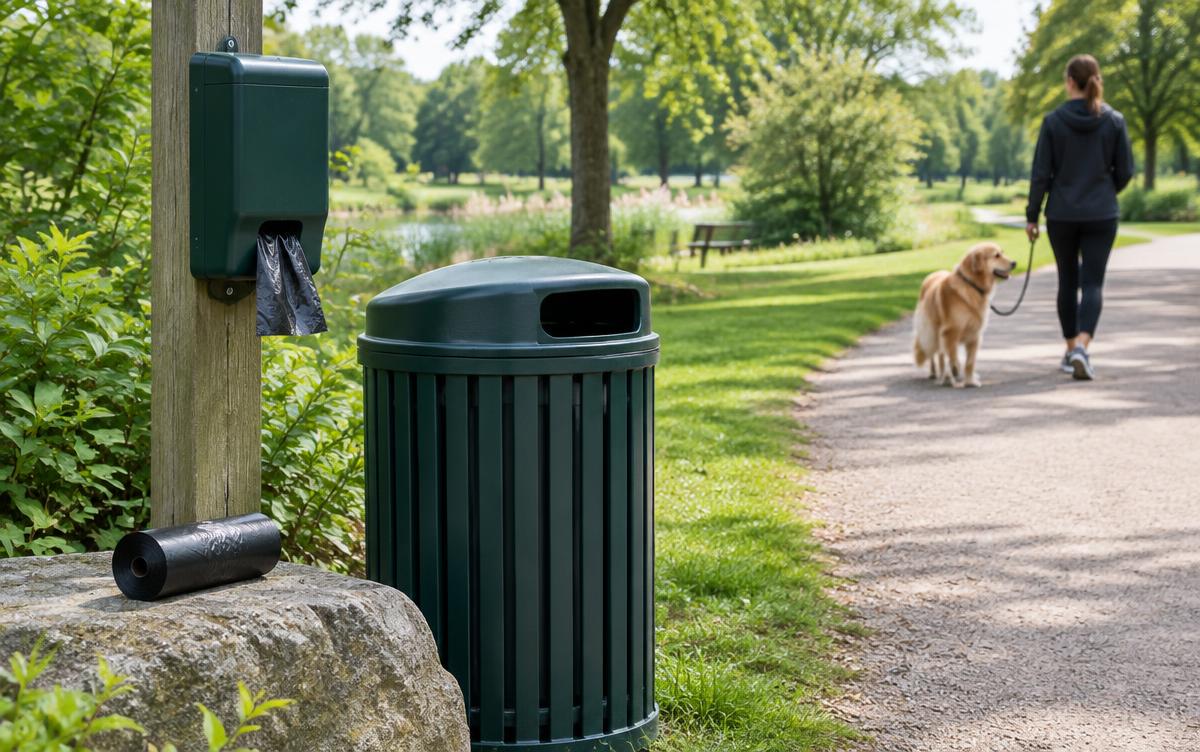
AI-generated editorial image; illustrative, not a clinical demonstration or documentary photograph.
Collect waste before comparing bags
Uncollected waste is not harmless fertiliser. Animals can carry germs even when they appear healthy, and rain can move material toward drains and waterways. Prompt collection, careful handling and handwashing are more important than the colour or marketing language on a bag.
Use the waste stream recommended by your local authority. Rules differ between countries and sometimes between neighbouring municipalities. A park bin, home refuse service and commercial composting programme may accept different materials.
Read compostable and biodegradable claims carefully
Biodegradable does not tell you exactly how quickly a material breaks down or under which conditions. Compostable packaging may require an industrial process rather than a garden heap. A certification for the empty bag does not establish that your waste service accepts pet faeces inside it.
Look for clear information about the intended treatment process and verify it with the receiving facility. Do not place bags in a food-waste bin merely because the label uses a leaf symbol. A small, reliable bag used correctly may be more useful than a green claim that leads to contamination.
Keep pet waste separate from food growing
Do not add dog or cat faeces to a home compost heap intended for edible crops. Ordinary household composting is not a validated pathogen-treatment system. Keep waste-handling tools away from kitchen equipment and children's play areas.
Small-herbivore bedding is a different material, but treatment, contamination and local rules still matter. Ask the local waste service about bedding and litter rather than assuming all animal waste is interchangeable. Used cat litter also depends on the litter material and disposal instructions.
Build a practical hygiene routine
Keep bags where you need them, collect waste promptly and secure household bins against animals. Wash hands with soap and water after handling waste or cleaning pet equipment. Gloves are useful but do not replace handwashing.
Avoid emptying waste where rain can wash it into a drain. Never leave a filled bag hanging from a branch or beside a path. If a bin is unavailable, carry it to an appropriate disposal point.
- Carry spare bags on every walk
- Follow the local waste service's rules
- Keep cleaning tools separate
- Prevent children from accessing waste
- Wash hands after the task
Reduce impact without compromising safety
Choose appropriately sized supplies and avoid unnecessary double-bagging when one sound bag meets the task. Durable scoops and washable cleaning equipment can reduce disposable extras at home, provided they are cleaned and stored safely.
Do not make precise carbon-savings claims without a credible comparison of materials, transport and treatment. The best option depends on the waste system available to you. Responsible collection and disposal are the baseline; packaging improvements come after that.
Frequently asked questions
- Can compostable dog-waste bags go in food-waste bins?
- Only if the receiving service explicitly accepts both the bag and pet waste. The packaging label alone does not establish acceptance.
- Is a home compost heap safe for dog and cat waste?
- Do not use dog or cat waste in household compost intended for edible crops. Follow local disposal guidance and maintain careful hygiene.
References
- Hygiene practices around animals — US Centers for Disease Control and Prevention
- Waste management hierarchy — US Environmental Protection Agency