
Common conditions
Anal Gland Problems in Dogs: Signs, Causes and Care
Scooting, licking and a fishy smell usually point to full or inflamed anal glands. Here is what is normal, what is not, and when to see the vet.
What anal glands do
Dogs have two small scent glands just inside the anus that normally empty a little fluid every time they pass a firm stool. When the stools are too soft, the glands sit in the wrong position, or the ducts become inflamed, the fluid builds up — and the glands become uncomfortable, impacted or infected.
Signs of a problem
The classic signs are hard to miss once you know them.
- Scooting the bottom along the ground
- Licking or chewing at the base of the tail
- A fishy, metallic smell
- Reluctance to sit or a suddenly tucked tail
- Swelling, redness or discharge beside the anus — a sign of abscess
What is normal and what is not
Most dogs empty their glands naturally and never need help. A dog that needs occasional manual emptying is not unusual, but a dog needing it every few weeks, or showing pain, swelling or blood, needs a vet to look for infection, allergies or anatomical problems.
Leave expression to professionals. Squeezing glands at home without training can bruise tissue, push infection deeper or rupture an abscess. If your dog needs regular emptying, ask your vet or a veterinary nurse to do it and to show you what normal feels like.
Reducing recurrence
A few measures reduce how often the problem returns.
- Keep stools firm with an appropriate, consistent diet — your vet can advise on fibre
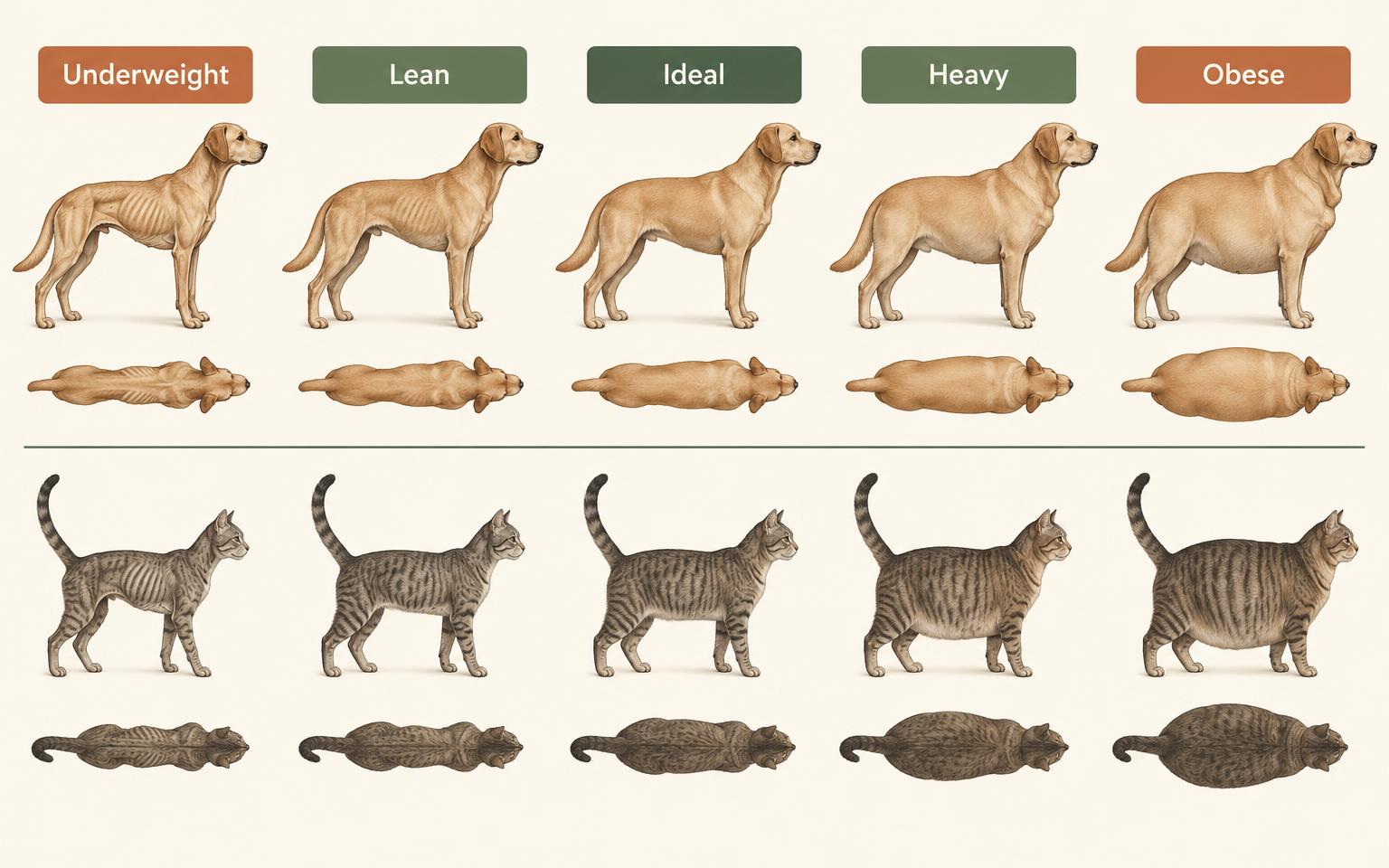
- Maintain a healthy weight; overweight dogs have more gland problems
- Treat underlying allergies, which inflame the area
- Have recurrent cases examined rather than repeatedly emptied — chronic problems sometimes need flushing, medication or, rarely, surgery
Frequently asked questions
- Do all dogs need their glands expressed?
- No. Most dogs never need it. Routine expression of healthy glands is unnecessary and can cause irritation.
- Is scooting always anal glands?
- No. Worms, allergies and skin irritation cause scooting too, so a first episode is worth a vet check rather than an assumption.
References
- PDSA — Anal gland problems in dogs — https://www.pdsa.org.uk/pet-help-and-advice/pet-health-hub/conditions/anal-gland-problems-in-dogs