
Dog breed · Herding / Pastoral
Belgian Malinois
An elite working dog used by police and military worldwide — magnificent in skilled hands and overwhelming in the wrong home.
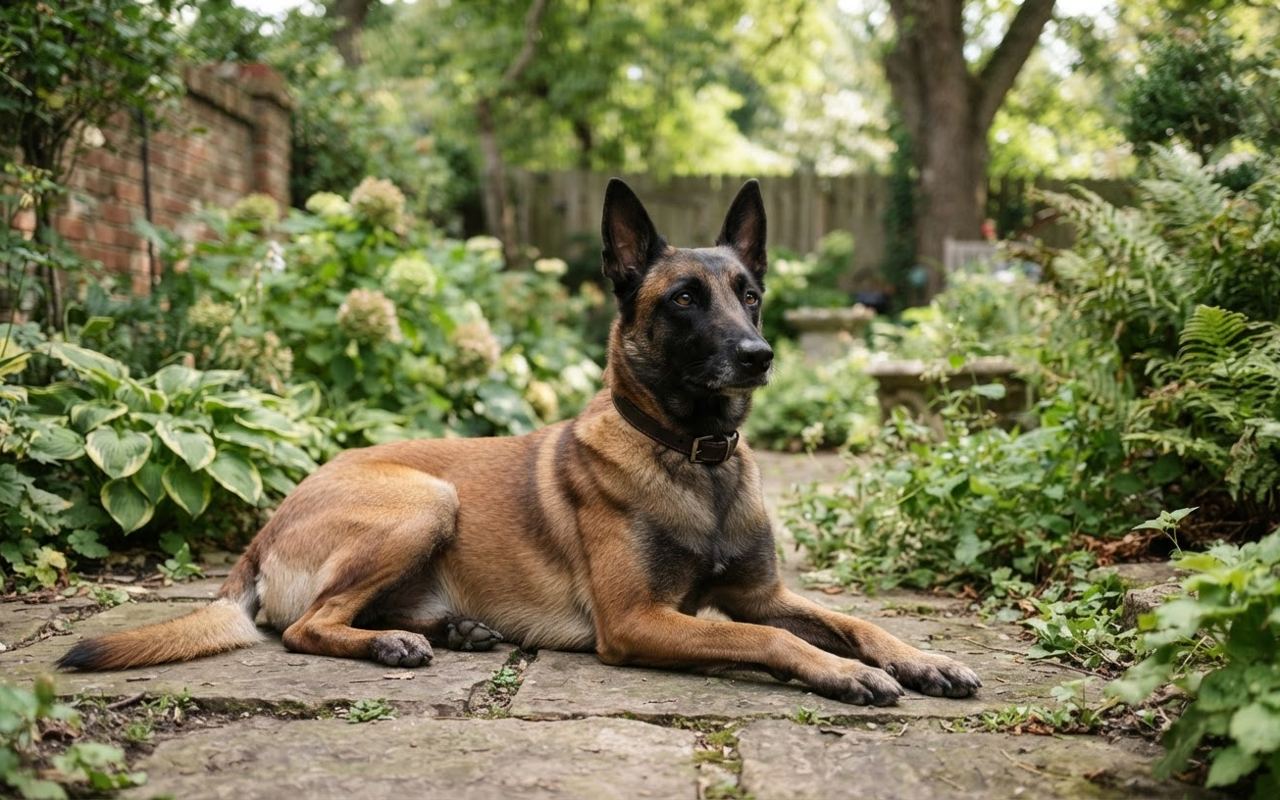
AI-generated editorial illustration of the subject; not a photograph of a specific animal, product or case.
Breed characteristics
- Group
- Herding / Pastoral
- Origin
- Belgium
- Size
- Large
- Weight
- 20–36 kg (44–80 lb)
- Height
- 56–66 cm
- Lifespan
- 12–14 years
- Coat
- Short, hard double coat
- Temperament
- IntenseDrivenAlertCommitted
History
One of four Belgian shepherd varieties, standardised around Malines in the late nineteenth century.
Appearance
Square, athletic and fawn with a black mask and ear tips.
Exercise and activity
Two to three hours daily of demanding physical and cognitive work.
Care and grooming
Weekly brushing; the real work is daily training, impulse control and decompression.
Health considerations
- Hip and elbow dysplasia
- Progressive retinal atrophy
- Epilepsy
- Anaesthetic sensitivity
- Pannus
Honest challenges
Before choosing a Belgian Malinois
- Treat the breed profile as a starting point, not a guarantee of temperament. Meet the individual and discuss its history, needs and behaviour with the rescue or responsible breeder.
- Check your routine can support the activity described here: Two to three hours daily of demanding physical and cognitive work. Allow for age, weather, health and recovery rather than imposing a fixed target.
- Ask the breeder or rescue and your vet about problems reported in this breed (such as Hip and elbow dysplasia, Progressive retinal atrophy, Epilepsy, Anaesthetic sensitivity, Pannus), which of them have recognised screening tests, and the parents' results where relevant. Screening reduces some uncertainty but cannot promise a healthy lifetime.
- Plan grooming, veterinary costs and care during holidays. Children and other pets still need careful introductions and supervision whatever a breed's typical rating.
Educational reference, not an individual diagnosis or a verified professional review. Read our editorial policy.
Guidance libraries and further reading
These organisations publish relevant guidance. Their links are further reading, not evidence that they have reviewed this page.
- RSPCA — animal care and welfare advice across species
- PDSA — veterinary charity pet health advice
- Dogs Trust — dog care, behaviour and welfare advice